Every dog owner wants their furry friend to be happy and healthy. But sometimes, you notice your dog scratching or licking an area on their body, and soon you see a red, moist, swollen patch. This is known as a hot spot, and it can quickly become a big problem if not treated. Hot spots are painful for dogs and worrying for owners. Understanding the causes, treatment options, and prevention strategies can make a huge difference for your dog’s comfort and well-being.
Hot spots are more common than many people realize. They can grow fast—sometimes in just a few hours. If left untreated, these skin sores can cause severe discomfort and even lead to deeper skin infections. The good news is, with the right knowledge, you can help your dog heal quickly and reduce the chances of hot spots happening again.
This article explains what hot spots are, what causes them, how to treat them, and how to prevent them. You’ll find practical advice, real examples, and answers to common questions, all in clear, simple language.
What Are Hot Spots On Dogs?
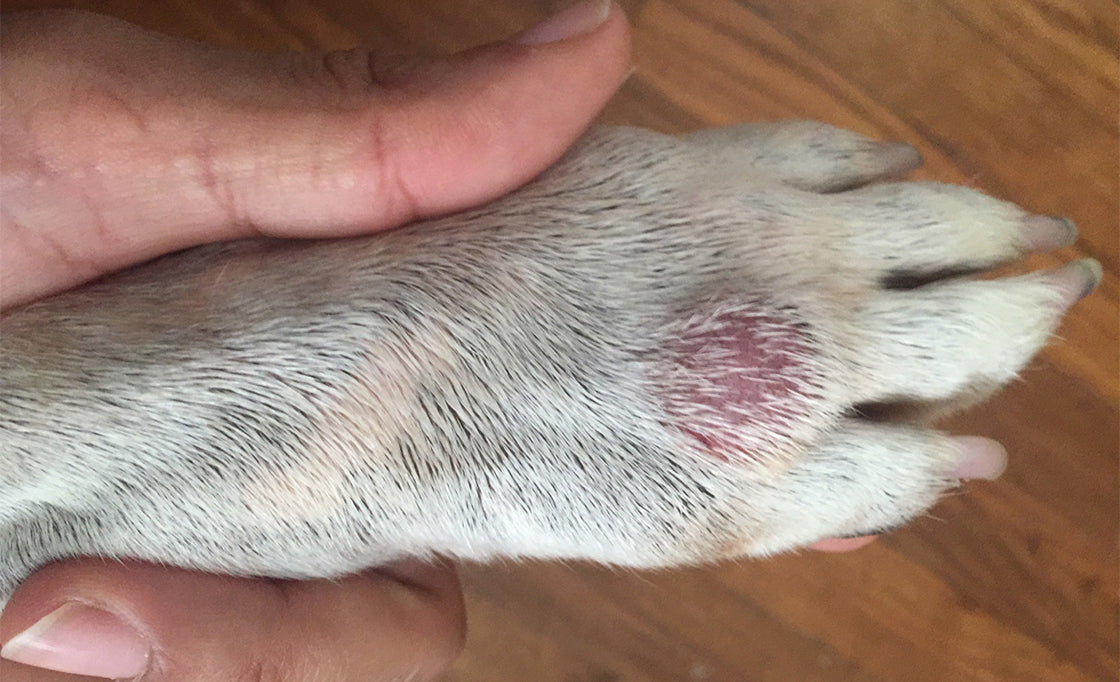
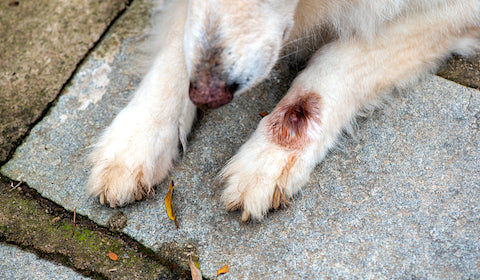
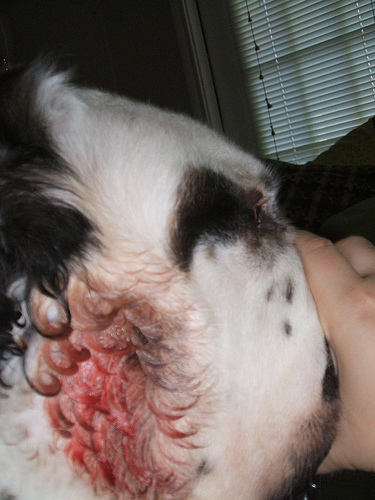
Hot spots, also called acute moist dermatitis, are areas of inflamed, infected skin. These patches are usually red, moist, and may ooze pus or fluid. The affected area often loses hair, and the skin can look raw and shiny. Hot spots can appear anywhere on a dog’s body, but they are most common on the head, hips, and chest.
A hot spot usually starts with irritation or itchiness. The dog licks, bites, or scratches the area, which damages the skin. Bacteria from the dog’s mouth or environment get into the broken skin, causing an infection. The result is a red, swollen patch that gets bigger as the dog keeps bothering it.
Hot spots can range from the size of a coin to several inches across. They grow fast—sometimes doubling in size in just a day.
Common Signs Of Hot Spots
- Red, swollen skin
- Moist or oozing area
- Hair loss around the spot
- Strong odor
- Pain when touched
- Constant licking or scratching
Some dogs may show changes in behavior, like restlessness or irritability, because hot spots are very uncomfortable.
Causes Of Hot Spots On Dogs
Hot spots are not a disease by themselves. They are a symptom—your dog is reacting to something that makes the skin itchy or painful. Understanding what triggers hot spots is important for both treatment and prevention.
1. Allergies
Many dogs develop hot spots because of allergic reactions. These can be:
- Flea allergy: Even one flea bite can trigger severe itching in sensitive dogs.
- Food allergies: Some ingredients, like beef, dairy, or wheat, cause reactions.
- Environmental allergies: Pollen, mold, dust mites, or grass can cause itching.
Allergies make dogs scratch or lick their skin, which leads to hot spots.
2. Parasites
Fleas, ticks, and mites are common triggers. Their bites cause intense itching. A dog’s natural response is to scratch or chew the area, breaking the skin. This opens the door to infection.
3. Skin Infections
Sometimes, a mild skin infection (bacterial or fungal) can cause irritation. The dog tries to relieve the itch, causing more damage and a larger hot spot.
4. Poor Grooming Or Matted Fur
Dogs with long hair or thick coats are more at risk, especially if their fur gets wet and stays damp. Matted fur traps moisture and dirt, irritating the skin and preventing airflow. This creates the perfect conditions for hot spots.
5. Moisture And Heat
Warm, humid weather is a common factor. Dogs who swim often, or those left with wet fur after a bath, are at higher risk. The combination of moisture and heat softens the skin and supports bacterial growth.
6. Underlying Pain Or Discomfort
Sometimes, a dog will lick or chew an area because of pain—like arthritis, hip dysplasia, or an injury. The licking can cause a hot spot even if the original problem is deeper in the body.
7. Behavioral Causes
Some dogs lick or chew their skin out of boredom, anxiety, or stress. This is called “psychogenic licking.” Over time, this habit can damage the skin and start a hot spot.
8. Other Medical Issues
Ear infections, anal gland problems, or wounds can cause dogs to focus on one area. If they lick or scratch too much, a hot spot may develop.
Examples Of Hot Spot Triggers
- A Labrador with a flea allergy gets one flea bite and chews at the spot for hours.
- A Golden Retriever swims in a lake, and his thick undercoat stays damp for days.
- A small dog with arthritis keeps licking her hip to soothe joint pain.
How Hot Spots Develop: The Cycle
Hot spots usually follow a simple but dangerous cycle:
- Irritation or itch starts (allergy, bite, infection, etc.)
- Dog scratches, chews, or licks the area
- Skin breaks down
- Bacteria invade the damaged skin
- Rapid infection and spread
- More itching, more licking, and a larger hot spot
If this cycle isn’t stopped, the hot spot can grow quickly and become very painful.
Breeds Most At Risk
Some dog breeds are more likely to get hot spots due to their coat type or skin sensitivity. Here is a comparison of risk levels:
| Breed | Risk Level | Why at Risk? |
|---|---|---|
| Golden Retriever | High | Thick, water-resistant coat; allergies common |
| Labrador Retriever | High | Double coat; likes water; prone to allergies |
| German Shepherd | Moderate | Dense fur; sensitive skin |
| St. Bernard | High | Heavy coat; drooling adds moisture |
| Poodle | Low | Curly fur less likely to mat, but still possible |
No breed is immune, but knowing your dog’s risk helps you stay alert.
Diagnosing Hot Spots
Most hot spots can be identified by their classic appearance and your dog’s behavior. But sometimes, a vet’s help is needed to find the cause or check for deeper infection.
What Vets Look For
- Location and size of the spot
- Color and moisture
- Odor or pus
- Signs of pain
- Other skin problems (fleas, rashes, etc.)
Vets may also ask about:
- Recent changes in your dog’s routine
- Bathing or swimming history
- Flea/tick prevention
- Food or diet changes
In some cases, the vet may take a skin scrape or swab to check for bacteria, fungi, or parasites. This helps guide the best treatment.
When To See A Vet
You should call a vet if:
- The hot spot is large, spreading, or very painful
- There is pus, bleeding, or a strong smell
- Your dog is very uncomfortable or acting sick
- Home care isn’t working after 2–3 days
- You suspect a deeper problem (like an ear or joint issue)
Treating Hot Spots At Home
Many mild hot spots can be treated at home, especially if caught early. The main goals are to stop the itch, dry out the area, and prevent infection.
Step 1: Clip The Fur
Carefully trim the hair around the hot spot. This allows air to reach the skin and helps the area stay dry. Use clean scissors or clippers, and be gentle—your dog’s skin is tender.
Tip: If your dog is anxious or the area is very sore, ask your vet to do this.
Step 2: Clean The Area
Gently wash the hot spot with mild, non-stinging antiseptic, like diluted chlorhexidine or iodine solution. Avoid hydrogen peroxide or alcohol, which can sting and delay healing.
Pat the area dry with a clean towel.
Step 3: Soothe And Protect
Apply a soothing topical—like an over-the-counter hydrocortisone cream (for dogs), aloe vera gel, or a veterinary spray. This reduces itch and swelling.
Do not use human creams or ointments unless your vet says they are safe for dogs.
Step 4: Stop The Licking
This is the hardest part. Dogs want to lick itchy spots, but this slows healing and spreads bacteria. Use an Elizabethan collar (E-collar), soft recovery collar, or a T-shirt to cover the area.
Step 5: Monitor For Changes
Check the hot spot twice a day. Signs of healing include less redness, a dry surface, and less licking. If the spot gets bigger, starts oozing, or your dog seems worse, call your vet.
Common Mistakes In Home Treatment
- Using harsh chemicals (like hydrogen peroxide or alcohol)
- Letting the area stay wet (moisture feeds bacteria)
- Not stopping the licking
- Trying home remedies without vet approval (tea tree oil, for example, can be toxic to dogs)
Credit: www.roessle-hoerschwag.com
Veterinary Treatment For Severe Hot Spots
For large, severe, or infected hot spots, veterinary care is needed. Vets have tools and medications that work faster and prevent complications.
What To Expect At The Vet
- Clipping and cleaning of the hot spot under safe conditions, often with mild sedation if needed.
- Topical or oral antibiotics if there is a bacterial infection.
- Steroids or antihistamines to reduce itching and inflammation.
- Pain relief if your dog is very uncomfortable.
- Treatment for the underlying cause (like fleas, allergies, or ear infections).
Your vet may also recommend an E-collar and a special shampoo for bathing.
Example Veterinary Plan
A Labrador with a deep hot spot and fleas might get:
- Flea treatment (oral or topical)
- Oral antibiotics for 1–2 weeks
- Short course of steroids for itch
- Medicated shampoo for the next 2–4 weeks
- E-collar until the area is fully healed
When Hot Spots Become Emergencies
Rarely, hot spots can become so deep that they cause cellulitis (a serious skin infection) or spread to deeper tissues. If your dog is lethargic, has a fever, or the skin turns black or hard, get emergency care.
Healing Timeline And What To Expect
Most hot spots improve within 3–7 days of proper treatment. The area may stay bald for a few weeks, but hair usually grows back.
Here’s a typical healing timeline:
| Day | What to Expect |
|---|---|
| 1 | Spot is red, moist, and sore; dog is uncomfortable |
| 2–3 | Redness and moisture begin to decrease; less licking if E-collar is used |
| 4–5 | Surface starts to dry out; scab may form |
| 6–7 | Area looks less angry; healing is well underway |
| 7+ | Hair begins to regrow; spot returns to normal skin color |
Non-obvious insight: Sometimes, the hot spot looks worse after the first day of cleaning. This is normal as dead skin and discharge are removed. Continue with the treatment unless there are signs of spreading infection.
Preventing Hot Spots
Preventing hot spots is better (and easier) than treating them. Here’s what you can do:
1. Flea And Tick Control
Use monthly prevention to keep parasites away. Even indoor dogs can get fleas or ticks, which are a leading cause of hot spots.
2. Regular Grooming
Brush your dog often, especially if they have a thick or long coat. This removes loose hair and prevents mats, which trap moisture and dirt.
- Bathing: Use a gentle dog shampoo every 4–6 weeks, or more often if your dog swims.
- Dry thoroughly: Always dry your dog completely after baths or swimming.
3. Manage Allergies
If your dog has known allergies, work with your vet to manage them. This may include:
- Special diets
- Allergy medications
- Reducing exposure to triggers (like grass or pollen)
4. Reduce Boredom And Stress
Dogs who are bored or anxious may lick themselves more. Give your dog:
- Plenty of exercise
- Toys and puzzles
- Attention and positive training
5. Watch For Early Signs
Check your dog’s skin regularly, especially in warm, humid weather. Early detection allows fast action before a small spot becomes a big problem.
Non-obvious insight: Dogs with floppy ears or thick undercoats may need extra checks after swimming, as these areas stay damp longer.
6. Treat Underlying Medical Problems
Address arthritis, ear infections, or other painful conditions with your vet’s guidance. This reduces the urge to lick or chew.
Comparing Home And Veterinary Treatment
Choosing the right treatment depends on the size and severity of the hot spot, as well as your dog’s overall health.
| Factor | Home Care | Vet Care |
|---|---|---|
| Size of hot spot | Small (under 2 inches) | Large or spreading |
| Pain level | Mild | Moderate to severe |
| Infection signs | No pus or odor | Pus, bleeding, strong smell |
| Dog’s behavior | Still eating, active | Lethargic, not eating |
| Results after 2 days | Improving | Not improving or getting worse |
If in doubt, always ask your vet for advice. Hot spots can be very painful and may need professional help to heal fully.
Credit: hilltopbio.com
Myths And Misunderstandings About Hot Spots
Many owners make mistakes because of common myths. Here are a few to watch out for:
- “Hot spots only happen in dirty dogs.” Not true—even well-groomed, clean dogs can get hot spots from allergies or a single flea bite.
- “You can use any human cream on a hot spot.” Dangerous—some human creams are toxic to dogs.
- “Hot spots are not painful.” False—they can be extremely sore and itchy.
- “Letting the dog lick the wound helps it heal.” Wrong—licking makes the infection worse.
When Hot Spots Keep Coming Back
If your dog gets hot spots often, it’s a sign that something deeper is wrong. Common causes of recurrent hot spots include:
- Untreated allergies
- Ongoing flea or mite infestations
- Skin infections not fully cured
- Behavioral problems (anxiety, boredom)
- Medical issues like arthritis or hormonal imbalances
Work with your vet to find the root cause. Sometimes, allergy testing, dietary changes, or behavioral therapy are needed. Persistent hot spots are more than just a skin problem—they signal an issue in your dog’s health or environment.
Credit: www.infinibandta.org
Real-world Example
Bella, a 5-year-old Golden Retriever, started licking her hip after swimming in the river. Her owner noticed a red spot the next day. Despite cleaning it, the spot grew larger and developed a bad odor. At the vet, Bella was diagnosed with a hot spot and a mild skin infection.
She received antibiotics, a steroid spray, and an E-collar. The vet also recommended drying her completely after each swim and using a monthly flea preventive.
Within a week, Bella’s hot spot healed. Her owner learned to check her skin after every outdoor adventure and to keep her coat brushed and dry.
What Owners Should Remember
- Hot spots are common, but not normal—they always have a cause.
- Early action prevents bigger problems.
- Good flea control, regular grooming, and allergy management are your best defenses.
- Always ask your vet if you’re unsure how to treat or prevent hot spots.
For more in-depth information about hot spots and other canine skin diseases, you can visit the VCA Animal Hospitals website.
Frequently Asked Questions
What Is The Main Cause Of Hot Spots In Dogs?
The most common causes are allergies (especially to fleas), parasites, and moisture trapped in the fur. Anything that makes a dog’s skin itchy or painful can lead to a hot spot if the dog licks or scratches too much.
How Can I Tell If My Dog’s Hot Spot Is Infected?
Signs of infection include pus, a bad smell, increased redness, swelling, or your dog acting sick (lethargic, not eating). If you notice these, see a vet right away.
Can Hot Spots Heal On Their Own?
Mild hot spots can sometimes heal with home care if caught early. But most need cleaning, protection from licking, and sometimes medication. Hot spots rarely heal on their own, and can get worse if ignored.
Are Hot Spots Contagious To Other Dogs Or Humans?
No, hot spots themselves are not contagious. However, the underlying cause (like fleas or mites) can spread to other pets. Always check and treat all pets for parasites if one has a hot spot.
How Can I Prevent Hot Spots In The Future?
Prevent parasites, groom regularly, dry your dog after swimming or bathing, and manage allergies. Watch for early signs of itching or licking, and act quickly to stop the cycle before a hot spot develops.
Hot spots are stressful for both dogs and owners, but with the right care and knowledge, you can help your dog heal fast and stay comfortable. Remember, your attention and quick action make all the difference.

We’re the dedicated team behind MyPawSafe.com, with over a decade of combined experience in veterinary care, pet emergency response, and animal behavior. While we prefer to let our work speak for itself, our mission is clear: to provide science-backed, vet-approved advice that helps pet owners prevent accidents and save lives.