Choosing the right amount of dry dog food for your furry friend is not always simple. Every dog is different—size, age, activity, and health all play important roles. Many owners worry: “Am I feeding too much? Too little?” The truth is, there’s no one-size-fits-all answer. Feeding your dog the correct amount of dry food is one of the best ways to keep them healthy, happy, and at an ideal weight.
If you’re a new dog owner or still unsure about the right quantity, this article will guide you step by step. You’ll learn what really matters, the hidden pitfalls, and how to adjust amounts for your dog’s unique needs. By the end, you’ll have the confidence to feed your dog properly, avoid common mistakes, and ensure they thrive.
Why The Right Amount Of Dry Dog Food Matters
Feeding your dog the right amount is about more than just preventing hunger or weight gain. The correct portion helps your dog:
- Stay at a healthy weight
- Get the nutrients they need
- Avoid health risks (like diabetes, joint problems, and heart disease)
- Maintain energy and a shiny coat
Overfeeding is one of the main reasons dogs become overweight. According to the Association for Pet Obesity Prevention, over 50% of dogs in the U. S. are overweight or obese. On the other hand, underfeeding can lead to weakness, dull fur, and even organ damage.
The goal is balance.
Factors That Influence How Much Dry Dog Food To Feed
There are several important things to consider before you scoop food into your dog’s bowl. The main factors include:
- Dog’s weight and size: Larger dogs need more food; smaller dogs need less.
- Age: Puppies, adults, and seniors have different needs.
- Activity level: Active dogs need more calories than couch potatoes.
- Breed: Some breeds are more active or have slower/faster metabolisms.
- Health conditions: Medical issues like diabetes or thyroid problems affect needs.
- Type of food: Calorie content varies between brands and formulas.
- Neuter/spay status: Fixed dogs may have lower energy needs.
Let’s break each one down.
Dog’s Weight And Size
The most basic rule: Bigger dogs need more food. A Chihuahua and a German Shepherd have vastly different calorie requirements. Most food bags have feeding charts based on weight—these are helpful starting points, but not perfect for every dog.
Age
- Puppies grow rapidly and need more calories per pound than adults.
- Adult dogs require maintenance calories.
- Senior dogs often need fewer calories as metabolism slows.
Activity Level
A dog that runs, hikes, or works daily burns more energy. If your dog is mostly indoors and inactive, they need fewer calories.
Breed
Some breeds, like the Border Collie or Labrador Retriever, are naturally more energetic. Others, like the Bulldog, are less active. Small breeds also tend to have faster metabolisms.
Health Conditions
Diseases like diabetes or thyroid disorders can raise or lower your dog’s calorie needs. Always follow your veterinarian’s advice if your dog has a medical issue.
Type Of Food
Not all dry dog foods have the same calories per cup. High-protein, high-fat foods are more calorie-dense, so you feed less. Always check the label for “calories per cup” (often listed as kcal/cup).
Neuter/spay Status
Dogs that have been spayed or neutered sometimes need 10–20% fewer calories, because their metabolism slows down.
Understanding Feeding Guides On Dog Food Packaging
Most dry dog food brands print a chart on the bag. It usually looks something like this:
| Weight of Dog (kg) | Grams per Day | Cups per Day (approx.) |
|---|---|---|
| 2–5 | 50–90 | 0.5–1 |
| 5–10 | 90–150 | 1–1.5 |
| 10–20 | 150–250 | 1.5–2.5 |
| 20–30 | 250–350 | 2.5–3.5 |
| 30–40 | 350–450 | 3.5–4.5 |
| 40–50 | 450–550 | 4.5–5.5 |
These charts give you a general guideline. They are based on average activity levels and calorie needs. But they do not consider your dog’s unique situation. For example, a very active 20kg dog may need more than the chart says; an inactive one may need less.
Non-obvious insight: Many owners feed based strictly on these charts and notice their dog gains weight. This happens because the charts are often generous to avoid underfeeding. Always adjust based on your dog’s body condition.
How To Calculate Your Dog’s Calorie Needs
If you want a more accurate answer, you can calculate your dog’s Resting Energy Requirement (RER) and adjust for activity. Here’s how:
- Find your dog’s weight in kilograms (kg).
- Calculate RER: Use the formula: RER = 70 x (body weight in kg)^0.75
For example, a 10kg dog:
- (10^0.75) ≈ 5.62
- 70 x 5.62 = 393 calories/day (RER)
- Adjust for activity: Multiply RER by an activity factor:
- Neutered adult: RER x 1.6
- Intact adult: RER x 1.8
- Active/working dog: RER x 2.0–5.0
- Puppy: RER x 2.0–3.0
So, for a neutered 10kg adult dog: 393 x 1.6 ≈ 629 calories per day.
- Check your dog food’s kcal/cup and divide total calories needed by kcal per cup.
Example: If your food is 350 kcal/cup, you’d feed about 1.8 cups per day.

Credit: streetphotographersfoundation.com
How Much Dry Dog Food For Puppies
Puppies are growing fast. Their calorie needs are much higher per pound than adults. Most dry puppy foods have more protein and fat to support growth.
Typical puppy feeding guidelines:
| Age (weeks) | Meals per Day | Notes |
|---|---|---|
| 6–12 | 4 | Small, frequent meals |
| 12–24 | 3 | Gradually increase portion |
| 24+ | 2 | Adult feeding schedule |
Non-obvious insight: Overfeeding puppies can cause rapid growth, leading to joint problems, especially in large breeds. It’s safer to keep puppies lean.
Adjust puppy food portions often. If your puppy is losing their waist or looks round, reduce the food a little.
How Much Dry Dog Food For Adult Dogs
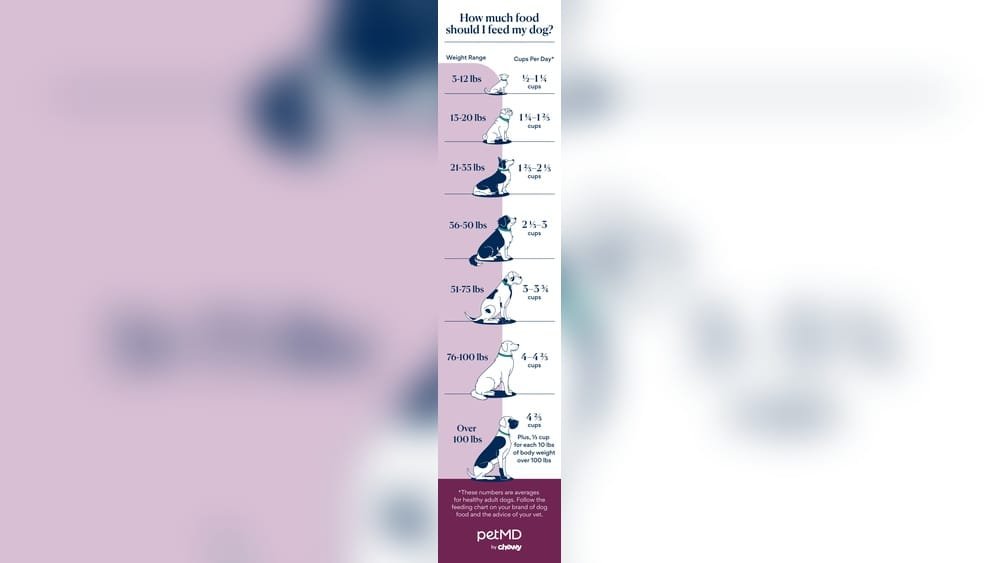
Adult dogs need enough food to maintain their ideal weight—no more, no less. For most adult dogs, feeding once or twice a day works well.
- Small dogs: 1/2 to 1 1/2 cups per day
- Medium dogs: 1 1/2 to 2 1/2 cups per day
- Large dogs: 2 1/2 to 4 1/2 cups per day
These are general ranges. Always check the specific calories in your dog food.
Tip: It’s better to feed a little less than too much. You can always add a little if your dog seems hungry or is losing weight.
How Much Dry Dog Food For Senior Dogs
As dogs age, their metabolism slows, and they may become less active. Most seniors need about 20% fewer calories than when they were younger.
- Monitor their weight closely
- Choose a senior formula if possible (lower calories, joint support)
- Feed smaller, more frequent meals if digestion is an issue
Some senior dogs lose muscle, so a food with higher protein may help.
Practical advice: If your senior dog is gaining weight, reduce the daily portion by 10–15% and monitor for changes.
Special Cases: Pregnant, Nursing, And Working Dogs
Pregnant and nursing dogs need much more energy, especially in late pregnancy and during nursing. It’s normal for their food intake to double or even triple.
- Last 3 weeks of pregnancy: Increase food gradually
- Nursing: Feed as much as she wants (free choice)
Active working dogs (like sled dogs, hunting dogs) can need 2–4 times more calories than average pets. Use high-calorie foods and feed larger portions.
Warning: Never feed a high-calorie, high-protein diet to a normal, inactive dog—they will gain weight quickly.

Credit: ironwillrawdogfood.com
How To Measure Dry Dog Food Correctly
Measuring food is not as simple as it seems. Many owners use a coffee mug or estimate by eye, which can lead to overfeeding.
Best practices:
- Use a proper measuring cup marked in “cups” (not a drinking glass).
- Weigh the food with a kitchen scale for maximum accuracy (especially for small dogs).
- Level the scoop—don’t heap it above the rim.
- Check the bag’s “cup” size—some brands use a “metric cup” (250ml), others use a standard U.S. cup (237ml).
Non-obvious insight: Measuring by weight (grams/ounces) is always more accurate than volume, especially if kibble size or shape varies.
How To Adjust Portions For Weight Loss Or Gain
If your dog is overweight or underweight, adjust food slowly. Do not make big changes all at once.
For weight loss:
- Reduce daily portion by 10–20%
- Increase exercise if possible
- Re-check weight every 2 weeks
- Do not cut food drastically—it can cause health problems
For weight gain:
- Increase daily portion by 10–20%
- Choose a more calorie-dense food if needed
- See your vet if weight does not improve
Note: Always use a body condition score chart to judge if your dog is at a healthy weight.
How To Tell If Your Dog Is Eating The Right Amount
Dogs cannot tell you if they’re getting too much or too little. Check these signs:
- Healthy weight: You should feel, but not see, your dog’s ribs. There should be a clear waist from above.
- Energy: Your dog should be playful, not sluggish or hyper.
- Stool quality: Normal, firm stools (not too loose or too hard).
- Coat: Shiny and clean, not dull or flaky.
If your dog is gaining or losing weight, adjust food in small steps (about 10% at a time).
Dry Dog Food Feeding Mistakes To Avoid
Many owners make the same errors without realizing it. Here are the most common:
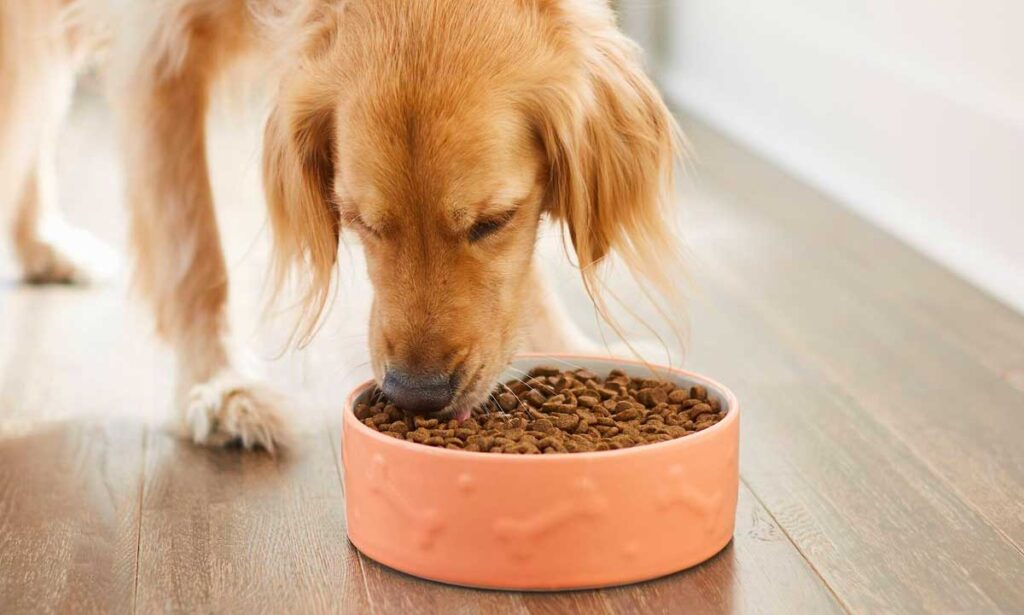
- “Free feeding”—leaving food out all day. This encourages overeating.
- Guessing portions instead of measuring.
- Ignoring treats and extras. Treats should be less than 10% of total calories.
- Feeding based only on the bag’s chart. Adjust for your dog’s needs.
- Not adjusting for age or lifestyle changes.
- Switching foods without measuring calories. Different brands have different calorie counts.
Pro tip: Keep a feeding diary for a week. Track food, treats, and weight. You may notice patterns you missed.
Credit: www.chewy.com
Comparing Calorie Content Of Popular Dry Dog Foods
Here’s a sample comparison of three common dry dog foods:
| Brand/Type | Protein % | Fat % | Calories per Cup (kcal) |
|---|---|---|---|
| Brand A (Adult) | 24 | 14 | 340 |
| Brand B (Active) | 28 | 18 | 400 |
| Brand C (Weight Control) | 22 | 10 | 310 |
Insight: Feeding the same “1 cup” of Brand B gives 60 more calories than Brand A. That adds up quickly if you’re not careful. Always check the calories, not just the cup size.
Dry Dog Food Vs. Wet Dog Food: Feeding Differences
Some owners mix wet and dry food. Here’s a quick look at the differences:
| Type | Calories per Gram | Portion Size Needed | Cost |
|---|---|---|---|
| Dry (kibble) | High | Small | Lower |
| Wet (canned) | Low | Large | Higher |
Dry food is more calorie-dense. If you switch to wet food, your dog will need a much larger volume to get the same calories.
Tip: If you mix foods, calculate calories from both and adjust portions.
How Feeding Schedules Affect Amounts
How often you feed your dog also matters.
- Once a day: Works for some adult dogs, but can cause hunger or vomiting in others.
- Twice a day: Most common; helps prevent hunger and keeps energy stable.
- Three or more times: Good for puppies, seniors, or dogs with health issues.
Non-obvious insight: Feeding after exercise or when your dog is calm helps with digestion.
Dealing With Picky Eaters
Some dogs refuse to eat dry food or eat less than recommended. Here’s what to do:
- Rule out illness first. Sudden appetite loss can signal health problems.
- Try warming the food slightly or adding a little water.
- Mix a small amount of wet food or broth for flavor.
- Do not leave food down all day. Give 15–20 minutes, then remove the bowl.
- Stay consistent. Dogs often adjust to a new routine in a few days.
How Weather And Seasons Affect Food Needs
Dogs may need more food in cold weather (to keep warm) or less in hot weather (if less active). Watch for weight changes at the start of summer or winter and adjust portions if needed.
What To Do If You Switch Foods
When changing to a new brand or type of dry dog food, do this:
- Transition over 5–7 days. Mix increasing amounts of the new food with the old.
- Compare calories per cup—adjust portion size as needed.
- Watch for stomach upset (vomiting, diarrhea). If problems appear, slow the transition.
Non-obvious insight: Many owners keep the same “cup” amount when switching foods, causing accidental overfeeding or underfeeding. Always check the calories first.
When To See A Vet About Feeding
Contact your vet if:
- Your dog is losing or gaining weight rapidly
- Appetite changes suddenly
- Vomiting or diarrhea lasts more than 24 hours
- You suspect a food allergy or intolerance
A professional can tailor a feeding plan for your dog’s unique health.
Practical Feeding Tips For Owners
- Feed at the same times every day. Dogs love routine.
- Provide fresh water at all times.
- Wash food bowls daily to prevent bacteria.
- Store dry food in a sealed container to keep it fresh.
- Watch for recall alerts on dog food brands.
The Bottom Line
Feeding the right amount of dry dog food is one of the most important ways you care for your dog. Start with your dog’s weight, age, and activity. Measure carefully, adjust as needed, and pay attention to body shape and energy.
If you’re ever unsure, your veterinarian is the best resource.
Remember, your dog’s needs can change with seasons, age, or health. Regular checks and small adjustments keep them happy and healthy for years.
If you want to learn more about calculating your pet’s calorie needs, the WSAVA Global Nutrition Guidelines are a trusted resource.
Frequently Asked Questions
How Do I Know If I’m Feeding My Dog Too Much?
Check your dog’s body shape: you should be able to feel their ribs but not see them. A clear waist should be visible from above. If your dog is losing their shape, cut back on food by 10% and monitor for a few weeks.
Can I Feed My Dog Once A Day?
Some adult dogs do fine with one meal, but most do better with two smaller meals. This helps keep energy steady and avoids hunger vomiting. Puppies and seniors should eat at least twice a day.
Is It Okay To Switch Between Dry And Wet Food?
Yes, you can mix or alternate dry and wet foods. Just be sure to adjust total calories so your dog doesn’t get too much or too little. Always transition slowly to avoid stomach upset.
How Much Dry Food Should I Give My Puppy?
Puppies need more frequent, smaller meals—usually 3–4 times a day. Follow the puppy food bag’s chart, but adjust if your puppy looks too thin or too round. Keep puppies lean, especially large breeds.
What If My Dog Doesn’t Finish Their Food?
If your dog skips meals or leaves food often, check with your vet to rule out illness. Otherwise, try feeding less or making the food more appealing with a little water or wet food. Avoid leaving food out all day.
Feeding your dog the right amount is a journey, not a one-time decision. With attention, care, and regular checks, you’ll keep your best friend healthy and full of life.
We’re the dedicated team behind MyPawSafe.com, with over a decade of combined experience in veterinary care, pet emergency response, and animal behavior. While we prefer to let our work speak for itself, our mission is clear: to provide science-backed, vet-approved advice that helps pet owners prevent accidents and save lives.