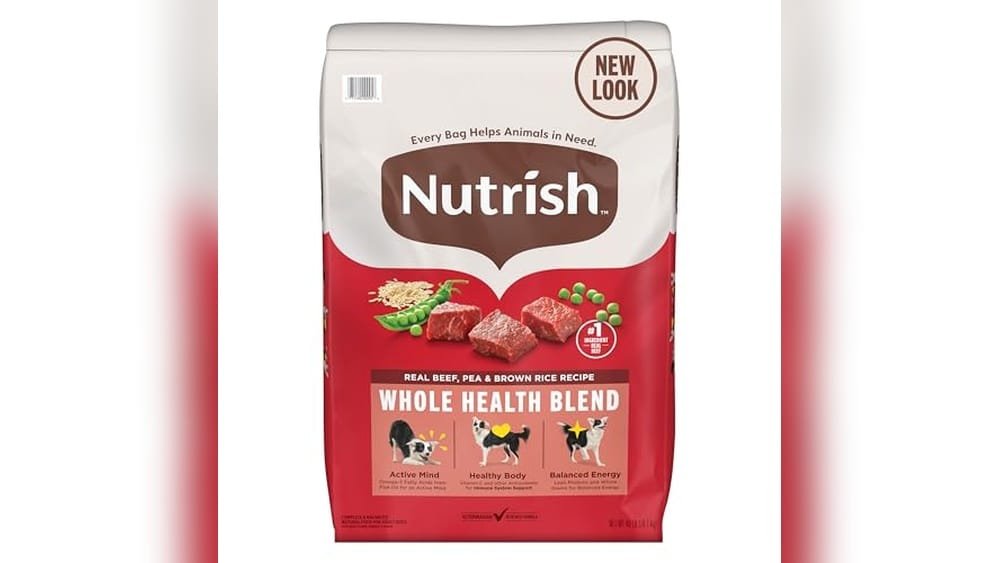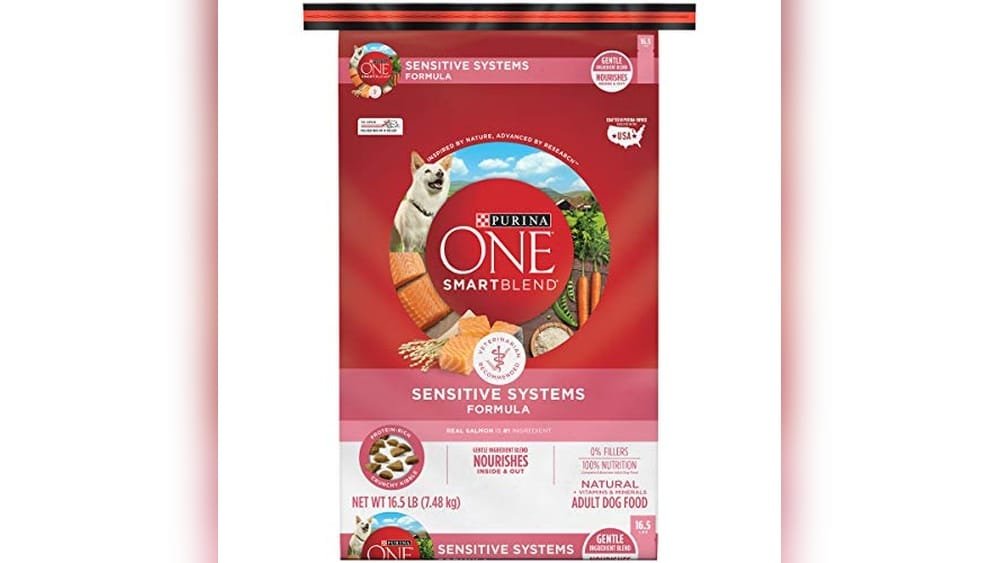

Dry dog food is a staple in many households. It is convenient, easy to store, and often more affordable than wet dog food. But with so many brands and formulas on the market, it’s not always clear what makes a good dry dog food.
Choosing the right one is not just about price or flavor. It’s about nutrition, safety, and the overall well-being of your dog.
Many owners believe all kibble is about the same. But the truth is, the differences can be dramatic. A good dry dog food supports your dog’s health at every stage, from puppyhood to old age. It can help maintain a shiny coat, strong teeth, healthy digestion, and steady energy.
However, not every food on the shelf delivers these results.
Let’s dive deep into what really matters when picking dry dog food. You’ll learn about nutrients, ingredients, safety standards, and even what the marketing claims really mean. Whether you’re a first-time owner or looking to improve your dog’s diet, this guide will give you the knowledge to make confident choices for your furry friend.
The Role Of Nutrition In Dry Dog Food
Every dog needs balanced nutrition to stay healthy. This means the food must contain the right amounts of protein, fat, carbohydrates, vitamins, and minerals. These nutrients support everything from muscle growth to immune function. But not all brands use the same quality or type of ingredients.
Essential Nutrients
- Protein: Dogs are descendants of wolves, so they need protein for muscle, skin, and coat health. Look for foods that use real meat, like chicken, beef, or lamb, as the first ingredient.
- Fat: Fats provide energy and help absorb vitamins. Quality dry foods use sources like chicken fat or fish oil.
- Carbohydrates: Ingredients like rice, barley, or sweet potato offer energy and fiber. Avoid foods that use too many fillers like corn or wheat.
- Vitamins and Minerals: These support bone growth, immune function, and overall health. Good foods include added vitamins like A, E, and minerals like calcium and phosphorus.
Why Balance Matters
A food too high in one nutrient can be harmful. For example, excess protein can stress kidneys in older dogs, while too little fat can cause a dull coat. The best dry dog foods balance nutrients according to the dog’s age, size, and activity level.
Understanding Ingredient Quality
The ingredient list on a dog food bag reveals a lot. High-quality dry dog foods use real, whole-food sources. Low-quality foods rely on cheap fillers or animal by-products that offer less nutrition.
Top Ingredients To Look For
- Named Meat: Ingredients like “chicken,” “beef,” or “salmon” are better than vague terms like “meat meal” or “animal fat.”
- Whole Grains or Legumes: Brown rice, oats, barley, or peas are preferable to corn, soy, or wheat.
- Healthy Fats: Fish oil or flaxseed provides omega-3 fatty acids for skin and coat health.
Ingredients To Avoid
- By-products: These are leftover animal parts not fit for human consumption.
- Artificial Colors and Preservatives: Chemicals like BHA, BHT, or artificial dyes offer no nutritional value and may cause allergies.
- Excessive Fillers: Foods that list corn, wheat, or soy as primary ingredients are usually lower in quality.
Real-world Example
Compare two ingredient lists:
| High-Quality Dog Food | Low-Quality Dog Food |
|---|---|
| Deboned chicken, brown rice, barley, chicken fat, peas, carrots, flaxseed | Corn, meat by-product, wheat, animal fat, artificial color, soy |
You can see that the high-quality food uses named meats and whole grains, while the low-quality food relies on fillers and by-products.
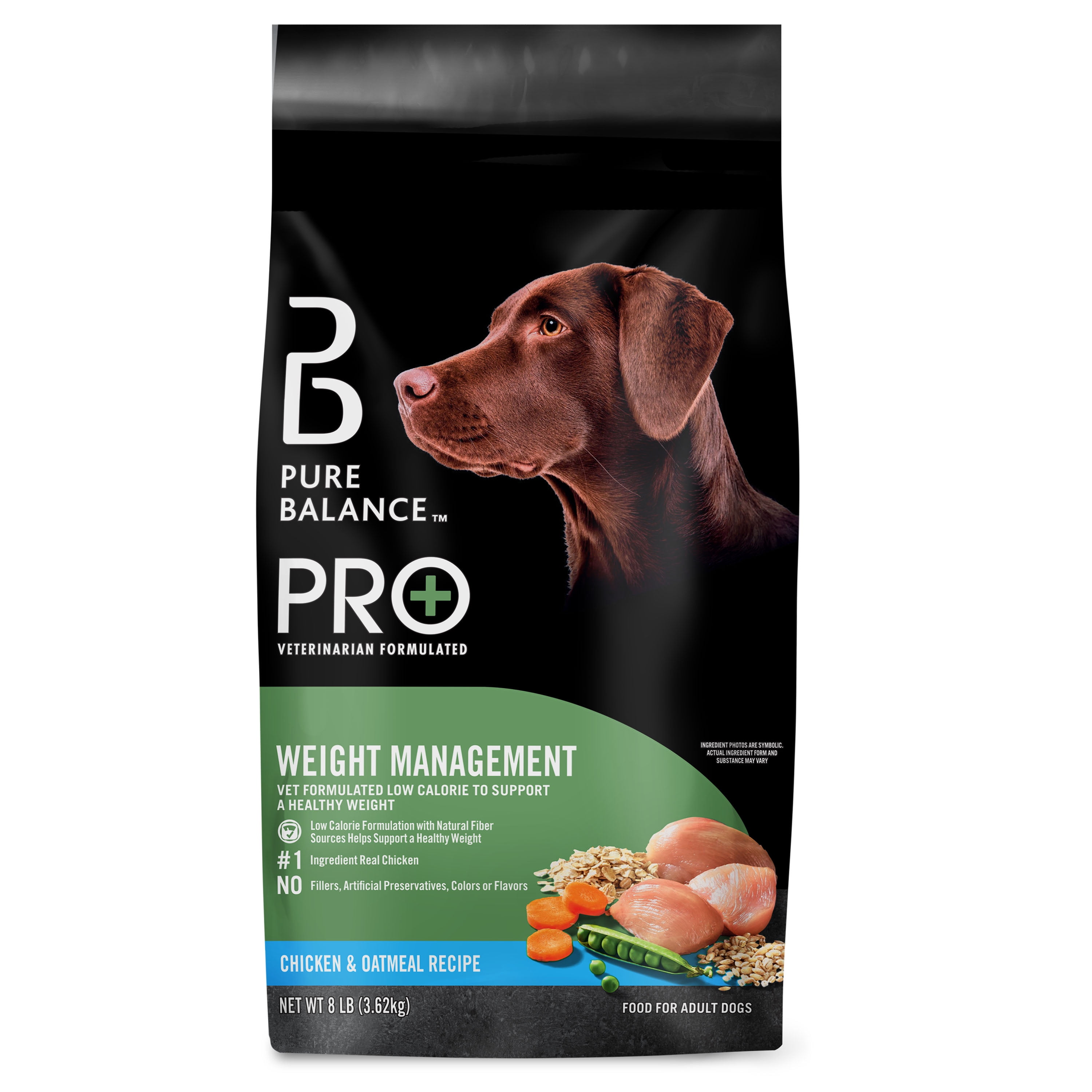
Credit: www.walmart.com
How To Read A Dog Food Label
Dog food packaging can be confusing, with bold claims and scientific-sounding terms. Learning how to read a label helps you see past the marketing.
Ingredient Order
Ingredients are listed by weight. The first three ingredients are the most important because they make up most of the food. If a real meat is not first, it’s not the main protein source.
Guaranteed Analysis
This is a table on the bag that shows the percentages of protein, fat, fiber, and moisture. Compare this to your dog’s needs.
| Nutrient | Puppy | Adult | Senior |
|---|---|---|---|
| Protein | 22-32% | 18-26% | 18-22% |
| Fat | 8-15% | 8-15% | 6-12% |
| Fiber | 2-5% | 2-5% | 3-5% |
Life Stage And Breed Size
Good dry dog foods are tailored for puppies, adults, or seniors, and sometimes by breed size (small, medium, large). This ensures the right balance of nutrients.
Protein Sources And Their Importance
Protein is the most important nutrient for dogs. It builds muscle, repairs tissue, and supports the immune system. However, not all protein sources are equal.
Types Of Protein
- Animal Protein: Meat, fish, eggs, and poultry are the best sources. They contain all essential amino acids.
- Plant Protein: Found in peas, lentils, and potatoes. These are sometimes used, but dogs digest animal protein better.
Meat Meals Vs. Whole Meat
Meat meals (like “chicken meal”) are not bad if clearly named. They are concentrated protein sources. But “meat meal” without a named animal could include almost anything. Always choose foods with specific protein sources.
Protein Content
A good dry dog food for adults should have at least 18% protein, while puppies need more, around 22% or higher. Active or working dogs also need higher protein to support energy and muscle repair.
Fats And Fatty Acids
Fats are often misunderstood. While too much fat can lead to weight gain, the right fats are vital for energy and health.
Essential Fatty Acids
- Omega-3: Found in fish oil and flaxseed, supports brain health and reduces inflammation.
- Omega-6: Found in chicken fat and sunflower oil, supports skin and coat health.
Signs Of Good Fats
Look for foods with named fat sources. For example, “chicken fat” is better than “animal fat. ”
Balance Is Key
The ratio of omega-6 to omega-3 should be around 5:1 to 10:1. Too much omega-6 can cause inflammation, while too little omega-3 leads to dry skin.
Carbohydrates And Fiber
Carbohydrates provide energy and fiber aids digestion. However, dogs do not need carbohydrates as much as protein or fat.
Types Of Carbohydrates
- Complex Carbs: Brown rice, oatmeal, barley, and sweet potatoes digest slowly and provide steady energy.
- Simple Carbs: Corn syrup or white rice give quick energy but can spike blood sugar.
Fiber For Digestion
Fiber is important for gut health. It prevents constipation and supports healthy stools. Look for foods with 2-5% fiber.
Avoiding Fillers
Some brands use excessive carbohydrates as cheap fillers. If the first ingredient is a grain or starch, the food may not provide enough protein.
Vitamins, Minerals, And Supplements
Vitamins and minerals are required in small amounts but are vital for health.
Common Additions
- Calcium and Phosphorus: Support bone health.
- Vitamin E and Selenium: Act as antioxidants.
- Probiotics and Prebiotics: Support gut health and digestion.
Synthetic Vs. Natural
Some vitamins are added synthetically. This is common and not dangerous, but whole-food sources are often absorbed better.
Avoiding Harmful Additives
Dry dog food should be free from unnecessary chemicals.
Artificial Colors And Preservatives
Ingredients like BHA, BHT, and ethoxyquin are used to extend shelf life but may have health risks. Natural preservatives like mixed tocopherols (a form of vitamin E) are safer.
Flavors And Sweeteners
Artificial flavors and sweeteners like corn syrup are unnecessary. Dogs do not need sugar in their food.
Safety And Manufacturing Standards
How dry dog food is made affects its quality and safety.
Recalls And Quality Control
Choose brands with a good safety record. Brands with frequent recalls may have poor quality control.
Country Of Origin
Foods made in countries with strict regulations (like the USA, Canada, or Western Europe) are generally safer.
Certifications
Look for certifications from organizations like AAFCO (Association of American Feed Control Officials). This means the food meets basic nutritional standards.
Specialized Diets And Allergies
Some dogs need special diets due to allergies, sensitivities, or health issues.
Grain-free Diets
Grain-free foods use potatoes or legumes instead of grains. They are not always better unless your dog has a grain allergy.
Limited Ingredient Diets
These foods have fewer ingredients to reduce allergy risk. They are helpful for dogs with sensitive stomachs.
Prescription Diets
Some dogs need food designed for medical conditions (like kidney disease). Only use these under a vet’s guidance.
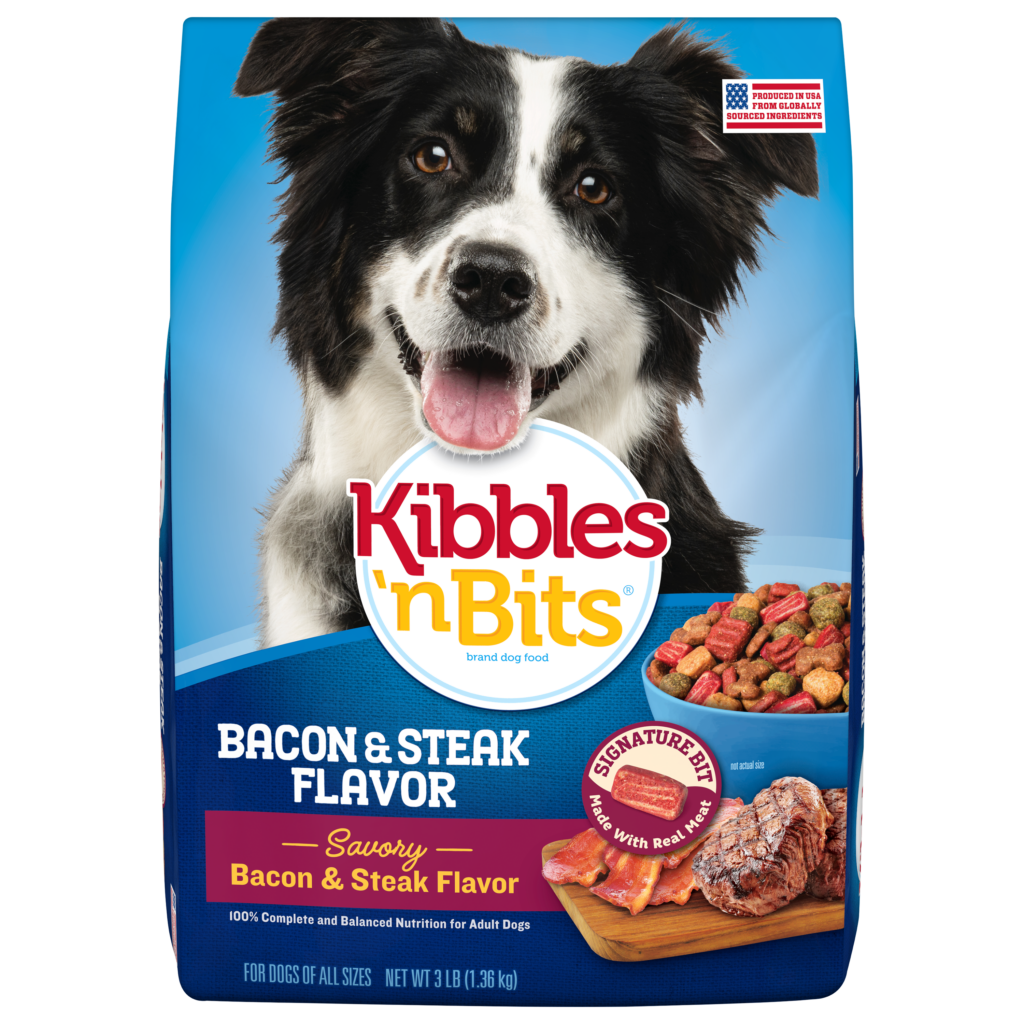
Credit: www.kibblesnbits.com
Price Vs. Quality: Does Expensive Mean Better?
Not all expensive foods are high quality, and not all affordable foods are low quality. Price can reflect ingredient quality, but some brands charge more for marketing.
Comparing Costs
| Price Range (per kg) | Typical Ingredient Quality | Best For |
|---|---|---|
| $1-3 | High fillers, by-products | Budget-conscious, healthy adults |
| $3-6 | Named meats, whole grains | Most dogs, best value |
| $7+ | High protein, limited ingredients, special diets | Dogs with allergies, sensitivities |
What To Prioritize
If money is tight, focus on foods with a real meat as the first ingredient and no artificial additives. You don’t need the most expensive bag for good nutrition.
Common Myths About Dry Dog Food
Many myths confuse dog owners. Here are a few you might hear:
Myth 1: Grain-free Is Always Healthier
Grain-free foods are not automatically better. Most dogs digest grains like rice or oats well. Only choose grain-free if your dog is allergic.
Myth 2: By-products Are Always Bad
Some by-products, like organ meats, are nutritious. The problem is when foods use vague terms like “meat by-product” without naming the source.
Myth 3: Dogs Can Eat The Same Food For Life
Dogs’ needs change as they age. Puppies, adults, and seniors all require different nutrients. Adjust food as your dog grows.
Myth 4: High Protein Is Best For All Dogs
Too much protein can stress older dogs’ kidneys. Match protein to your dog’s age and activity, not just the highest number on the bag.
How To Transition To A New Dry Dog Food
Switching foods should be done slowly to avoid stomach upset.
Step-by-step Transition
- Start with 75% old food, 25% new food for two days.
- Use 50% old, 50% new for two days.
- Move to 25% old, 75% new for two days.
- After a week, feed 100% new food.
Watch For Issues
If your dog vomits or has diarrhea, slow the transition. If problems persist, consult a vet.
How Life Stage And Breed Size Affect Food Choice
A puppy’s needs are not the same as a senior’s. Small and large breeds also need different nutrition.
Puppy Food
Puppies need more calories, protein, and fat. Look for foods designed for growth and development.
Adult Food
Adults need balanced protein and fat for maintenance, not growth.
Senior Food
Senior dogs need fewer calories and more fiber to prevent weight gain.
Breed Size
Large breeds need joint support and should avoid excess calcium. Small breeds may need smaller kibble for easier chewing.
Signs Of A Good Dry Dog Food
If you’ve chosen the right food, you’ll see it in your dog’s health.
- Shiny coat and healthy skin
- Normal, firm stools
- Steady energy levels
- Healthy weight
- Bright eyes and clean teeth
If you notice dull fur, allergies, or weight changes, reconsider your food choice.
Mistakes To Avoid When Choosing Dry Dog Food
- Relying on Price Alone: Cheap food often means cheap ingredients.
- Ignoring the Label: Don’t trust marketing—read the ingredient list.
- Not Considering Age or Size: One formula does not fit all.
- Switching Foods Too Fast: Quick changes can upset your dog’s stomach.
- Falling for Trends: Grain-free or “premium” isn’t always better for your dog.
How To Store Dry Dog Food Properly
Quality food can spoil if stored wrong.
- Keep food in its original bag: It is designed to protect nutrients.
- Use an airtight container: Keeps out pests and moisture.
- Store in a cool, dry place: High heat or humidity can spoil food.
- Check expiration dates: Old food can lose nutrients or grow mold.
Non-obvious Insights Most Owners Miss
Ingredient Sourcing Matters
Some brands use the same meat source, but one may come from regulated farms and another from questionable suppliers. Check the brand’s website or call customer service for sourcing info.
Kibble Size And Shape
Smaller breeds or older dogs with dental issues may struggle with large kibble. Some foods are designed with special shapes to help clean teeth or promote chewing.
When To Consult A Veterinarian
If your dog has ongoing health issues, allergies, or digestive problems, talk to your vet before switching foods. Vets can recommend diets for special needs.
Additional Resources
For more information on pet nutrition standards, visit the AAFCO official site.
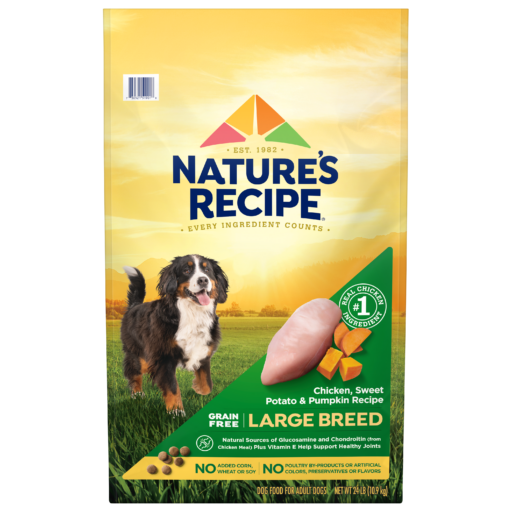
Credit: www.naturesrecipe.com
Frequently Asked Questions
What Should Be The First Ingredient In Good Dry Dog Food?
The first ingredient should be a named meat like chicken, beef, or lamb. This ensures the main protein source is high quality and easily digestible for dogs.
Is Grain-free Dry Dog Food Better For All Dogs?
No, grain-free is not better for every dog. Most dogs can digest grains like rice and oats. Only dogs with grain allergies or sensitivities need grain-free diets.
How Do I Know If My Dog’s Food Is Causing Allergies?
Common signs include itching, ear infections, and digestive upset. If you suspect food allergies, consult your vet. They may suggest a limited ingredient or hypoallergenic food.
How Much Dry Dog Food Should I Feed My Dog?
The amount depends on your dog’s age, weight, and activity level. Check the feeding guide on the package, but adjust based on your dog’s condition and appetite.
How Long Does Dry Dog Food Last After Opening?
Once opened, dry dog food lasts about 4-6 weeks if stored in a cool, dry place in an airtight container. Always check for spoilage and expiration dates.
Choosing a good dry dog food is one of the most important decisions for your pet’s health. Focus on quality ingredients, balanced nutrients, and food made for your dog’s life stage and size. Don’t fall for marketing tricks—read labels, compare options, and pay attention to how your dog responds.
With a little knowledge and care, you’ll give your dog the foundation for a long, happy life.
We’re the dedicated team behind MyPawSafe.com, with over a decade of combined experience in veterinary care, pet emergency response, and animal behavior. While we prefer to let our work speak for itself, our mission is clear: to provide science-backed, vet-approved advice that helps pet owners prevent accidents and save lives.