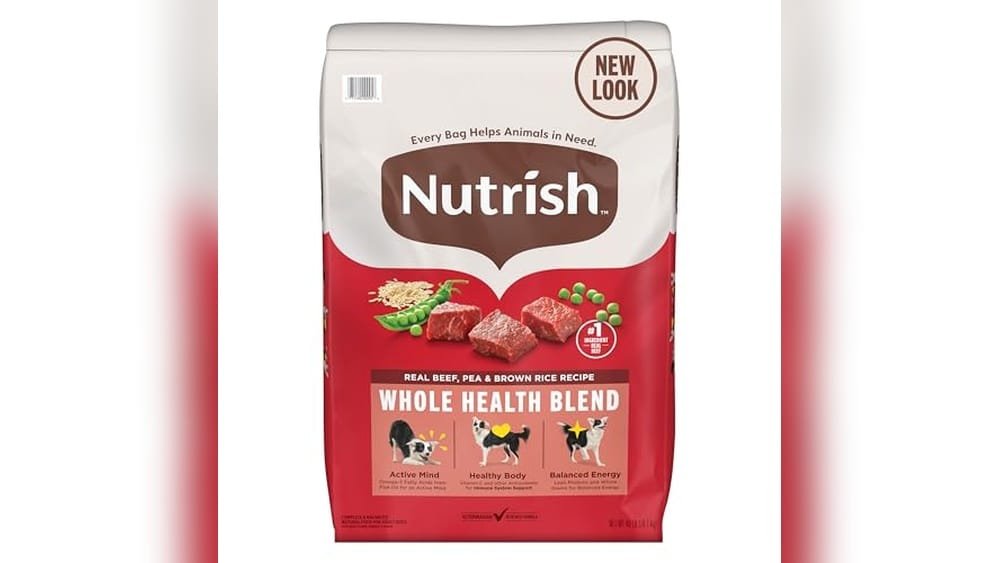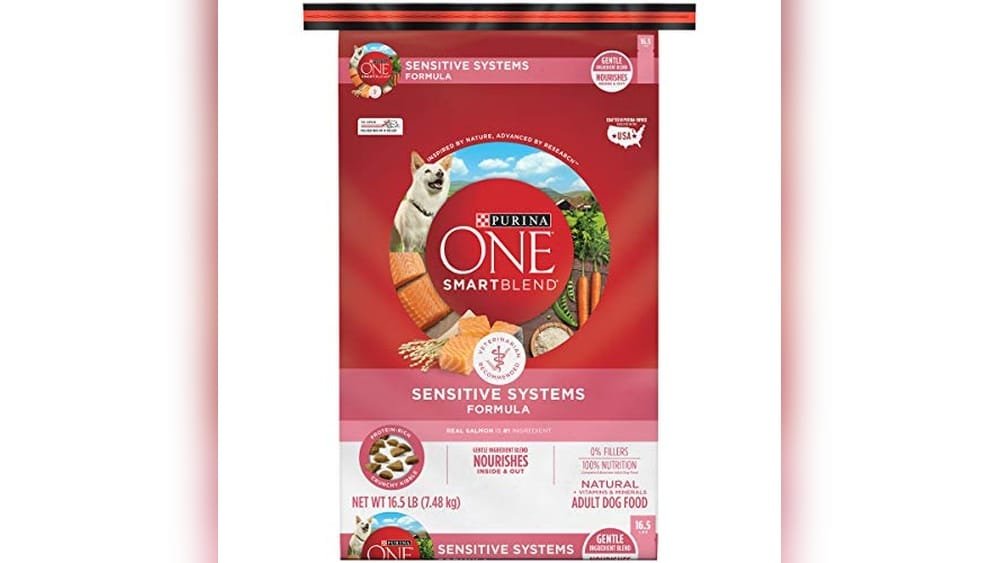
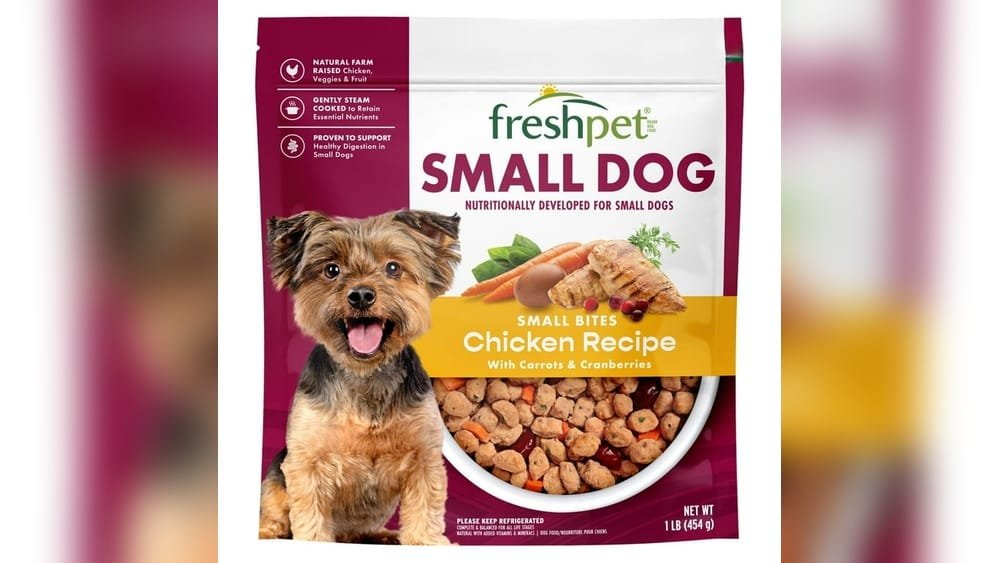
Choosing the right dry dog food for your small breed dog can feel overwhelming. With so many brands, ingredients, and promises on the packaging, it’s easy to get confused. But the food you choose matters—a lot. The right nutrition keeps your small dog healthy, energetic, and happy for years to come.
If you want to avoid common mistakes and make the best decision for your little companion, you’re in the right place.
Small breed dogs have unique nutritional needs. Their fast metabolisms, tiny stomachs, and specific health risks mean you can’t just grab any bag from the shelf. This guide explains everything you need to know, from reading ingredient lists to understanding your dog’s life stage.
You’ll learn what truly matters—and what’s just marketing. Let’s dig into how to choose dry dog food that helps your small breed thrive.
Why Small Breed Dogs Need Special Dry Food
Small breed dogs—think Chihuahuas, Toy Poodles, Miniature Schnauzers—are not just tiny versions of big dogs. Their bodies work differently. Because they burn calories faster and have smaller stomachs, they need food that’s energy-dense and easy to chew. Feeding them regular dog food can lead to problems like obesity, hypoglycemia, or dental issues.
Small dogs are also prone to specific health risks, such as dental disease and heart problems. The right dry dog food helps protect against these issues with tailored nutrients and kibble size. Some formulas even help keep teeth clean by scraping away plaque as your dog chews.
Many pet owners miss these differences. They buy food based on price or popularity, not realizing their small dog may not get enough nutrition or might struggle with large kibble. That’s why it’s essential to look for food designed specifically for small breeds.
Key Nutritional Needs For Small Breed Dogs
Before you shop, it’s important to know what nutrients your small dog really needs. Here are the essentials:
High Calorie Content
Small breeds have a fast metabolism. They burn through calories quickly, so their food must pack more energy into every bite. Look for foods with higher calorie density, usually between 350 to 450 kcal per cup. This helps keep your dog energized without overfeeding.
Protein Quality
Protein is vital for muscle maintenance and growth. Small breeds need at least 22% protein (as fed, not dry matter) for adults, and more for puppies. The source matters—look for named meats like chicken, beef, or fish as the first ingredient.
Healthy Fats
Fats provide concentrated energy and help with skin and coat health. Small breeds benefit from foods with 8-15% fat. Omega-3 and omega-6 fatty acids, often from fish oil or flaxseed, support a shiny coat and healthy skin.
Carbohydrates And Fiber
Quality carbohydrates like brown rice, barley, or sweet potato give steady energy. Fiber helps with digestion, but too much can lead to loose stools. Look for fiber content around 3-5%.
Essential Vitamins And Minerals
Small breed dry foods should include a full range of vitamins and minerals, like calcium for bones, zinc for skin, and antioxidants for immune support. Small breeds are especially sensitive to calcium and phosphorus levels, so balanced minerals are important.
Kibble Size And Texture
Don’t overlook kibble size. Small jaws and teeth need smaller, softer pieces. The right size helps your dog chew comfortably and reduces the risk of choking.
Non-obvious insight: Many owners forget that small dogs can be picky eaters. The taste and aroma of food matter. Some premium foods add natural flavor enhancers for this reason.
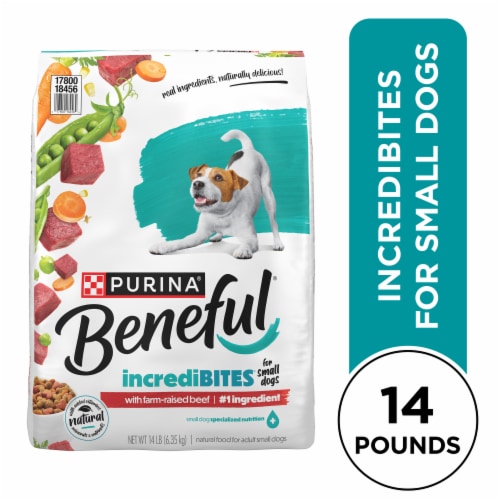
Credit: www.picknsave.com
How To Read A Dry Dog Food Label
Food labels can be confusing, but learning to read them is key to making a smart choice.
Ingredient List
Ingredients are listed by weight. The first few ingredients make up most of the food. Look for:
- Named animal proteins (chicken, lamb, salmon) as the first ingredient
- Whole grains or vegetables, not just fillers like corn or soy
- Limited artificial additives (colors, flavors, preservatives)
Guaranteed Analysis
This section shows minimum and maximum levels of protein, fat, fiber, and moisture. Compare these numbers to your dog’s needs. If it’s not clear, ask your vet for advice.
Life Stage Statement
Look for a statement like “Formulated to meet the nutritional levels established by the AAFCO Dog Food Nutrient Profiles for maintenance.” This means the food is complete and balanced for your dog’s age.
Feeding Guidelines
Every bag has a feeding chart. It’s a starting point, not a strict rule. Monitor your dog’s weight and adjust as needed.
Hidden fact: “Chicken meal” or “lamb meal” is a concentrated protein source—often better than fresh meat because it contains less water.
Understanding Ingredients: What Matters Most
Not all ingredients are equal. Here’s what to look for—and what to avoid.
Top Ingredients To Look For
- Named meat or fish: Chicken, beef, salmon, turkey. Avoid vague terms like “meat meal.”
- Whole grains: Brown rice, oatmeal, barley. These give energy and fiber.
- Vegetables and fruits: Sweet potato, carrots, blueberries—these add vitamins and antioxidants.
- Healthy oils: Fish oil, chicken fat, flaxseed oil. Good for skin and brain health.
- Chelated minerals: These are easier for your dog to absorb.
Ingredients To Avoid
- By-products: These can be low quality or unclear in source.
- Artificial colors or flavors: Not needed and may cause allergies.
- Excess fillers: Corn, wheat, or soy as main ingredients often mean lower nutrition.
- Sugar or salt: Not needed for dogs.
Practical tip: If your dog has allergies, look for “limited ingredient” foods with one protein and one carbohydrate source.
Comparing Top Dry Dog Food Brands For Small Breeds
With hundreds of options, how do popular brands stack up? Here’s a comparison of three leading small breed dry foods:
| Brand | Main Protein | Calories per Cup | Protein % | Kibble Size | Notable Feature |
|---|---|---|---|---|---|
| Blue Buffalo Life Protection Small Breed | Deboned Chicken | 397 kcal | 26% | Tiny, round | Includes LifeSource Bits (antioxidants) |
| Wellness CORE Grain-Free Small Breed | Turkey & Chicken Meal | 396 kcal | 36% | Extra small | High protein, grain-free |
| Royal Canin X-Small Adult | Chicken meal | 387 kcal | 24% | Very tiny, triangle | Special for tiny jaws |
Non-obvious insight: Grain-free does not always mean better. Some small dogs do well on grains unless they have allergies.
Life Stage: Puppy, Adult, Or Senior?
Small breed dogs have different needs at each life stage. Feeding the right formula is crucial.
Puppy
Puppies grow fast. They need more calories, protein, and minerals for healthy bones and muscles. Look for formulas labeled “puppy” or “growth,” with higher protein and fat. Small breed puppy food usually has 28-32% protein and 15-20% fat.
Adult
From 10-12 months until about 8 years, adult small breeds need food that maintains weight and muscle. Adult formulas balance calories and nutrients to prevent obesity, the most common health issue in small breeds.
Senior
After age 8-10, metabolism slows. Senior foods have fewer calories and more fiber for digestion, plus joint support ingredients like glucosamine and chondroitin.
| Life Stage | Calorie Needs | Protein % | Fat % | Special Ingredients |
|---|---|---|---|---|
| Puppy | High | 28-32% | 15-20% | DHA, Calcium |
| Adult | Moderate | 22-28% | 8-15% | Balanced minerals |
| Senior | Low | 18-22% | 7-12% | Glucosamine, Fiber |
Practical tip: Some senior dogs lose their appetite. Try warming the food slightly or adding a spoonful of wet food to boost aroma.
Special Health Considerations For Small Breeds
Certain small breeds are prone to health issues. The right dry food can help prevent or manage these problems.
Dental Health
Toy breeds often suffer from dental disease. Choose food with small, crunchy kibble that helps clean teeth. Some brands add sodium hexametaphosphate, which reduces tartar build-up.
Hypoglycemia
Very small dogs, especially puppies, are at risk for low blood sugar. Feed them several small meals a day and choose food with slow-release carbs like barley or oats.
Sensitive Stomachs
If your dog vomits often or has diarrhea, look for foods with limited ingredients and single protein sources. Avoid artificial additives.
Allergies
Common signs include itchy skin, ear infections, or licking paws. Try foods with novel proteins (like duck or fish) and grain-free formulas if you suspect allergies.
Weight Control
Obesity is a big risk for small breeds. Choose foods labeled “weight management” if your dog is prone to gain weight. These have fewer calories but still taste good.
Hidden fact: Many owners don’t realize that even a half-pound of extra weight can be a lot for a 10-pound dog. Monitor your dog’s body condition regularly.
How To Transition To A New Dry Food
Switching foods too fast can upset your dog’s stomach. Here’s how to do it safely:
- Start by mixing 25% new food with 75% old food for 2-3 days.
- Increase to 50% new and 50% old for another 2-3 days.
- Move to 75% new and 25% old for 2-3 days.
- Finally, feed 100% new food.
Watch for signs of upset: vomiting, diarrhea, or loss of appetite. If these happen, slow the transition.
Pro tip: Always provide fresh water, especially when feeding dry food.

Credit: www.picknsave.com
Cost Vs. Value: Is Expensive Always Better?
Price is important, but expensive does not always mean better. Focus on the ingredient list, guaranteed analysis, and your dog’s response. Sometimes, mid-priced foods offer just as much nutrition as luxury brands.
Here’s a quick cost and value comparison of popular small breed dry foods (average prices as of 2024):
| Brand | Avg. Price (5 lb bag) | Protein % | Main Protein | Special Feature |
|---|---|---|---|---|
| Hill’s Science Diet Small Paws | $15 | 20% | Chicken Meal | Veterinarian recommended |
| Nutro Ultra Small Breed | $18 | 27% | Chicken | Superfood blend |
| Wellness CORE Grain-Free | $25 | 36% | Turkey & Chicken Meal | High protein |
Practical insight: Some budget foods meet AAFCO standards but use more fillers. Check the first five ingredients for quality.
Common Mistakes When Choosing Small Breed Dry Dog Food
Many owners, even experienced ones, make errors when picking dry food for their small dogs. Avoid these pitfalls:
- Choosing by price or marketing alone: Fancy packaging doesn’t guarantee quality.
- Ignoring kibble size: Large pieces can cause choking or dental pain.
- Feeding large breed formulas: These lack the calorie density and nutrients small dogs need.
- Not considering life stage: Puppies and seniors need special nutrition.
- Skipping label reading: Always check ingredients, protein, and fat content.
- Changing food too quickly: This leads to digestive problems.
- Not adjusting portions: Overfeeding is easy with calorie-dense food.
- Missing signs of food allergies: Watch for skin, ear, or digestive issues.
Non-obvious insight: Even “natural” or “organic” foods can be unbalanced for small breeds. Always look for the AAFCO statement for complete and balanced nutrition.
How To Tell If You’ve Chosen The Right Food
After switching foods, observe your dog for a few weeks. Signs that you’ve made a good choice include:
- Steady energy and playful behavior
- Shiny, smooth coat
- Small, firm stools
- Healthy skin, no itching or flaking
- Stable body weight
If your dog shows signs like lethargy, frequent vomiting, diarrhea, or excessive scratching, reconsider your choice or consult your vet.
Tip: Keep a food diary when trying new brands. Note any changes in appetite, stool, or behavior.
When To Ask Your Veterinarian
Always involve your vet if your dog has health issues, allergies, or you’re unsure about food changes. Vets can recommend therapeutic diets for conditions like kidney disease, heart problems, or obesity.
If your dog is a puppy, senior, or has special health needs, ask your vet for a tailored feeding plan. They may suggest prescription foods or supplements if needed.
External resource: For more in-depth info on pet nutrition, see the World Small Animal Veterinary Association’s Nutrition Guidelines.

Credit: www.meijer.com
Frequently Asked Questions
What Is The Best Protein Source For Small Breed Dry Dog Food?
The best protein sources are named meats like chicken, turkey, beef, or fish. These are easier to digest and provide all the amino acids your dog needs. Avoid vague terms like “meat meal,” which can be low quality.
How Often Should I Feed My Small Breed Dog Dry Food?
Feed small breeds 2-3 times a day. Puppies and toy breeds may need 3-4 small meals to prevent low blood sugar. Follow the bag’s guidelines, but adjust based on your dog’s weight and activity.
Can Small Breed Dogs Eat Grain-free Dry Food?
Yes, but grain-free is not always necessary unless your dog has allergies. Some dogs do better with whole grains like brown rice or oatmeal. Always check for balanced nutrition and consult your vet about recent research linking grain-free diets to heart issues.
How Can I Tell If My Small Dog Is Overweight?
Check for a visible waist, ribs you can feel but not see, and an hourglass shape from above. Even a small weight gain can cause health problems in little dogs. Use your hands, not just your eyes, to judge.
Is Human Food Safe As A Dry Food Topper?
Some plain cooked meats or vegetables can be safe in small amounts, but avoid onions, garlic, grapes, and anything with added salt or spices. Too many toppers can unbalance your dog’s diet. Stick to dog-safe foods and consult your vet for advice.
Choosing the right dry dog food for your small breed is more than just picking a bag at random. By understanding their unique needs, reading labels carefully, and monitoring your dog’s health, you give your little friend the best chance at a long, happy life.
The effort pays off every time you see their energy, bright eyes, and wagging tail.

We’re the dedicated team behind MyPawSafe.com, with over a decade of combined experience in veterinary care, pet emergency response, and animal behavior. While we prefer to let our work speak for itself, our mission is clear: to provide science-backed, vet-approved advice that helps pet owners prevent accidents and save lives.