
Potty training your puppy can feel overwhelming, especially if you want results fast. Many new dog owners struggle with messy accidents, confusion about routines, and frustration when progress is slow. But with the right approach, you can help your puppy learn good habits quickly and confidently.
This guide gives clear, step-by-step advice so you can potty train your puppy fast, even if you’ve never done it before. You’ll discover practical methods, common mistakes to avoid, and real-world examples that make the process easier. Whether your puppy is a tiny Chihuahua or a big Labrador, these strategies work for all breeds.
Why Fast Potty Training Matters
Potty training is more than just keeping your floors clean. It helps your puppy feel secure, builds trust, and reduces stress for everyone in your home. Puppies learn fastest between 8 and 16 weeks old, so starting early gives you the best chance for quick success.
A well-trained puppy is happier and healthier. Fast potty training means fewer accidents, less confusion, and more time for play and bonding. According to the American Kennel Club, most puppies can be reliably trained in 2 to 4 weeks if the process is consistent and positive.
Preparing For Potty Training
Before you begin, it’s important to set up your home and gather supplies. Preparation makes training smoother and helps your puppy understand what you want.
Essential Supplies
You’ll need:
- Crate (just big enough for your puppy to turn around and lie down)
- Leash for supervised outings
- Potty pads (optional, for apartments or bad weather)
- Cleaning products (enzyme-based cleaners remove odors)
- Rewards (small treats or praise)
Having these items ready reduces stress and keeps the process organized.
Creating The Right Environment
Pick a designated potty area. For backyard training, choose a quiet spot. If you live in an apartment, use a balcony or a specific indoor spot with potty pads. Puppies learn faster when they always go in the same place.
Limit your puppy’s freedom at first. Use baby gates or keep your puppy in one room. This prevents accidents and helps you watch for signs they need to go.
Understanding Your Puppy’s Needs
Every puppy is different, but they all have basic needs. Knowing how puppies think helps you train them faster.
How Often Do Puppies Need To Go?
A simple rule is: Age in months + 1 = hours between potty breaks. For example, a 2-month-old puppy needs a break every 3 hours.
Most puppies need to go:
- After waking up
- After eating or drinking
- After playing
- Before bedtime
Some breeds, like Toy breeds, have small bladders and need more frequent breaks. Larger puppies may last longer, but don’t push it—accidents set back progress.
Signs Your Puppy Needs To Go
Look for these signs:
- Sniffing the floor
- Circling
- Whining
- Suddenly stopping play
React quickly. If you see these behaviors, take your puppy to their potty spot right away.
Step-by-step Potty Training Plan
Here’s a proven plan to potty train your puppy fast. Each step is clear and simple, so you always know what to do next.
Step 1: Set A Consistent Schedule
Consistency is key. Puppies thrive on routine. Feed your puppy at the same times every day, and take them out at regular intervals. Typical schedule for an 8-week-old puppy:
- 7: 00 AM: First potty break
- 7: 30 AM: Breakfast, then potty
- 9: 00 AM: Potty break
- 12: 00 PM: Lunch, then potty
- 3: 00 PM: Potty break
- 6: 00 PM: Dinner, then potty
- 8: 00 PM: Potty break
- 10: 00 PM: Last potty before bed
Adjust times for your puppy’s age and your routine.
Step 2: Use Crate Training
Crate training is one of the fastest ways to teach your puppy bladder control. Puppies are less likely to pee or poop where they sleep.
Introduce the crate gently. Make it comfortable with a blanket and a toy. Never use the crate for punishment. When you can’t supervise your puppy, put them in the crate. Take them out for potty breaks on schedule.
Pro tip: If your puppy has an accident in the crate, clean it thoroughly. Dogs are attracted to leftover scents.
Step 3: Supervise Closely
Supervision prevents accidents and helps you catch warning signs early. Keep your puppy in the same room as you. Use a leash indoors if needed.
If you can’t supervise, use the crate or a safe area with potty pads. The more you watch your puppy, the faster they learn.
Step 4: Take Your Puppy To The Same Spot
Always bring your puppy to the same potty area. This creates a strong association. Puppies rely on scent and routine. If you use an outdoor spot, walk your puppy there every time. If you use potty pads, keep them in the same place.
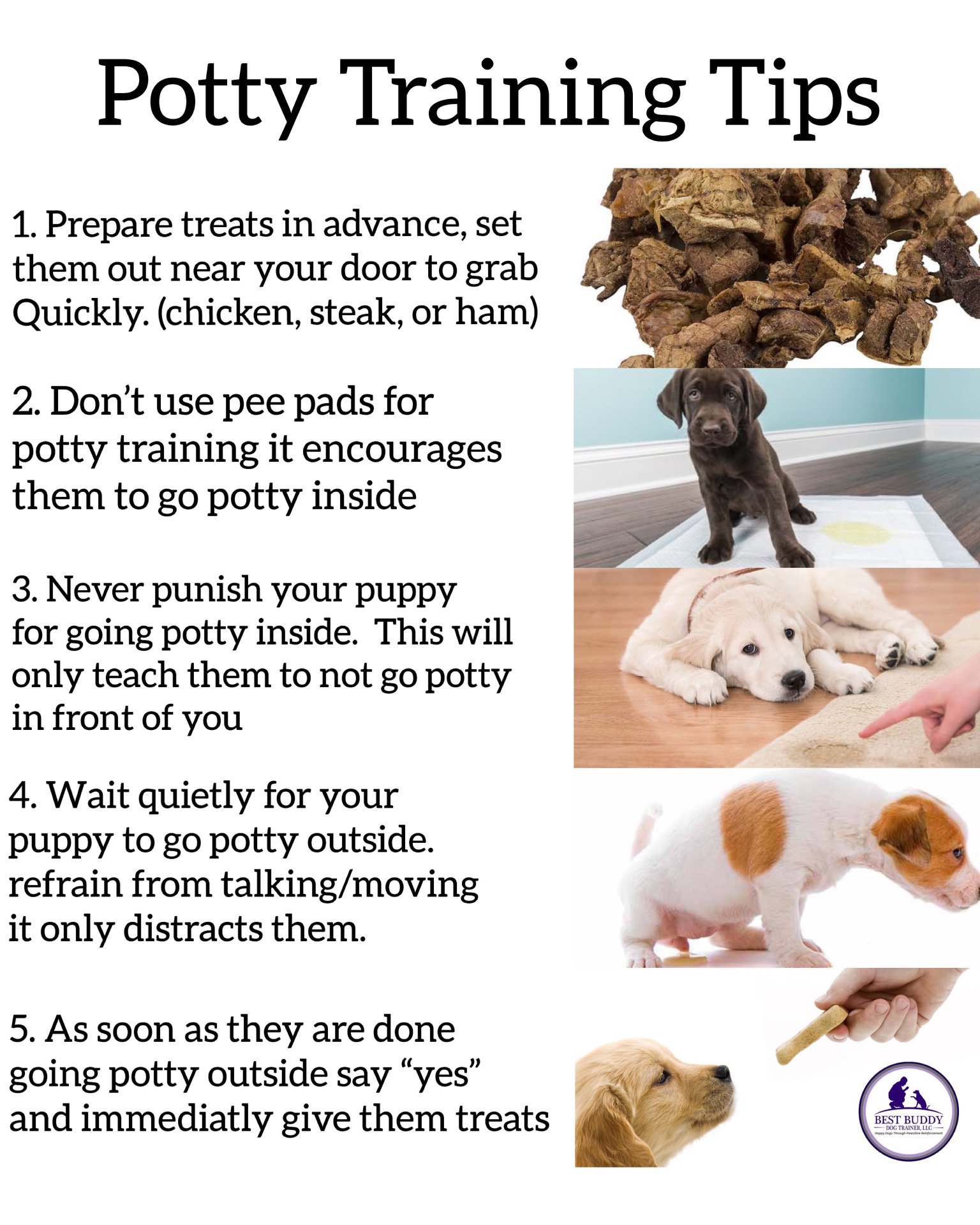
Wait quietly until your puppy goes. Don’t play or distract them. Some puppies need a few minutes to relax.
Step 5: Reward Immediately
Timing is everything. Give your puppy a treat or praise right after they finish. Waiting too long confuses them. Use small treats that don’t upset their stomach.
Real example: One owner trained their puppy in just 12 days by saying “Good potty!” each time and giving a tiny piece of chicken.
Step 6: Handle Accidents Calmly
Accidents happen. Don’t punish your puppy—this causes fear and delays training. If you catch your puppy in the act, say “No” calmly and take them to their potty spot.
Clean accidents with an enzyme cleaner. This removes odor so your puppy doesn’t think it’s okay to go there again.
Step 7: Gradually Increase Freedom
When your puppy has stayed clean for several days, allow more freedom. Open up more rooms or let them play longer outside the crate. If accidents return, reduce freedom and go back to close supervision.
Common Mistakes To Avoid
Many owners make mistakes that slow down training. Here’s what to watch for:
- Inconsistent schedule: Changing times confuses puppies.
- Punishing accidents: Scolding causes fear and hiding.
- Not cleaning properly: Regular cleaners leave odor behind.
- Giving too much freedom: Puppies need boundaries until trained.
- Missing early warning signs: Ignoring sniffing or circling leads to accidents.
Avoid these mistakes for faster results.
How Long Does Potty Training Take?
Most puppies learn basic potty habits in 2 to 4 weeks if you follow a consistent plan. Some small breeds or rescues may take longer. Here’s a quick comparison:
| Breed Size | Average Training Time | Common Challenges |
|---|---|---|
| Toy breeds | 3-5 weeks | Small bladders, frequent breaks |
| Medium breeds | 2-4 weeks | Need consistent routine |
| Large breeds | 2-3 weeks | Can hold longer, but stubbornness |
Remember, every puppy is unique. Some learn in days, others need more time.
Potty Training For Different Living Situations
Training methods vary by your home and lifestyle. Here’s how to adapt:
Apartment Living
If you live in an apartment, outdoor breaks may be harder. Use potty pads or a balcony. Set a clear routine for walks. Take your puppy out immediately after meals and naps.
Houses With Yards
Use the yard as a potty spot. Fence off an area if possible. Let your puppy explore but always lead them to the same spot. Avoid letting them wander until they finish.
Busy Schedules
If you work long hours, hire a dog walker or ask a neighbor for help. Puppies can’t hold it all day. Consistent breaks speed up training.
Nighttime Potty Training
Nighttime is tricky for new puppies. Most need a break every 3-4 hours at night. Here’s how to manage:
- Put your puppy in the crate near your bed.
- Set an alarm for one nighttime potty break.
- Take your puppy straight to the potty spot, then back to bed.
- Avoid play or excitement—keep it calm.
As your puppy grows, they can last longer. By 16 weeks, most can sleep through the night.

Credit: www.infinibandta.org
Potty Training With Pads Vs. Outdoors
Some owners use potty pads, while others prefer outdoor training. Each method has pros and cons.
| Method | Pros | Cons |
|---|---|---|
| Pads | Good for apartments, bad weather, easy cleanup | Puppies may confuse pads with rugs, harder to transition to outdoors |
| Outdoors | Clear habit, less odor, easier for long-term training | Requires frequent trips outside, harder in winter |
If you start with pads, move them closer to the door over time, then transition outside.
Troubleshooting: What If Progress Is Slow?
Sometimes, potty training stalls. Here’s what to do:
- Review your schedule. Are you missing breaks?
- Check cleaning products. Are odors lingering?
- Watch for health issues. Frequent accidents may mean a medical problem.
- Go back to basics. Use the crate, supervise closely, and reward every success.
Real insight: Some puppies regress during teething or stress (like moving homes). Stay patient and positive.

Credit: www.youtube.com
Real-world Success Stories
Hearing from others helps you see what’s possible. Here are two real examples:
- Emma, 3-month-old Golden Retriever: Her owner followed a strict schedule and used crate training. Emma learned in 18 days. The owner says, “Treats and praise right after potty made all the difference.”
- Max, 10-week-old Chihuahua: Max’s owner used potty pads in an apartment. At first, Max confused the pads with the rug. The owner moved the pads closer to the balcony, then transitioned outside. Max was reliably trained in 4 weeks.
Non-obvious insight: Puppies sometimes “fake” going to get a treat. If your puppy does this, only reward them for real potty.
Helpful Data: Potty Training Success Rates
Studies show that puppies trained with positive reinforcement learn faster. According to a survey by the American Pet Products Association, 78% of owners saw success within 4 weeks using crate training and rewards.
Here’s a quick data table:
| Training Method | Success Rate (4 weeks) |
|---|---|
| Crate & reward | 78% |
| Pads only | 52% |
| No routine | 29% |
Having a clear routine and using rewards increases your chances of fast success.
Credit: www.dorpskerkeelde.nl
Potty Training For Multiple Puppies
If you have more than one puppy, train them separately at first. Puppies distract each other and may copy mistakes. Use separate crates and take them out one at a time. Once they’re reliable, let them share potty breaks.
Tip: Don’t reward one puppy for the other’s success. This causes confusion.
Puppy Health And Potty Training
Sometimes accidents are caused by health issues. If your puppy has frequent accidents despite training, check for:
- Urinary tract infections
- Digestive problems
- Parasites
If in doubt, see your vet. Healthy puppies learn faster and have fewer accidents.
Advanced Tips For Fast Potty Training
- Keep a potty journal: Write down times and accidents. Patterns help you adjust the schedule.
- Use a cue word: Say “Go potty” each time. Puppies learn to associate the phrase with the action.
- Limit water before bed: Remove the water bowl an hour before bedtime (unless it’s hot or your puppy needs extra hydration).
- Reward with praise, not just treats: Some puppies respond better to enthusiastic praise.
- Stay calm during setbacks: Puppies sense your mood. Calm, positive energy speeds up learning.
Potty Training Older Puppies And Rescues
Older puppies and rescued dogs may need a different approach. They often have bad habits or anxiety.
- Start with close supervision and crate training.
- Use treats and praise, but be patient.
- Expect progress to be slower at first.
- Watch for signs of stress—move at your puppy’s pace.
Example: A rescued 6-month-old dog may take 4-6 weeks to retrain. Consistency is still the key.
Resources For More Help
If you need extra support, look for:
- Puppy classes (many trainers offer potty training help)
- Online forums (such as Reddit’s r/puppy101)
- Veterinary advice
You can also read trusted guides like this one from the American Kennel Club.
Frequently Asked Questions
How Do I Stop My Puppy From Peeing In The House?
Take your puppy outside frequently. Supervise closely and reward them for going in the right spot. Clean accidents thoroughly. If accidents continue, limit your puppy’s freedom and use the crate.
What Age Should Potty Training Start?
Start potty training at 8 weeks old or as soon as you bring your puppy home. The earlier you begin, the easier the process.
Can I Potty Train My Puppy Without A Crate?
Yes, but it’s harder. Use baby gates to limit space. Watch your puppy every minute and take them out frequently. Crates help puppies learn faster because they avoid soiling their sleeping area.
Why Is My Puppy Still Having Accidents After Weeks Of Training?
Check your routine. Are you missing breaks? Is your puppy distracted or stressed? Some puppies need more time. If accidents continue, see your vet to rule out health issues.
Should I Use Potty Pads Or Train Outdoors?
If you live in an apartment, pads can help. For houses, outdoor training is best. Pads are convenient but harder to transition away from. Decide based on your lifestyle and your puppy’s needs.
Potty training a puppy fast takes patience, consistency, and a positive attitude. With these steps, you’ll enjoy a cleaner home, a happier puppy, and a stronger bond. Remember, every puppy learns at their own pace. Celebrate small wins and keep your routine strong.
Your efforts will pay off with a well-trained, confident dog.
We’re the dedicated team behind MyPawSafe.com, with over a decade of combined experience in veterinary care, pet emergency response, and animal behavior. While we prefer to let our work speak for itself, our mission is clear: to provide science-backed, vet-approved advice that helps pet owners prevent accidents and save lives.