
Dogs love to dig. For some owners, this is charming. For others, it’s a headache—holes in the yard, destroyed flower beds, and muddy paws everywhere. If you’re frustrated by your dog’s digging, you’re not alone. Many dog owners face this problem, but most don’t know why it happens or how to stop it.
This article will guide you through clear, practical steps to control digging behavior. With patience and the right strategies, you can help your dog find healthier ways to stay busy and protect your yard.
Why Dogs Dig
Understanding why your dog digs is the first step. Digging is natural for dogs, but the reasons vary. Here are the main causes:
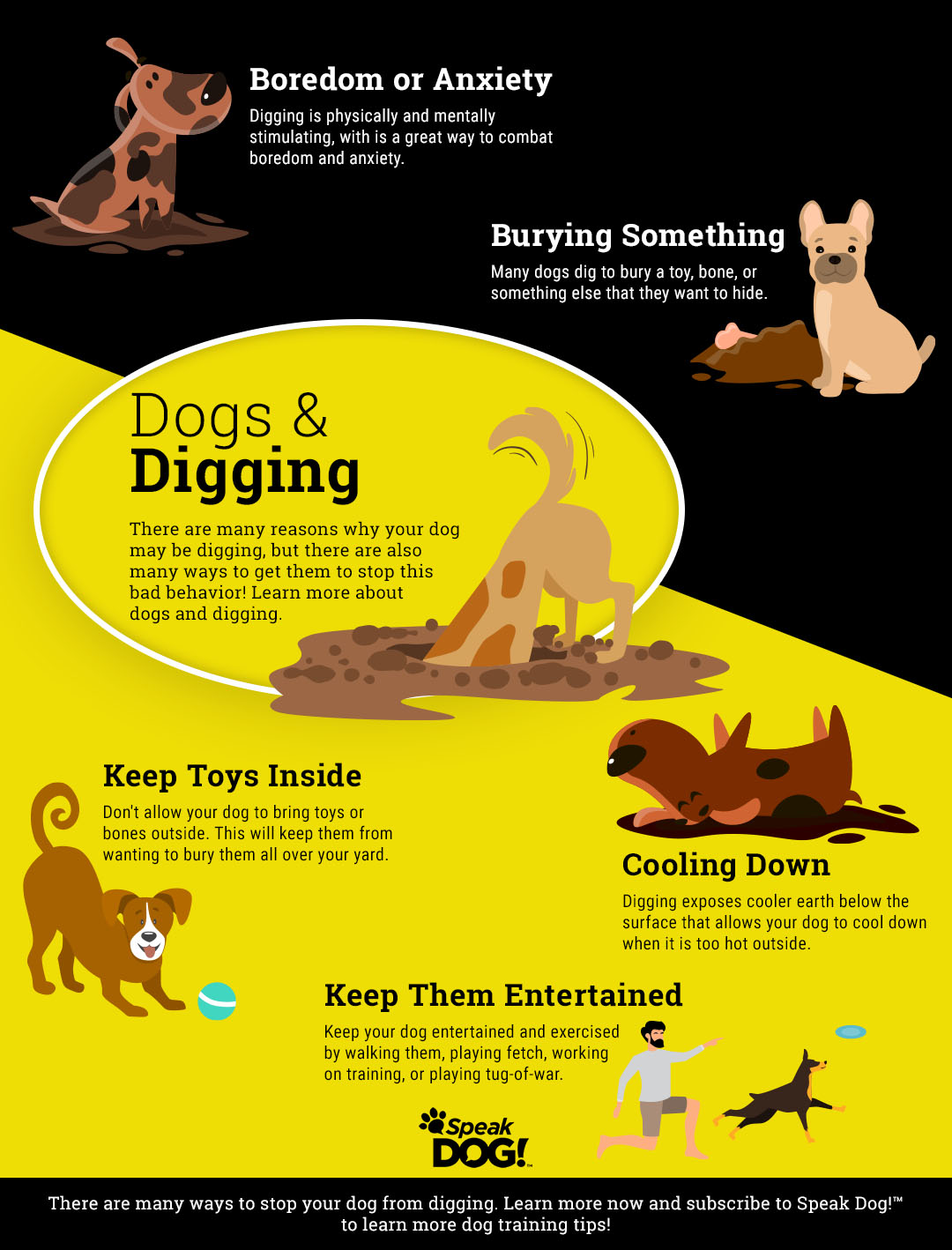
- Boredom: Dogs left alone in the yard often dig to entertain themselves. When a dog doesn’t have enough mental or physical stimulation, they search for ways to pass the time, and digging is an easy choice.
- Instinct: Some breeds, like terriers, are born diggers. They were bred to hunt underground animals, so their urge to dig is hardwired. Even if there’s nothing to hunt in your yard, their instincts can drive them to dig.
- Comfort: Dogs dig to create a cool or warm spot to lie down. In hot weather, they may dig to reach cooler soil, and in colder weather, they may dig to create a cozy nest.
- Hunting: If your yard has moles, insects, or other animals, your dog may dig to catch them. Dogs with a strong prey drive can be very focused and persistent about digging in areas where they sense movement underground.
- Attention-seeking: Dogs may dig if they know it gets a reaction from you. If you rush outside every time your dog digs, they may see it as a way to get your attention, even if you’re upset.
- Escape: Some dogs dig along fences to get out of the yard. This can be motivated by curiosity, the desire to chase something, or to find a mate.
- Anxiety or stress: Digging can be a coping mechanism for nervous dogs. It helps them relieve stress, especially if they feel alone or overwhelmed.
Recognizing the cause in your dog will help you pick the right solution. For example, a bored dog needs more activity, while an anxious dog needs comfort. Sometimes, dogs dig for more than one reason, so observe their behavior closely to understand what triggers their digging.
Breed And Digging Tendencies
Certain breeds are more likely to dig. Knowing your dog’s breed can help you predict digging behavior. Here’s a comparison table showing common breeds and their digging tendencies:
| Breed | Digging Tendency | Reason |
|---|---|---|
| Jack Russell Terrier | Very High | Hunting instinct |
| Labrador Retriever | Medium | Boredom/Curiosity |
| Beagle | High | Scent hunting |
| German Shepherd | Low | Protective behavior |
| Golden Retriever | Medium | Playful nature |
| Dachshund | Very High | Bred to dig for badgers |
| Border Collie | Low | Herding focus |
If you have a breed with a high digging tendency, you’ll need to work harder on prevention, but success is possible. For example, terriers and Dachshunds are often drawn to digging, even as puppies. With these breeds, providing outlets for their digging urge—like a designated dig area—can make your life much easier.
Assessing Your Dog’s Digging Patterns
Before you try to stop digging, observe when, where, and how your dog digs. Here are some key things to notice:
- Location: Are the holes near fences, in flower beds, or random spots? Dogs digging along fences may be trying to escape, while digging in garden beds could be about comfort or hunting.
- Time of day: Does your dog dig more in the morning, afternoon, or when alone? Some dogs dig when they have the most energy, while others dig when they feel bored and unsupervised.
- Triggers: Is digging linked to certain noises, visitors, or animals in your yard? For example, loud noises or the presence of squirrels can trigger digging.
- Frequency: Is digging occasional or constant? A dog that digs once a week is different from one that digs every day.
Keep a simple log for a week. Write down when and where you find new holes. This helps you spot patterns and choose the best solution. If you notice your dog digs after a specific event, such as when you leave for work or after playing outside, you can tailor your approach.
Some owners find that taking photos of holes and noting the weather or activities before digging helps track triggers.
Common Mistakes Owners Make
Many owners try to stop digging but make mistakes that actually encourage it. Here are some common errors:
- Punishing after the fact: Dogs don’t connect past actions with punishment. Scolding later doesn’t work. If you punish after the digging, your dog may feel confused or anxious, but not learn the lesson.
- Leaving dogs alone too long: Bored dogs dig. If your dog spends hours outside alone, digging will increase. Dogs need companionship and stimulation, not just space.
- Ignoring breed tendencies: Some dogs need special strategies. Treating every dog the same leads to frustration.
- Not providing alternatives: If you simply block digging, your dog will find another “bad” habit. Dogs need an outlet for their energy and instincts.
- Using harsh deterrents: Chemicals or sharp objects in the soil can harm your dog. This can cause injury or make your yard unsafe for pets and children.
Focus on positive solutions rather than punishment. Dogs respond best to clear guidance and healthy outlets for their energy. A common overlooked mistake is inconsistency—sometimes allowing digging and other times punishing it. Dogs need clear, predictable rules.
Step-by-step Strategies To Stop Digging
Let’s break down the most effective ways to stop your dog from digging. You may need to combine several methods for best results.
1. Increase Physical And Mental Activity
Dogs dig when bored, so adding exercise and mental challenges can reduce digging. Try these:
- Walks: Aim for at least 30–60 minutes daily. Mix up the route for variety. New sights and smells keep dogs mentally stimulated.
- Playtime: Tug-of-war, fetch, or frisbee in the yard. Interactive play helps burn energy and strengthen your bond.
- Training sessions: Teach new commands or tricks for mental engagement. Simple commands like “sit,” “stay,” and “roll over” can keep your dog’s mind busy.
- Puzzle toys: Toys that hide treats encourage problem-solving. These are especially useful if you need to leave your dog alone for short periods.
A tired dog is less likely to dig. If your schedule is busy, consider hiring a dog walker or using daycare. Some owners also use agility equipment in their yard, such as tunnels or jumps, which offer both physical and mental stimulation.
2. Provide Designated Digging Areas
If your dog loves digging, give them a spot where digging is allowed. This is especially helpful for breeds with strong digging instincts.
- Choose a corner of your yard.
- Loosen the soil and mix in sand.
- Bury safe toys or treats for your dog to find.
- Encourage your dog to dig there and reward them.
Redirect your dog to this spot when you catch them digging elsewhere. With patience, most dogs learn to use their new “dig box. ” You can also add a wooden frame or sandbox to make the area more appealing. For extra motivation, bury scented items or favorite toys in the dig box.
3. Block Access To Vulnerable Areas
Protect your flower beds, vegetable gardens, or fence lines with barriers:
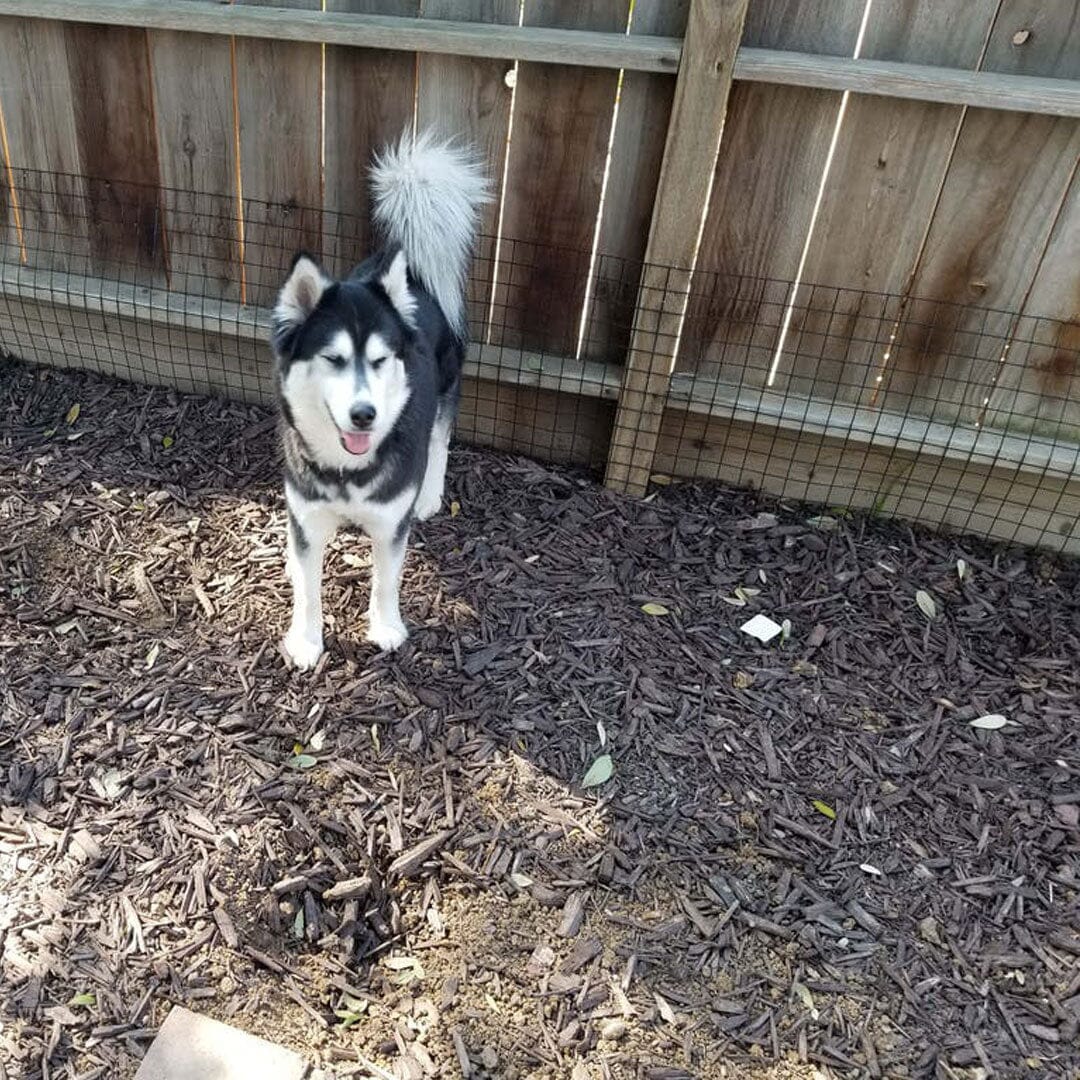
- Use chicken wire under the soil. Place it about six inches below the surface so your dog won’t see it, but will feel resistance when digging.
- Place large rocks or bricks along the fence base. This prevents dogs from starting a hole right at the edge.
- Install garden edging or raised beds. Raised beds make it harder for dogs to reach the soil.
Here’s a comparison table for popular barrier options:
| Barrier Type | Effectiveness | Cost | Ease of Installation |
|---|---|---|---|
| Chicken Wire | High | Low | Moderate |
| Rocks/Bricks | Medium | Medium | Easy |
| Garden Edging | Medium | Low | Easy |
| Raised Beds | High | High | Moderate |
Barriers are most useful for protecting areas where you don’t want any digging. For extra protection, combine two methods, such as chicken wire and garden edging. Some owners also use landscape fabric under mulch, which makes digging less rewarding.
4. Address Comfort Digging
Dogs dig to create comfortable spots—either to cool down or warm up. If you notice your dog lying in holes after digging:
- Provide shaded areas with soft bedding in hot weather. Dogs are more likely to seek cool spots on sunny days.
- Offer insulated shelters in cold weather. A dog house with straw or blankets can help.
- Keep your dog indoors during extreme temperatures. If your dog must be outside, check for overheating or shivering.
If your dog is seeking comfort, make their environment more appealing so they don’t need to dig. Some owners use cooling mats in summer or heated beds in winter.
5. Remove Animal Triggers
If your dog digs to hunt, check your yard for moles, insects, or rodents. Signs include tunnels, droppings, or chewed plants.
- Use humane pest control to remove animals. Avoid poisons, which can harm pets.
- Fill in holes and tunnels quickly. This removes the scent trail and reduces temptation.
- Supervise your dog until pests are gone. If hunting is a strong instinct, keep your dog on a leash or limit access to problem areas.
Dogs with strong hunting instincts may need extra supervision in pest-prone yards. Some owners use scent deterrents to discourage digging in areas with pest activity.
6. Prevent Escape Digging
Some dogs dig along fences to escape. This is dangerous and needs quick action:
- Reinforce the fence base with buried chicken wire. Extend it outward underground so dogs can’t push under the fence.
- Extend fencing below ground level. Bury the fence at least a foot deep if possible.
- Never leave escape-prone dogs unattended. Supervision is key until you solve the problem.
If your dog escapes often, consult a trainer for help. For added safety, check for gaps or weak spots in the fence regularly.
7. Reduce Anxiety And Stress
Digging can be a sign of stress or separation anxiety. Signs include whining, pacing, or destructive behavior.
- Spend more time with your dog. Play, walks, and cuddling help reduce stress.
- Use calming products (pheromone sprays, anxiety wraps). These are available at pet stores and may help some dogs feel more secure.
- Consider professional training for severe cases. Trainers can teach coping skills and help you address deeper anxiety.
A calm, secure dog is less likely to dig out of anxiety. Some owners also play calming music or leave a piece of clothing with their scent for comfort.
8. Avoid Negative Reinforcement
Harsh punishments or deterrents rarely work. Instead, focus on positive reinforcement:
- Reward your dog when they dig in the correct area.
- Ignore digging in unwanted spots (unless dangerous).
- Redirect your dog gently when you catch them digging.
Dogs learn best from clear, consistent guidance. If you use negative reinforcement, your dog may become fearful or anxious, which can lead to more unwanted behavior.
Practical Tips For Everyday Success
Stopping digging isn’t a one-time fix. Here are some practical tips to keep your yard safe:
- Supervise your dog outside, especially during early training. This prevents accidents and lets you redirect behavior quickly.
- Rotate toys to keep your dog interested. New toys or treats can break boredom.
- Fill old holes quickly to discourage digging in the same spot. Dogs are attracted to places they have dug before.
- Use scents dogs dislike (citrus peels, vinegar) in problem areas, but test for sensitivity. Some dogs avoid these scents, but others may ignore them.
- Keep your yard clean and pest-free. Remove debris, fallen fruit, and waste to reduce animal activity and temptation.
These tips build good habits and prevent digging from becoming a daily problem. For best results, combine practical tips with training and environmental changes.
Training Techniques For Persistent Diggers
Some dogs are stubborn. If basic steps don’t work, try targeted training.
Redirecting Behavior
Every time you see your dog digging, calmly lead them to the designated dig area or offer a toy. Use a command like “leave it” or “no dig. ” When your dog follows your lead, reward them with praise or treats.
Consistency Is Key
Training takes time. Be consistent—don’t let your dog dig sometimes and punish them other times. Everyone in your household must follow the same rules. Inconsistent signals confuse your dog and slow progress.
Using Commands
Teach your dog simple commands related to digging:
- “Leave it”: Stop digging or leave the area.
- “Go dig”: Use the designated digging zone.
Practice these commands daily. Use treats and positive reinforcement. For best results, use short training sessions and avoid overwhelming your dog.
Professional Help
If your dog’s digging is extreme, or you can’t control it, seek help from a certified dog trainer. Trainers use advanced techniques and can spot deeper issues, like anxiety or compulsive behavior. Some trainers offer group classes focused on behavior modification.
Environmental Enrichment: Keeping Your Dog Busy
Dogs need more than a backyard. Enrich their life to prevent boredom:
- Set up obstacle courses. Use cones, tunnels, and jumps for physical and mental challenge.
- Hide treats for your dog to find. This keeps your dog busy and satisfies their hunting instincts.
- Change play routines often. Switch games or locations to keep things interesting.
- Invite other dogs for supervised playdates. Social play can burn energy and reduce stress.
Here’s a comparison table of enrichment activities and their impact:
| Activity | Physical Exercise | Mental Stimulation | Digging Reduction |
|---|---|---|---|
| Fetch | High | Low | Moderate |
| Puzzle Toys | Low | High | High |
| Obstacle Course | High | High | High |
| Playdates | High | Moderate | Moderate |
| Hide-and-seek | Moderate | High | High |
Mix different activities to keep your dog stimulated and less interested in digging. Remember, dogs enjoy novelty. Try changing toys or activities every few days.
Dealing With Digging In Apartments Or Indoors
Dogs can dig indoors—on carpets, couches, or bedding. While less destructive than yard digging, it’s annoying. Here’s what to do:
- Provide thick bedding or blankets for digging. Some dogs like to “nest” before sleeping.
- Use puzzle toys to distract your dog. Mental stimulation can reduce unwanted digging.
- Keep your dog’s nails trimmed to prevent damage. Long nails can tear fabric or carpets more easily.
If indoor digging is linked to anxiety, address the root cause. Some owners use crate training or provide a safe space for their dog to relax.
Two Insights Most Owners Miss
- Digging can signal health issues. Sometimes, dogs dig because they’re uncomfortable or have a medical problem—such as skin irritation, parasites, or pain. If digging is sudden and intense, see a vet. For example, a dog with itchy skin may dig to relieve discomfort, or a dog in pain may dig as a distraction.
- Change in environment can trigger digging. Moving homes, new pets, or changes in routine can make dogs dig more. Watch for digging after big changes and offer extra comfort or activity. Even small changes, like new landscaping or construction, can stress your dog and trigger digging.
Credit: www.dogproofer.com
Real-life Examples
Case Study: Bella The Beagle
Bella, a two-year-old Beagle, started digging up the garden after her owners moved to a new house. The new yard had more scents and animals. Her owners tried scolding, but it didn’t work. After reading about breed tendencies, they added a dig box and puzzle toys.
Bella started using the dig box and digging dropped by 80% within a month. To keep her interested, her owners changed the toys and buried treats weekly.
Case Study: Max The Jack Russell
Max, a Jack Russell Terrier, dug constantly, even after exercise. His owners gave him more playtime, but it wasn’t enough. A trainer suggested burying toys in a sandpit and teaching “leave it. ” Max responded well, but his owners had to stay consistent.
After two months, Max dug only in his sandpit. They also added agility equipment to keep him busy, which further reduced unwanted digging.
When Digging May Be Acceptable
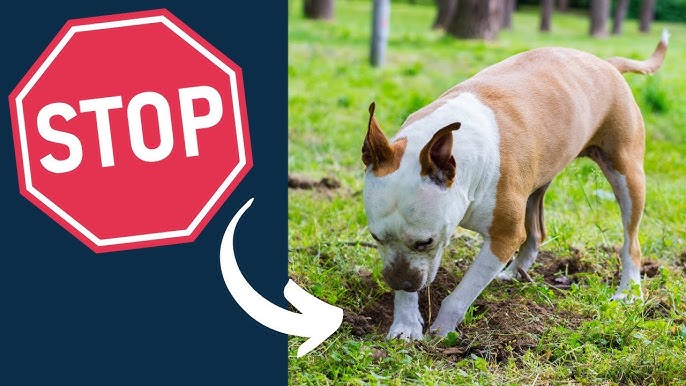
Sometimes, digging isn’t harmful. If your dog digs only in a safe area, and you don’t mind, allow it. Digging can relieve stress and keep dogs happy. Just be sure it isn’t linked to escape or destruction. For some dogs, digging is a way to self-soothe.
Providing a designated area can satisfy this need without causing problems.
Credit: www.youtube.com
How Long Does It Take To Stop Digging?
Results depend on your dog’s breed, age, and habits. Most owners see improvement in 2–4 weeks with consistent effort. For stubborn dogs, it may take longer. Be patient and stick with your plan. Progress can be slow at first, but small changes add up.
Celebrate each success, and adjust your strategy if needed.
Scientific Perspective
Research from the American Society for the Prevention of Cruelty to Animals (ASPCA) shows digging is a natural behavior in dogs. Studies suggest that enrichment, training, and supervision are most effective. Punishment rarely works and can increase anxiety. Humane solutions help both the dog and owner.
For more detailed scientific information, see ASPCA Dog Digging Guide.
Credit: speakdog.com
Frequently Asked Questions
Why Does My Dog Dig Only When I’m Not Home?
Dogs often dig out of boredom or separation anxiety when alone. Try increasing activity before you leave and provide engaging toys to keep your dog occupied. Some owners play calming music or leave interactive toys for their dog to use while away.
Can I Use Sprays Or Chemicals To Stop Digging?
Avoid harsh chemicals. Some sprays, like dog-safe citrus or vinegar, can deter digging, but always check for sensitivity. Never use products that could harm your dog or other animals. If you use sprays, apply them in small amounts and monitor your dog’s reaction.
Is Digging A Sign Of A Behavioral Problem?
Digging is normal, but excessive digging can signal stress, anxiety, or lack of exercise. If digging is constant and destructive, review your dog’s environment and routines, and consult a trainer if needed. Sometimes, underlying medical issues can also contribute.
What If My Dog Digs In The Same Spot Every Time?
Dogs return to spots that smell familiar or are comfortable. Fill holes quickly, clean the area, and use barriers or scents to prevent repeat digging. Offer a designated digging zone to redirect your dog. If the spot is near a fence, reinforce the base to prevent escape.
Will Neutering Or Spaying Stop Digging?
Neutering or spaying may reduce digging linked to escape or mating behavior, but it won’t stop digging caused by boredom, instinct, or hunting. Focus on activity, training, and environmental changes for best results. Always combine medical solutions with behavior modification.
Stopping a dog from digging takes patience, consistency, and understanding. Remember, digging is part of your dog’s nature, but you can guide them toward healthier habits. By combining activity, training, and environmental changes, most owners see big improvements. Don’t expect instant results—small changes add up over time.
With the right approach, you’ll protect your yard and help your dog feel happy and secure.

We’re the dedicated team behind MyPawSafe.com, with over a decade of combined experience in veterinary care, pet emergency response, and animal behavior. While we prefer to let our work speak for itself, our mission is clear: to provide science-backed, vet-approved advice that helps pet owners prevent accidents and save lives.