Dogs do many strange things, but one of the most troubling for owners is when they eat poop. This behavior, called coprophagia, can be both disgusting and worrying. Maybe you just caught your puppy munching on his own waste, or your older dog keeps seeking out cat litter.
It’s frustrating—and you want to stop it now. The good news? You can help your dog break this habit using the right knowledge, consistency, and patience.
This guide explains why dogs eat poop, what you can do about it, and how to prevent it from coming back. You’ll find practical steps, real examples, and expert-backed advice. Whether you’re a new dog parent or have lived with dogs for years, you’ll learn how to create a cleaner, healthier, and happier environment for your pet.
Why Do Dogs Eat Poop? Understanding The Root Causes
Before you can solve the problem, you need to know why it happens. Dogs don’t eat poop just to upset you. There are several reasons behind this behavior, and understanding them is the first step toward stopping it.
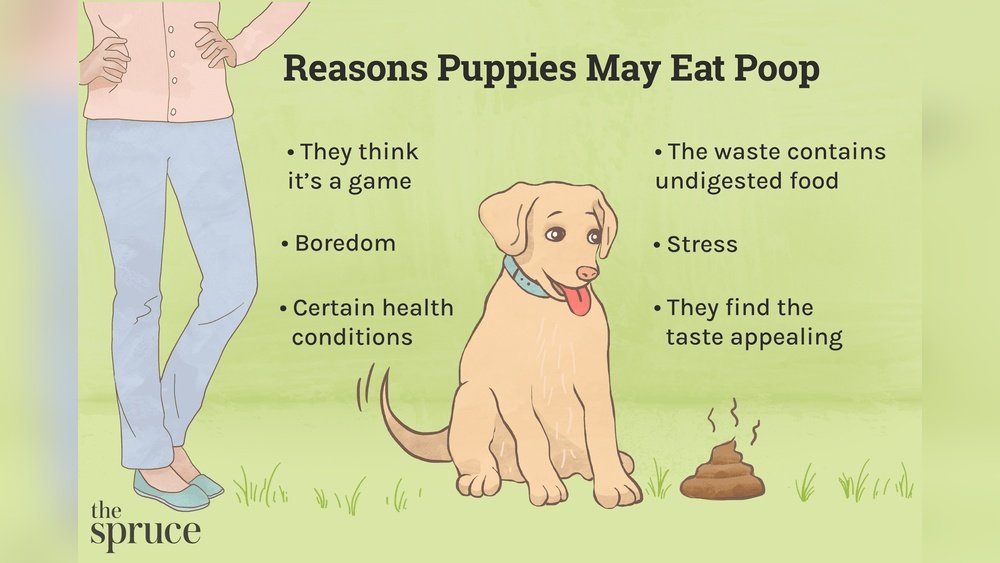
Common Reasons For Coprophagia
1. Nutritional Deficiency
Dogs may eat poop if their diet is missing key nutrients. For example, a lack of vitamin B, digestive enzymes, or minerals can make them seek out waste as a supplement.
2. Poor Digestion
Sometimes, food isn’t fully digested. The stool then smells and tastes like food, making it more tempting to your dog.
3. Instinctual Behavior
Mother dogs lick and eat their puppies’ waste to keep the den clean. Puppies copy this and sometimes don’t stop as they grow.
4. Attention-seeking
Dogs notice when you react strongly. If eating poop gets your attention, they may repeat the behavior.
5. Boredom Or Stress
Dogs left alone for long periods or those with little stimulation may eat poop out of boredom, anxiety, or stress.
6. Medical Conditions
Some diseases, such as diabetes, parasites, or malabsorption, can make dogs eat poop. Medication side effects can also play a role.
7. Environmental Factors
Crowded kennels or dirty environments can increase the chances of dogs eating feces.
Is It Dangerous?
Ingesting poop can lead to parasites, bacterial infections, and unpleasant breath. While it’s not always life-threatening, it can cause health problems. That’s why stopping this habit is important for both your dog’s health and your peace of mind.
How To Stop A Dog From Eating Poop: Step-by-step Solutions
Now that you know the “why,” let’s focus on the “how. ” Stopping poop eating requires a mix of prevention, training, and sometimes medical help. Here are effective steps you can follow.
1. Clean Up Immediately
The simplest and most effective solution is to remove the temptation. Pick up your dog’s waste as soon as they go. This is especially important if you have multiple dogs, as one may eat another’s poop.
2. Improve Your Dog’s Diet
Nutritional issues are a common trigger. Switch to a high-quality, well-balanced diet. Talk to your vet about premium brands or home-cooked meals. Look for foods rich in:
- Protein (meat, fish)
- Essential vitamins and minerals
- Fiber for digestion
You may also consider adding a digestive enzyme supplement or a multi-vitamin if recommended by your vet.
3. Provide More Exercise And Stimulation
Boredom and stress are big reasons for coprophagia. Make sure your dog gets enough:
- Walks (at least twice a day for 20–30 minutes)
- Playtime (fetch, tug-of-war, puzzle toys)
- Social interaction (with humans and other dogs)
A tired dog is less likely to look for trouble.
4. Train “leave It” And “come”
Teaching your dog basic obedience commands can prevent many bad habits. “Leave it” is especially useful when you catch your dog sniffing poop.
How to teach “Leave It”:
- Hold a treat in your closed fist.
- Let your dog sniff. When they stop trying, say “Yes!” and reward them with a treat from your other hand.
- Add the cue “Leave it” as you practice.
- Use it when your dog approaches poop on walks.
Repetition is key. Practice every day.
5. Use Taste Deterrents
Some products make poop taste bad to dogs. These are usually powders or chews you add to food. Popular ingredients include monosodium glutamate or yucca. They are safe for dogs but make their waste less appealing.
Common deterrents:
- For-Bid
- NaturVet Coprophagia Deterrent
- Solid Gold Stop Eating Poop
Not all dogs respond, but it’s worth a try if other methods fail.
6. Rule Out Medical Problems
Schedule a vet check-up if your dog’s poop eating is sudden, frequent, or severe. Your vet may check for:
- Parasites (worms)
- Malabsorption issues
- Diabetes or thyroid problems
- Medication side effects
Solving an underlying health issue often stops the behavior.
7. Create A Safe And Clean Environment
If your dog eats poop from the yard, litter box, or park, reduce their access:
- Fence off areas where poop collects
- Use covered litter boxes if you have cats
- Supervise your dog outdoors
Cleanliness is the easiest prevention.
8. Use Muzzles Or Leashes (last Resort)
In stubborn cases, a basket muzzle or keeping your dog on a short leash during walks can prevent poop eating. This is not a solution but a temporary control while you work on training.
9. Address Behavioral Causes
Dogs sometimes eat poop due to anxiety, stress, or changes in routine. Try to:
- Keep feeding and walking schedules consistent
- Minimize stress (avoid loud noises, chaotic environments)
- Use positive reinforcement, not punishment
If your dog seems nervous, consider consulting a dog behaviorist.
10. Avoid Common Mistakes
- Don’t yell or punish your dog. This often makes the problem worse or causes your dog to hide the behavior.
- Don’t use hot sauce, pepper, or harsh chemicals on poop. These can harm your dog or cause more problems.
- Don’t ignore the problem. Early action gives better results.
:strip_icc()/why-does-my-dog-eat-poop-1118288-82a56682ddb14b8fb4653c0e05a00a77.png)
Credit: hilinelaw.com
Real-life Example: Breaking The Habit In A Multi-dog Home
Emma adopted two rescue dogs. She noticed that her younger dog would eat the older dog’s poop whenever she wasn’t quick to clean up. Emma started by picking up after both dogs immediately and switched to a higher-quality food. She introduced daily puzzle toys for mental stimulation and practiced “leave it” with treats in the yard.
Within three weeks, the poop-eating stopped. The key was consistency—never leaving waste in the yard and always rewarding good behavior. Emma’s experience shows that even in busy households, the right approach works.
When Is Poop Eating Normal?
It’s important to know when this behavior is just a phase and when it’s a problem. Puppies often eat poop out of curiosity between 4–9 months old. Most outgrow it with time and training. Mother dogs will eat their puppies’ waste for the first few weeks.
This is normal and helps keep the den clean.
If your adult dog starts eating poop suddenly, or if the behavior continues past puppyhood, it’s time to take action.
Data And Research: What Studies Say
Research shows that 16% to 23% of dogs eat poop regularly, and about 85% of dogs have tried it at least once. Coprophagia is more common in:
- Multi-dog households
- Female dogs (especially those that have had puppies)
- Greedy eaters
Here’s a comparison of poop-eating frequency based on age and household type:
| Dog Age | Single Dog Home | Multi-Dog Home |
|---|---|---|
| Puppy (<1 year) | 12% | 18% |
| Adult (1-7 years) | 7% | 15% |
| Senior (>7 years) | 5% | 10% |
Most dogs try poop at least once, but only a small percentage make it a habit. Quick action and consistent prevention can stop the cycle.
Comparing Solutions: What Works Best?
Owners often ask if food additives, training, or cleaning up is the most effective. Here’s a summary:
| Solution | Success Rate | Effort Required | Time to Results |
|---|---|---|---|
| Immediate Cleanup | High | Low | Immediate |
| Diet Improvement | Medium | Medium | 1-2 weeks |
| Training (“Leave it”) | High | High | 2-4 weeks |
| Taste Deterrents | Low-Medium | Low | 2-4 weeks |
| Medical Treatment | Varies | High | Varies |
Immediate cleanup and training offer the fastest, most reliable results. Supplements and deterrents help some dogs, but not all.
Dealing With Special Cases
Some dogs are more stubborn or have special needs. For example, dogs with anxiety, ex-street dogs, or those in homes with other animals can be more challenging. If your dog keeps eating poop despite your efforts, don’t give up. Try combining multiple solutions and seek professional help if needed.
Dogs Eating Other Animals’ Poop
Some dogs are attracted to cat poop, rabbit droppings, or even horse manure. The same prevention steps apply: keep litter boxes out of reach, supervise your dog in the yard, and use training to redirect their attention.
Multi-dog Homes
Dogs sometimes copy each other. If one starts eating poop, others may follow. Be extra strict with clean-up and training. It may take longer, but consistency pays off.
Dogs With Special Diets Or Health Problems
If your dog is on a restricted diet or has health issues, always check with your vet before changing food or adding supplements. Some prescription diets lack certain flavors, making dogs look for variety in strange ways.
Two Insights Most Owners Miss
- Dogs may eat poop even if they have a perfect diet and clean environment. Sometimes it’s a deeply rooted habit or linked to stress, not just food or hygiene.
- Punishing a dog for eating poop can actually make it worse. Dogs that are yelled at may start eating poop in secret or become anxious, making the habit harder to break.

Credit: hilinelaw.com
Practical Tips For Faster Results
- Carry poop bags on every walk and use them.
- Reward your dog for ignoring poop with a high-value treat.
- Distract your dog right after they poop by calling them away for play or a treat.
- If you use a deterrent, make sure all dogs in the house get it, not just the one eating poop.
- Keep a poop diary: Record when and where your dog tries to eat poop. This helps spot patterns.
When To Involve A Professional
If nothing works after 4–6 weeks, or if the behavior gets worse, consult your vet or a certified dog trainer. Persistent coprophagia can sometimes signal a bigger medical or behavioral problem.
A good professional can:
- Run tests for hidden health problems
- Suggest advanced training techniques
- Develop a custom plan for your household
Common Myths About Coprophagia
Many owners hear strange advice or believe myths about poop eating. Let’s clear up a few.
1. Myth: Only Neglected Or Abused Dogs Eat Poop.
Fact: Even well-loved, healthy dogs may develop this habit.
- Myth: Adding pineapple or pumpkin to food always stops the behavior.
Fact: These foods may change stool taste, but results are mixed.
3. Myth: Dogs Eat Poop Because They Like Being Dirty.
Fact: Most dogs are naturally clean animals. Poop eating is rarely about dirtiness.
4. Myth: It’s A Sign Of Low Intelligence.
Fact: Coprophagia happens in all breeds, ages, and intelligence levels.
Comparing Commercial Poop Deterrents
Many products claim to stop poop eating. Here’s a quick look at three popular options:
| Product | Main Ingredient | Form | Success Rate |
|---|---|---|---|
| For-Bid | MSG | Powder | 55% |
| NaturVet Coprophagia | Yucca, enzymes | Chewable | 40% |
| Solid Gold Stop Eating Poop | Parsley, yucca | Chewable | 30% |
No product works for all dogs, but some owners see good results with For-Bid or similar products.
How Long Does It Take To Stop Poop Eating?
Every dog is different. Some stop within a few days if you remove all waste and reward good behavior. Others need a few weeks of training and dietary changes. If you see no improvement after one month, consult your vet.
Puppies often outgrow the behavior with time and supervision. For adult dogs, patience and consistency are your best tools.
The Role Of Routine And Supervision
Dogs thrive on routine. Feed your dog at regular times and take them out right after meals. Stay with your dog when they go potty. Use this time to practice recall (“Come!”) or reward them for moving away from their waste.
If you can’t supervise, keep your dog in a clean, poop-free area. Prevention works better than correction.
The Science Behind Taste Deterrents
Some commercial additives use ingredients that make stool less appealing. For example, monosodium glutamate (MSG) or yucca can change the taste and smell of poop. Research shows these work for about 30–55% of dogs. Results vary, so you may need to try more than one product.
Remember: Taste deterrents work only if all dogs in the house eat the supplement. Otherwise, your dog may just eat another dog’s waste.
Key Takeaways
- Clean up immediately to remove temptation.
- Improve diet to rule out nutritional issues.
- Train commands like “leave it” to redirect your dog.
- Use taste deterrents if training and clean-up aren’t enough.
- Check for medical issues if the behavior is new or severe.
- Be patient and consistent—most dogs can unlearn the habit with time.
For more on dog behavior and health, see this guide from the American Kennel Club.

Credit: hilinelaw.com
Frequently Asked Questions
Why Does My Dog Suddenly Start Eating Poop?
Sudden poop eating can signal a medical issue like parasites, diabetes, or digestive problems. Stress or changes in routine can also trigger it. If the behavior is new, see your vet to rule out health problems.
Is Eating Poop Dangerous For Dogs?
Eating poop can expose dogs to parasites, bacteria, and viruses. It may also cause digestive upset or bad breath. While not always life-threatening, it’s best to stop the behavior to protect your dog’s health.
Will Adding Pineapple Or Pumpkin To Food Stop Poop Eating?
Adding these foods sometimes helps because they may make poop taste bad. However, results are mixed—it works for some dogs but not all. Use these as part of a broader prevention plan.
How Long Does It Take To Break The Habit?
Most dogs can stop eating poop within 2–4 weeks if you consistently clean up, supervise, and train. Some may need longer or require help from a vet or trainer.
Should I Punish My Dog For Eating Poop?
No. Punishment does not work and can make the behavior worse. Instead, focus on prevention, training, and rewards for ignoring poop. Seek professional help if you need extra support.
Helping your dog stop eating poop is possible with the right mix of prevention, training, and care. Stay patient and consistent, and you’ll see improvement. With your support, your dog can break this habit and enjoy a healthier, happier life.
We’re the dedicated team behind MyPawSafe.com, with over a decade of combined experience in veterinary care, pet emergency response, and animal behavior. While we prefer to let our work speak for itself, our mission is clear: to provide science-backed, vet-approved advice that helps pet owners prevent accidents and save lives.