Food aggression in dogs is a worrying problem for many pet owners. If your dog growls, snaps, or guards their food bowl, it can feel stressful and even dangerous. But the good news is that this behavior is manageable with patience and the right approach.
Understanding why your dog acts this way and learning proven strategies to change it can make mealtimes peaceful again. Whether your dog is young or old, food aggression can affect any breed, and ignoring it may lead to more serious issues.
This article will guide you through everything you need to know to stop food aggression in dogs, from what causes it to step-by-step solutions and practical examples. If you’re ready to help your dog feel safe and relaxed around food, let’s get started.
What Is Food Aggression In Dogs?
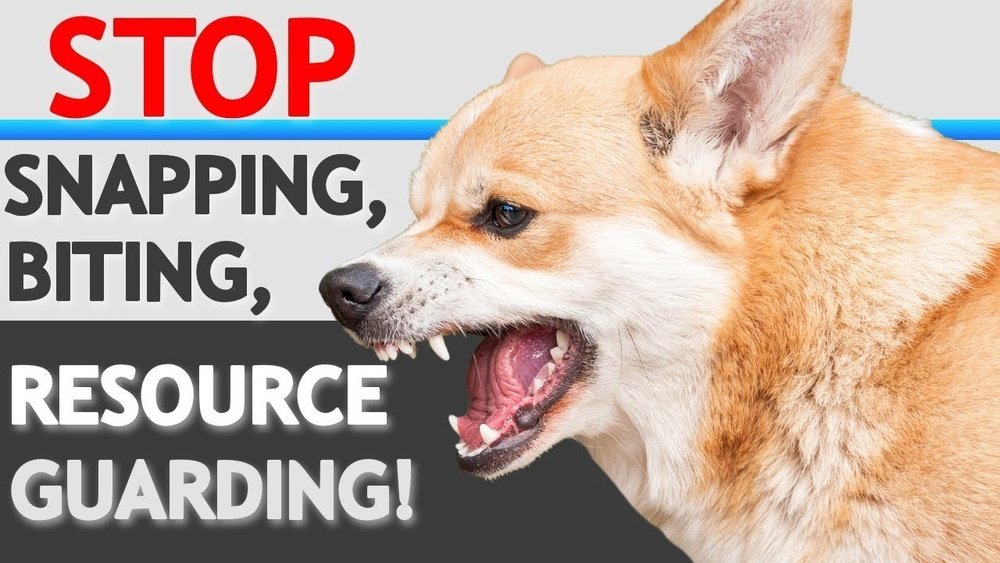
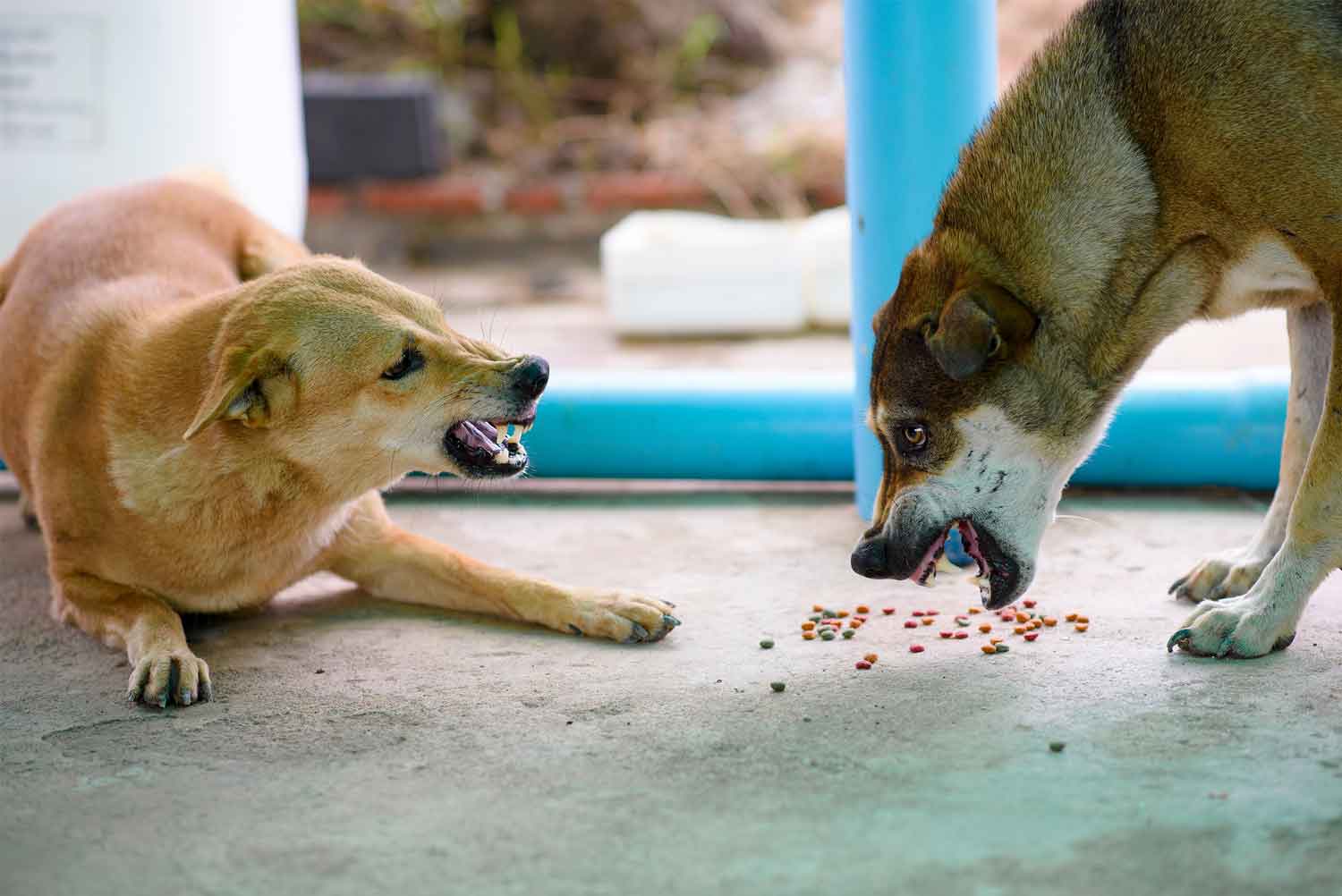
Food aggression is when a dog becomes defensive or hostile around food. They might growl, snap, or even bite if someone approaches them while eating. This behavior is often called resource guarding because the dog feels they need to protect their food from threats.
Food aggression can appear in different ways:
- Growling when someone comes near their bowl
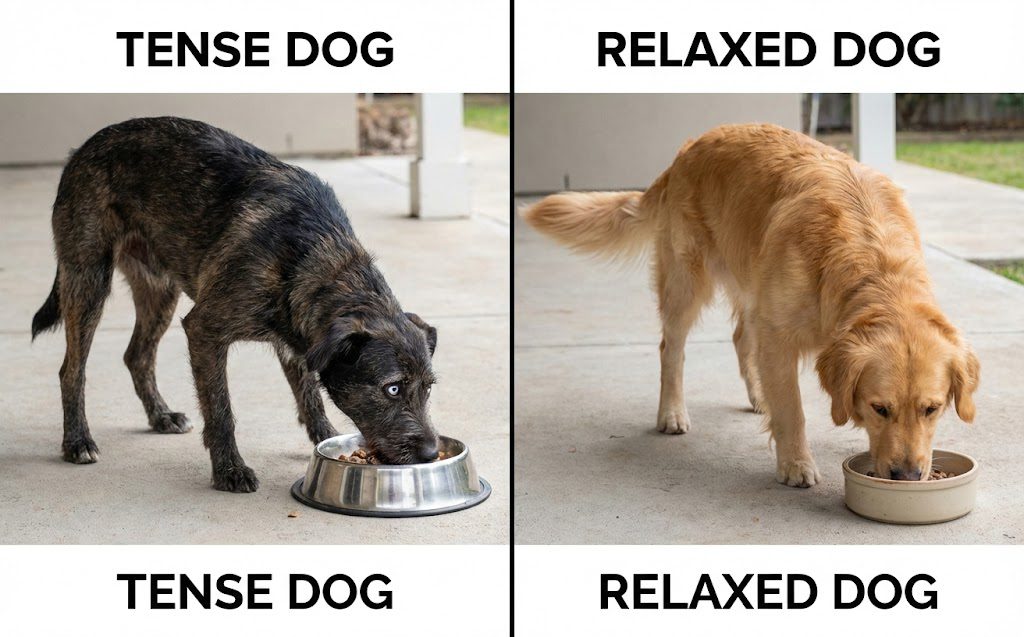
- Stiffening their body or staring
- Snapping or biting if their food is touched
- Eating faster or trying to hide food
Some dogs only guard their food bowl, while others may also guard treats, bones, or even dropped food on the floor. The severity can range from mild (just a warning growl) to severe (biting).
Why Dogs Show Food Aggression
Understanding the root cause is the first step to solving food aggression. Dogs are not born aggressive about food; this behavior develops for a reason.
Natural Instincts
In the wild, dogs had to protect their food to survive. Even today, many dogs still have this instinct. If they think their meal might be taken away, they defend it.
Past Experiences
Dogs that have been rescued or lived in shelters may have experienced hunger or competition for food. If a dog had to fight for meals, they can develop food aggression later in life.
Lack Of Training
If a puppy is not taught to trust people around food, they may develop guarding behaviors. Sometimes, owners accidentally encourage this by backing away when the dog growls, which rewards the aggression.
Medical Issues
Pain or illness can make a dog feel vulnerable. Dogs with dental problems, digestive issues, or hormonal changes may become more protective of their food.
Environmental Stress
Major changes like moving homes, new pets, or loud noises can trigger food guarding. If a dog feels stressed, they may try to control their environment by guarding food.
Credit: k9maniadogtraining.com
Signs Of Food Aggression
Food aggression is not always obvious. Recognizing the signs early helps you intervene before it becomes dangerous.
- Growling when someone approaches their food
- Snapping or biting
- Stiff posture and intense staring
- Eating quickly or trying to move the food to a private place
- Guarding treats, bones, or toys as well as food
If you notice these signs, it’s important to act right away. Waiting can make the behavior worse.
How Dangerous Is Food Aggression?
Food aggression can lead to injuries, especially if young children or other pets are involved. While some dogs only growl, others may bite if they feel threatened. Even minor incidents can create fear and tension in your home.
Statistics from animal behavior studies show:
- About 20% of dogs show some level of resource guarding
- Food aggression is a leading cause of dog bites in the home
- Dogs with food aggression are more likely to have other behavior problems
The risk increases if the aggression is ignored. Early intervention is always safer for everyone.
Types Of Food Aggression
Not all food aggression looks the same. Knowing the type helps you choose the right training plan.
| Type | Behavior | Severity |
|---|---|---|
| Mild | Growling, stiffening | Low |
| Moderate | Snapping, lunging | Medium |
| Severe | Biting, chasing | High |
Most dogs start with mild aggression. If not addressed, it can quickly become severe.
How To Stop Food Aggression In Dogs
Changing food aggression takes time and consistency. The most effective methods are based on positive reinforcement and gradual desensitization. Here’s a clear guide to help you stop food aggression in your dog.
Step 1: Keep Everyone Safe
Safety is the top priority. If your dog’s aggression is severe, do not try to fix it alone. Consult a professional trainer or animal behaviorist.
- Never let children approach a dog while eating
- Feed your dog in a quiet room away from other pets
- Use barriers if needed (baby gates, crates)
- Keep hands away from the dog’s mouth during meals
Step 2: Understand Your Dog’s Triggers
Watch your dog closely and note when the aggression happens:
- Is it only with certain people?
- Does it happen with treats, bones, or just meals?
- Is your dog more aggressive when stressed?
Knowing the triggers helps you plan the right training steps.
Step 3: Desensitization And Counter-conditioning
These are the most successful techniques for food aggression. The goal is to change how your dog feels when someone approaches their food.
How Desensitization Works
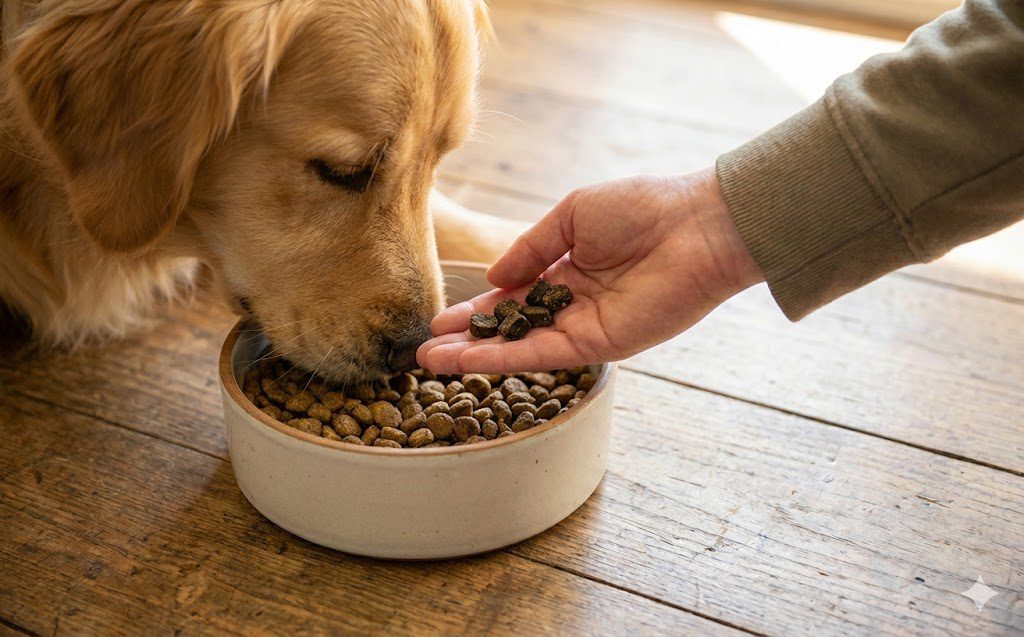
You slowly teach your dog that people near their food is a good thing, not a threat.
- Start by standing far from your dog while they eat
- Gradually move closer over days or weeks
- Only move forward if your dog stays relaxed
How Counter-conditioning Works
You add positive experiences to change your dog’s reaction.
- While your dog eats, toss a special treat (like chicken) near their bowl
- Repeat this every day, slowly moving closer
- Your dog learns that people near food = treats
Example Plan
For a dog who growls when you approach:
- Day 1: Stand 10 feet away and toss treats
- Day 2: Move to 8 feet, toss treats
- Continue until you can stand near the bowl without aggression
Step 4: Teach “trade” And “leave It”
Training your dog to give up food or objects on command builds trust and reduces aggression.
“trade” Command
- Offer your dog a high-value treat (better than their food)
- When they drop the item, praise and give the treat
- Practice often with different items
“leave It” Command
- Place a treat on the floor and cover it with your hand
- Say “leave it”
- When your dog looks away, reward them
These commands help your dog learn that giving up food leads to rewards, not loss.
Step 5: Feed Regularly And Reduce Competition
Dogs who are unsure about their next meal are more likely to guard food.
- Feed your dog at the same time every day
- Do not let other pets steal food
- Use separate bowls for each dog in multi-pet homes
Regular meals and less competition lower stress and aggression.
Step 6: Avoid Punishment
Never punish your dog for food aggression. Yelling, hitting, or taking away food can make the problem worse.
- Punishment increases fear and distrust
- Dogs may become more aggressive or anxious
- Positive training is always more effective
Step 7: Use Professional Help For Severe Cases
If your dog bites or shows extreme aggression, get help from a certified professional. They can assess your dog and create a safe plan.
Look for trainers with:
- Certification in animal behavior
- Experience with resource guarding
- Positive reinforcement methods
Practical Examples
Let’s look at real-life examples to see how these steps work.
Example 1: Mild Food Aggression In A Puppy
Sarah noticed her puppy growling when she walked near his bowl. She started desensitization by standing away and tossing treats. Over two weeks, the puppy learned that Sarah’s presence meant extra goodies. The growling stopped, and mealtimes became calm.
Example 2: Severe Food Aggression In A Rescue Dog
John adopted a rescue dog who bit when someone touched his food. He contacted a professional trainer. Together, they used barriers and a slow desensitization plan. After two months, the dog could eat calmly with John nearby.
Example 3: Food Guarding With Other Pets
Linda’s two dogs fought over food. She used separate bowls and fed them in different rooms. She trained both dogs with the “trade” command. Within a month, food fights stopped.
Data: Success Rates For Food Aggression Training
Studies show that positive reinforcement and desensitization work for most dogs.
| Method | Success Rate | Time Required |
|---|---|---|
| Desensitization | 80% | 2–8 weeks |
| Counter-Conditioning | 75% | 3–10 weeks |
| Professional Training | 90% | 1–3 months |
The fastest progress is seen when owners are consistent and use rewards.
Common Mistakes To Avoid
Many owners make errors that can slow progress or make food aggression worse. Here are mistakes to watch out for:
- Punishing aggression: Makes the dog more fearful
- Feeding in busy areas: Increases stress
- Ignoring early signs: Allows the problem to grow
- Taking food away suddenly: Triggers panic
- Not using high-value treats: Reduces effectiveness of training
Avoiding these mistakes helps your dog feel safe and learn faster.
Non-obvious Insights For Beginners
Most guides talk about basic steps. Here are insights that many beginners miss:
- Dogs often guard food because they feel insecure, not because they want to be dominant. Building trust and security is more important than discipline.
- Food aggression can be triggered by changes in diet or feeding routines. If you switch food types or feeding times, watch for new behavior problems.
- Some dogs guard food only from certain people (like children or strangers). Each person may need their own desensitization plan.
Credit: k9maniadogtraining.com
Comparing Food Aggression To Other Behaviors
Food aggression is just one form of resource guarding. Here’s how it compares to other common behaviors:
| Behavior | Trigger | Common Solution |
|---|---|---|
| Food Aggression | Food bowl, treats | Desensitization, counter-conditioning |
| Toy Guarding | Toys, bones | Trade command, positive reinforcement |
| Space Guarding | Bed, crate | Training, safe spaces |
Understanding the similarities helps you apply the same methods to other guarding behaviors.
How To Prevent Food Aggression In Puppies
Stopping food aggression before it starts is easier than fixing it later. Here’s how to raise a puppy who feels safe around food:
- Hand-feed your puppy sometimes to build trust
- Practice touching the bowl while your puppy eats (if they stay relaxed)
- Give treats during meals to create positive associations
- Teach “trade” and “leave it” early
- Feed in a calm, quiet area
If your puppy shows any guarding behavior, start desensitization right away.
Special Cases: Multi-dog Homes
Food aggression is common in homes with more than one dog. Each dog competes for resources. Here’s how to manage it:
- Feed dogs in separate rooms or use barriers
- Do not allow dogs to steal food from each other
- Watch for signs of stress (growling, stiff posture)
- Train each dog individually
- Use high-value treats for training
If fights happen, consult a professional immediately.
Special Cases: Dogs With Medical Issues
If your dog suddenly develops food aggression, visit your vet. Medical problems can cause pain or stress, leading to guarding.
Common medical triggers:
- Dental pain
- Digestive problems
- Thyroid or hormone issues
Treating the medical problem often reduces food aggression.
How Long Does It Take To Fix Food Aggression?
Every dog is different. Mild cases may improve in a few weeks. Severe cases can take several months. The key factors are:
- Consistency of training
- Severity of aggression
- Number of triggers
- Owner’s experience
Most dogs show improvement within 2–8 weeks if trained daily.
When To Seek Professional Help
If your dog’s aggression is severe, or if you feel unsafe, professional help is the best option. Certified trainers use proven methods and can keep everyone safe.
Look for trainers who:
- Use positive reinforcement
- Have experience with aggressive dogs
- Can work with your family and other pets
Professional help is often faster and safer for serious cases.
The Role Of Diet In Food Aggression
Diet can affect your dog’s behavior. Hunger, poor nutrition, or sudden diet changes may trigger aggression.
- Feed a balanced diet recommended by your vet
- Avoid skipping meals
- If your dog is always hungry, ask your vet to adjust the diet
Some dogs become aggressive when fed low-quality food. Good nutrition supports better behavior.
Should You Ever Touch Your Dog’s Food Bowl?
Many owners believe touching the bowl teaches the dog to trust them. This works only if the dog is already relaxed. If your dog is anxious or aggressive, touching the bowl can make things worse.
- For puppies, gentle handling during meals is fine if there are no signs of stress
- For adult dogs with aggression, use desensitization instead
Always watch your dog’s body language.
Credit: www.dogids.com
What If Food Aggression Comes Back?
Sometimes, food aggression returns after a stressful event or change in routine. If this happens:
- Go back to desensitization steps
- Reduce stress in your dog’s environment
- Keep feeding routines consistent
Quick action prevents the behavior from getting worse.
Living With A Dog Who Has Food Aggression
If your dog has food aggression and you can’t fix it right away, you can still manage it safely.
- Feed in a separate room
- Use barriers like gates or crates
- Keep children and other pets away during meals
- Store treats and bones out of reach
Managing the behavior keeps everyone safe while you work on training.
Useful Resources
For more detailed information, visit ASPCA Dog Behavior: Aggression. The ASPCA offers expert advice and videos on resource guarding and aggression.
Frequently Asked Questions
What Causes Food Aggression In Dogs?
Food aggression is caused by instincts, past experiences, lack of training, medical issues, and environmental stress. Dogs who have competed for food or experienced hunger are more likely to guard their meals.
Is Food Aggression Common In Puppies?
Yes, food aggression can start in puppies, especially if they feel insecure or compete with siblings. Early training and positive experiences help prevent this behavior.
Can Food Aggression Be Cured Completely?
Most dogs improve with consistent training, but some may always need management. Severe cases may require lifelong strategies like feeding separately or using barriers.
Should I Punish My Dog For Food Aggression?
No, punishment makes the problem worse. It increases fear and can lead to more serious aggression. Positive reinforcement and gradual training are the best solutions.
When Should I Call A Professional Trainer?
If your dog bites, chases, or shows severe aggression, or if you feel unsafe, contact a certified trainer or animal behaviorist. Professional help is faster and safer for serious cases.
Helping your dog overcome food aggression is possible, and the rewards are great. With patience, understanding, and the right methods, you can create a safe and happy home where mealtimes are relaxed and your dog feels secure. Remember, every dog is unique.
The key is to work calmly, stay consistent, and use positive reinforcement. If you need support, don’t hesitate to seek professional help. Your dog can learn to trust you—and you can enjoy peaceful meals together once again.
We’re the dedicated team behind MyPawSafe.com, with over a decade of combined experience in veterinary care, pet emergency response, and animal behavior. While we prefer to let our work speak for itself, our mission is clear: to provide science-backed, vet-approved advice that helps pet owners prevent accidents and save lives.