Leash reactivity is a common challenge for dog owners, especially in busy neighborhoods or parks. Picture this: you’re walking your dog, and suddenly, they bark, lunge, or pull toward another dog or person. It’s stressful for both you and your dog. Many owners feel helpless, embarrassed, or even scared when their dog acts this way. The good news is, leash reactivity can be managed and reduced with patience, understanding, and the right techniques.
In this guide, you’ll learn what leash reactivity is, why it happens, and how to change your dog’s behavior. The steps and insights here are practical, based on real experiences, and easy to follow—even for beginners. You’ll discover proven strategies, useful examples, and some non-obvious tips that most owners miss.
If you’re ready to enjoy peaceful walks again, keep reading.
What Is Leash Reactivity?
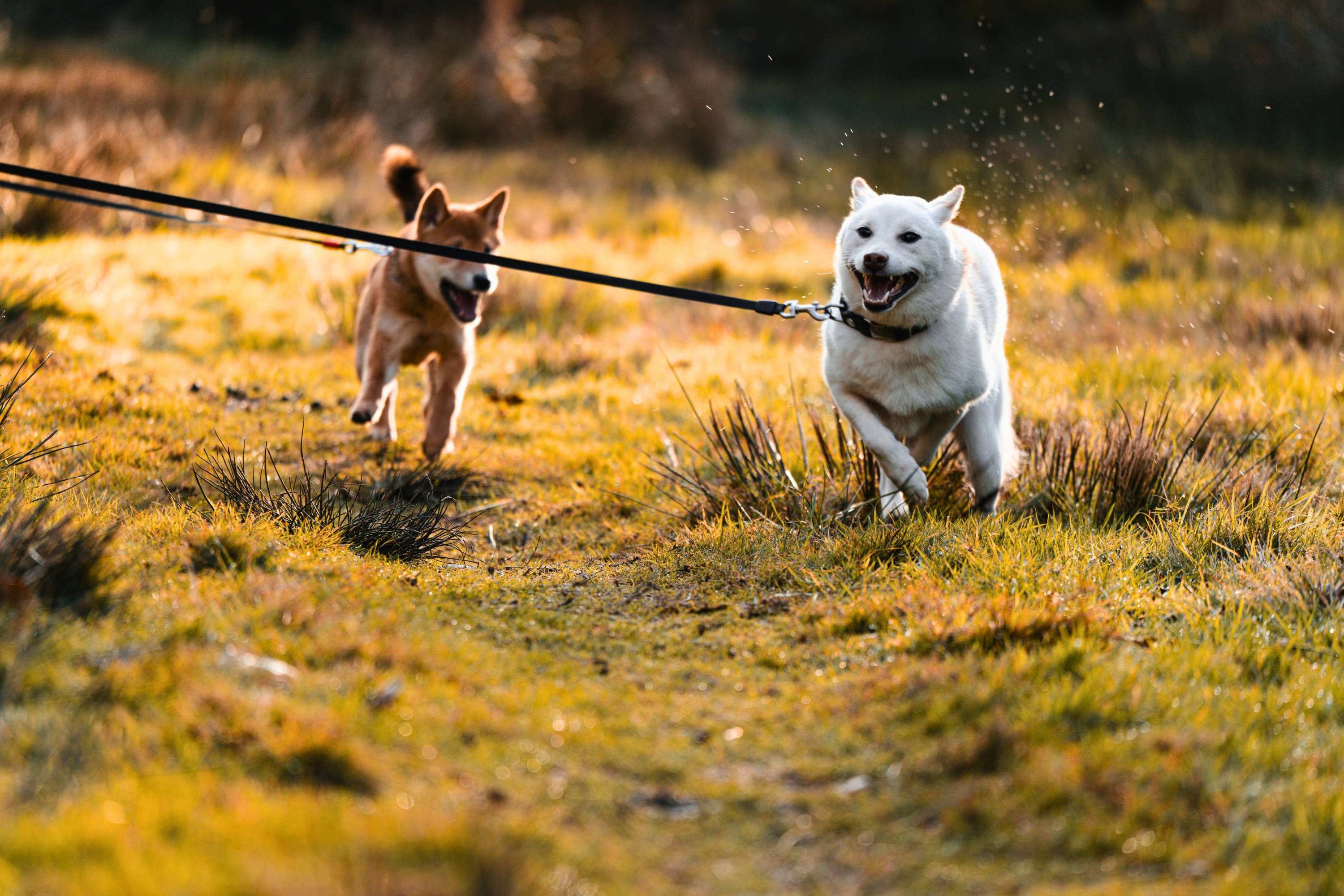
Leash reactivity means a dog overreacts to certain triggers when on a leash. The triggers can be other dogs, people, bikes, cars, or even noises. Dogs may bark, growl, lunge, pull, or freeze. The behavior isn’t always aggressive—sometimes it’s excitement, fear, or frustration.
This problem is surprisingly common. Studies show up to 30% of pet dogs show leash reactivity at some point. It’s not just big breeds; small dogs can be reactive, too. The leash changes how your dog feels—they can’t escape or greet freely, which makes the reaction stronger.
Why Do Dogs Become Leash Reactive?
Dogs are not born leash reactive. It develops from experiences, emotions, and how humans handle situations. Here are the main reasons:
- Frustration: Dogs want to greet but are held back by the leash.
- Fear: Some dogs feel trapped and afraid when seeing a trigger.
- Lack of socialization: Dogs who miss early social exposure may react to unfamiliar sights or sounds.
- Owner’s reaction: Tightening the leash or shouting increases stress.
- Past trauma: Negative encounters create lasting memories.
Interestingly, even friendly dogs can become reactive. For example, a dog who loves meeting other dogs may bark and pull if prevented. The leash makes everything more intense.
The Science Behind Leash Reactivity
Researchers found that dogs on a leash are more likely to show defensive behaviors than off-leash. The leash restricts movement, which can turn a simple curiosity into frustration or fear. A 2019 study in the Journal of Veterinary Behavior showed that leash tension increases cortisol (stress hormone) in dogs, making reactions worse.
Signs Of Leash Reactivity
Not every bark means reactivity. Look for these clear signs:
- Staring at the trigger intensely
- Growling or barking
- Lunging forward
- Pulling hard on the leash
- Freezing or refusing to move
- Hackles raised (fur standing up)
Some dogs show subtle signs first, like licking lips or yawning. Recognizing early signals helps prevent escalation.
Common Triggers For Leash Reactivity
Each dog is unique, but most react to:
- Other dogs (most common)
- Strangers
- Bikes, skateboards, scooters
- Cars or trucks
- Loud noises
- Wildlife (cats, squirrels, birds)
It’s useful to keep a diary of your dog’s triggers. Patterns help you plan training and avoid surprises.

Credit: bravowalk.com
Misconceptions About Leash Reactivity
Many owners think leash reactivity is aggression, but that’s not always true. Here are some myths:
- “My dog is aggressive.” Most leash-reactive dogs are not aggressive off-leash.
- “Punishment works.” Punishing increases fear and stress.
- “It’s just excitement.” Reactivity can be fear, frustration, or excitement.
- “Only big dogs react.” All sizes and breeds can be reactive.
Understanding these myths prevents mistakes and helps you choose the right approach.
How To Stop Leash Reactivity In Dogs
Solving leash reactivity takes time, patience, and consistency. There’s no quick fix, but progress is possible. Here’s a step-by-step plan to help your dog.
Step 1: Identify Your Dog’s Triggers
Observe your dog during walks. Note what causes reactions—other dogs, people, bikes, etc. Write down the distance at which your dog starts reacting. This is called the threshold.
For example, if your dog starts barking when another dog is 20 feet away, that’s their threshold. Knowing this helps you train at the right distance.
Step 2: Manage The Environment
Before training, make walks easier. Avoid crowded areas, walk during quiet times, and use routes with fewer triggers. This reduces stress and prevents setbacks.
Use equipment that gives you control, like a front-clip harness. Avoid retractable leashes—they make control harder.
Step 3: Change The Association
The main goal is to help your dog feel calm when seeing a trigger. This is done through counter-conditioning and desensitization.
Counter-conditioning
Teach your dog that seeing a trigger means something good happens. For example:
- When your dog sees another dog at a safe distance, immediately give high-value treats.
- Repeat this every time. The trigger becomes a signal for treats, not stress.
Desensitization
Slowly expose your dog to triggers at a distance where they stay calm. Gradually decrease the distance over time. Progress depends on your dog’s comfort.
Step 4: Teach Alternative Behaviors
Instead of barking or lunging, teach your dog what to do when they see a trigger. Useful behaviors:
- Look at me: Your dog makes eye contact with you.
- Heel: Walk calmly beside you.
- Sit: Stop and sit when a trigger appears.
Start training these behaviors at home, then practice on walks.
Step 5: Use Proper Equipment
A good harness and leash make training easier. Here’s a comparison of common equipment:
| Equipment | Pros | Cons |
|---|---|---|
| Front-clip harness | Reduces pulling, gives control | Some dogs dislike wearing it |
| Head halter | Helps control strong dogs | Needs careful introduction |
| Standard collar | Easy to use | Risk of choking, little control |
| Retractable leash | Freedom for dog | Unsafe, hard to control |
Choose equipment that fits your dog’s size and temperament. Never use choke or prong collars—they cause pain and worsen reactivity.
Step 6: Practice Calm Walking
Practice calm walking skills daily. Keep the leash loose. If your dog pulls or reacts, stop and wait for calm. Reward calm behavior with treats or praise.
Don’t rush training. Progress in small steps. Celebrate small wins.
Step 7: Gradually Reduce The Distance
As your dog improves, slowly decrease the distance between them and the trigger. Only move closer when your dog stays calm. If your dog reacts, increase distance and try again later.
Patience is key. Some dogs improve in weeks; others take months. Avoid pushing too fast.
Step 8: Use Positive Reinforcement
Reward your dog for calm behavior, paying attention, and following cues. Use high-value treats like chicken or cheese—something special your dog loves.
Avoid punishment. It increases stress and makes reactivity worse. Positive reinforcement builds trust and confidence.
Step 9: Avoid Common Mistakes
Some mistakes can slow progress or worsen reactivity:
- Pulling the leash tight: Signals danger and increases stress.
- Yelling or scolding: Makes your dog fearful.
- Inconsistent training: Confuses your dog.
- Skipping socialization: Dogs need exposure to triggers.
- Using aversive equipment: Pain increases reactivity.
Awareness of these mistakes helps you stay on track.
Practical Examples And Training Sessions
Let’s look at real-world examples and training sessions. Imagine you’re walking your dog and see another dog across the street.
- Spot the trigger early: Before your dog reacts, call their name and offer a treat.
- Keep distance: Walk parallel to the trigger, not directly toward it.
- Reward calm behavior: Every time your dog looks at you or stays calm, give a treat.
- If your dog reacts: Move away, wait for calm, then try again.
Over time, your dog learns that seeing other dogs means good things happen, not stress.
Another example: A dog who reacts to bikes. Start by watching bikes from a distance, reward calm behavior, and slowly move closer as your dog improves.
Advanced Techniques And Non-obvious Insights
Most guides stop at basic training, but advanced techniques make a big difference.
Engage-disengage Game
This game teaches your dog to notice a trigger and then look away by choice.
- When your dog sees the trigger, say “Yes!” and offer a treat.
- Wait for your dog to look away on their own.
- Reward this behavior.
This builds confidence and self-control.
Premack Principle
Use what your dog wants as a reward for calm behavior. For example:
- If your dog loves sniffing, let them sniff after showing calmness.
- If your dog wants to greet another dog, allow it when your dog is calm.
Train During Calm Times
Many owners try training when triggers are everywhere. Instead, train during quiet times first. For example, early morning or late evening walks.
Use Scent Work
Scent games on walks keep your dog focused and reduce stress. Hide treats or let your dog sniff objects. This distracts from triggers and builds positive associations.
Keep Sessions Short
Don’t train for hours. Short, frequent sessions (5–10 minutes) work best. Dogs learn faster when relaxed.
Tracking Progress And Adjusting
Monitoring progress is essential. Keep a diary of:
- Triggers encountered
- Distance from trigger
- Your dog’s reaction
- Successes and setbacks
Adjust your training based on the diary. Celebrate improvements, even small ones.
Here’s a sample progress tracking table:
| Date | Trigger | Distance | Reaction | Notes |
|---|---|---|---|---|
| June 1 | Other dog | 30 ft | Barked, lunged | Moved away, calmed after 2 min |
| June 5 | Bike | 50 ft | Stayed calm | Rewarded with treats |
| June 8 | Person | 20 ft | Stared, no barking | Improvement noticed |
When To Seek Professional Help
Some leash-reactive dogs need professional guidance. Consider a certified dog trainer or behaviorist if:
- Your dog injures themselves or others
- Reactivity gets worse despite training
- You feel overwhelmed or unsafe
Professionals use tailored methods and help you progress faster. Look for trainers who use positive, science-based techniques.
Comparing Training Methods
Different methods exist for leash reactivity. Here’s a quick comparison:
| Method | Approach | Best For | Limitations |
|---|---|---|---|
| Counter-conditioning | Change emotional response | Most leash-reactive dogs | Needs patience |
| Desensitization | Gradual exposure | Fearful or sensitive dogs | Requires careful planning |
| Premack Principle | Reward calm with access | Dogs motivated by environment | Must control access |
| Positive reinforcement | Reward calm behavior | All dogs | Consistency required |
Socialization And Prevention
Preventing leash reactivity starts with socialization. Puppies exposed to different sights, sounds, people, and dogs are less likely to become reactive.
Even adult dogs benefit from gentle exposure to new experiences. Socialization isn’t just meeting other dogs—it’s seeing bikes, hearing noises, and walking in new places.
Tips For Socialization
- Start with calm, friendly dogs
- Use short, positive sessions
- Avoid overwhelming situations
- Reward calm behavior
- Gradually increase difficulty
Credit: bravowalk.com
The Role Of Owner Behavior
Your actions shape your dog’s response. Stay calm, avoid shouting or panicking, and use a relaxed voice. Dogs read your body language. If you tense up, your dog feels it.
Walk confidently, use gentle cues, and reward good behavior. Practice deep breathing or mindfulness before walks.
How Long Does It Take To Stop Leash Reactivity?
No single answer fits all dogs. Some improve in weeks; others take months or longer. Progress depends on:
- Dog’s age and temperament
- Severity of reactivity
- Consistency of training
- Owner’s patience
A 2026 survey found that 70% of owners saw improvement within three months using positive methods. However, lasting change needs ongoing practice.

Credit: www.youtube.com
Real-life Success Stories
Many owners have turned leash-reactive dogs into calm walkers. For example:
- A rescued German Shepherd barked and lunged at every dog. After two months of daily counter-conditioning, she started ignoring triggers and walked calmly.
- A small terrier reacted to bikes and joggers. Using short sessions and the engage-disengage game, the owner saw improvement in four weeks.
The key was consistency, patience, and celebrating every small win.
The Importance Of Mental Enrichment
A tired dog is less reactive. Mental games, puzzle toys, scent work, and training sessions tire your dog’s brain. This reduces stress and improves focus.
Try hiding treats around your home or using food puzzles. Short training games before walks help your dog stay calm.
Special Considerations For Different Breeds
Some breeds are more prone to leash reactivity. Herding breeds (like Border Collies) and guarding breeds (like German Shepherds) may react strongly to movement. Small breeds often react out of fear.
Adjust your training to your dog’s breed and personality. For example, herding breeds may enjoy scent work, while terriers love digging games.
Dealing With Setbacks
Setbacks are normal. If your dog has a bad day, don’t panic. Go back to easier steps, increase distance, and reward calm behavior.
Avoid blaming your dog or yourself. Learning is not a straight line. Every dog has ups and downs.
How To Handle Unexpected Triggers
Sometimes, triggers appear suddenly. Stay calm. Turn and walk away, use treats to distract, or ask your dog to focus on you. Practice these skills so you’re ready when surprises happen.
The Value Of Routine
Routine helps dogs feel safe. Walk at similar times, use the same cues, and reward calm behavior. Predictable routines reduce anxiety and support training.
Helpful Resources And Further Reading
For more in-depth information, visit this ASPCA Dog Behavior and Training resource. It covers positive methods and offers expert advice.
Frequently Asked Questions
What Causes Leash Reactivity In Dogs?
Leash reactivity is often caused by frustration, fear, lack of socialization, or past negative experiences. The leash limits your dog’s movement, which can make reactions stronger. Some dogs are excited, others are afraid or stressed.
Can Leash Reactivity Be Cured Completely?
Most dogs can improve greatly with consistent training, but some may always need management. The goal is to reduce reactions and teach calm behaviors. With patience, many dogs walk peacefully in most situations.
Should I Use Punishment To Stop Leash Reactivity?
No, punishment increases stress and fear. It can make reactivity worse. Use positive reinforcement instead—reward your dog for calm behavior and following cues.
How Long Does It Take To See Results?
Most owners see improvement in a few weeks to a few months. Progress depends on the dog’s temperament, severity of reactivity, and consistency of training. Celebrate small wins and stay patient.
Is Professional Help Necessary?
Professional help is useful if your dog’s reactivity is severe, you feel unsafe, or progress is slow. Certified trainers and behaviorists use positive, science-based methods to help you and your dog succeed.
Leash reactivity can feel overwhelming, but change is possible. With understanding, patience, and the right approach, you and your dog can enjoy calm, happy walks again. Each step forward builds trust and confidence. Remember, progress takes time—celebrate every small win.
If you need extra support, don’t hesitate to seek professional guidance. Your bond with your dog will grow stronger, and walks will become a joy.
We’re the dedicated team behind MyPawSafe.com, with over a decade of combined experience in veterinary care, pet emergency response, and animal behavior. While we prefer to let our work speak for itself, our mission is clear: to provide science-backed, vet-approved advice that helps pet owners prevent accidents and save lives.