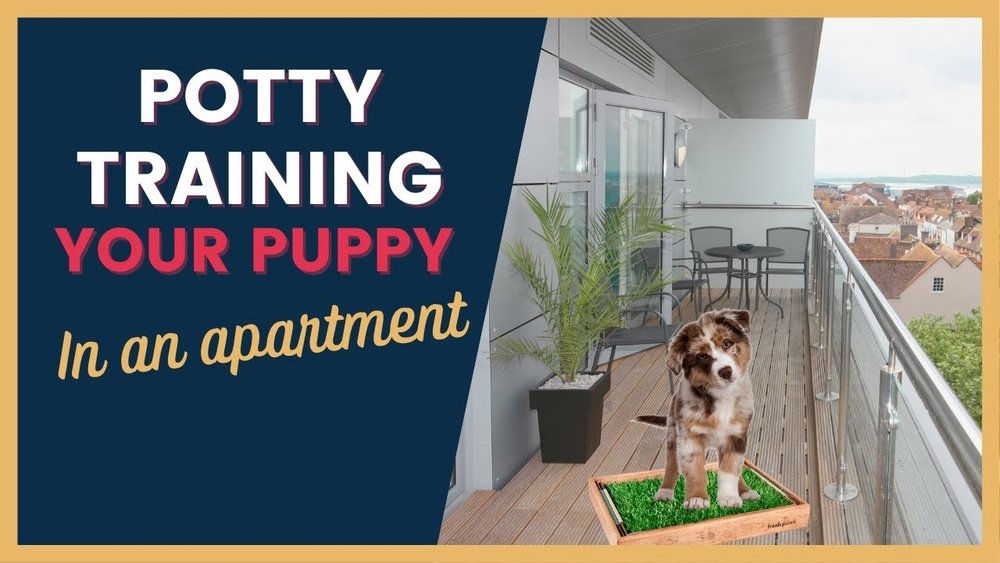
Raising a puppy in an apartment is both exciting and challenging. Unlike houses with big yards, apartments have limited space, close neighbors, and strict rules. But don’t worry—many people successfully train happy, well-behaved puppies in apartments every day. The key is understanding your puppy’s needs, creating routines, and using smart strategies for both training and daily life.
If you’re ready to make your apartment puppy-friendly and raise a confident, social dog, this guide will show you how to do it step by step.
Why Apartment Training Is Different
Training a puppy in an apartment is not the same as training in a house with a backyard. First, space is limited. You don’t have a lawn for bathroom breaks or a garage for noisy playtime. Neighbors are close, so barking and accidents can quickly become problems.
Apartments also have strict pet policies. Many buildings limit dog size or breed, and some charge extra fees for pets. You need to be more organized and creative in your training. But with the right approach, your puppy can thrive even in a small space.
Preparing Your Apartment For A Puppy
Before your puppy arrives, you need to make your home safe and welcoming. This step is often skipped, but it can prevent accidents and bad habits from the start.
Puppy-proofing Your Space
Remove anything that a puppy can chew, swallow, or get tangled in. Puppies are curious, and they’ll explore every corner.
- Hide electrical cords behind furniture or use cord covers.
- Move cleaning chemicals, plants, and small objects out of reach.
- Secure trash cans with lids.
- Block off dangerous areas with baby gates.
Creating A Puppy Zone
Set up a safe area for your puppy to relax and sleep. This helps your puppy feel secure and gives you control during training.
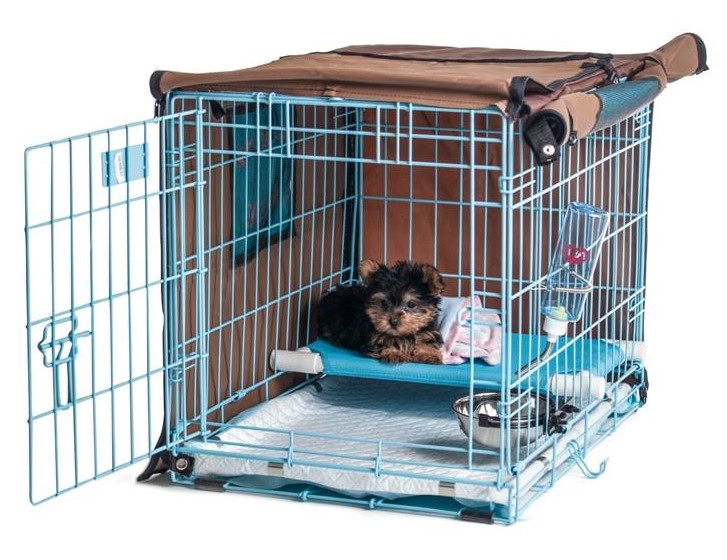
- Use a crate or a small pen for naps and alone time.
- Place the crate in a quiet spot, not too far from family activity.
- Add a soft bed, a few chew toys, and water.
A defined puppy zone makes housetraining easier and prevents accidents in other rooms.
Gathering Supplies
You’ll need more than just food and a leash. Essential items include:
- Crate (proper size for your puppy’s breed)
- Food and water bowls
- High-quality puppy food
- Enzyme cleaner for accidents
- Chew toys and puzzle feeders
- Puppy pee pads or a grass patch (for emergency bathroom breaks)
- Collapsible travel bowl for walks
Getting these supplies before your puppy arrives will make the transition smoother and help prevent messes.
Housetraining In An Apartment
One of the biggest challenges in apartment living is housetraining. Unlike in a house, you can’t just open the door to the yard. You need a clear plan, patience, and consistency.
Understanding Your Puppy’s Bladder
Young puppies can’t hold their bladder for long. A common rule: a puppy can hold it for about one hour per month of age (up to 8 hours max). For example, a 3-month-old puppy needs a break every 3 hours—even at night.
Setting A Bathroom Schedule
Routine is your best friend. Take your puppy out:
- First thing in the morning
- After every meal
- After naps
- After playtime
- Before bedtime
For most puppies, this means going out at least 6–8 times a day.
Using Indoor Solutions
Sometimes you can’t get outside quickly—maybe you live on the 10th floor, or it’s raining heavily. In these cases, indoor potty options help:
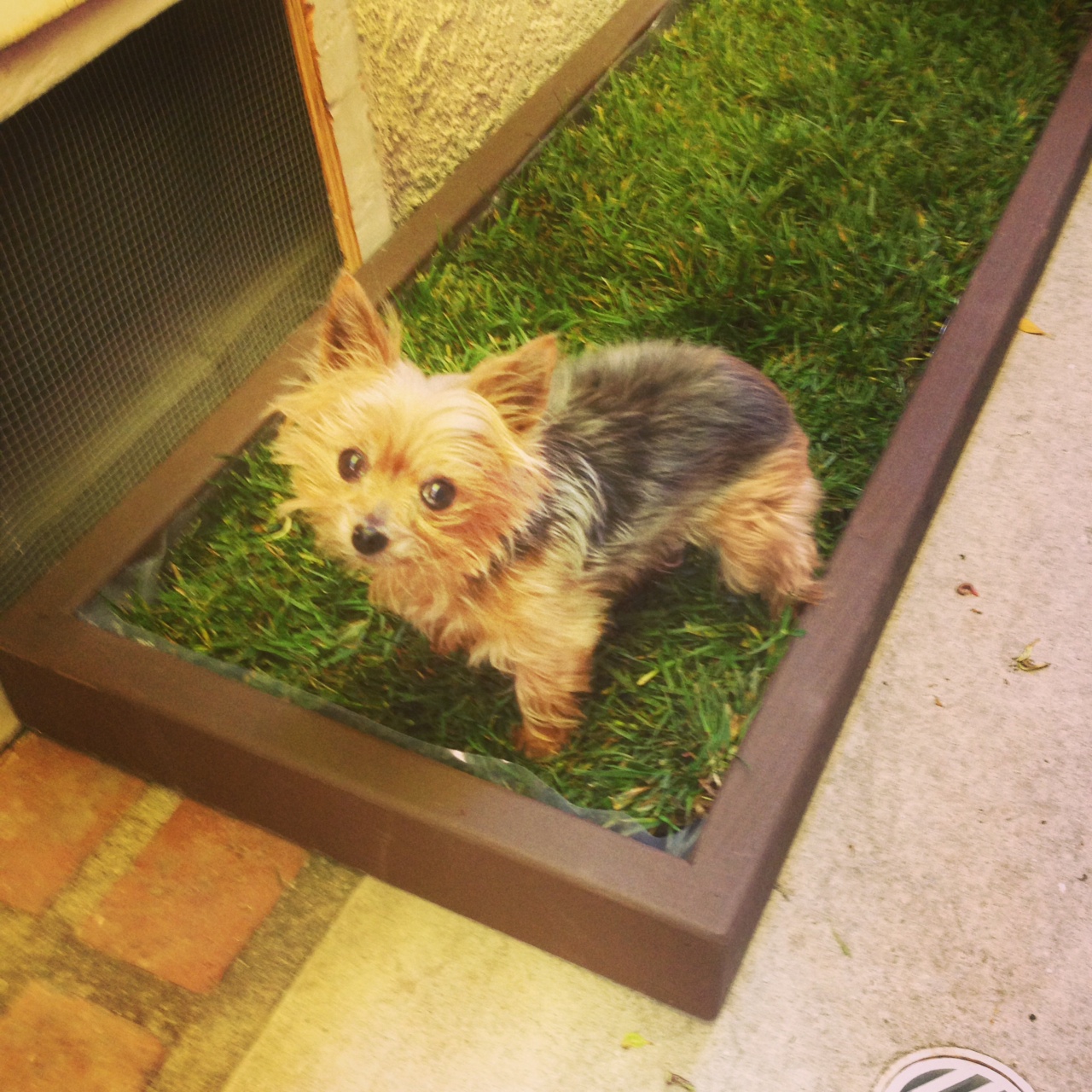
- Puppy pads: Absorbent pads placed in a set spot
- Dog grass patches: Small trays of real or fake grass
- Litter boxes: Some small breeds adapt well to these
Place these in a bathroom or laundry area, not near food or bedding. Always reward your puppy for using the right spot.
Step-by-step Housetraining Process
- Supervise your puppy at all times. If you can’t watch, use the crate or pen.
- Take your puppy to the potty spot on a leash, even if it’s inside.
- Wait quietly until they go. Praise and give a treat immediately.
- If there’s an accident, clean it with an enzyme cleaner to remove the smell. Don’t punish—just redirect next time.
- Gradually increase the time between breaks as your puppy gets older.
Common Housetraining Mistakes
- Waiting too long between bathroom breaks.
- Not rewarding immediately—puppies need instant feedback.
- Using ammonia-based cleaners (which smell like urine to dogs).
- Scolding for accidents, which can make puppies hide when they need to go.
With consistency and patience, most puppies are housetrained within 4–6 months, even in apartments.
Teaching Basic Obedience In Small Spaces
Obedience training helps your puppy become a polite neighbor and a joy to live with. Apartment dogs need especially good manners because of close quarters.
Essential Commands For Apartment Puppies
Start with these commands:
- Sit: For calm greetings and before meals
- Down: For relaxing quietly
- Come: For safe recalls, especially at doors and elevators
- Leave it: To prevent chewing on dangerous items
- Quiet: To control barking
Training In A Limited Space
You don’t need a yard to train. Use your living room, hallway, or even the kitchen. Short, frequent sessions work best—5 to 10 minutes at a time.
- Keep treats handy in several rooms.
- Use a clicker or a cheerful “yes!” to mark good behavior.
- Practice commands during daily routines (for example, “sit” before opening the door).
Socialization: Meeting People And Other Dogs
Apartment puppies meet lots of people and dogs in elevators, lobbies, and hallways. Early socialization prevents fear and barking.
- Invite friends over for calm visits.
- Arrange playdates with vaccinated puppies in safe spaces.
- Carry treats to reward calm behavior around strangers.
If your building has a dog-friendly rooftop or courtyard, use it for short training sessions.
Preventing Problem Behaviors
Close living means neighbors will notice barking, whining, or jumping. Address these quickly:
- Teach your puppy to be quiet on command. Reward silence.
- Redirect jumping by asking for a “sit” before petting.
- Use gentle corrections, never harsh punishment.
If you notice signs of separation anxiety (barking, chewing when alone), address it early with crate training and short departures.
Credit: hilinelaw.com
Managing Barking And Noise
Barking is a top complaint in apartment buildings. Teaching your puppy to be quiet is essential for good neighbor relations.
Why Puppies Bark
Common triggers include:
- Hearing noises in the hallway
- Seeing people or other dogs outside the window
- Being left alone (separation anxiety)
- Boredom or excess energy
How To Reduce Barking
- White noise machines or soft music can mask sounds from outside.
- Keep windows covered if your puppy barks at sights outside.
- Reward quiet behavior with treats or praise.
- Ignore barking—don’t give attention unless your puppy is quiet.
Teaching The “quiet” Command
- When your puppy barks, let them bark once or twice.
- Say “quiet” in a calm voice.
- When your puppy stops, even for a second, immediately praise and give a treat.
- Repeat daily until your puppy understands.
Handling Separation Anxiety
If your puppy barks when alone, try these tips:
- Leave for short periods at first, gradually increasing time.
- Give a special chew or puzzle toy only when you leave.
- Don’t make a big fuss when you leave or return.
If barking continues, a professional trainer or vet can help.
Exercise And Mental Stimulation Without A Yard
Puppies have lots of energy, and bored dogs often develop bad habits. Apartment living means you need to be creative with exercise.
Daily Walks
- Aim for at least two walks a day, 20–30 minutes each, depending on breed and age.
- For small breeds, three short walks may be better.
Indoor Play Ideas
- Tug-of-war with a rope toy
- Fetch with a soft ball in the hallway
- Hide and seek with treats or toys
Puzzle Toys And Food Games
Mental stimulation tires a puppy as much as physical exercise.
- Use puzzle feeders for mealtime.
- Hide kibble or treats around the apartment for your puppy to sniff out.
- Rotate toys to keep things new and interesting.
Puppy Playdates
Social play burns energy and teaches good manners. If your building allows, arrange playdates with other puppies or friendly adult dogs in a safe area.
Using Stairs And Elevators
If your building has stairs, supervised stair climbing is good exercise for older puppies. Avoid overuse with very young puppies, as their joints are still developing.
Handling Elevator, Stairs, And Common Areas
Apartments have many shared spaces. Teaching your puppy to behave politely in these areas is important for safety and good neighbor relations.
Elevator Etiquette
- Keep your puppy on a short leash.
- Ask your puppy to “sit” before entering.
- Let other people exit before you enter.
- If your puppy is nervous, carry them at first or offer treats.
Stairs And Hallways
- Teach “heel” for walking calmly beside you.
- Use “wait” at doors and corners.
- Clean up accidents immediately if they happen in common areas.
Meeting Neighbors
- Not everyone likes dogs. Teach your puppy not to jump or bark.
- Respect signs or requests about dog-free areas.
Building these habits early will make life easier for you and your neighbors.
Socialization In The City
City apartments offer lots of new sights, sounds, and smells. Socialization is more than just meeting people—it’s teaching your puppy to feel confident in a busy world.
Exposure To Urban Sounds
Gradually introduce your puppy to:
- Traffic noise
- Sirens
- Elevators and automatic doors
- Skateboards, bicycles, and strollers
Pair new experiences with treats and calm praise.
Meeting Different People
Encourage your puppy to meet people of all ages, wearing hats, sunglasses, or uniforms. This prevents fear later in life.
Visiting Dog-friendly Places
Many cities have dog-friendly cafes, stores, and parks. Visit these when your puppy is calm and up-to-date on vaccines.
Handling Overwhelm
If your puppy seems scared (tail tucked, ears back, hiding), remove them from the situation and try again later. Never force interactions.
Crate Training For Apartment Puppies
Crate training is useful for housetraining, preventing chewing, and helping puppies feel secure when alone.
Choosing The Right Crate
The crate should be just big enough for your puppy to stand up, turn around, and lie down comfortably.
- Wire crates offer good airflow and visibility.
- Plastic crates feel cozy and are good for travel.
Making The Crate Positive
- Feed your puppy meals in the crate.
- Place favorite toys inside.
- Never use the crate for punishment.
Gradual Alone Time
Start with short periods—just a few minutes. Gradually increase time as your puppy relaxes. Most puppies can stay in a crate for 2–4 hours during the day by 3 months old.
Crate Training Mistakes To Avoid
- Leaving your puppy too long (no more than 3–4 hours for young puppies).
- Forcing your puppy inside if they are scared.
- Using the crate only when leaving—mix in playtime and naps.
Crate training is not cruel when done correctly. Most dogs come to love their crate as their private den.
Handling Emergencies And Vet Visits
Apartment life can make emergencies more stressful. It’s important to plan ahead.
Finding A Local Veterinarian
Choose a vet close to your home—ideally within walking distance in case you don’t have a car.
Emergency Supplies
Keep these on hand:
- Copy of vaccination records
- Contact info for a 24-hour emergency vet
- Basic first aid kit
- Puppy carrier for transport
Handling Illness Or Injury
Know the signs of trouble:
- Vomiting or diarrhea that lasts more than a day
- Trouble breathing or pale gums
- Lethargy, refusing food or water
Don’t wait—call your vet right away.
Preparing For Fire Or Evacuation
Keep a leash and carrier near the door. Practice quick exits with your puppy so you’re both ready in an emergency.
Cleaning And Odor Control In Apartments
Keeping your apartment clean is tougher with a puppy, but it’s possible with good routines.
Cleaning Up Accidents
- Blot up as much as possible with paper towels.
- Use an enzyme-based cleaner to break down urine odors.
- Avoid steam cleaners on carpets—they can set stains.
Controlling Dog Smell
- Wash bedding and toys weekly.
- Vacuum carpets and floors often.
- Air out your apartment daily.
- Use air purifiers if needed.
Managing Shedding
Brush your puppy regularly, especially if they’re a shedding breed. This reduces loose hair and allergens.
Building A Daily Routine
Puppies love routine. A predictable schedule helps with housetraining, sleep, and behavior.
Here’s a sample daily schedule:
| Time | Activity |
|---|---|
| 7:00 am | Potty break, breakfast |
| 8:00 am | Short walk, playtime |
| 9:00 am | Nap in crate |
| 12:00 pm | Potty break, lunch, indoor play |
| 2:00 pm | Short walk, training session |
| 3:00 pm | Nap |
| 6:00 pm | Potty break, dinner, playtime |
| 8:00 pm | Short walk, quiet time |
| 10:00 pm | Last potty break, bedtime in crate |
Adjust times and activities to fit your schedule and your puppy’s breed.

Credit: www.infinibandta.org
Choosing The Right Puppy For Apartment Life
Not all breeds are suited to apartment living. Some dogs are naturally quiet, less energetic, or small enough to be happy in a cozy space.
Here’s a comparison of popular breeds for apartments:
| Breed | Size | Energy Level | Barking | Training Ease |
|---|---|---|---|---|
| French Bulldog | Small | Low | Low | Easy |
| Cavalier King Charles Spaniel | Small | Medium | Low | Moderate |
| Greyhound | Medium/Large | Low | Low | Easy |
| Pug | Small | Low | Medium | Moderate |
| Miniature Schnauzer | Small | Medium | Medium | Easy |
This doesn’t mean big dogs can’t live in apartments. Many calm, low-energy large breeds are great for small spaces if you commit to exercise and training.
Working With Your Building Management
Before you bring a puppy home, review your building’s pet policy. Some apartments require a pet deposit, limit the number of pets, or ban certain breeds.
- Register your puppy if required.
- Respect leash rules and noise limits.
- Be proactive—let neighbors and management know you’re training a puppy and are committed to good behavior.
A positive relationship with building staff can help if any issues arise.
Credit: www.infinibandta.org
Dealing With Common Apartment Puppy Challenges
Potty Accidents
Even well-trained puppies can have accidents, especially in the first months. Stay calm, clean up promptly, and stick to your schedule.
Chewing And Destruction
Puppies chew when bored or teething. Provide safe chew toys and rotate them to keep your puppy interested. If you see chewing on furniture, calmly redirect to a toy.
Jumping On Furniture
Decide early if your puppy is allowed on the couch or bed. Be consistent—mixed messages confuse puppies. Use “off” and reward for staying on the floor.
Meeting Other Dogs
Always ask before letting your puppy greet another dog. Not all dogs are friendly or healthy. Keep greetings short and positive.
Handling Visitors
Let visitors know you’re training your puppy. Ask them to ignore jumping or barking and reward calm behavior.
The Importance Of Patience And Consistency
Apartment training takes time. There will be accidents, chewed shoes, and noisy nights. But with patience and consistency, your puppy will learn the rules.
Two non-obvious tips:
- Use your building’s layout to your advantage. Quiet stairwells or empty hallways can be great for practice sessions.
- Keep a simple training journal. Track accidents, feeding times, and new commands. Patterns will appear, making it easier to adjust your routine.
Most importantly, celebrate small wins. Each day your puppy learns and grows, building the foundation for a happy life together.
Frequently Asked Questions
How Long Does It Take To Housetrain A Puppy In An Apartment?
Most puppies are housetrained within 4–6 months with consistent effort. However, every puppy is different. Small breeds may take longer, and setbacks are normal. The key is sticking to a schedule and rewarding the right behavior immediately.
Can Large Breed Puppies Live Happily In Apartments?
Yes, many large breeds can thrive in apartments if they get enough exercise and mental stimulation. Calm breeds like Greyhounds or Great Danes are often easier in small spaces than high-energy small dogs. The main challenge is finding enough space for movement and keeping up with daily walks.
What Should I Do If My Puppy Barks And Upsets My Neighbors?
First, identify the cause of barking—boredom, fear, or excitement. Use positive training to teach the “quiet” command. Offer exercise and mental games to reduce excess energy. Communicate with neighbors and let them know you’re working on it. If needed, consult a professional trainer.
Are Puppy Pads A Good Long-term Solution For Apartment Dogs?
Puppy pads are useful for young puppies or emergencies, but outdoor potty training is best for most dogs. Long-term pad use can confuse puppies about where to go. If you must use pads, choose a fixed spot and transition to outdoor breaks as soon as possible.
How Can I Find Reliable Dog Walkers Or Pet Sitters In A City?
Look for licensed, insured professionals with positive reviews. Ask your vet, neighbors, or building management for recommendations. Meet the walker or sitter first, and observe how they interact with your puppy. Reliable options can be found through sites like Rover.
Training a puppy in an apartment is demanding, but it’s also deeply rewarding. With smart routines, patience, and the tips in this guide, your puppy can become a polite, happy member of your urban community. The effort you put in now will pay off for years to come—so enjoy the journey with your new best friend.

We’re the dedicated team behind MyPawSafe.com, with over a decade of combined experience in veterinary care, pet emergency response, and animal behavior. While we prefer to let our work speak for itself, our mission is clear: to provide science-backed, vet-approved advice that helps pet owners prevent accidents and save lives.