A minor cut on a dog can feel scary for any pet owner, especially if you’ve never treated one before. Most dogs are curious and playful, so it’s not unusual for them to get small scrapes or wounds during walks, playtime, or even at home.
Knowing how to treat a minor cut on your dog at home can help prevent infection, speed up healing, and keep your pet comfortable. With the right steps and attention, you can often handle minor cuts yourself, saving time and reducing stress for both you and your dog.
Let’s dive into how to do this safely, what to watch out for, and how to make the healing process easier for your furry friend.
Understanding Minor Cuts In Dogs
A minor cut is usually a small, shallow wound that doesn’t bleed heavily or involve deep tissue. These are often caused by sharp objects like sticks, thorns, or rough surfaces. Unlike deep wounds or bites, minor cuts don’t expose muscles or bone. They’re visible on the skin and might bleed a little, but the bleeding stops within a few minutes.
Recognizing A Minor Cut
You’ll notice:
- Slight bleeding or oozing
- Redness around the wound
- Dog licking or paying attention to the area
- Skin edges may be separated but not too deep
If the cut is larger than an inch, bleeds continuously, or looks deep, it’s NOT minor and needs veterinary attention. Sometimes, it’s hard to tell if a cut is minor. If in doubt, it’s safer to call your vet.
Common Places Dogs Get Minor Cuts
Dogs often get minor cuts on:
- Paws: From sharp stones or glass
- Legs: Running through bushes or rough ground
- Ears: Playful wrestling or scratching
- Nose: Sniffing around rough surfaces
Knowing where to look helps you spot cuts quickly, especially after outdoor activity.
Preparing To Treat A Minor Cut
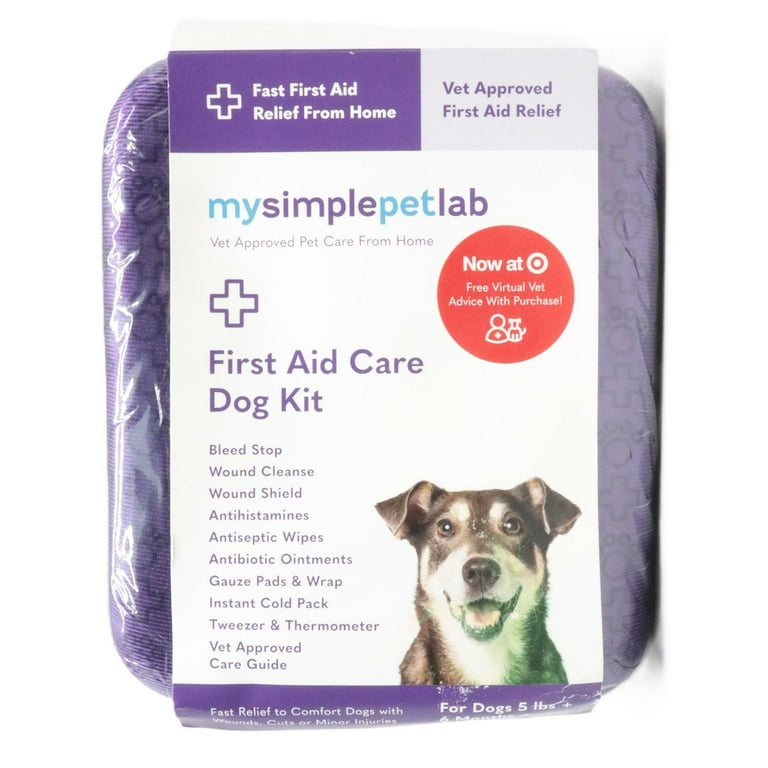
Before you start, gather the right supplies. Preparation ensures you can work quickly and calmly, reducing stress for your dog.
Essential Supplies
You’ll need:
- Clean towels or gauze
- Sterile saline solution or clean lukewarm water
- Antiseptic solution (dog-safe, like chlorhexidine or betadine)
- Cotton balls or pads
- Non-stick bandages
- Medical tape
- Disposable gloves
- Dog-safe antibiotic ointment (avoid human products unless your vet says it’s okay)
- Scissors (blunt tip)
- Elizabethan collar (optional, to prevent licking)
Having these items ready means you won’t have to search while your dog waits. Make a small first aid kit for your dog and keep it handy.
Creating A Calm Environment
Dogs sense stress, so keep your voice soft and movements gentle. If your dog is anxious, offer treats or distract with toys. For squirmy dogs, ask someone to help hold them, or use a leash to gently restrain. Never force your dog or punish them if they resist; patience is key.
Step-by-step Guide To Treating A Minor Cut
Treating a minor cut at home requires careful steps to avoid infection and help healing. Here’s a clear guide:
1. Assess The Cut
Check if the wound is truly minor:
- Is the bleeding light and stops within 10 minutes?
- Is the cut less than an inch long and not deep?
- Is there no sign of muscle, bone, or fat?
If the answer is yes, you can proceed. If not, contact your vet.
2. Restrain Your Dog Safely
Use gentle restraint. Small dogs can be held in your lap, while bigger dogs may need a leash or help from a second person. If your dog is aggressive or very anxious, don’t risk injury—call your vet.
3. Stop The Bleeding
Apply gentle pressure with a clean towel or gauze. Hold for 2-5 minutes. Most minor cuts stop bleeding quickly. If the cut keeps bleeding after 10 minutes, seek professional help.
4. Clean The Wound
Rinse the area with sterile saline solution or lukewarm water. This removes dirt and debris. Avoid using hydrogen peroxide or alcohol, as these can damage tissue and slow healing.
- Use a cotton pad or squirt bottle to rinse
- Wipe gently, don’t rub
5. Apply Antiseptic
Dab the wound with a dog-safe antiseptic (chlorhexidine or diluted betadine). Use a fresh cotton pad. Never use iodine or strong chemicals directly on open wounds.
6. Dry The Area
Pat the area dry with a clean towel. Don’t use hair dryers or anything hot.
7. Apply Antibiotic Ointment
Use a thin layer of dog-safe antibiotic ointment. Avoid ointments with added painkillers, as some can be toxic to dogs.
8. Cover The Wound (if Needed)
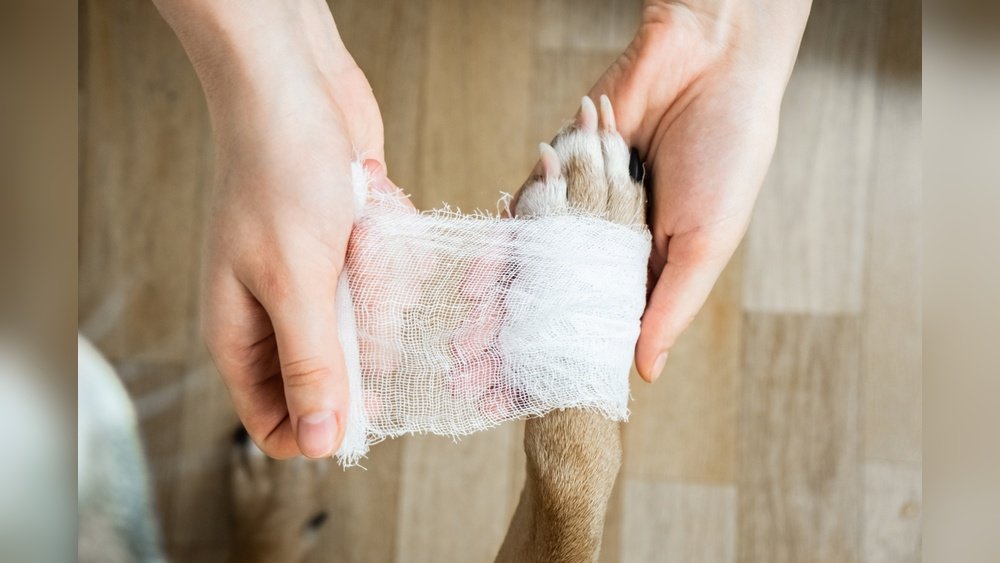
For wounds on the paw or leg, use a non-stick bandage and medical tape. Cover only if the area is likely to get dirty or if your dog keeps licking. For cuts on the body, covering is often not needed.
9. Prevent Licking
Dogs often lick wounds, which can slow healing. Use an Elizabethan collar if your dog keeps licking or biting the area.
10. Monitor For Signs Of Infection
Check the wound twice a day for:
- Redness
- Swelling
- Pus or discharge
- Increased pain
If you see any of these, call your vet.
Practical Tips For Easier Home Treatment
Treating your dog at home can go smoothly with a few extra tricks.
Use Treats And Positive Reinforcement
Dogs respond well to rewards. After each step, offer a small treat or praise. This builds trust and makes future treatments easier.
Choose The Right Time
Treat wounds when your dog is calm, such as after a walk or meal. Avoid noisy times or when other pets are around.
Keep Supplies Nearby
Store your dog’s first aid kit in an easy-to-reach place. This saves time in emergencies.
Know When To Stop
If your dog becomes too stressed or aggressive, pause and try again later. Never force treatment if it’s unsafe.
Credit: www.petmd.com
When To Call The Vet
Not all cuts can be treated at home. It’s important to recognize signs that need professional help.
Warning Signs
Contact your vet if:
- Bleeding doesn’t stop after 10 minutes
- Cut is deeper than ¼ inch or longer than 1 inch
- Skin edges are gaping wide
- Visible fat, muscle, or bone
- Foreign object is stuck in the wound
- Signs of infection (pus, excessive redness)
- Your dog is very lethargic or in pain
- The wound is near the eye, mouth, or genital area
Special Cases
Puppies, elderly dogs, or dogs with health issues may need extra care. If your dog has diabetes, immune problems, or is on medication, always check with your vet before treating wounds.
Understanding Infection Risk
Dogs’ skin is exposed to dirt and bacteria. Even small cuts can get infected if not cleaned properly.
Infection Statistics
Studies show that up to 25% of untreated dog wounds develop infection. Infection can lead to pain, swelling, fever, and sometimes more serious problems.
Preventing Infection
- Clean the wound thoroughly
- Use antiseptic and antibiotic ointment
- Change bandages daily
- Prevent licking
If infection develops, healing can take much longer and may require antibiotics.
Healing Timeline For Minor Cuts
Most minor cuts heal quickly, but every dog is different. The healing time depends on the wound’s size, location, and your dog’s health.
| Wound Location | Average Healing Time | Special Considerations |
|---|---|---|
| Paws | 7–10 days | High risk of dirt, needs frequent cleaning |
| Legs | 5–8 days | May need bandaging to prevent licking |
| Ears | 6–9 days | Bleeding can last longer, monitor closely |
| Nose | 4–7 days | Hard to keep clean, avoid harsh chemicals |
Most wounds show improvement in 2-3 days. If you don’t see progress, call your vet.
Comparing Home Treatment Vs. Veterinary Care
You might wonder whether home treatment is safe. Here’s how it compares to professional care.
| Aspect | Home Treatment | Veterinary Care |
|---|---|---|
| Cost | Low (mainly supplies) | Higher (exam, treatment fees) |
| Speed | Immediate (no waiting) | Depends on appointment availability |
| Safety | Safe for minor cuts | Safe for all wounds |
| Expertise | Limited (self-guided) | Professional (diagnosis, advanced care) |
| Infection Risk | Low if done correctly | Very low (sterile environment) |
Home treatment is best for minor cuts. For anything serious, professional care is safer.
Common Mistakes To Avoid
Many pet owners make errors when treating cuts. Avoid these to keep your dog safe.
- Using human medications: Some ointments and painkillers are toxic to dogs.
- Skipping antiseptic: Cleaning with water alone isn’t enough.
- Leaving cuts uncovered in dirty environments: Wounds on paws or legs should be protected if your dog goes outside.
- Letting dogs lick wounds: This slows healing and increases infection risk.
- Ignoring signs of infection: Waiting too long can make things worse.
- Using harsh chemicals: Hydrogen peroxide, alcohol, and iodine can damage tissue.
- Wrapping bandages too tightly: This cuts off circulation.
- Forcing treatment when dog is aggressive: It’s safer to pause and try again later.
- Not checking wound daily: Monitoring is key to spotting problems early.
- Treating deep wounds at home: Always call your vet for serious injuries.
Practical Examples: Treating Real-life Minor Cuts
Here are common situations and how to handle them.
Paw Cut From Glass
Your dog steps on broken glass and gets a small cut.
- Gently restrain your dog
- Rinse paw with saline solution
- Apply pressure to stop bleeding
- Clean with antiseptic
- Apply antibiotic ointment
- Bandage paw to keep it clean
- Prevent licking with a collar
Check bandage daily. Replace if dirty or wet.
Leg Scrape From Bushes
Your dog runs through bushes and scrapes a leg.
- Rinse area with water
- Pat dry and apply antiseptic
- Use ointment
- If the scrape is wide, cover with a bandage
- Monitor for redness or swelling
Leg wounds heal quickly if kept clean.
Ear Cut From Play
Dogs sometimes get small ear cuts while playing.
- Ears bleed more, so apply gentle pressure
- Clean with saline
- Dab with antiseptic
- Skip bandage unless the cut is large
- Prevent scratching
Ears heal with careful monitoring.
Credit: homehealth-uk.com
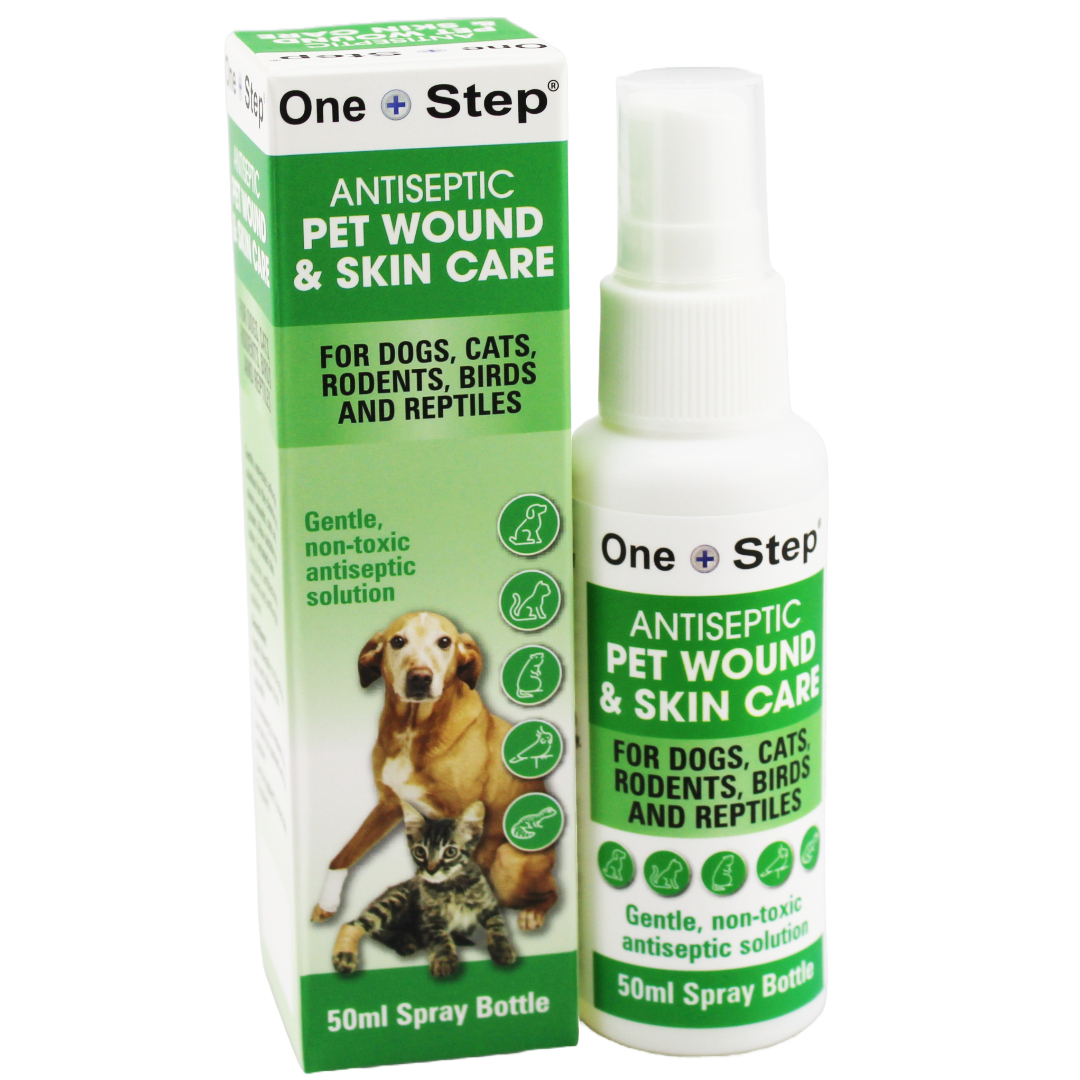
Dog-friendly Antiseptics And Ointments
Not all products are safe for dogs. Here are options:
- Chlorhexidine: Safe, gentle antiseptic
- Betadine (diluted): Good for cleaning
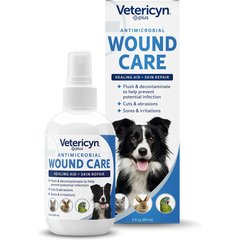
- Vetericyn: Dog-safe wound spray
- Neosporin (with vet approval): Use only if your vet says it’s safe
Avoid products with lidocaine or benzocaine, which can be toxic.
How To Bandage A Dog’s Cut Properly
Bandaging keeps wounds clean but must be done carefully.
| Bandage Step | Purpose | Common Mistakes |
|---|---|---|
| Clean wound | Removes dirt and bacteria | Skipping cleaning |
| Apply ointment | Promotes healing | Using human products |
| Place non-stick pad | Protects wound | Using cotton (sticks to wound) |
| Wrap with bandage | Secures pad | Wrapping too tightly |
| Secure with tape | Keeps bandage in place | Using sticky tape directly on fur |
Change the bandage daily or if it gets wet or dirty.
Credit: www.walmart.com
Non-obvious Insights For Beginners
- Dogs heal faster than humans: Their skin repairs quickly if kept clean, but infection can set in faster too.
- Dog hair can hide wounds: Always part fur and check carefully after outdoor activity.
- Bandages can cause more harm if left on too long: Check daily to avoid irritation or infection underneath.
Preventing Future Cuts
Prevention is better than cure. Here are ways to protect your dog:
- Keep sharp objects away from play areas
- Check walks for glass or debris
- Use booties for sensitive paws
- Trim bushes in your yard
- Supervise dogs during rough play
- Regularly check your dog’s skin and paws
A little caution goes a long way.
Caring For Your Dog During Healing
Healing isn’t just about the wound. Your dog needs comfort and care.
- Limit rough play until healed
- Keep environment clean
- Offer extra affection and treats
- Monitor for stress or changes in behavior
Dogs may act differently when hurt. Patience and gentle care help them recover.
Trusted Resources For Dog First Aid
Learning more can help you feel confident. For detailed first aid information, visit the ASPCA Dog Care Basics. This official source offers helpful guides for pet owners.
Frequently Asked Questions
What Should I Do If My Dog’s Cut Keeps Bleeding?
If bleeding doesn’t stop after 10 minutes of gentle pressure, it may be a serious injury. Apply a clean towel, keep your dog calm, and call your veterinarian immediately.
Is It Safe To Use Human Antibiotic Ointment On My Dog?
Some human ointments are safe, but others contain ingredients harmful to dogs. Always check with your vet before using any product not made for pets. Never use ointments with painkillers unless your vet says it’s okay.
How Can I Stop My Dog From Licking The Wound?
Use an Elizabethan collar or soft cone to prevent licking. Bitter sprays can help, but some dogs ignore them. Supervise your dog and distract with toys or treats.
When Should I Remove The Bandage?
Remove the bandage daily to check the wound. Replace it if it’s dirty, wet, or smells bad. If the wound is healing well and your dog isn’t licking, you can leave it uncovered.
What Signs Of Infection Should I Watch For?
Watch for redness, swelling, pus, increased pain, or a bad smell. If you notice any of these, call your vet right away. Infection can get worse quickly in dogs.
Taking care of a minor cut on your dog at home is often safe and effective if you follow the right steps. Always keep an eye on the wound and your dog’s behavior. When in doubt, reach out to your veterinarian.
With good care, most minor cuts heal smoothly and your dog will be back to normal in no time.
We’re the dedicated team behind MyPawSafe.com, with over a decade of combined experience in veterinary care, pet emergency response, and animal behavior. While we prefer to let our work speak for itself, our mission is clear: to provide science-backed, vet-approved advice that helps pet owners prevent accidents and save lives.