Every dog owner wants their furry friend to be happy, healthy, and pain-free. But dogs can’t tell us with words when they hurt. Instead, they use body language, subtle changes in behavior, and sometimes even sounds to communicate discomfort. Many signs of pain in dogs are easy to miss, especially if you’re not sure what to look for.
Recognizing these signals early can make a huge difference in your dog’s health and quality of life. This guide explores the most important signs a dog is in pain, how to tell the difference between pain and other issues, and what you should do if you suspect your dog is suffering.
Why Dogs Hide Pain
Dogs are experts at hiding pain. This behavior comes from their wild ancestors. In nature, a sick or injured animal is more vulnerable to predators and may lose its place in the pack. So, dogs often mask discomfort as a survival instinct.
This trait makes it even harder for owners to spot problems early. Many people only notice pain when it’s severe, or when their dog’s behavior changes dramatically. But by learning the subtle signs, you can help your dog much sooner.
Common Causes Of Pain In Dogs
Pain in dogs can come from many sources. Understanding the possible causes can help you watch for the right signs.
- Injury: Falls, cuts, bites, car accidents, or rough play can lead to pain.
- Arthritis: Older dogs are prone to joint pain as cartilage wears down.
- Dental Problems: Tooth decay, broken teeth, or gum disease cause significant discomfort.
- Surgery or Medical Procedures: Recovery from surgery can be painful, especially without proper pain management.
- Chronic Illness: Conditions like cancer, kidney disease, or infections often cause pain.
- Ear Infections: These can cause both pain and changes in head movement or balance.
- Back or Neck Problems: Slipped discs or spinal injuries are especially painful.
No matter the cause, pain affects every dog differently. Some are stoic, while others are vocal or restless.

Credit: www.albertparkvet.com.au
Physical Signs A Dog Is In Pain
Physical changes are often the first thing people notice. Here are the most reliable physical signs that a dog might be hurting:
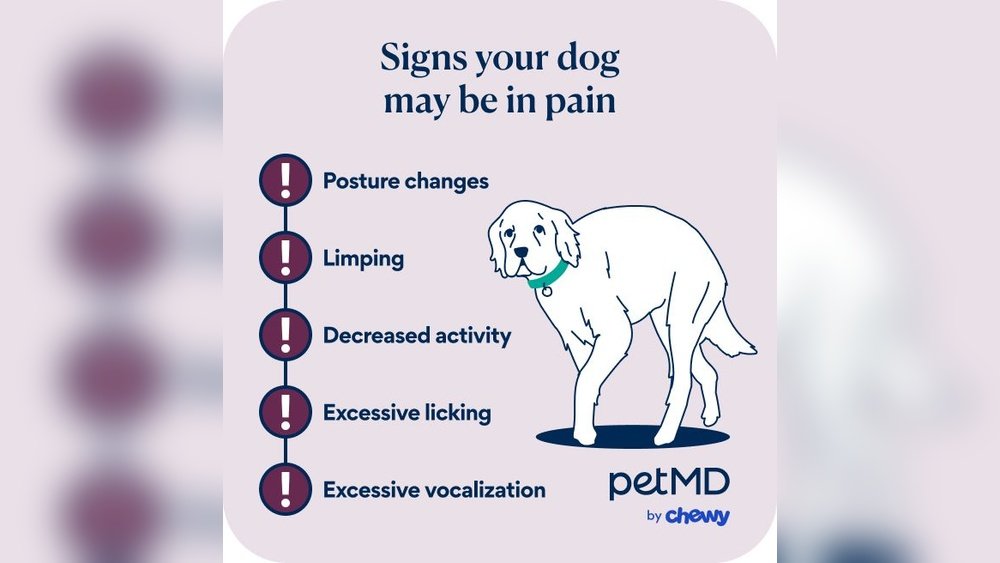
1. Limping Or Lameness
A dog that suddenly starts limping or refuses to put weight on a leg is likely in pain. Sometimes the limp is subtle—a slight favoring of one side, or walking with a stiff gait. Even a temporary limp after playtime should be watched closely.
2. Changes In Posture
Dogs in pain often change how they hold their bodies. Some may hunch their backs, tuck their tails, or keep their heads down. Others might stand in a stiff, guarded position, or shift frequently to avoid pressure on a sore spot.
3. Difficulty Moving
If your dog hesitates to jump, climb stairs, or even get up from bed, pain may be the reason. Watch for slower movement, reluctance to exercise, or needing help to stand.
4. Rapid Or Shallow Breathing
Dogs in pain may start panting more than usual, even when they haven’t been exercising or are not hot. Rapid, shallow breaths can signal discomfort, especially if your dog is resting.
5. Swelling, Redness, Or Heat
Visible swelling, warm areas, or red skin often point to injury or infection. Gently feel your dog’s body for any lumps, swelling, or hot spots if you suspect pain.
6. Changes In Eye Appearance
Dogs with eye pain may squint, keep their eyes partly closed, or have watery discharge. For pain in other parts of the body, you might notice a “glazed” look, larger pupils, or less blinking.
7. Changes In Grooming
Some dogs lick, bite, or chew at a painful spot. Excessive licking of one area, especially the paws or joints, is a strong signal. However, other dogs may stop grooming altogether.
8. Changes In Eating Or Drinking
Painful dogs might refuse food or water, chew on only one side of the mouth, or drop food while eating. Dental pain especially affects eating habits.
9. Vocalizing
Whining, whimpering, yelping, or even growling can all be signs of pain, especially if they happen suddenly or for no clear reason.
10. Changes In Sleeping Habits
A dog in pain may sleep more than usual, or they may have trouble settling down and keep shifting positions.
Behavioral Signs Of Pain In Dogs
Pain doesn’t only show in the body—it also changes how a dog acts. Here are some common behavioral shifts that can mean your dog is hurting:
Withdrawal Or Hiding
Dogs may seek quiet, hidden places when in pain. If your dog suddenly spends more time under the bed or in a closet, pay attention.
Aggression Or Irritability
Even gentle dogs can become snappy or grumpy when they hurt. If your dog suddenly growls, snaps, or avoids touch, pain may be the cause.
Restlessness
Some dogs can’t seem to get comfortable. They may pace, circle, or frequently change positions.
Loss Of Interest
A playful, active dog that suddenly loses interest in toys, walks, or family time may be in pain.
Attention-seeking
Other dogs become clingy, following you around or wanting more comfort than usual.
House Soiling
A dog that is normally house-trained may start having accidents indoors. Pain, especially in the back or joints, can make it hard for them to get outside in time.
Changes In Barking
Some dogs bark less when in pain, while others bark more. Any big change in vocal habits should be noted.
Subtle Signs Owners Often Miss
Not all pain is obvious. Sometimes, the changes are very small and easy to overlook, especially if you see your dog every day. Here are a few subtle signs:
- Reduced tail wagging: A dog that normally wags its tail with excitement but now seems less expressive may be hurting.
- Changes in facial expression: Flattened ears, a furrowed brow, or a tight mouth can signal pain.
- Reluctance to be handled: Pulling away when touched in a certain spot or avoiding petting can mean discomfort.
- Changes in routine: Sleeping in a new spot, or no longer greeting you at the door.
It’s easy to mistake these signs for aging, stress, or mood changes. But if they appear suddenly or last more than a day or two, investigate further.
How Pain Differs By Age, Breed, And Personality
Every dog is unique. Some breeds, ages, and personalities show pain differently.
Puppies Vs. Older Dogs
Puppies often cry or whine when hurt, but may recover quickly. Older dogs may not vocalize at all and instead become quiet or withdrawn.
Small Breeds Vs. Large Breeds
Small dogs may be more vocal, but large breeds often hide pain until it’s severe. For example, a Labrador with arthritis may simply slow down rather than limp.
Stoic Vs. Sensitive Dogs
Some breeds, like the Shiba Inu or Chow Chow, are known for being stoic and will not show pain until it’s extreme. Sensitive breeds, like Whippets or Italian Greyhounds, may react dramatically even to mild discomfort.
Comparison Table: Pain Response By Breed And Age
Here’s a look at how different types of dogs may react to pain:
| Type | Common Pain Response | Example Breeds |
|---|---|---|
| Puppies | Vocal, quick recovery | All breeds |
| Older Dogs | Withdrawn, less vocal | Golden Retriever, Beagle |
| Stoic Breeds | Hide pain, subtle changes | Akita, Shiba Inu, Chow Chow |
| Sensitive Breeds | Vocal, dramatic responses | Whippet, Italian Greyhound |
| Large Breeds | Slow down, limp less obvious | Labrador, Great Dane |
| Small Breeds | More vocal, quicker to show signs | Pomeranian, Chihuahua |

Credit: www.oakleighcentralvet.com.au
How To Tell Pain From Other Problems
Some changes in behavior or movement can come from stress, fear, or even boredom—not just pain. Here’s how you can tell the difference:
- Sudden onset: Painful symptoms often appear suddenly, while stress or boredom usually develop more slowly.
- Response to touch: Dogs in pain may flinch, cry, or snap when you touch a sore area.
- Location-specific signs: Limping, licking one spot, or guarding a body part often means pain.
- No improvement: If rest, comfort, or distraction don’t help, pain is more likely.
If you’re unsure, it’s always best to consult a veterinarian. Pain can sometimes be confused with other medical issues, such as infections, neurological problems, or even behavioral disorders.
When To Call The Veterinarian
Not every small limp or skipped meal means an emergency. But some signs mean you should call your vet right away:
- Crying out in pain when touched or moved
- Severe limping or inability to stand/walk
- Uncontrolled bleeding or visible wounds
- Swelling or heat in joints or limbs
- Sudden aggression in a normally gentle dog
- Vomiting or diarrhea combined with other pain signs
- Refusal to eat or drink for more than 24 hours
- Collapse or loss of consciousness
- Changes in breathing (very fast, slow, or noisy)
- Unusual eye appearance (bulging, cloudiness, severe redness)
For milder signs that last more than a day or worsen over time, book a vet appointment soon. Never give human painkillers to dogs—they can be toxic or deadly.
How Vets Assess Pain In Dogs
Veterinarians use a mix of observation, physical exams, and sometimes lab tests to assess pain. They may:
- Watch your dog’s movement, posture, and behavior
- Gently palpate (feel) joints, muscles, or the belly for reactions
- Check for swelling, redness, or wounds
- Ask about changes in appetite, energy, or habits
- Use scales or questionnaires to rate pain severity
Here’s a simplified look at how pain assessments are done:
| Assessment Method | What It Tells | Common Tools |
|---|---|---|
| Observation | Behavioral changes | Visual check, owner reports |
| Physical Exam | Location and severity of pain | Hands-on exam, palpation |
| Pain Scales | Severity of pain | Glasgow Composite Pain Scale, Colorado State University Scale |
| Lab Tests | Rule out illness or infection | Bloodwork, X-rays, ultrasound |
Home Care For Dogs In Pain
While a vet visit is the best step for any unexplained pain, there are ways to make your dog more comfortable at home.
Provide A Soft Resting Area
A thick, supportive bed helps dogs with joint or muscle pain. Place the bed in a quiet, warm spot away from busy areas.
Limit Activity
Restrict jumping, running, or rough play until you know the cause of the pain. Use a leash for short, gentle walks.
Help With Mobility
For dogs with arthritis or leg pain, ramps or stairs can help them get on the couch or bed without jumping. Non-slip mats on floors prevent slipping.
Gentle Touch And Comfort
Some dogs enjoy gentle petting or massages, while others need space. Watch your dog’s reaction and respect their wishes.
Medication (only With Vet Guidance)
Never give over-the-counter painkillers like ibuprofen or acetaminophen—they are dangerous for dogs. Only use medications your vet prescribes.
Monitor Food And Water Intake
Make sure your dog can easily reach their food and water bowls. If dental pain is present, offer softer food.
Track Symptoms
Keep a log of your dog’s symptoms, behavior changes, and any improvements or worsening. This helps your vet diagnose and treat the problem.
Preventing Pain In Dogs
While not all pain can be prevented, you can lower the risk for many common problems.
- Regular Vet Visits: Annual or biannual checkups catch problems early.
- Good Dental Care: Brush your dog’s teeth, offer dental chews, and get professional cleanings.
- Safe Exercise: Avoid over-exercising puppies or seniors. Warm up before play.
- Healthy Weight: Obesity increases the risk of arthritis, back pain, and injuries.
- Vaccinations and Parasite Control: Protect against diseases that can cause pain.
- Supervised Play: Prevent injuries by watching playtime, especially with large or excitable dogs.
- Senior Dog Care: Older dogs need softer beds, easier access to food and water, and more frequent vet checks.
Non-obvious Insights About Dogs In Pain
Most guides cover the basic signs. Here are two important points many owners miss:
- Pain can look like anxiety or even confusion. Dogs may pant, pace, or appear restless because they hurt—not just because they are nervous. This is especially true in older dogs.
- Not all “slowing down” is normal aging. Many owners think that less play or more sleep is just part of getting older. In reality, these changes can be early signs of pain, especially arthritis or dental problems. Always investigate sudden changes, even in senior dogs.
Real-life Examples
Let’s look at some examples to understand how these signs appear in daily life:
- Milo, an 8-year-old Labrador: His owner noticed he stopped jumping into the car and seemed less excited for walks. After a vet visit, Milo was diagnosed with arthritis. With medication and joint supplements, he became more active again.
- Bella, a 4-year-old Poodle: Bella started licking her front paw constantly. At first, her owner thought it was just a habit, but a closer look found a small cut between her toes. After cleaning and treating the wound, the licking stopped.
- Rocky, a 2-year-old mixed breed: Rocky became aggressive and snapped at children, which was very unusual. It turned out he had a painful ear infection that was only found after a thorough vet exam.
These cases show why paying attention to subtle signs—and acting quickly—matters.
How Pain Affects A Dog’s Quality Of Life
Untreated pain impacts every part of a dog’s life. It can lead to:
- Less interest in food, play, or family
- Poor sleep and increased stress
- Aggression or depression
- Weaker immune system
- Slower recovery from illness
Dogs live in the present. If they’re in pain, their world becomes smaller and less joyful. Timely pain management not only improves their comfort but can also add years to their life.

Credit: www.diamondpet.com
Table: Acute Vs. Chronic Pain In Dogs
Understanding the difference between acute (short-term) and chronic (long-term) pain helps owners take the right actions.
| Type of Pain | Common Causes | Typical Signs | Best Response |
|---|---|---|---|
| Acute | Injury, surgery, sudden illness | Limping, crying out, sudden behavior change | Immediate vet care |
| Chronic | Arthritis, dental disease, cancer | Slowdown, subtle changes, ongoing discomfort | Ongoing management, regular vet visits |
Tips For Communicating With Your Vet
When you suspect your dog is in pain, clear communication with your veterinarian is key. Here’s how to help your vet help your dog:
- Describe changes clearly: Note when the symptoms started, how often they happen, and what seems to make them better or worse.
- Record videos: Short clips of limping, odd posture, or unusual behavior can help your vet see signs that might not appear during an appointment.
- List all symptoms: Even changes that seem minor can help your vet pinpoint the cause.
- Ask about pain management: Don’t be afraid to ask if your dog needs pain relief, or if there are new options available.
Veterinary medicine is always advancing. New pain medications, therapies, and treatments are developed all the time. Stay informed and don’t hesitate to seek a second opinion if something doesn’t feel right.
For more detailed information on pain assessment in dogs, you can visit this American Veterinary Medical Association guide.
Frequently Asked Questions
What Is The Most Common Sign Of Pain In Dogs?
The most common sign is limping or lameness, especially after exercise or play. However, other signs like changes in behavior, loss of appetite, or increased sleep are also frequent.
Can Dogs Cry Tears When They Are In Pain?
Dogs don’t cry tears from pain or sadness like humans do. Instead, they may whimper, whine, or vocalize. Watery eyes usually mean an eye problem, not emotional pain.
How Can I Tell If My Senior Dog’s Changes Are From Pain Or Just Aging?
Sudden changes—like reluctance to move, difficulty getting up, or loss of interest in activities—are more likely to be pain. Normal aging is gradual and doesn’t usually cause distress. When in doubt, ask your vet.
Is It Safe To Give My Dog Human Painkillers?
No, most human painkillers are toxic to dogs and can cause severe harm or death. Only give medications prescribed by your veterinarian.
What Should I Do If My Dog Is In Pain But It’s After Hours?
If your dog has severe pain, can’t walk, or has other emergency signs (bleeding, collapse, trouble breathing), call an emergency vet clinic immediately. For mild signs, keep your dog comfortable and call your regular vet as soon as possible.
Spotting pain in your dog is not always easy, but your attention can save them from days, weeks, or even months of suffering. Stay alert to both obvious and subtle signs, and never hesitate to seek professional advice when something seems wrong.
Your dog depends on you to recognize when they need help—and to make their life as comfortable as possible.
We’re the dedicated team behind MyPawSafe.com, with over a decade of combined experience in veterinary care, pet emergency response, and animal behavior. While we prefer to let our work speak for itself, our mission is clear: to provide science-backed, vet-approved advice that helps pet owners prevent accidents and save lives.