Recognizing Signs Of Anxiety Vs Pain In Dogs
If you are a dog owner, you know how much your pet means to you. Dogs bring energy, love, and loyalty to our lives. But when something seems wrong, it can be hard to know what your dog is feeling.
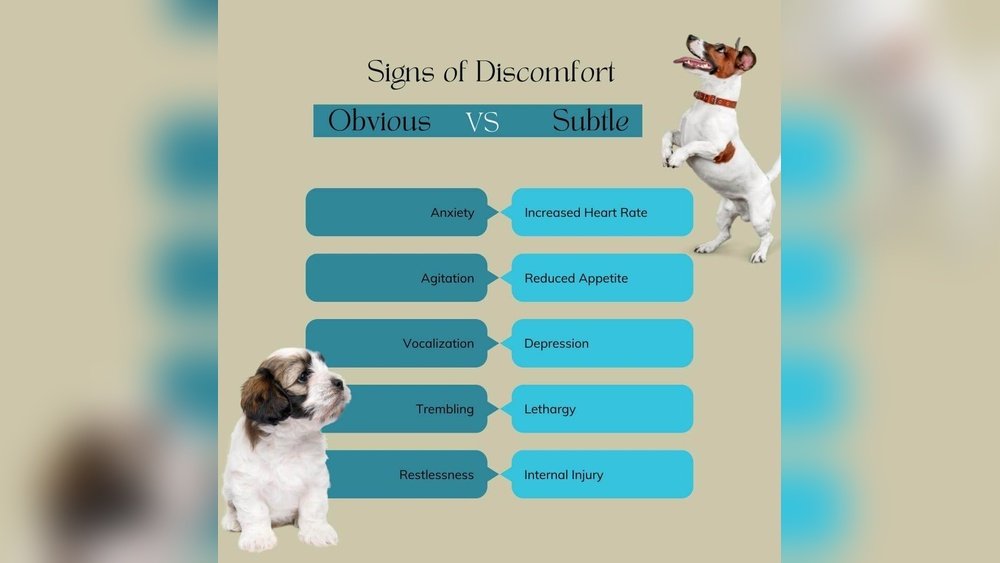
Is your dog anxious, or is it actually in pain? Both anxiety and pain can change a dog’s behavior, but the signs are not always clear. Knowing the difference can help you respond the right way and keep your dog healthy.
In this article, you’ll learn how to tell the difference between anxiety and pain in dogs. You’ll see examples, get practical tips, and understand why making the right call is so important. The more you know, the better you can help your dog feel safe and comfortable.
Why Understanding The Difference Matters
Dogs cannot talk, so their body language and actions are our main clues. Misreading these signs can lead to more stress for your pet. If you think your dog is anxious when it is actually in pain, you may try calming techniques when your dog needs medical attention.
On the other hand, treating pain as anxiety could mean missing a health problem. Quick and correct action can make a huge difference in your dog’s quality of life.
Many owners confuse anxiety and pain because some signs look the same. For example, both can cause shaking, hiding, or changes in appetite. But there are key differences. Learning these will help you react faster and avoid costly mistakes.
What Causes Anxiety In Dogs?
Anxiety is a feeling of worry or fear. Dogs can feel anxiety for many reasons:
- Separation: Being left alone, even for short times
- Loud noises: Thunderstorms, fireworks, or construction
- New experiences: Moving to a new home, new people, or pets
- Changes in routine: Sudden shifts in feeding or walk times
Some breeds are more likely to be anxious. For example, Border Collies and German Shepherds often show more signs of stress. A traumatic experience, like a car accident or harsh punishment, can also make a dog more sensitive.
Common Signs Of Anxiety
Dogs show anxiety in many ways. Some signs are easy to spot, while others are subtle. Watch for these behaviors:
- Pacing: Walking back and forth without resting
- Panting: Fast, open-mouthed breathing even when not hot
- Whining or barking: Making noise with no clear reason
- Shaking or trembling: Body shakes, often with ears back
- Hiding: Going under beds, behind furniture, or into corners
- Destructive behavior: Chewing furniture, scratching doors, or digging
- Excessive licking: Licking paws or objects repeatedly
Some dogs will show more than one sign at a time. For example, a dog may bark, pace, and hide during a thunderstorm. Others might only show one behavior, like licking or yawning.

Credit: beyondpets.com
What Causes Pain In Dogs?
Pain is an uncomfortable feeling that comes from an injury or illness. Dogs can feel pain from:
- Injuries: Broken bones, cuts, or bruises
- Arthritis: Common in older dogs, affecting the joints
- Dental problems: Toothaches or gum disease
- Ear infections: Swelling or redness inside the ear
- Internal disease: Problems with the kidneys, liver, or stomach
Pain can be sudden (acute) or last for a long time (chronic). Acute pain might come from a recent injury, while chronic pain often comes from conditions like arthritis.
Common Signs Of Pain
Pain changes a dog’s behavior in different ways. Here are common signs to watch for:
- Limping: Walking with uneven steps or avoiding weight on one leg
- Vocalizing: Whining, whimpering, yelping, or growling when touched
- Restlessness: Not being able to settle, shifting position often
- Reduced activity: Less interest in walks, play, or jumping
- Hiding: Staying away from people or other pets
- Changes in posture: Hunched back, head down, or tail tucked
- Guarding a body part: Licking, biting, or staring at a sore area
Some pain signs are easy to miss, especially in stoic breeds like Labrador Retrievers. Dogs often hide pain as a survival instinct, so changes can be subtle.
Side-by-side Comparison: Anxiety Vs Pain
To make things clearer, here is a direct comparison between common anxiety and pain signs in dogs:
| Behavior | Anxiety | Pain |
|---|---|---|
| Pacing | Common | Sometimes |
| Panting | Common (without heat/exercise) | Common (with pain episode) |
| Vocalizing | Whining, barking, howling | Whining, yelping, growling (when touched) |
| Limping | Rare | Common |
| Destructive Behavior | Common (chewing, digging) | Rare |
| Hiding | Common | Common |
| Loss of Appetite | Sometimes | Common |
| Guarding Body Part | Rare | Common |
This table highlights that some behaviors overlap, but others are unique. For example, limping and guarding a body part are almost always signs of pain, not anxiety.
Reading Your Dog’s Body Language
Dogs use their whole body to communicate. Understanding their body language can help you spot the difference between anxiety and pain:
- Ears: Pinned back ears can mean both anxiety and pain, but if your dog’s ears go back only when touched in a specific spot, it suggests pain.
- Tail: A tucked tail often shows anxiety, but if the tail is stiff or held oddly, it may point to pain.
- Eyes: Wide, darting eyes can mean anxiety. Squinting or half-closing one eye often means pain, especially in the face.
- Mouth: Yawning and lip-licking are signs of anxiety. A tense mouth, drooling, or difficulty eating points to pain.
Subtle Clues Owners Often Miss
Many owners miss small changes that point to pain. For example, a dog that starts sleeping on the floor instead of the couch may be avoiding jumping because of joint pain. A dog that suddenly refuses stairs might not be stubborn but could have a hidden injury.
Owners often think these are just “slowing down” or normal aging, but they can be signs of pain.
Anxiety, on the other hand, can cause behaviors that seem like simple quirks, like licking paws or yawning often. These are sometimes dismissed as “just being a dog,” but in context, they signal stress.
How Vets Diagnose Anxiety And Pain
A veterinarian is your best ally when you’re not sure what your dog is feeling. Vets use both observation and medical tests to make a diagnosis.
Steps Vets Take
- History: The vet will ask about your dog’s recent behavior, appetite, and any injuries.
- Physical exam: They check for obvious injuries, swelling, or sore spots.
- Behavioral assessment: The vet watches your dog’s reaction to touch and new people.
- Lab tests: Blood work, X-rays, or other tests may be used if pain is suspected.
- Response to treatment: Sometimes, a trial of anti-anxiety meds or pain relief is used to see what helps.
Example Scenario
If your dog starts limping and whining, the vet will likely focus on pain first. But if your dog is pacing, panting, and hiding only when you leave the house, anxiety is more likely.
Case Studies: Real Dog Behavior Examples
Seeing how real dogs act can help you spot signs in your own pet. Here are a few scenarios:
Case 1: Molly, The Pacing Poodle
Molly, a 5-year-old poodle, started pacing every night and whined when her family left. She chewed the door frame and licked her paws until they were red. The vet found no injury, so the problem was diagnosed as separation anxiety. Training and calming aids helped her feel secure.
Case 2: Max, The Limping Labrador
Max, an 8-year-old lab, stopped jumping into the car and avoided stairs. He began sleeping on the floor. His owner thought he was just “getting old. ” An exam revealed arthritis in his hips. Pain medication and joint supplements improved his energy and mood.
Case 3: Bella, The Silent Sufferer
Bella, a small mixed breed, became withdrawn and started hiding under the bed. She was not eating well and flinched when her ear was touched. The vet found a deep ear infection. After treatment, she returned to her playful self.
Common Mistakes Owners Make
Even experienced dog owners can make mistakes when reading their pet’s behavior. Here are common errors:
- Assuming aging means less activity: Dogs slow down with age, but pain often plays a big role. Don’t ignore changes.
- Punishing anxious behavior: Yelling at a dog that chews or digs from anxiety can make stress worse.
- Using human pain meds: Never give your dog painkillers meant for people; some are toxic to dogs.
- Missing dental pain: Dogs rarely show obvious mouth pain. Look for changes in eating or dropping food.
- Ignoring subtle limps: A slight limp can mean a hidden injury or arthritis. Always investigate.
Owners often think a “well-behaved” dog is not anxious or in pain. In reality, some breeds hide their problems very well. Regular checkups help catch silent issues.

Credit: www.veg.com
How To Respond: What To Do First
If you notice a change in your dog’s behavior, take these steps:
- Observe carefully: Write down when the behavior started, how often it happens, and what triggers it.
- Look for patterns: Is the behavior linked to certain events, like thunderstorms or being left alone? Or does it happen all the time?
- Check for injuries: Gently feel for sore spots, swelling, or wounds. If your dog yelps or bites, stop and call your vet.
- Try calming techniques: For anxiety, use a calm voice, soothing music, or a favorite toy. If these don’t help, suspect pain.
- Call your vet: If you see limping, sudden hiding, loss of appetite, or vocalizing when touched, get a medical checkup soon.
Never wait more than a few days if your dog seems in pain. Early action can prevent bigger problems.
Treatment Options For Anxiety
Dogs with anxiety can improve with a mix of changes at home, training, and sometimes medication.
Home Changes
- Safe spaces: Create a quiet area with your dog’s bed and toys.
- Routine: Feed and walk your dog at the same times every day.
- Calming aids: Try pheromone diffusers, anxiety wraps, or calming music.
Training
- Desensitization: Slowly expose your dog to triggers in a safe way.
- Counter-conditioning: Reward calm behavior with treats or praise.
Medication
For severe anxiety, vets may prescribe:
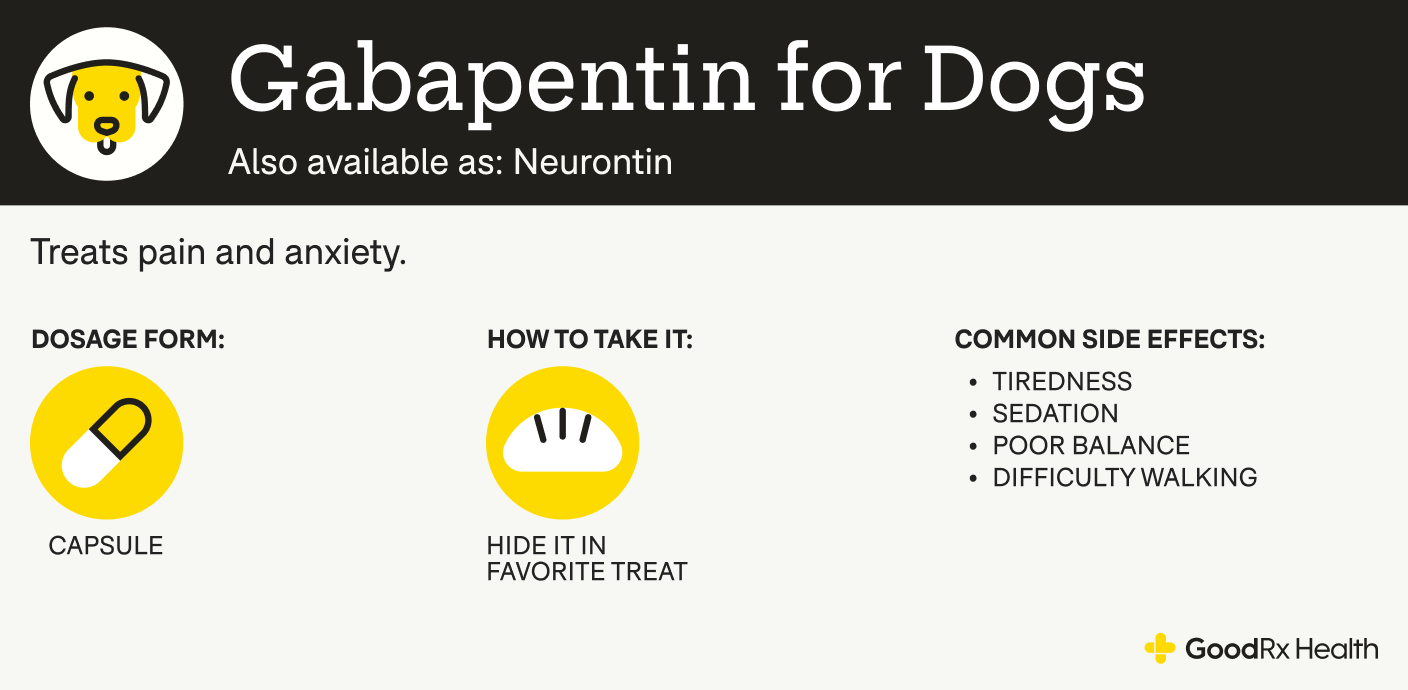
- SSRIs: Like fluoxetine, to reduce anxiety over time
- Benzodiazepines: For short-term relief (e.g., before fireworks)
Always use medication under your vet’s guidance.
Data On Anxiety
Studies show that up to 29% of dogs show signs of separation anxiety. Early treatment reduces long-term stress and improves behavior.
Treatment Options For Pain
Pain must be treated at its source. Options include:
Medication
- NSAIDs: For joint pain or arthritis (dog-safe only)
- Opioids: For severe pain, used short-term
- Steroids: For inflammation
Other Treatments
- Physical therapy: Gentle exercises to keep joints moving
- Weight management: Reducing extra weight eases joint pain
- Surgery: For injuries or serious issues
Home Care
- Soft bedding: Helps sore joints
- Ramps: Make it easier for dogs to get on beds or into cars
Data On Pain
A study published in 2020 found that over 20% of older dogs have undiagnosed arthritis. Catching pain early means better mobility and less suffering.
Key Differences: Anxiety Vs Pain In Dogs
To summarize, here is a comparison of key differences:
| Sign | More Likely Anxiety | More Likely Pain |
|---|---|---|
| Triggered by events (e.g., thunder) | Yes | No |
| Limping or stiffness | No | Yes |
| Destructive chewing/digging | Yes | No |
| Change in appetite | Sometimes | Common |
| Sudden yelp when touched | No | Yes |
| Hiding | Often | Often |
Triggers are key: Anxiety is usually tied to specific events or changes, while pain is present even at rest or when alone.
Credit: www.goodrx.com
When To Call The Vet Immediately
Some signs mean you should call your vet right away:
- Sudden, severe pain: Crying, yelping, or refusing to move
- Collapse or weakness
- Severe limping
- Bleeding or swelling
- Not eating or drinking for 24 hours
- Trouble breathing
These can signal emergencies like broken bones, poisoning, or serious illness. Delaying could risk your dog’s life.
The Role Of Environment And Routine
Your dog’s daily life affects both anxiety and pain. A loud, busy home can increase anxiety. Slippery floors or high beds can make pain worse for older dogs. Small changes help:
- Quiet spaces: Reduce loud noises when possible.
- Stable routines: Feed and walk at the same times daily.
- Supportive surfaces: Use rugs or mats for better footing.
Dogs feel safer and show fewer signs of stress in a predictable, calm environment.
Non-obvious Insights Owners Miss
- Subtle pain looks like “good behavior”: A dog that suddenly stops jumping or playing may seem calmer, but this can be a sign of hidden pain, not better manners.
- Chronic anxiety can cause physical problems: Over time, stress hormones can weaken the immune system, leading to more illness or slow healing.
- Some dogs switch from anxiety to pain: For example, a dog that chews its paw from anxiety can develop an infection, leading to pain.
- A dog’s breed and age affect symptoms: Older dogs and certain breeds are more likely to hide pain. Small dogs often show anxiety in subtle ways.
- Weather changes: Cold or damp weather can make arthritis pain worse, while thunderstorms can trigger anxiety.
Supporting Your Dog At Home
You can do a lot at home to help your dog feel better:
- Monitor changes: Keep a journal of your dog’s habits, appetite, and energy.
- Encourage gentle activity: Short walks, gentle play, and mental games help both anxiety and mild pain.
- Stay patient: Dogs pick up on your stress. Use a calm voice and slow movements.
If you are unsure, always ask your vet. Early help prevents bigger problems later.
The Role Of Professional Help
Sometimes, you need more than home care. Animal behaviorists, trainers, and physical therapists can give expert advice. For example, a certified trainer can help with anxiety, while a canine physical therapist can design exercises for pain. Ask your vet for referrals to trusted professionals.
Useful Resources
To learn more about anxiety and pain in dogs, you can visit the American Veterinary Medical Association at AVMA’s pet pain guide. It has helpful tips and videos for pet owners.
Frequently Asked Questions
What Are The Most Common Signs Of Anxiety In Dogs?
The most common signs include pacing, panting, hiding, whining, destructive chewing, and excessive licking. Anxiety often appears during stressful events like thunderstorms or when the dog is left alone.
How Can I Tell If My Dog Is In Pain Or Just Anxious?
Look for signs that are unique to pain, such as limping, guarding a body part, or yelping when touched. Anxiety often has triggers like loud noises or separation, while pain is present even at rest. If you are unsure, see your vet.
Can A Dog Have Both Anxiety And Pain At The Same Time?
Yes, a dog can suffer from both. For example, chronic pain can cause anxiety, and long-term anxiety can sometimes lead to physical problems. Treating both is important for your dog’s well-being.
Should I Give My Dog Human Pain Or Anxiety Medicine?
No, never give your dog human medications without your vet’s approval. Some human drugs are dangerous or even deadly to dogs. Always use medicines prescribed for pets.
When Should I Take My Dog To The Vet For Behavior Changes?
Take your dog to the vet if you see sudden changes in behavior, loss of appetite, limping, crying out, or if anxiety is severe and does not improve with home care. Early treatment is safer and usually less expensive.
Caring for your dog means paying attention to both body and mind. Learning the difference between anxiety and pain is one of the best ways to support your pet’s health and happiness. Small changes in behavior can point to big problems, so always trust your instincts and reach out to your vet if you are unsure. With knowledge, patience, and quick action, you can help your dog live a more comfortable and joyful life.
We’re the dedicated team behind MyPawSafe.com, with over a decade of combined experience in veterinary care, pet emergency response, and animal behavior. While we prefer to let our work speak for itself, our mission is clear: to provide science-backed, vet-approved advice that helps pet owners prevent accidents and save lives.