
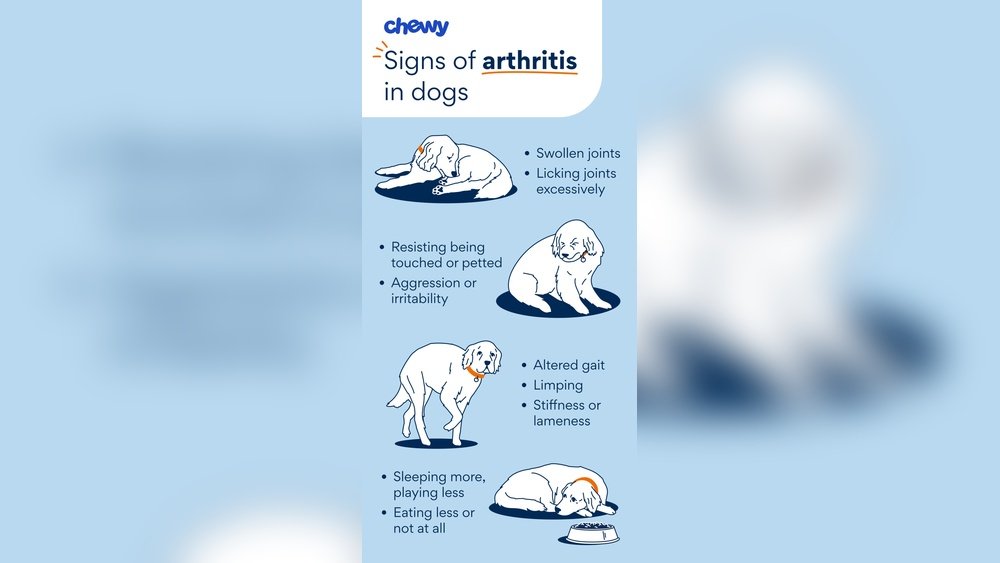
As dogs age, their bodies change in many ways. One of the most common health issues senior dogs face is arthritis. This joint disease can cause pain, stiffness, and difficulty moving. Many owners miss the early signs, thinking their dog’s slower pace is simply old age. However, recognizing arthritis early can make a big difference in your dog’s comfort and quality of life. This article will help you understand the signs of arthritis in senior dogs, why it happens, and how you can support your furry friend.
What Is Arthritis In Dogs?
Arthritis, also called osteoarthritis or degenerative joint disease, is a condition where the joints become inflamed and the cartilage breaks down. Over time, the bones may rub together, leading to pain and reduced movement. While arthritis can affect dogs of any age, it’s much more common in seniors. About one in five adult dogs in the United States is affected by arthritis, but the risk increases as dogs get older.
Why Senior Dogs Are At Risk
As dogs age, their joints experience years of wear and tear. The cartilage, which acts as a cushion, slowly wears away. Extra weight, past injuries, or genetic factors can speed up this process. Large breeds like Labrador Retrievers, German Shepherds, and Golden Retrievers are especially prone to arthritis, but any breed can develop it.
Common Signs Of Arthritis In Senior Dogs
Spotting arthritis early can be tricky. Dogs are good at hiding pain, and the signs can develop slowly. Here are the main symptoms to watch for:
1. Stiffness, Especially After Rest
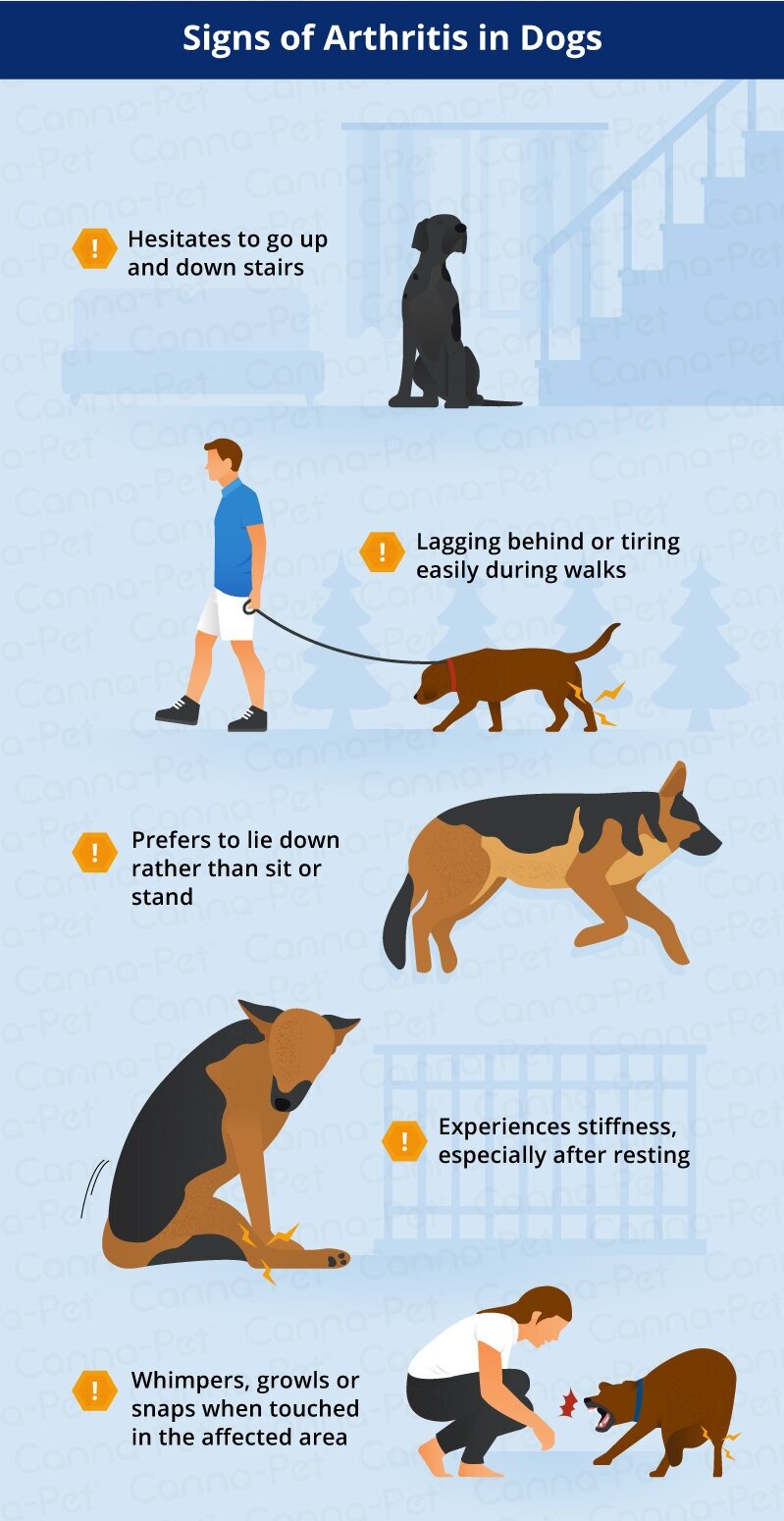
One of the first signs is stiffness when your dog gets up, especially after sleeping or lying down for a while. You might notice your dog moving slowly or awkwardly in the morning but loosening up after a few minutes.
2. Difficulty Rising Or Lying Down
Arthritic dogs may struggle to stand up or lie down. They might need several tries to get up or show hesitation before lying down. This is often more noticeable on slippery floors, where they have less grip.
3. Limping Or Favoring A Leg
Your dog may limp, favor one leg, or shift weight to avoid using a painful joint. The limp can be subtle at first and may come and go, especially after play or a long walk.
4. Reluctance To Jump Or Climb Stairs
A senior dog with arthritis might refuse to jump onto the couch, climb stairs, or get into the car. Activities that were once easy become hard or impossible. Some dogs may stand at the bottom of the stairs and bark or whine for help.
5. Decreased Activity
Dogs with arthritis often become less active. They may not play with toys, run, or show excitement for walks as much as before. Instead, they’ll rest more and avoid activities that cause pain.
6. Changes In Gait
Watch for changes in how your dog walks. Their steps might become shorter, or their back may look hunched. Sometimes, you’ll see a “bunny hop” gait, where both back legs move together to avoid joint pain.
7. Swollen Joints
In some cases, you can feel or see swelling around the joints. The affected area may be warmer than normal due to inflammation.
8. Muscle Loss
Because arthritis makes movement painful, dogs may use the affected leg or joint less. Over time, the muscles around that joint can shrink, making the limb look thinner.
9. Irritability Or Behavior Changes
Pain can change your dog’s mood. A normally gentle dog may become grumpy, avoid being touched, or react aggressively if you touch a sore spot.
10. Licking, Chewing, Or Biting Joints
Some dogs try to relieve pain by licking or chewing at the joint. You might notice wet fur, stains, or even sores near the joint.
Credit: www.huskyhavenfl.org
Early Vs. Advanced Signs
The signs of arthritis can range from mild to severe. Early signs are often easy to miss, so it helps to know how they progress.
| Stage | Early Signs | Advanced Signs |
|---|---|---|
| Mild | Stiffness after rest, slower to get up, mild limp | Rare |
| Moderate | Reluctance to jump, less active, favoring one leg | Visible muscle loss, obvious limp, joint swelling |
| Severe | Reluctance to move at all | Crying in pain, aggression when touched, severe muscle loss |
Dogs often hide pain until it becomes severe. That’s why early observation and regular vet visits are so important.
Less Obvious Signs Owners Often Miss
Some arthritis symptoms are easy to overlook, especially if you’re not expecting them:
- Personality changes: Your dog may seem withdrawn, less interested in family time, or avoid greeting you at the door.
- Unusual sleeping spots: Instead of their bed, your dog might choose to sleep on a hard floor to cool a sore joint.
- Frequent slipping: Dogs with arthritis can lose confidence on slippery surfaces and may slip more often.
- Accidents in the house: Some arthritic dogs have trouble getting up to go outside, leading to potty accidents.
These changes are easy to mistake for normal aging, but they may signal joint pain.
How Vets Diagnose Arthritis
If you suspect arthritis, your veterinarian will do a full checkup. Here’s what you can expect:
Physical Exam
The vet will watch your dog walk, check their gait, and feel the joints for swelling, warmth, or pain. They may gently bend and extend each joint to test for stiffness or discomfort.
X-rays
X-rays are the most common way to confirm arthritis. They show changes in bone shape, joint space, and the presence of bony growths called osteophytes.
Other Tests
Sometimes, your vet may recommend blood tests or joint fluid analysis to rule out other causes of joint pain, such as infection or immune disorders.
Factors That Make Arthritis Worse
Not all dogs with arthritis have the same experience. Several factors can make arthritis progress faster or become more painful:
1. Obesity
Extra weight puts more stress on your dog’s joints. Overweight dogs are much more likely to develop severe arthritis and feel pain.
2. Poor Muscle Tone
Dogs need strong muscles to support their joints. If your dog is inactive for a long time, muscle loss can make arthritis worse.
3. Past Injuries
Old injuries, like a torn ligament or broken bone, can damage joints and lead to early arthritis.
4. Breed And Genetics
Some breeds are born with joint problems, like hip dysplasia or elbow dysplasia, that set the stage for arthritis.
5. Lack Of Exercise
Too little movement can cause stiffness and poor joint health. However, too much hard exercise can also damage the joints.
Differences Between Arthritis And Other Senior Dog Problems
Not all limping or stiffness is caused by arthritis. Other health problems can look similar. For example:
- Neurological issues (like slipped discs) can cause weakness or trouble walking.
- Muscle injuries may cause sudden limping but usually heal with rest.
- Cancer can also affect bones or joints.
If your dog shows new symptoms, a vet visit is the best way to find the cause.
Managing Arthritis At Home
If your dog is diagnosed with arthritis, there are many ways you can help at home. These changes can ease pain, improve movement, and keep your dog happy.
Weight Control
Keeping your dog at a healthy weight is the most important step. Even small weight loss can reduce joint pain. Ask your vet for a safe weight loss plan if needed.
Comfortable Bedding
Give your dog a soft, supportive bed. Orthopedic foam beds can cushion sore joints and help your dog sleep better. Place beds in areas with easy access, away from stairs.
Easy Access
Help your dog avoid jumping or climbing. Use ramps or steps to reach favorite spots, like the couch or car. Block off stairs if they become too difficult.
Non-slip Surfaces
Place rugs or mats on slippery floors to prevent falls. This helps your dog walk safely and reduces fear of moving around.
Gentle Exercise
Regular, gentle walks keep joints flexible and muscles strong. Avoid long runs, jumping, or rough play. Swimming is a great low-impact option if your dog enjoys water.
Massage And Heat Therapy
Gentle massage can relax stiff muscles. Warm packs (not too hot) can soothe sore joints. Always check with your vet before starting new therapies.
Joint Supplements
Supplements like glucosamine, chondroitin, and omega-3 fatty acids may support joint health. While results can vary, many owners see improvement with long-term use. Ask your vet for recommendations.
Veterinary Treatments For Arthritis
Your veterinarian may suggest several treatments to help manage arthritis. Each dog is different, so your vet will create a plan based on your dog’s needs.
Pain Medications
Common drugs include NSAIDs (non-steroidal anti-inflammatory drugs) like carprofen or meloxicam. These reduce pain and inflammation but need regular vet monitoring for side effects.
Disease-modifying Drugs
Medications like polysulfated glycosaminoglycans help protect joint cartilage and slow arthritis progression.
Physical Therapy
Physical therapy, or rehabilitation, includes special exercises, stretches, and sometimes equipment like underwater treadmills. A certified dog rehab therapist can create a custom program.
Alternative Therapies
Some dogs benefit from acupuncture, laser therapy, or shockwave therapy. These treatments may reduce pain and improve movement for some dogs.
Surgery
In severe cases, surgery may help. Procedures include cleaning out joint debris, repairing torn ligaments, or even joint replacement. Surgery is usually a last resort for dogs who do not respond to other treatments.
How Arthritis Affects Daily Life
Arthritis changes how your dog experiences the world. Simple activities like getting up for breakfast, greeting you at the door, or going outside to potty may become harder. Some dogs may develop anxiety or sadness due to limited mobility. Others may become more attached, wanting comfort and reassurance.
Dogs with arthritis are at higher risk for:
- Muscle loss
- Weight gain (from less exercise)
- Pressure sores (from lying in one position too long)
- Urinary tract infections (if movement is difficult)
Your support and attention can make a huge difference in their well-being.
Real-life Example: Max’s Story
Max, a 10-year-old Golden Retriever, loved long walks and chasing balls. At age 9, his owner noticed he started lagging behind on walks and sometimes limped after playtime. At first, they thought it was just old age, but after a vet visit and x-rays, Max was diagnosed with hip arthritis.
With changes at home—like adding non-slip rugs, losing a few pounds, and daily joint supplements—Max became more active again. His owner also started gentle swimming sessions and, with vet approval, added pain medication. Max’s story shows that early action and small changes can help senior dogs enjoy life, even with arthritis.
Comparing Arthritis Management Strategies
Owners often ask which management strategies work best. Each dog is unique, but here’s a general comparison:
| Strategy | Benefit | Common Drawback | Cost Level |
|---|---|---|---|
| Weight Control | Reduces joint strain | Requires diet changes | Low |
| Joint Supplements | May support cartilage | Results vary by dog | Moderate |
| Pain Medications | Reduces pain quickly | Possible side effects | Moderate–High |
| Physical Therapy | Improves movement, muscle | Needs regular sessions | High |
| Alternative Therapies | Extra relief for some | Not all dogs respond | Moderate–High |
| Surgery | Can restore movement | Invasive, long recovery | Very High |
Combining several strategies often works best. Your vet can help you design a plan that fits your dog’s needs, lifestyle, and your budget.
Myths And Facts About Canine Arthritis
Many owners hear myths that can delay proper care. Let’s separate fact from fiction.
Myth 1: Arthritis Only Affects Large Breeds.
Fact: Any breed, size, or mixed breed can get arthritis. Small dogs may show less obvious signs but can still feel pain.
Myth 2: Slowing Down Is Just Old Age.
Fact: While slowing down is common, arthritis pain is not “normal” aging. Proper care can help dogs stay active and happy.
Myth 3: Rest Is Best For Arthritic Dogs.
Fact: Too much rest can cause muscle loss and more stiffness. Gentle, regular exercise is important.
Myth 4: There’s Nothing You Can Do.
Fact: Many treatments exist. Most dogs with arthritis can live comfortable, happy lives with the right care.
Tips For Monitoring Your Senior Dog
Catching arthritis early means watching closely for changes. Here’s how to keep track:
- Observe movement daily. Watch for limping, stiffness, or changes in activity.
- Track appetite and behavior. Loss of interest in food or play may mean pain.
- Check weight regularly. Weigh your dog every month and note any changes.
- Log bathroom habits. Trouble getting up to go outside may lead to accidents.
- Keep a journal. Write down any new symptoms or concerns to share with your vet.
When To See The Vet
It’s always best to check with your vet if you notice:
- New or worsening limp
- Trouble getting up or lying down
- Reluctance to walk, climb stairs, or jump
- Swollen or hot joints
- Sudden changes in mood or behavior
- Accidents in the house
Don’t wait for symptoms to become severe. Early action can slow arthritis and improve your dog’s quality of life.
Non-obvious Insights That Make A Difference
Many owners miss the impact of environmental changes. Simple steps like moving your dog’s food and water bowls to an easy-to-reach spot, or using raised feeders, can prevent extra strain on sore joints.
Another often-overlooked tip: Seasonal weather changes can affect arthritis. Cold, damp weather may make pain worse, so extra warmth and indoor activities can help during winter months.

Credit: fortmillvet.com
Looking To The Future: New Arthritis Treatments
Research on canine arthritis is ongoing. New medications, stem cell therapy, and even regenerative medicine are showing promise for the future. For example, some studies suggest that platelet-rich plasma (PRP) therapy can reduce pain for some dogs. Always ask your vet about the latest options, especially for severe cases.
For more on arthritis research, see American Kennel Club.
Frequently Asked Questions
What Is The Main Cause Of Arthritis In Senior Dogs?
The most common cause is wear and tear on the joints over time, leading to the breakdown of cartilage. Genetics, past injuries, and obesity can increase the risk.
How Can I Tell If My Dog Is In Pain From Arthritis?
Look for signs like limping, stiffness, reluctance to move, irritability, or avoiding stairs and jumps. Behavioral changes, such as less interest in play or changes in sleep spots, can also signal pain.
Is Arthritis In Dogs Curable?
There is no cure for arthritis, but many treatments can reduce pain and improve quality of life. Early diagnosis and a combination of therapies work best.
Should I Walk My Arthritic Dog?
Yes, but keep walks short and gentle. Regular, moderate exercise is good for joint health. Avoid hard runs, jumping, or rough play.
Are There Breeds Less Likely To Get Arthritis?
While large breeds are at higher risk, all breeds can develop arthritis. Mixed breeds and small dogs can also be affected, though sometimes symptoms are less obvious.
Caring for a senior dog with arthritis requires patience and attention, but your support can make all the difference. By watching for early signs, working with your vet, and making small changes at home, you can help your beloved companion stay comfortable and enjoy their golden years.

Credit: www.dwightvet.com

We’re the dedicated team behind MyPawSafe.com, with over a decade of combined experience in veterinary care, pet emergency response, and animal behavior. While we prefer to let our work speak for itself, our mission is clear: to provide science-backed, vet-approved advice that helps pet owners prevent accidents and save lives.