Bloat in dogs is one of the most frightening emergencies pet owners can face. It’s sudden, dangerous, and often deadly if not treated fast. Many people have never heard of bloat until their dog is suffering. But knowing the signs—and what to do—could save your dog’s life. This guide explains everything you need to know about signs of bloat in dogs, why it happens, how to spot it early, and what steps to take in an emergency. You’ll also learn how to prevent bloat, which breeds are most at risk, and what mistakes to avoid. By the end, you’ll feel confident recognizing and responding to this urgent situation.
What Is Bloat In Dogs?
Bloat is the common name for Gastric Dilatation-Volvulus (GDV). This condition happens when a dog’s stomach fills with gas, food, or fluid and then twists. The twist blocks the stomach’s exit and entry, trapping everything inside. Blood flow to the stomach and other organs stops, which can quickly lead to shock and death.
GDV is a medical emergency. Without treatment, most dogs will die within hours. Even with treatment, the survival rate depends on how quickly help is given. Understanding GDV’s seriousness is the first step in protecting your dog.
How Common Is Bloat?
Bloat is rare but deadly. About 30,000 cases are reported in the US each year. Large, deep-chested breeds are most affected. Without surgery, the death rate is over 50%. With fast treatment, survival can rise to 80%. Timing is everything.
Why Does Bloat Happen?
Bloat happens when a dog’s stomach expands with air or food and then twists. The exact cause is not fully understood, but several risk factors make it more likely:
- Eating too fast
- Eating one large meal per day
- Exercise right after eating
- Stress and anxiety
- Genetics (family history)
- Age (older dogs higher risk)
Not every dog with these risk factors will get bloat, but knowing them helps owners take precautions.
Key Signs Of Bloat In Dogs
Recognizing the signs of bloat quickly is critical. Some symptoms are obvious; others are easy to miss. Here are the most common and important signs:
1. Distended Belly
The dog’s stomach looks swollen or tight. It may feel hard when touched.
2. Unproductive Retching
The dog tries to vomit but nothing comes out. This is a classic sign.
3. Restlessness
Dogs with bloat can’t get comfortable. They may pace, stand, or lie down repeatedly.
4. Excessive Drooling
Saliva may drip from their mouth, often more than usual.
5. Rapid Breathing Or Panting
Breathing becomes faster, sometimes shallow.
6. Weakness Or Collapse
As shock sets in, dogs may struggle to stand or even collapse.
7. Pale Gums
Check the gums. They may look white, gray, or blue—signs of poor blood flow.
8. Increased Heart Rate
The heart beats faster as the body tries to compensate.
9. Looking At The Stomach
Dogs may stare, lick, or bite their own belly due to discomfort.
10. Abdominal Pain
They may whine, groan, or react when you touch their stomach.
Which Signs Are Most Dangerous?
All signs are serious, but unproductive retching, distended belly, and collapse are critical. If you see these, act immediately. Waiting for more symptoms can be fatal.
Subtle Signs Owners Often Miss
Some signs are easy to overlook:
- Restlessness at night (dogs may pace when others are sleeping)
- Light drooling (not every dog drools heavily)
- Mild belly swelling (not always obvious in furry dogs)
If your dog shows any unusual behavior and you suspect bloat, always err on the side of caution.
How Bloat Progresses: Timeline And Stages
Bloat moves fast. Understanding its stages helps you see why every minute matters.
| Stage | Symptoms | Timeframe |
|---|---|---|
| Early | Restlessness, mild swelling, unproductive vomiting | 0–30 mins |
| Mid | Hard belly, rapid breathing, excessive drooling | 30–60 mins |
| Late | Weakness, pale gums, collapse, shock | 1–2 hours |
Most dogs reach the late stage within 1–2 hours. Some progress even faster, especially large breeds.
Breeds Most At Risk For Bloat
Some breeds have a much higher risk because of their body shape or genetics. Large, deep-chested dogs are most vulnerable.
| Breed | Relative Risk |
|---|---|
| Great Dane | High |
| St. Bernard | High |
| Weimaraner | High |
| German Shepherd | Medium |
| Standard Poodle | Medium |
| Labrador Retriever | Low |
| Beagle | Low |
Great Danes are up to 40% likely to get bloat at some point in their lives. Other breeds like St. Bernard and Weimaraner also face high risk.
Immediate Actions: What To Do If You Suspect Bloat
If you think your dog has bloat, do not wait. Every minute counts. Here’s what to do:
1. Call Your Vet Or Emergency Clinic Immediately
Tell them your dog may have bloat. They will prepare for your arrival.
2. Do Not Try To Treat At Home
Bloat requires professional care. Home remedies can waste precious time.
3. Prepare To Transport Your Dog
Move your dog gently. Avoid unnecessary stress or movement.
4. Do Not Let Your Dog Eat Or Drink
Food or water can worsen the condition.
5. Keep Your Dog Calm
Speak softly, avoid panic. Stress can speed up bloat progression.
What Happens At The Vet?
Upon arrival, the vet will:
- Take x-rays to confirm bloat and stomach twist
- Stabilize your dog with IV fluids
- Begin emergency surgery if needed
Surgery is often the only way to save a dog with GDV.
Common Mistakes Owners Make During Bloat
Many owners lose precious time because of common mistakes:
- Waiting for more symptoms
Bloat moves fast. Early signs are enough.
- Trying home remedies
Gas-relief products or inducing vomiting are dangerous and ineffective.
- Driving to a regular vet instead of an emergency clinic
If your vet cannot do surgery, go directly to a 24-hour emergency hospital.
- Letting the dog eat or drink
This can worsen the twist.
- Not calling ahead
Alerting the clinic saves time.
Avoid these mistakes—they can make the difference between life and death.

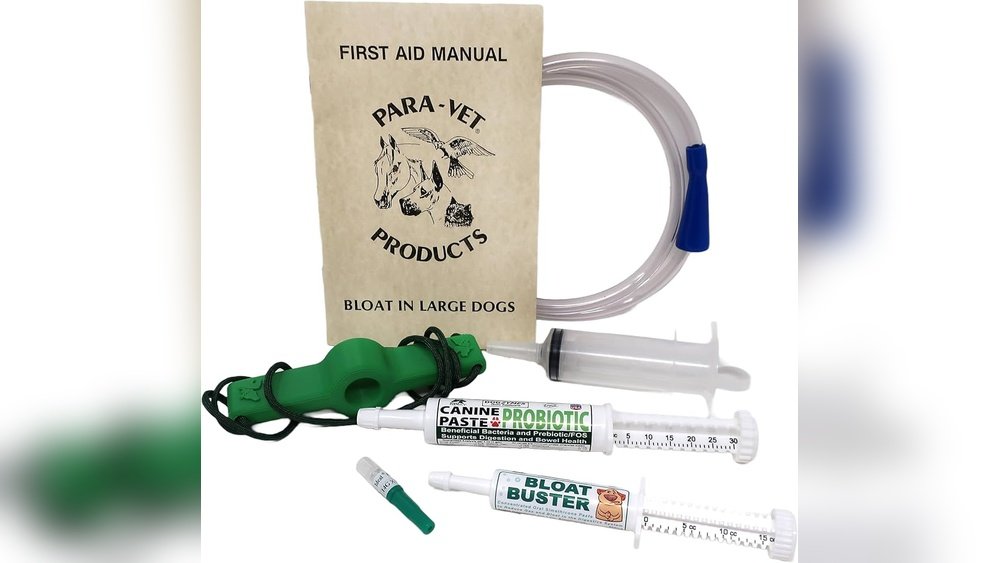
Credit: www.amazon.com
Diagnosing Bloat: How Vets Confirm Gdv
Diagnosis is usually quick. The vet will:
- Ask about symptoms and risk factors
- Examine the dog’s belly for swelling and pain
- Take x-rays (the stomach looks distended and twisted)
- Check blood work for shock or organ damage
Example X-ray Findings
A classic GDV x-ray shows a “double bubble” sign—two gas pockets in the twisted stomach. This confirms the diagnosis.
Emergency Treatment Options
Treatment depends on the stage and severity. Here’s what vets may do:
1. Stabilize With Iv Fluids
This helps fight shock.
2. Relieve Stomach Pressure
A tube may be inserted to release gas, but only if the stomach is not twisted.
3. Emergency Surgery
If the stomach is twisted, surgery is needed. The vet untwists and may attach the stomach to the wall (gastropexy) to prevent future episodes.
4. Monitor For Complications
Heart arrhythmias and organ damage are possible after surgery.
Survival Rates
Survival depends on speed. Dogs treated within 1 hour may have an 80% chance. Delays lower survival to 50% or less.
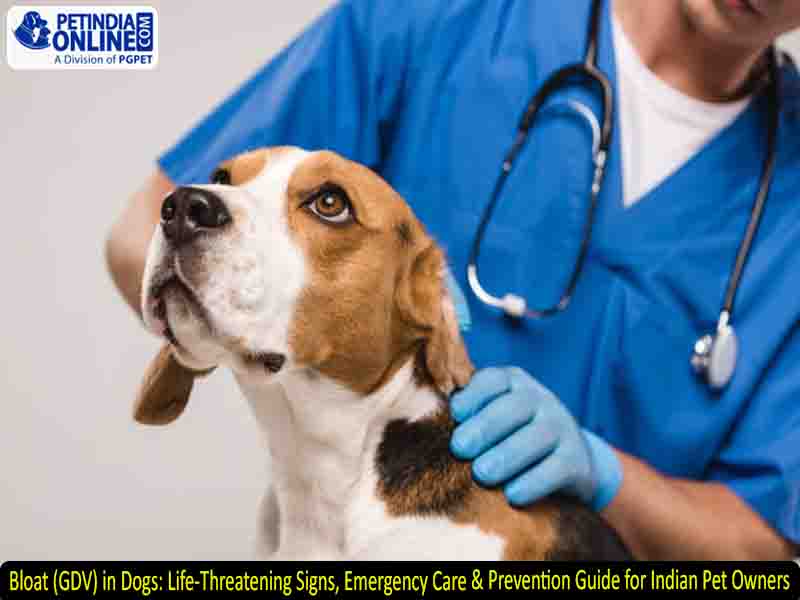
Credit: www.petindiaonline.com
Recovery And Aftercare
Recovery from bloat surgery is serious. Dogs stay in the hospital for 2–5 days. Here’s what owners can expect:
- IV fluids, pain medication, antibiotics
- Slow reintroduction of food and water
- Close monitoring for arrhythmias or infection
- Rest and limited activity for several weeks
Long-term Effects
Most dogs recover well with proper care. However, some may have lasting stomach issues or risk of another episode. Gastropexy surgery lowers repeat risk to under 5%.
Preventing Bloat: Practical Steps For Owners
While not all cases are preventable, you can lower your dog’s risk with these steps:
1. Feed Smaller, More Frequent Meals
Two or three meals daily are safer than one large meal.
2. Avoid Exercise Right After Eating
Wait at least 1 hour before play or walks.
3. Slow Down Eating
Use slow-feed bowls or puzzle feeders.
4. Limit Stress During Meals
Keep feeding times calm.
5. Avoid Feeding Only Dry Kibble
Mix with water or canned food.
6. Know Your Dog’s Family History
If relatives had bloat, be extra cautious.
7. Consider Gastropexy Surgery For High-risk Breeds
This is often done during spay/neuter.
- Keep water available, but not in large amounts before or after eating
- Watch for signs in older dogs
Age increases risk.
10. Learn Emergency Clinics Near You
Know where to go before you need it.
Data Comparison: Prevention Methods Effectiveness
Here’s a comparison of popular prevention methods:
| Method | Risk Reduction | Best For |
|---|---|---|
| Multiple meals | 30% | All breeds |
| Slow-feed bowls | 20% | Fast eaters |
| Gastropexy surgery | Up to 95% | High-risk breeds |
| Limiting exercise after meals | 15% | Active dogs |
Gastropexy is the most effective for high-risk breeds, but all methods help reduce risk.
Real-life Example: Bloat Emergency
Let’s look at a true story. Max, a five-year-old Great Dane, suddenly became restless after dinner. He tried to vomit but nothing came out. His owner noticed his belly looked bigger. Knowing the signs, she called the emergency vet and drove Max there in 20 minutes.
At the hospital, x-rays confirmed GDV. Max had surgery within an hour. He stayed in the hospital for four days and survived. The quick action saved his life. Without fast recognition and transport, Max would not have made it.
This story shows how important it is to know the signs and act quickly.
Non-obvious Insights: What Most Owners Don’t Realize
1. Not Every Case Starts With Obvious Swelling.
Some dogs, especially those with thick coats or smaller frames, show only mild swelling at first. Owners often miss this subtle sign.
2. Stressful Events Can Trigger Bloat.
Major changes—like moving, new pets, or loud noises—can increase risk. Try to keep routines steady and calm.
- Older dogs are more likely to get bloat than younger ones.
Many people think only puppies or young, active dogs are at risk. But most cases happen in dogs over six years old.
How To Tell Bloat Apart From Other Stomach Issues
Many stomach problems look similar, but bloat is unique because of its rapid progression and combination of signs. Here’s a quick comparison:
- Simple upset stomach: May vomit, but can usually pass gas or stool. Belly not hard or swollen.
- Bloat/GDV: Unproductive retching, hard belly, fast decline.
- Pancreatitis: Vomiting, belly pain, but usually no swelling or retching.
If you see unproductive vomiting plus a hard, swollen belly, treat as bloat.
What To Expect: Costs And Outcomes
Emergency bloat treatment is expensive. Typical costs include:
- Emergency exam: $150–$300
- X-rays: $200–$400
- Surgery: $1,500–$6,000
- Hospital stay: $500–$2,000
Total costs often reach $2,000–$8,000. Many clinics require payment upfront. Pet insurance may help cover costs.
Outcomes depend on speed and severity. Dogs treated early often recover fully. Delays or complications can lead to death or long-term health issues.
Credit: headsupfortails.com
When To Consider Preventive Surgery
For high-risk breeds, preventive gastropexy is smart. It’s often done during spay or neuter. The surgery attaches the stomach to the body wall, preventing twisting.
- Best age: At spay/neuter, or before age 6
- Cost: $800–$2,000
- Risk reduction: Up to 95%
Owners of Great Danes, St. Bernards, and similar breeds should discuss this with their vet.
Bloat In Puppies Vs Adults
Puppies can get bloat, but it’s more common in adults. Signs are similar, but puppies may show more whining or rapid collapse. Adult dogs, especially over age six, are most at risk.
Myths About Bloat
Many myths confuse owners. Let’s clear up a few:
- Myth: Only big dogs get bloat.
Small dogs can get bloat, but it’s rare.
- Myth: Letting a dog drink lots of water prevents bloat.
Too much water at once can actually trigger bloat.
- Myth: Bloat is always fatal.
With quick treatment, most dogs can survive.
Supporting Research And Resources
For more detailed information, visit the Veterinary Partner. This site offers articles, diagrams, and up-to-date research on bloat and GDV.
Frequently Asked Questions
What Causes Bloat In Dogs?
Bloat is caused when a dog’s stomach fills with gas, food, or fluid and then twists. Risk factors include eating too fast, exercise after meals, stress, genetics, and age. The exact cause is not fully understood, but preventing these triggers lowers risk.
How Fast Does Bloat Progress?
Bloat can progress in as little as 30 minutes. Most dogs reach severe stages within 1–2 hours. Immediate action is critical for survival.
Can Bloat Happen More Than Once?
Yes. Dogs who survive bloat are at higher risk for another episode, unless they have surgery to attach the stomach (gastropexy). This surgery lowers the repeat risk to under 5%.
What Are The Most Important Signs To Watch For?
The key signs are unproductive retching, distended belly, and collapse. If you see these, go to the vet immediately. Other signs include drooling, restlessness, and rapid breathing.
Is Bloat Always Fatal?
No. With fast treatment, up to 80% of dogs survive. Without treatment, most dogs die within hours. Speed is the most important factor.
Final Thoughts
Bloat in dogs is fast, frightening, and deadly if ignored. But with knowledge, owners can spot the signs early and act quickly. If you own a large or deep-chested breed, learn the symptoms and have a plan for emergencies. Feed your dog carefully, limit stress, and consider preventive surgery if your dog is high-risk.
Being prepared saves lives—and gives your dog the best chance for a happy, healthy future.
We’re the dedicated team behind MyPawSafe.com, with over a decade of combined experience in veterinary care, pet emergency response, and animal behavior. While we prefer to let our work speak for itself, our mission is clear: to provide science-backed, vet-approved advice that helps pet owners prevent accidents and save lives.