Every dog owner wants their furry friend to live a happy, healthy life. But sometimes, health problems can creep up quietly. One of these is cataracts, a condition that affects the eyes and can lead to vision loss. Cataracts don’t just happen to people—they can affect dogs, too. Spotting the signs early is key to helping your dog stay comfortable and avoid serious complications. Many pet owners miss the early clues, thinking their dog is simply getting older or slowing down. But cataracts can develop at any age, depending on breed, genetics, or health issues like diabetes.
In this article, you’ll discover what cataracts in dogs really are, how to spot the signs, what causes them, and what you can do if you think your dog is affected. We’ll cover details that most guides overlook, including how cataracts compare to other eye problems, what your vet will check, and why some symptoms are easy to miss.
By the end, you’ll feel confident recognizing cataracts and know the steps to take for your dog’s eye health.
What Are Cataracts In Dogs?
A cataract is a clouding of the eye’s lens. The lens is a clear part inside the eye that helps focus light, so dogs can see clearly. When the lens becomes cloudy, light can’t pass through well, making vision blurry or blocked. Cataracts can affect one or both eyes, and they may grow slowly or quickly.
How Cataracts Form
The lens is made mostly of water and protein. Normally, the proteins are arranged so light passes through easily. With cataracts, these proteins clump together, causing cloudiness. This blocks light and changes how your dog sees the world.
Types Of Cataracts
- Congenital cataracts: Present at birth or appear early in life
- Developmental cataracts: Develop as the dog grows
- Senile cataracts: Occur in older dogs, like age-related changes in humans
- Traumatic cataracts: Caused by injury to the eye
- Diabetic cataracts: Linked to diabetes, often develop quickly
Each type can cause similar symptoms but may need different treatments.
Common Signs Of Cataracts In Dogs
Cataracts often start small and may not cause obvious problems right away. But as they grow, you’ll see changes in your dog’s behavior and appearance. Here are the main signs to watch for.
1. Cloudy Or Bluish Eyes
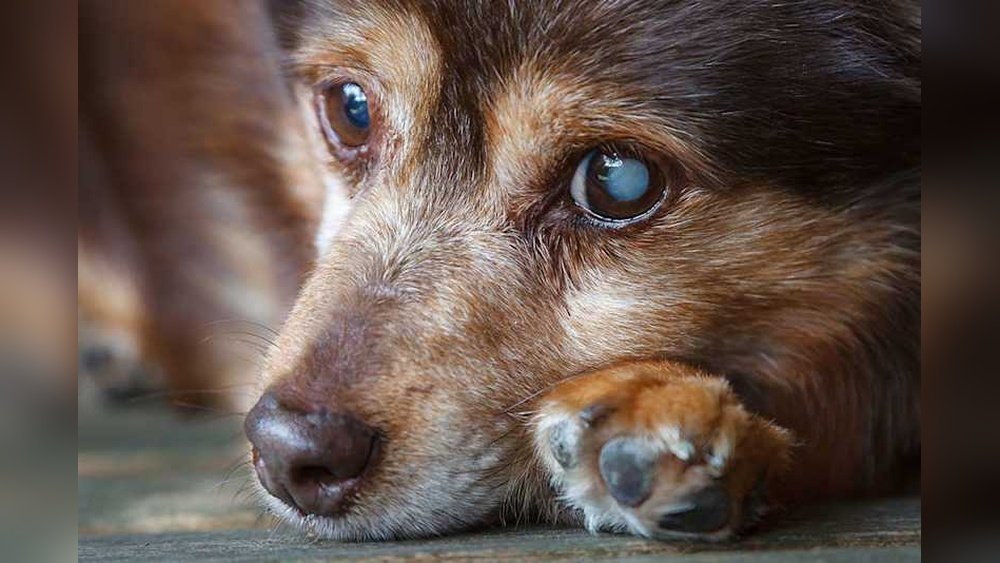
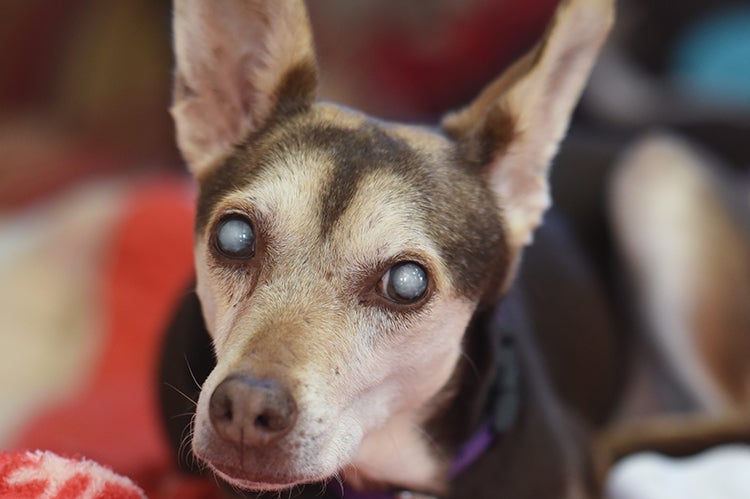
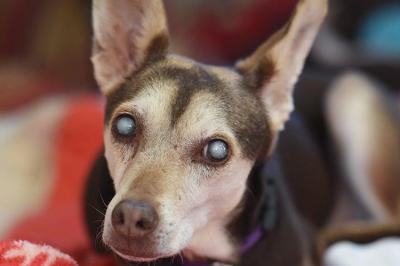
The most noticeable sign is a cloudy appearance in the eye. The lens may look white, gray, or bluish, especially in bright light. This cloudiness often starts small and spreads over time.
2. Changes In Vision
Dogs may bump into furniture, walls, or people. They might have trouble finding toys, food bowls, or doors. You may notice your dog hesitating at stairs or avoiding dark rooms.
3. Reluctance To Move
A dog with cataracts may seem less confident. They might stay close to you, avoid running, or stick to familiar paths. Some dogs act anxious in new places.
4. Eye Irritation
Some dogs rub their eyes or paw at their face. You might see redness, watering, or mild swelling. These symptoms aren’t always caused by cataracts, but they can appear if the eye is irritated.
5. Behavior Changes
Your dog may become more withdrawn or easily startled. They may bark more, especially if they can’t see well. Aggression or nervousness can also increase.
6. Loss Of Interest In Play
Dogs with vision problems may lose interest in chasing balls or playing games. They may ignore toys or seem confused during playtime.
7. Abnormal Pupil Appearance
The pupil (the black part of the eye) may look less round or have an unusual shape. Sometimes, the cataract changes how light reflects in the eye.
8. Increased Clumsiness
If your dog starts tripping, stumbling, or missing steps, vision loss could be the cause. Cataracts make it harder to judge distances.
9. Sudden Changes In Behavior
Sometimes, cataracts develop quickly, especially with diabetes. You may notice changes in a matter of weeks.
10. Squinting Or Light Sensitivity
Dogs may squint or avoid bright sunlight. Some will seek shade or hide in dark corners.

Credit: www.youtube.com
Early Vs. Advanced Cataracts
Understanding the difference between early and advanced cataracts can help you catch the problem sooner.
| Stage | Eye Appearance | Vision | Behavior |
|---|---|---|---|
| Early | Slight cloudiness | Mild vision loss | Minor changes |
| Moderate | More visible cloudiness | Blurred vision | Clumsiness, hesitation |
| Advanced | Opaque lens | Severe vision loss | Reluctant to move, anxiety |
Most owners notice cataracts when they are moderate or advanced, but early signs can be subtle. Some dogs adapt well, making it hard to spot vision loss.
How Cataracts Differ From Other Eye Problems
Not all cloudy eyes mean cataracts. Other conditions can cause similar symptoms.
| Condition | Main Symptom | Difference |
|---|---|---|
| Cataracts | Cloudy lens | Inside the eye, affects vision |
| Nuclear sclerosis | Bluish haze | Normal aging, less vision loss |
| Corneal disease | Cloudy cornea | Surface of eye, may cause pain |
| Glaucoma | Eye pressure, redness | Painful, can lead to blindness |
Nuclear sclerosis is often confused with cataracts. It causes a bluish haze but doesn’t block light as much. Corneal disease affects the eye’s surface, while glaucoma causes pain and pressure. If your dog has cloudy eyes, a vet check is important.
Why Early Detection Matters
Catching cataracts early gives your dog the best chance for treatment and comfort. Untreated cataracts can lead to blindness and other complications, like lens-induced uveitis (inflammation inside the eye). Some dogs develop painful conditions that require urgent care.
Early treatment can:
- Slow progression
- Reduce risk of other eye diseases
- Help maintain quality of life
If your dog has diabetes, cataracts can develop quickly—sometimes in weeks. Early action prevents severe vision loss.
Causes And Risk Factors For Cataracts In Dogs
Many things can cause cataracts in dogs. Some are preventable, while others aren’t.
Genetics
Certain breeds are more likely to develop cataracts. These include:
- Cocker Spaniel
- Poodle
- Siberian Husky
- Golden Retriever
- Labrador Retriever
- Boston Terrier
- Miniature Schnauzer
Genetic cataracts often appear early in life.
Age
Older dogs are more likely to get cataracts. Age-related changes can cause the lens to become cloudy.
Diabetes
Up to 75% of diabetic dogs develop cataracts within one year of diagnosis. Diabetes causes high blood sugar, which damages the lens.
Eye Injury
Trauma to the eye can trigger cataracts. Even small injuries may cause lens changes.
Nutrition And Health
Poor nutrition, certain medications, or other diseases can increase risk. Some puppies get cataracts from low calcium or vitamin deficiencies.
Infection And Inflammation
Infections or chronic inflammation can damage the lens. This is less common, but possible.
Diagnosing Cataracts: What Vets Look For
If you suspect cataracts, your vet will do a detailed eye exam. Here’s what to expect:
Eye Examination
Vets use tools like an ophthalmoscope to look inside the eye. They check for cloudiness, redness, and signs of other problems.
Medical History
Your vet will ask about your dog’s behavior, vision changes, and overall health. If your dog has diabetes or other conditions, mention them.
Additional Tests
Sometimes, your vet may recommend:
- Blood tests (to check for diabetes or other diseases)
- Ultrasound (to see inside the eye)
- Electroretinography (to test retina function)
These help confirm the diagnosis and rule out other issues.
Treatment Options For Cataracts In Dogs
Once cataracts are diagnosed, your vet will discuss treatment. Options depend on the stage and your dog’s health.
Surgery
The main treatment for cataracts is surgery. The cloudy lens is removed and replaced with an artificial lens. This restores vision in most cases.
- Success rate: About 80–90% of dogs regain useful vision
- Surgery is usually done by a veterinary ophthalmologist
Medical Management
If surgery isn’t possible, your vet may suggest:
- Eye drops to control inflammation
- Treating underlying diseases (like diabetes)
- Monitoring for complications
Eye drops can’t cure cataracts, but they may help with comfort.
Home Care
Dogs with cataracts need a safe environment:
- Keep furniture in the same place
- Use gates to block stairs
- Avoid sudden changes in routine
Some dogs adapt well, even with limited vision.
Risks And Complications
Cataract surgery is generally safe, but risks include:
- Infection
- Inflammation
- Glaucoma
- Retinal detachment
Your vet will explain these before surgery.
Credit: bestfriends.org
Prognosis: What To Expect After Diagnosis
Many dogs live full, happy lives with cataracts. If surgery is possible, most regain good vision. Without surgery, dogs often adapt and rely on smell and hearing.
- Dogs with cataracts need regular vet checks
- Monitor for signs of pain or worsening vision
- Keep your dog’s routine stable and safe
Some dogs develop complications, so watch for redness, swelling, or sudden blindness.
Practical Tips For Dog Owners
Caring for a dog with cataracts can feel overwhelming. Here are practical steps to help your dog:
- Visit your vet: Early diagnosis is key
- Keep your dog’s environment safe: Remove hazards
- Use verbal cues: Guide your dog with your voice
- Monitor behavior: Watch for signs of pain or anxiety
- Consider surgery: If recommended, discuss with a specialist
- Manage underlying diseases: Control diabetes, if present
- Avoid sudden changes: Stick to routines
- Protect the eyes: Use dog goggles if your vet suggests
Many owners find dogs adjust well. Dogs rely more on smell and hearing when vision is lost.
Prevention And Monitoring
While not all cataracts can be prevented, regular vet checks and healthy habits help.
Routine Eye Exams
Annual eye exams catch problems early. Dogs at risk (due to breed or diabetes) need more frequent checks.
Healthy Diet
A balanced diet supports eye health. Some studies suggest antioxidants may help, but evidence is limited.
Manage Diseases
Control diabetes and other health issues. Follow your vet’s advice for medication and diet.
Watch For Changes
If you notice cloudy eyes, vision problems, or behavior changes, see your vet. Early action prevents complications.
Real-life Example: Spotting Cataracts Early
Sarah, a dog owner, noticed her Golden Retriever was bumping into furniture and hesitating at stairs. At first, she thought it was normal aging. But she saw a bluish haze in his eyes. Her vet diagnosed early cataracts. Surgery restored her dog’s vision, and he returned to his playful self.
Many owners miss these clues. If you notice changes, act early.
Cataracts Vs. Nuclear Sclerosis: What Owners Should Know
Many older dogs develop nuclear sclerosis, a condition that looks like cataracts but is less serious. Nuclear sclerosis causes a bluish haze, but doesn’t block vision as much.
| Feature | Cataracts | Nuclear Sclerosis |
|---|---|---|
| Age group | Any age, often older | Older dogs |
| Lens color | White, gray, or opaque | Bluish, clear |
| Vision loss | Significant | Mild |
| Treatment | Surgery | None needed |
If you’re unsure, ask your vet. Only a professional can tell the difference.
Non-obvious Insights: What Most Owners Miss
Even careful owners can miss early signs. Here are two insights:
- Dogs often compensate for vision loss by using other senses. You may not notice vision problems until cataracts are advanced.
- Cataracts can cause pain if complications develop. Watch for redness, squinting, or pawing at the face—not just cloudiness.
When To See A Veterinary Ophthalmologist
General vets can diagnose cataracts, but specialists offer advanced care. If your dog has:
- Rapid vision loss
- Diabetes with sudden eye changes
- Signs of pain or severe eye inflammation
Ask for a referral to a veterinary ophthalmologist.
Supporting Your Dog Emotionally
Vision loss can cause stress. Dogs may become anxious or clingy. Comfort your dog by:
- Using a calm voice
- Offering gentle touch
- Avoiding loud noises
Routine and patience help your dog adjust. Some dogs learn to navigate by memory.
Credit: bestfriends.org
How Cataracts Affect Quality Of Life
Cataracts change how your dog sees and interacts with the world. But many dogs adapt well. Here’s what matters:
- Keep your dog active with safe, familiar games
- Use scent-based toys
- Walk on-leash in new places
Dogs with cataracts may need extra support, but they can still enjoy life.
Latest Research And Trends
Veterinary medicine is advancing. New surgical techniques and lens implants improve outcomes. Research shows most dogs do well after cataract surgery, with over 80% regaining useful vision.
For diabetic dogs, fast action is important. Studies show cataracts can develop within months of diagnosis. If your dog is diabetic, schedule eye exams regularly.
To learn more about cataracts in animals, see this Wikipedia article.
Frequently Asked Questions
What Causes Cataracts In Dogs?
Cataracts are caused by genetics, age, diabetes, injury, or disease. Some breeds are more likely to get cataracts. Diabetes is a common trigger, especially in older dogs.
Can Cataracts In Dogs Be Cured Without Surgery?
No. Cataracts cannot be cured with medicine alone. Surgery is the only way to remove the cloudy lens. Eye drops may help with inflammation, but won’t restore vision.
Are Cataracts Painful For Dogs?
Cataracts themselves are not painful, but complications like lens-induced uveitis or glaucoma can cause pain. If your dog shows signs of discomfort, see your vet.
How Can I Help My Dog With Cataracts At Home?
Keep your dog’s environment safe and stable. Use verbal cues, avoid moving furniture, and protect stairs. Offer gentle support and monitor for changes.
What Breeds Are Most At Risk For Cataracts?
Breeds like Cocker Spaniel, Poodle, Siberian Husky, Golden Retriever, Labrador Retriever, Boston Terrier, and Miniature Schnauzer have higher risk. Genetics play a big role.
Spotting cataracts early can make a huge difference in your dog’s life. Don’t wait—if you notice cloudy eyes or vision changes, ask your vet. With the right care, most dogs adapt and stay happy, even if their vision changes. Cataracts are a challenge, but with knowledge and support, you can help your dog thrive.

We’re the dedicated team behind MyPawSafe.com, with over a decade of combined experience in veterinary care, pet emergency response, and animal behavior. While we prefer to let our work speak for itself, our mission is clear: to provide science-backed, vet-approved advice that helps pet owners prevent accidents and save lives.