When you live with a dog, you become their caretaker, friend, and even their health advocate. Dogs can’t tell us when they’re feeling off, so it’s our job to watch for signs. One of the most common but overlooked issues is dehydration. This condition can happen quickly, especially in hot weather, during illness, or after intense play. Dehydration is not just about thirst—it can be dangerous and sometimes life-threatening. If you know what to look for, you can catch it early and help your dog stay healthy.
Many dog owners think their pet will always drink enough water, but that’s not true. Dogs can miss their water bowl, refuse to drink when stressed, or lose fluids due to sickness. Sometimes, the signs are subtle. This article will guide you through the signs of dehydration in dogs, why it matters, how to check for it, and what to do if you notice it. You’ll also learn how to prevent dehydration and keep your dog safe. Whether you’re a new dog owner or experienced, understanding these signs can make a big difference.
What Is Dehydration In Dogs?
Dehydration means your dog doesn’t have enough water in their body to function properly. Water is essential for all bodily functions—digestion, circulation, temperature regulation, and waste removal. Dogs lose water every day through urine, feces, panting, and sometimes sweating through their paws.
When they lose more water than they take in, dehydration starts.
It’s not just about drinking less. Dogs can lose fluids from vomiting, diarrhea, fever, or excessive panting. Hot weather, activity, and medical issues can also play a role. Puppies, seniors, and sick dogs are at greater risk. Dehydration can lead to organ failure, shock, and even death if not caught early.
Key facts:
- Water makes up about 60% of a dog’s body weight.
- Dogs need about 1 ounce of water per pound of body weight daily.
- Mild dehydration can cause weakness; severe dehydration can cause collapse.
Why Dehydration Is Dangerous For Dogs
Dehydration affects every organ. When a dog is dehydrated, their blood gets thicker, making it harder for the heart to pump. Organs like the kidneys can’t filter toxins as well. The body can’t regulate temperature, leading to overheating. Without enough water, cells can’t work properly, and the dog can get very sick, very fast.
Some dog owners think dehydration is only a problem in summer. But it can happen any time. Illness, stress, travel, or a missed water bowl refill can all cause dehydration. Dogs may not always show obvious signs, so knowing the subtle signals is important.
Risks include:
- Heat stroke
- Kidney failure
- Shock
- Death
Common Causes Of Dehydration In Dogs
Understanding why dehydration happens helps you prevent it. Here are some of the most common causes:
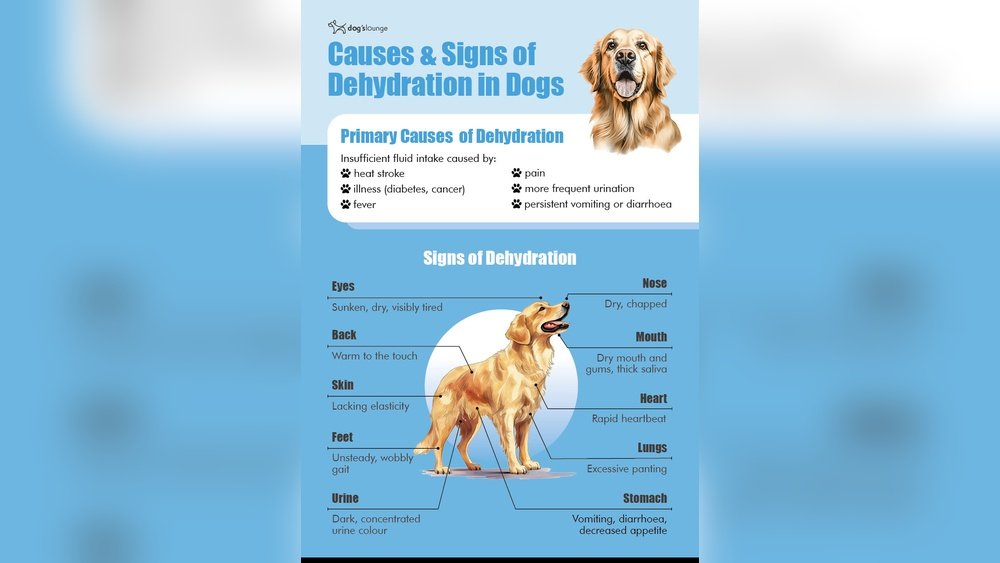
- Hot weather: Dogs lose water fast when it’s hot, especially breeds with thick coats.
- Exercise: Running and playing increases panting and water loss.
- Illness: Vomiting, diarrhea, fever, or infections all cause fluid loss.
- Lack of access: Dogs sometimes can’t reach their bowl or it’s empty.
- Stress: Changes in routine, travel, or anxiety can reduce drinking.
- Medications: Some drugs cause increased urination or panting.
- Age: Puppies and older dogs are more vulnerable.
Some breeds, like Bulldogs and Pugs, overheat easily and may dehydrate faster.
Signs Of Dehydration In Dogs
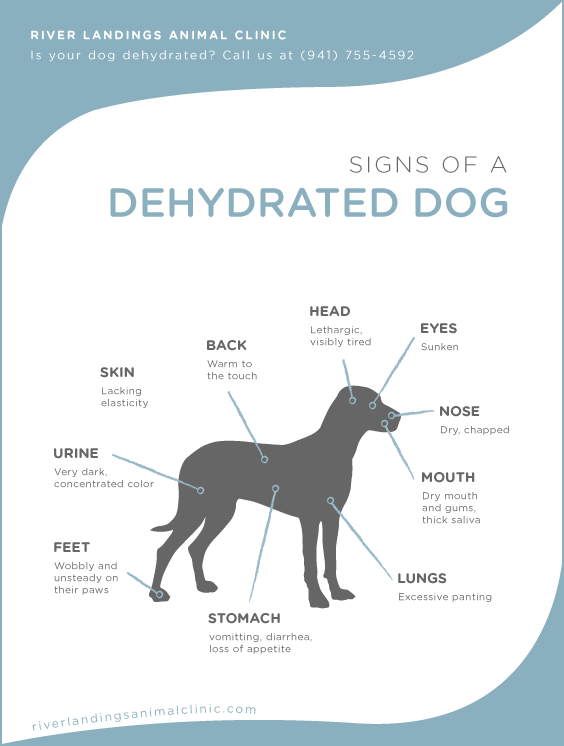
Dogs show dehydration in different ways. Some signs are obvious; others are easy to miss. Here are the main symptoms to watch for:
1. Dry Nose And Gums
A healthy dog’s nose is usually moist. Their gums should be shiny and wet. When dehydrated, the nose and gums become dry, sticky, or tacky. Press a finger to your dog’s gums—if they don’t feel slippery, dehydration is possible.
2. Loss Of Skin Elasticity
This is one of the best quick tests. Gently pinch the skin on your dog’s neck or back, then let go. In a hydrated dog, the skin snaps back quickly. In a dehydrated dog, it stays “tented” or moves back slowly.
- Puppies and seniors may have naturally less elastic skin, so compare to their usual.
3. Sunken Eyes
Dehydration causes the eyes to look dull, dry, or set deeper into the skull. This happens because the body loses fluid around the eyes.
4. Lethargy And Weakness
Dogs that are dehydrated often act tired, move less, or seem weak. They may not want to play or may lay down more than usual.
5. Reduced Appetite
Dehydrated dogs often refuse food. If your dog suddenly stops eating and also seems thirsty or tired, dehydration could be the cause.
6. Panting And Rapid Breathing
Panting is normal in dogs, but excessive panting, especially with other signs, can mean dehydration. The body tries to cool down and loses more water through breath.
7. Thick Or Sticky Saliva
Healthy dogs have clear, thin saliva. When dehydrated, saliva becomes thick, ropey, or sticky.
8. Decreased Urination
If your dog is urinating less, or their urine is darker and stronger-smelling, dehydration may be present.
9. Vomiting Or Diarrhea
These symptoms cause fluid loss and are also signs of dehydration. If your dog vomits or has diarrhea and shows other symptoms, dehydration is likely.
10. Collapse Or Shock
In severe cases, a dog may collapse, go into shock, or lose consciousness. This is an emergency—get help immediately.
How To Check For Dehydration At Home
Sometimes, you need to check your dog quickly. Here are ways to do that:
The Skin Turgor Test
Pinch a small amount of skin on your dog’s back or neck. Release it. If the skin snaps back instantly, your dog is likely hydrated. If it stays up or returns slowly, dehydration is possible.
Gum Test
Press your finger gently on your dog’s gums. The area should turn white and return to pink within 1-2 seconds. If it takes longer, your dog may be dehydrated.
Monitoring Water Intake
Track how much your dog drinks daily. A sudden drop can signal a problem.
Urine Check
Watch for changes in urine color and frequency. Dark, concentrated urine or reduced urination means dehydration.
Severity Levels Of Dehydration
Dehydration is not all-or-nothing. It can range from mild to severe. Here’s a useful comparison:
| Level | Key Signs | Risk | Action Needed |
|---|---|---|---|
| Mild | Dry nose, subtle lethargy | Low | Offer water, monitor closely |
| Moderate | Skin tenting, sunken eyes, sticky gums | Medium | Give fluids, call vet if not improved |
| Severe | Collapse, shock, loss of consciousness | High | Emergency vet care |
Most dehydration cases start mild but can become severe quickly.
Which Dogs Are Most At Risk?
Some dogs are more likely to get dehydrated. Here’s a comparison:
| Group | Why Risk Is Higher | Extra Care Tips |
|---|---|---|
| Puppies | Small size, fast metabolism | Offer frequent water breaks |
| Seniors | Reduced thirst, health issues | Monitor water intake daily |
| Sick dogs | Vomiting, diarrhea, medication | Check for dehydration signs often |
| Active dogs | High exercise, hot weather | Provide water before, during, after activity |
| Brachycephalic breeds | Poor cooling, panting issues | Keep indoors in heat, use cool towels |
Dogs with short noses (like Bulldogs and Pugs) and thick coats (like Huskies) are at higher risk in hot weather.
Non-obvious Signs Many Owners Miss
Some signs are easy to overlook, especially for new owners.
- Behavior changes: Dogs may become clingy or hide when dehydrated.
- Unusual sleeping patterns: More naps or restlessness can be early signs.
- Reluctance to walk: Some dogs avoid walks or play when dehydrated, even if they usually love them.
If you notice these subtle changes along with other symptoms, check for dehydration.
Why Dogs Don’t Always Drink Enough
Dogs sometimes ignore their water bowl, even if they’re thirsty. Here’s why:
- Stress: Moving, travel, or new people can distract them.
- Pain: Mouth injuries, dental issues, or sickness reduce drinking.
- Dirty water: Dogs may refuse water that’s dirty or smells strange.
- Bowl location: If the bowl is in a noisy or busy spot, they might avoid it.
Sometimes, dogs don’t want to drink after exercise, even when they need it most.
What To Do If Your Dog Is Dehydrated
If you suspect dehydration, act quickly. Here’s what you can do:
- Offer fresh water: Let your dog drink slowly. Don’t force them.
- Move to a cool area: If it’s hot, bring your dog inside or to shade.
- Check for underlying issues: Vomiting, diarrhea, or pain could be causing dehydration.
- Call your vet: If your dog refuses water, vomits, or seems weak, get professional advice.
Never give large amounts of water at once to a dehydrated dog—it can cause vomiting.
When To Seek Emergency Care
Some signs mean you should go to the vet right away:
- Collapse or shock
- Loss of consciousness
- Persistent vomiting or diarrhea
- Severe lethargy
Quick action can save your dog’s life.
Credit: www.riverlandingsanimalclinic.com
Preventing Dehydration In Dogs
Prevention is easier than treatment. Here’s how to keep your dog hydrated:
- Provide clean water at all times.
- Monitor water intake: Check how much your dog drinks daily.
- Use multiple bowls: Place water in different rooms.
- Take water on walks: Carry a portable bowl for outings.
- Offer ice cubes or wet food: Some dogs like chewing ice or eating moist food.
- Clean bowls daily: Dirty bowls discourage drinking.
- Adjust for weather and activity: Give more water during hot days or after exercise.
If your dog is sick, pay extra attention to their water intake.
Practical Tips For Different Scenarios
Hot Weather
- Keep your dog indoors during peak heat.
- Use fans or cooling mats.
- Offer water frequently.
Exercise
- Take breaks every 15-20 minutes.
- Offer water before and after play.
- Avoid intense activity during hot hours.
Travel
- Bring water and a portable bowl.
- Offer water at every stop.
- Watch for stress-related dehydration.
Puppies And Seniors
- Use shallow bowls for easy access.
- Offer water after meals, play, and naps.
- Monitor intake closely.
The Role Of Diet In Hydration
Diet affects how much water your dog needs. Dry kibble contains about 10% water, while canned food is 70-80% water. If your dog eats only dry food, they need more water.
Some owners add water to dry food or offer broth (without salt or onions). Wet food can help dogs who refuse to drink.
Tip: Avoid salty treats—they make dogs thirstier and can upset the balance.
Hydration Needs By Dog Size
Every dog is different. Here’s an example comparison:
| Dog Size | Daily Water Need | Notes |
|---|---|---|
| Small (10 lbs) | 10 oz (1.25 cups) | Monitor closely, small dogs dehydrate faster |
| Medium (40 lbs) | 40 oz (5 cups) | Needs more after exercise |
| Large (80 lbs) | 80 oz (10 cups) | Large bowls, frequent refills |
Dogs need more water in hot weather or after activity.
Common Mistakes Dog Owners Make
Even experienced owners can miss signs. Here are mistakes to avoid:
- Assuming thirst equals dehydration: Some dogs don’t show thirst until very dehydrated.
- Ignoring subtle signs: Lethargy or reduced play may be overlooked.
- Using dirty bowls: Dogs may refuse water from dirty containers.
- Not adjusting for weather: Dogs need more water in heat.
- Missing medical causes: Illness can cause dehydration even if water is available.
- Overfeeding dry food: Without enough water, dry food can increase risk.
When Is Dehydration An Emergency?
Dehydration becomes urgent when:
- Your dog stops drinking completely.
- There is ongoing vomiting or diarrhea.
- Signs of shock appear (pale gums, rapid heart rate, cold paws).
- Your dog collapses or can’t stand.
In these cases, immediate veterinary care is needed. Dehydration can cause irreversible organ damage within hours.

Credit: www.chanteclers.com
How Vets Treat Dehydration
Veterinarians use several methods:
- IV fluids: For severe cases, fluids are given intravenously.
- Subcutaneous fluids: Less severe cases may get fluids under the skin.
- Electrolyte balance: Vets restore sodium, potassium, and chloride levels.
- Treating underlying causes: Vets address vomiting, diarrhea, or infection.
Sometimes, tests like bloodwork or urinalysis are needed to check organ function.
Dehydration Vs. Other Conditions
Sometimes, dehydration looks like other problems. For example, lethargy can be caused by pain, infection, or heart disease. Dry gums can signal mouth issues, not dehydration. Here’s a quick comparison:
- Dehydration: Skin tenting, dry gums, sunken eyes, reduced urine.
- Heat stroke: Heavy panting, collapse, red gums, high temperature.
- Illness: Vomiting, diarrhea, pain, fever, appetite loss.
If you’re unsure, check for multiple signs and call your vet.

Credit: www.aquapawsbarnsley.co.uk
Special Considerations For Breeds
Some breeds need extra care:
- Bulldogs, Pugs, French Bulldogs: Short noses, poor cooling, high risk in heat.
- Huskies, Malamutes: Thick coats, may overheat quickly.
- Toy breeds: Small size, lose fluids fast.
These dogs need more frequent water breaks and should avoid high heat.
Hydration Aids And Products
There are products to help keep your dog hydrated:
- Water fountains: Some dogs prefer running water.
- Portable bowls: Good for travel and walks.
- Electrolyte solutions: For mild dehydration, but only use vet-approved products.
- Cooling mats and vests: For hot weather.
Always check product safety and ask your vet for advice.
Real-life Example: Spotting Dehydration Early
A dog owner noticed her Golden Retriever was sleeping more and avoiding walks. She checked his gums—they were dry and sticky. The skin stayed tented when pinched. She offered water, but he drank slowly. After calling the vet, he was diagnosed with moderate dehydration due to a mild stomach bug. With prompt care, he recovered quickly.
Non-obvious insight: Early behavior changes are often missed. Watch for changes in play, sleep, and appetite.
Long-term Effects Of Dehydration
If dehydration is not treated, it can cause lasting damage:
- Kidney damage: Kidneys filter waste; dehydration can injure them.
- Heart problems: Thick blood stresses the heart.
- Digestive issues: Digestion slows down, causing discomfort.
- Reduced immunity: Dehydration weakens the immune system.
Even after recovery, some dogs may need follow-up care.
How To Encourage Your Dog To Drink
Some dogs are picky. Here are tips to help:
- Use fresh, cool water.
- Try different bowls (ceramic, stainless steel, or fountain).
- Add a splash of low-sodium broth.
- Offer ice cubes or frozen treats.
- Place bowls in quiet areas.
If your dog refuses water, check for illness or stress.
Dehydration And Dogs With Medical Conditions
Dogs with health issues (like diabetes, kidney disease, or heart disease) are at higher risk. They may need special care:
- Monitor water intake closely.
- Use wet food or broth.
- Check for dehydration signs daily.
If your dog takes medication that increases urination or panting, ask your vet for guidance.
Useful Resources
For more detailed information on pet hydration and safety, visit ASPCA Dog Care Basics. This site offers practical advice for owners.
Frequently Asked Questions
How Much Water Should My Dog Drink Daily?
Most dogs need 1 ounce of water per pound of body weight each day. Active or large dogs may need more, especially in hot weather.
Can Dehydration Cause Permanent Health Problems?
Yes, severe dehydration can lead to kidney damage, heart stress, and weakened immunity. Early treatment prevents long-term issues.
What Should I Do If My Dog Refuses To Drink Water?
Try fresh, cool water and different bowls. Offer wet food or low-sodium broth. If your dog still refuses, call your vet—underlying illness may be the cause.
Are Certain Breeds More Prone To Dehydration?
Yes. Bulldogs, Pugs, Huskies, and toy breeds are more vulnerable due to body shape, coat thickness, and size. Give these dogs extra care in heat.
Can I Use Sports Drinks Or Electrolyte Solutions For My Dog?
Only use vet-approved products. Human sports drinks may contain sugar, salt, or chemicals unsafe for dogs. Ask your vet before offering any supplements.
Dogs rely on us to notice and respond to their needs. By learning the signs of dehydration, you can protect your dog’s health and happiness. If you see warning signs, act quickly. Offer water, monitor behavior, and call your vet if needed.
Prevention and early action are the best ways to keep your dog safe. Your attention can make all the difference—your dog counts on you every day.
We’re the dedicated team behind MyPawSafe.com, with over a decade of combined experience in veterinary care, pet emergency response, and animal behavior. While we prefer to let our work speak for itself, our mission is clear: to provide science-backed, vet-approved advice that helps pet owners prevent accidents and save lives.