Every dog owner knows the joy a happy, healthy pup brings to a home. But sometimes, even the most active dogs can suddenly become quiet, shake their heads, or scratch their ears more than usual. These small changes may not seem important at first.
However, they can be the first signs of an ear infection. Ear infections in dogs are common, but they can cause discomfort, pain, and even hearing loss if left untreated. Early detection is key to preventing serious problems.
Dog ears are sensitive. They are also shaped differently from human ears, which makes them more likely to trap moisture, debris, and bacteria. Understanding the signs of an ear infection is essential for any dog owner. This knowledge can help you notice problems early, reduce your dog’s suffering, and avoid more expensive treatments later.
In this guide, you’ll learn how to recognize the signs of ear infection in dogs, understand why these infections happen, and know what steps to take when you see warning signals. Whether you’re a first-time dog parent or have years of experience, this article will help you spot trouble before it gets serious.
Why Ear Infections Happen In Dogs
Dog ears are different from human ears. The canal is L-shaped, which makes it harder for dirt, water, and wax to escape. This shape creates a warm, dark, moist place where bacteria and yeast can grow easily.
There are three main types of ear infections in dogs:
- Otitis externa: Infection of the outer ear canal (most common)
- Otitis media: Infection of the middle ear
- Otitis interna: Infection of the inner ear (rarest but most serious)
Most infections start in the outer ear but can move deeper if untreated. Several things can trigger an infection:
- Allergies (to food, pollen, or dust)
- Moisture (from swimming or baths)
- Ear mites
- Foreign bodies (grass seeds, dirt)
- Excessive ear wax
- Hormonal problems (like hypothyroidism)
- Injury to the ear canal
Dogs with floppy ears (like Cocker Spaniels) or lots of hair in their ears (like Poodles) are more likely to get infections. Regular cleaning helps, but over-cleaning can also cause problems.
Early Signs Of Ear Infection In Dogs
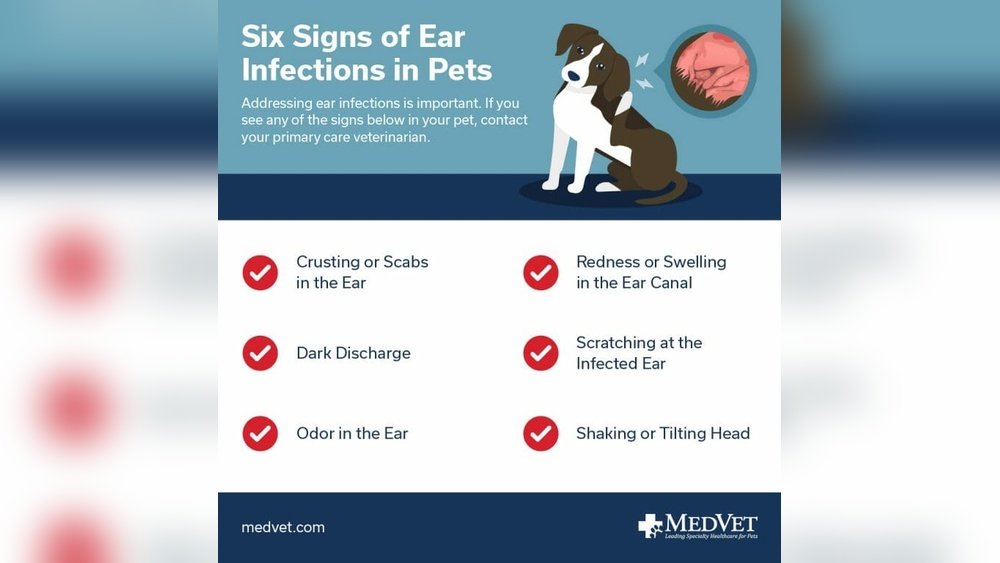
Catching an ear infection early can prevent pain and costly vet visits. The first clues are often subtle. Watch for these early warning signs:
- Head shaking: Dogs may shake their heads often, trying to relieve discomfort.
- Scratching or pawing at the ear: Increased scratching or rubbing the ear against furniture is a common sign.
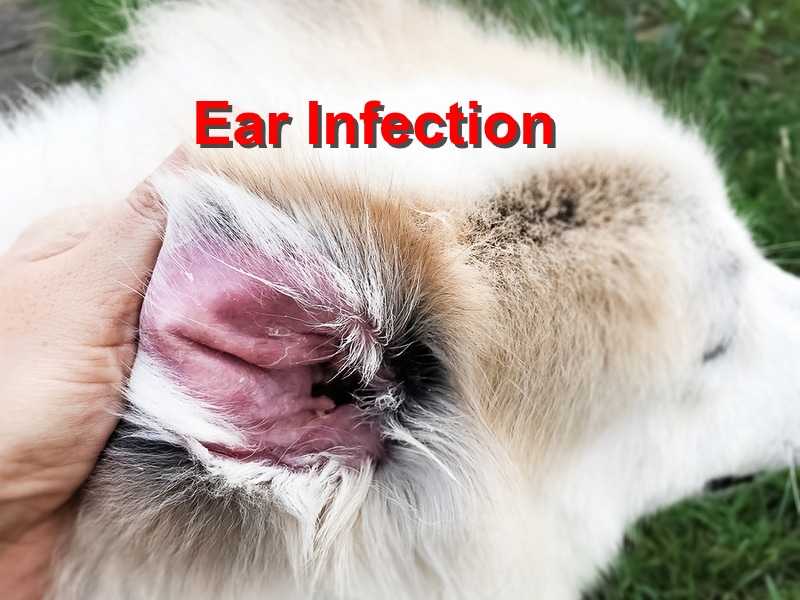
- Redness inside the ear: Healthy ear skin is pale pink. Red or inflamed skin suggests irritation or infection.
- Unusual odor: A yeasty, sour, or foul smell from the ear usually means infection.
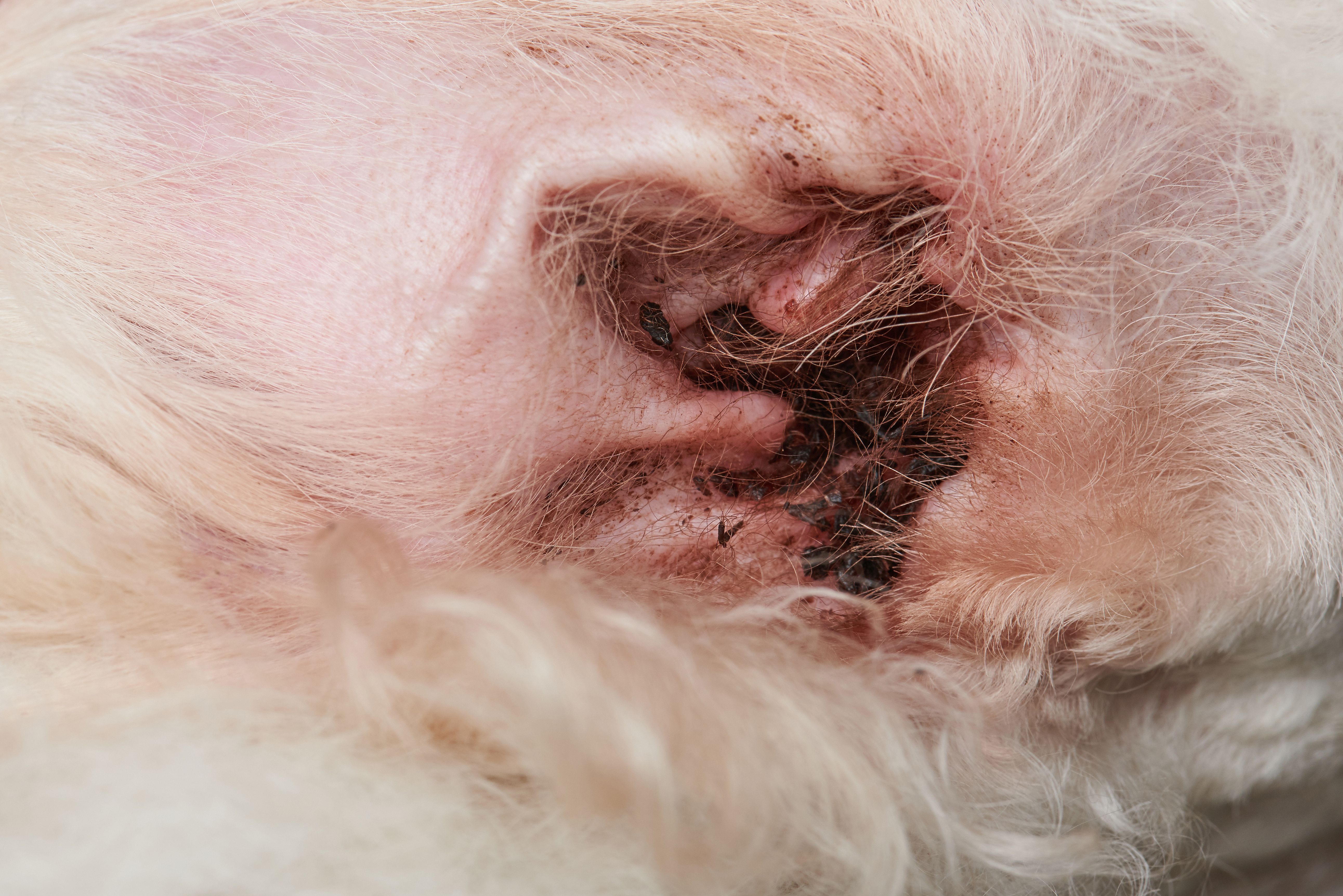
- Excessive ear wax: More wax than normal, especially if it looks dark brown or yellow.
- Whining or irritability: Pain or discomfort may cause changes in behavior.
These signs often appear together, but sometimes only one is present. Even mild symptoms deserve attention. The earlier you act, the easier it is to treat.
Advanced Symptoms: When Ear Infections Worsen
If an infection is not treated, symptoms can quickly get worse. At this stage, the infection may move deeper into the ear and cause more serious health risks.
Look for these advanced signs:
- Swelling of the ear canal
- Crusts or scabs on the ear flap
- Thick, yellow, green, or bloody discharge
- Hearing loss or ignoring commands
- Tilting the head to one side
- Loss of balance or walking in circles
- Unusual eye movements
- Strong pain when touching the ear
Advanced infections can spread to the middle and inner ear. They can affect balance, hearing, and even cause permanent damage. Immediate veterinary care is required if you see these signs.
Comparing Early And Advanced Symptoms
Here’s a side-by-side look at how symptoms change as infections progress:
| Early Symptoms | Advanced Symptoms |
|---|---|
| Head shaking | Head tilt |
| Mild redness | Swelling, severe redness |
| Unusual odor | Thick, colored discharge |
| Light scratching | Pain, crying, aggression |
| Excess wax | Crusts, scabs, bleeding |
| Minor behavioral changes | Loss of balance, hearing loss |
Less Obvious Signs Many Owners Miss
Sometimes, the signs are not so clear. Dogs are good at hiding pain. These are the less obvious clues that can be easy to miss:
- Reluctance to chew or eat hard food: Pain from ear infections can make chewing uncomfortable.
- Rubbing the ear on the floor or furniture: Some dogs will “scoot” their head along the carpet.
- Frequent yawning: Dogs may yawn to relieve pressure in the ear.
- Drooping ear: One ear may hang lower than the other.
- Sudden dislike of being touched on the head: A friendly dog may suddenly avoid petting.
Many owners focus only on scratching or head shaking. Watching for these subtler signs can help you catch infections that might otherwise get worse.
Common Causes Of Ear Infections In Dogs
Knowing the cause of an ear infection helps you prevent future problems. Here are the most frequent culprits:
Allergies
Dogs can be allergic to food, pollen, mold, or dust mites. Allergies cause inflammation in the ear canal, making infections more likely.
Moisture
Water from swimming or baths often gets trapped in the ear canal. This creates a perfect place for bacteria and yeast to grow.
Ear Mites
These tiny parasites are common, especially in puppies. They cause intense itching and dark, crumbly debris in the ears.
Foreign Objects
Grass seeds, dirt, or small sticks can get stuck in the ear, causing irritation and infection.
Hormonal Problems
Dogs with thyroid issues or other hormonal imbalances are more likely to develop chronic ear infections.
Breed And Anatomy
Dogs with floppy ears, hairy ear canals, or narrow ear openings are at higher risk. Breeds like Cocker Spaniels, Basset Hounds, and Poodles are especially prone.
How Vets Diagnose Ear Infections
If you notice signs of an ear infection, a visit to the vet is important. Here’s what usually happens during an exam:
- Physical exam: The vet looks inside the ear with an otoscope, checking for redness, swelling, or foreign objects.
- Swab and microscopic exam: The vet may take a sample of debris or discharge to identify bacteria, yeast, or mites.
- Culture and sensitivity test: In chronic or severe cases, the vet may send a sample to a lab to find out which bacteria or fungus is causing the problem.
- Hearing tests: For advanced infections, the vet may check your dog’s hearing.
- Imaging: X-rays or CT scans may be needed if the middle or inner ear is involved.
These steps help your vet choose the right treatment and rule out other problems.
Typical Diagnostic Tools Used
| Diagnostic Tool | Purpose | When Used |
|---|---|---|
| Otoscope | Visual exam of ear canal | All suspected infections |
| Microscopic exam | Identify bacteria, yeast, mites | Most infections |
| Culture & sensitivity | Find exact infection type | Chronic/severe cases |
| Imaging (X-ray, CT) | Check for deep infection | Advanced/complex cases |
Credit: braseltonervet.com
Home Checks: How To Spot Trouble Early
You don’t need special tools to check your dog’s ears regularly. Here’s how you can do a simple ear check at home:
- Look inside the ear: Gently lift the ear flap. Healthy ears are pale pink and only slightly waxy.
- Smell the ear: There should be no strong odor.
- Check for discharge: Any pus, blood, or unusual wax should be noted.
- Observe behavior: Watch for scratching, head shaking, or sensitivity to touch.
Do this once a week, especially after swimming or baths. Use a flashlight if needed, but never push anything into the ear canal.
Home Ear Health Checklist
| Normal | Warning Signs |
|---|---|
| Pale pink skin | Redness or swelling |
| Light wax | Thick, dark discharge |
| No odor | Yeasty or foul smell |
| No pain on touch | Pulls away, cries |
| Dog ignores ear | Scratching or head shaking |
If you notice any warning signs, make an appointment with your vet as soon as possible.
Treatment Options For Dog Ear Infections
Treatment depends on the type and severity of the infection. Only a vet can prescribe the right medicine, but here’s what to expect:
Cleaning
The vet will often clean your dog’s ears to remove wax, debris, and discharge. This helps medicine work better.
Medication
- Topical drops: Antibiotic, antifungal, or steroid drops are put directly into the ear.
- Oral medication: For severe cases, pills or liquid medicine may be needed.
- Antiparasitic treatment: If ear mites are found, special drops are used.
Never use human ear drops or old medications from other pets. They can make things worse.
Surgery
For chronic or severe infections that don’t improve, surgery may be needed to remove damaged tissue or open the ear canal.
Follow-up
After starting treatment, your vet will check the ears again in 1–2 weeks. It’s important to finish all medicine, even if your dog seems better.
Preventing Ear Infections In Dogs
Prevention is easier than treatment. Here’s how you can reduce your dog’s risk:
- Dry ears after swimming or baths: Use a soft towel to gently dry the outer ear.
- Clean ears regularly: Ask your vet for a safe ear cleaner and follow their instructions.
- Check for allergies: Work with your vet to manage food or environmental allergies.
- Trim ear hair: For breeds with hairy ears, gentle trimming helps air flow.
- Avoid over-cleaning: Too much cleaning can irritate the ear and cause infection.
- Feed a healthy diet: Good nutrition supports the immune system.
Never stick cotton swabs or sharp objects into your dog’s ear canal.
Common Prevention Mistakes
- Using alcohol or hydrogen peroxide in the ear (can cause pain and damage)
- Cleaning too often, which removes protective wax
- Ignoring mild symptoms, hoping they will go away
- Using home remedies from the internet without a vet’s advice
When To See The Vet Immediately
Some ear problems can wait a day or two, but some need fast action. Take your dog to the vet right away if you notice:
- Sudden hearing loss
- Loss of balance or walking in circles
- Severe swelling or bleeding
- Strong, bad smell with discharge
- Fever, loss of appetite, or signs of pain
Delays can lead to permanent hearing loss or spread infection to other parts of the head.
How Ear Infections Affect Your Dog’s Life
Ear infections are more than a simple annoyance. If not treated, they can affect your dog’s:
- Hearing: Chronic infections can cause permanent hearing loss.
- Balance: The inner ear helps control balance. Infections can make your dog dizzy or unsteady.
- Mood and behavior: Pain makes dogs irritable or even aggressive.
- Quality of life: Constant itching, pain, and discomfort reduce your dog’s happiness.
Quick treatment and prevention make life better for both you and your pet.
Special Considerations For Puppies And Senior Dogs
Young puppies and older dogs need extra care. Their immune systems are weaker, and their symptoms can be different.
Puppies
- More likely to get ear mites
- May show only mild itching or irritability
- Need gentle cleaning and quick vet attention
Senior Dogs
- May not scratch or shake head as much
- Behavior changes (like confusion or loss of appetite) may be the only sign
- Chronic infections are more common
If you have a puppy or senior dog, check their ears often and call your vet for any change.
The Cost Of Untreated Ear Infections
Many owners hope a mild infection will go away on its own. This is risky. Here’s why:
- Increased vet bills: Treating advanced infections (especially with surgery) costs much more.
- Permanent hearing loss: Deeper infections can damage the ear for life.
- Spread of infection: Untreated infections can enter the jaw, brain, or bloodstream.
- Chronic pain: Dogs may suffer quietly for months or years.
Early treatment is cheaper, faster, and less painful for your pet.
Ear Infection Myths And Facts
There’s a lot of confusion about ear infections in dogs. Here are some common myths—and the real facts:
- Myth: Only dogs with floppy ears get infections.
- Fact: Any dog can get an ear infection, though floppy-eared breeds are more at risk.
- Myth: Brown ear wax always means infection.
- Fact: Some wax is normal, but a bad smell, redness, or pain means trouble.
- Myth: Human ear drops are safe for dogs.
- Fact: Never use human medicine unless your vet says it’s okay.
- Myth: Ear infections are not serious.
- Fact: Untreated infections can cause permanent damage.
- Myth: Bathing dogs causes ear infections.
- Fact: Only if water gets trapped in the ear canal and is not dried properly.
Credit: www.dvm360.com
How To Choose A Good Ear Cleaner
If your vet recommends cleaning your dog’s ears at home, use a product made for dogs. Here’s what to look for:
- Alcohol-free: Alcohol can sting or dry the skin.
- PH balanced: For the sensitive skin inside dog ears.
- Antifungal and antibacterial: Helps prevent infections.
- Easy to use: Look for a bottle with a narrow tip.
Ask your vet for a recommendation. Never use vinegar, hydrogen peroxide, or home remedies unless approved by your vet.
Differences Between Dog And Cat Ear Infections
Dog ear infections are usually caused by bacteria or yeast, while cats more often get ear mites. Dogs show more scratching and head shaking; cats may just seem grumpy. Most treatments for dogs are not safe for cats, so always talk to your vet before using ear medicine on another pet.

Credit: staroftexasvet.com
Common Questions Dog Owners Have
Many owners feel unsure when their dog shows signs of an ear problem. Here are answers to some frequent worries:
- Can I treat a mild ear infection at home? Mild cases need a vet’s exam. Home cleaning alone rarely cures an infection.
- Will ear infections go away without treatment? Rarely. Most need medicine to clear up.
- Can ear infections come back? Yes, especially if the cause (like allergies) is not fixed.
- Are some breeds more likely to get infections? Yes, especially those with floppy or hairy ears.
- Is ear infection pain serious? Yes. Ear pain is sharp and distressing for dogs.
Frequently Asked Questions
What Are The Most Common Signs Of An Ear Infection In Dogs?
The most common signs include head shaking, scratching at the ear, redness, unusual odor, and excessive wax or discharge. Dogs may also show pain when you touch their ears or change their behavior, such as becoming irritable.
Can Swimming Cause Ear Infections In Dogs?
Yes, swimming can lead to ear infections because water trapped in the ear canal creates a moist environment where bacteria and yeast can grow. Always dry your dog’s ears gently after swimming or bathing.
How Are Ear Infections Treated In Dogs?
Treatment usually includes cleaning the ear and using prescribed antibiotic, antifungal, or anti-inflammatory drops. Severe cases may require oral medication or, rarely, surgery. Always follow your vet’s instructions and finish all medications.
Are Ear Infections In Dogs Contagious?
Most ear infections are not contagious. However, if ear mites are the cause, they can spread to other pets. Bacterial or yeast infections usually stay within the affected dog’s ear.
Where Can I Find More Information About Dog Ear Health?
You can learn more at the American Veterinary Medical Association, which offers trusted advice for pet owners.
—
Caring for your dog’s ears is an important part of their health. By learning the signs of ear infection in dogs, you can catch problems early, relieve pain faster, and help your pet live a happier life. Regular checks, gentle cleaning, and quick action when you see a problem are the best ways to keep your dog’s ears—and spirit—healthy for years to come.

We’re the dedicated team behind MyPawSafe.com, with over a decade of combined experience in veterinary care, pet emergency response, and animal behavior. While we prefer to let our work speak for itself, our mission is clear: to provide science-backed, vet-approved advice that helps pet owners prevent accidents and save lives.