If you’re a dog owner, you know how important it is to watch for changes in your pet’s health. But heart disease in dogs can be silent and easy to miss—especially in the early stages. Many owners only notice a problem when it becomes serious. Recognizing the first signs can make a big difference in your dog’s life. Early detection and treatment may add years to your companion’s life and improve their quality of living.
This guide will help you understand the common and subtle signs of heart disease in dogs. You’ll learn why these signs appear, how they can differ by breed or age, and what steps you should take if you notice them.
We’ll cover practical examples, provide useful data, and answer the questions most dog owners have. If you’ve ever wondered whether your dog’s tiredness is normal, or if that cough means something more, you’re in the right place.
What Is Heart Disease In Dogs?
Heart disease in dogs refers to any condition that affects the structure or function of the heart. It can be present at birth (congenital), but most cases develop with age (acquired). There are many types, but the main problem is that the heart cannot pump blood as well as it should. This leads to less oxygen and nutrients reaching the body’s organs.
Some heart diseases progress slowly, while others can worsen in weeks or months. For example, a dog with a mild heart murmur may stay stable for years, but if the heart valves worsen, symptoms can appear quickly. Owners often overlook early changes because dogs adjust their activity level to hide discomfort.
Types Of Heart Disease
The most common types in dogs are:
- Valvular disease: The heart valves become thickened or leaky, especially in small breeds. The mitral valve, which separates two chambers on the left side of the heart, is most often affected.
- Dilated cardiomyopathy: The heart muscle becomes weak and enlarged, seen more in large breeds. The heart’s pumping ability drops, and the chambers stretch out.
- Congenital defects: Problems present from birth, such as holes in the heart or abnormal vessel connections. These can cause heart murmurs and sometimes stunted growth in puppies.
- Arrhythmias: Abnormal heart rhythms, like beats that are too fast, too slow, or irregular. Some arrhythmias cause fainting but not always heart failure.
As the disease progresses, it can lead to heart failure, where the heart cannot keep up with the body’s needs.
Prevalence
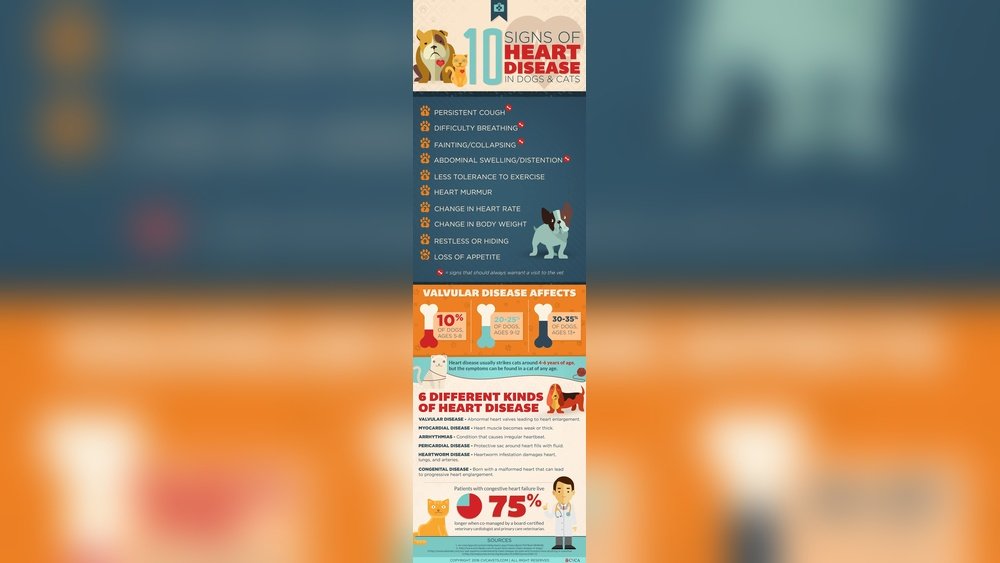
Heart disease affects about 10% of all dogs in the United States, but up to 75% of older dogs may develop some form of heart problem. Small breeds like Cavalier King Charles Spaniels and Miniature Poodles are at higher risk for valvular disease, while large breeds like Dobermans and Boxers are more likely to develop cardiomyopathy.
Interestingly, some breeds are almost “protected” from certain heart diseases. For example, German Shepherds and Labradors rarely get mitral valve disease, while Dobermans are at very high risk for dilated cardiomyopathy. Understanding your dog’s breed risk helps you and your vet stay alert.
Early Signs Of Heart Disease In Dogs
Spotting heart disease early is challenging. Dogs hide weakness by instinct. Often, symptoms are mild or confused with aging.
Common Early Signs
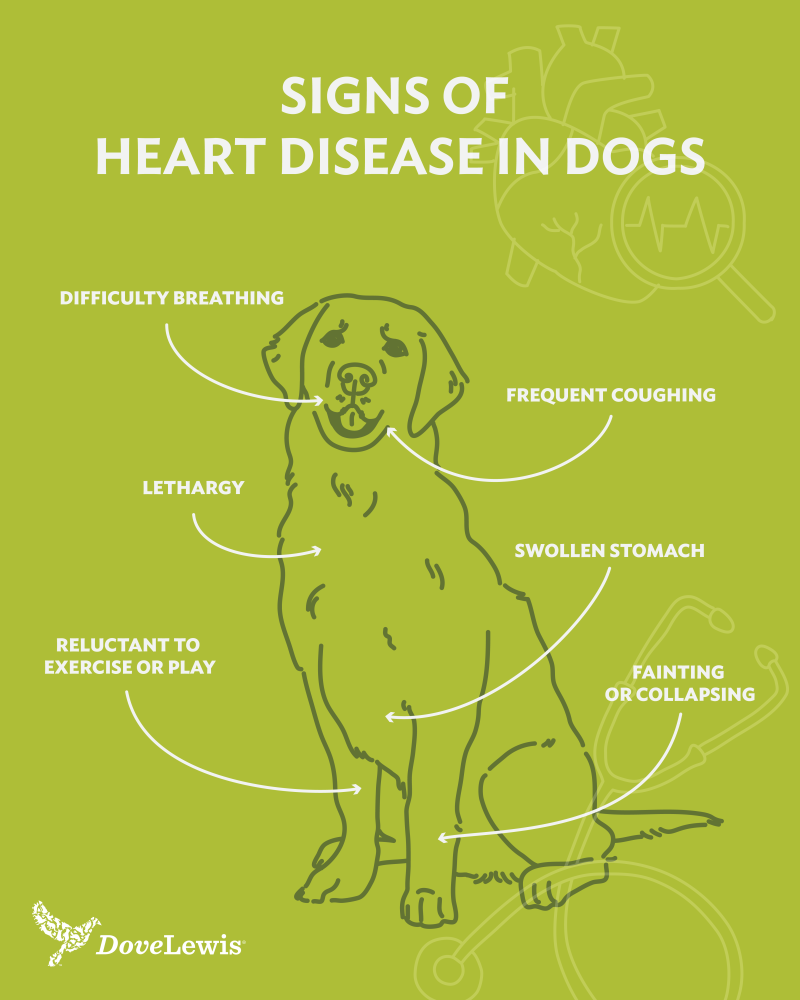
- Coughing: A soft, persistent cough, especially at night or after exercise. It may sound like clearing the throat or a quiet “huff.” Sometimes, owners notice their dog coughs after lying down for a while.
- Fatigue: Gets tired more easily, even after normal walks or play. Your dog might stop and rest sooner or seem less excited to go outside.
- Reduced stamina: Less interest in exercise, stops to rest more often. A dog who loved fetch may start bringing the ball back only once or twice.
- Loss of appetite: Eats less or skips meals. Sometimes, dogs show interest in food but don’t finish, or they turn away after a few bites.
- Mild weight loss: Gradual slimming, even without diet changes. This can be subtle—your dog’s collar may feel a little looser.
- Breathing changes: Slightly faster or heavier breathing, sometimes with panting. You might notice your dog’s chest moving more, even when resting.
It’s easy to miss these changes if you see your dog every day. Comparing old photos or videos can help you spot subtle weight loss or changes in energy.
Why These Signs Matter
Many owners think these symptoms are normal for aging. But a dog who was once active and now prefers to sleep, or who starts coughing at night, could be showing the first clues of heart disease. The heart’s reduced ability to pump means less oxygen and more fluid can build up in the lungs, causing these changes.
For example, even a mild cough at night can be the first sign that fluid is collecting around the heart or lungs. Fatigue is not just about “getting older”—it can signal that the organs are not getting enough oxygen and nutrients.
Not-so-obvious Clues
Two things beginners often miss:
- Restlessness at night: Dogs with heart disease sometimes can’t get comfortable lying down because of fluid in the lungs. You might see your dog get up and change spots frequently, or sleep with their head raised.
- Mild fainting spells: Called “syncope,” this can look like a brief loss of balance, especially after excitement or exercise. Some owners describe it as their dog “just sitting down suddenly” or “almost tripping over nothing.”
Owners often write off these signs as quirks or just “old dog behavior. ” But even one fainting episode or restless night is worth mentioning to your vet. It’s better to check early than wait for things to get worse.
If you see these signs, it’s not always heart disease—but it’s worth a vet visit.

Credit: www.bgvets.com
Advanced Signs Of Heart Disease In Dogs
As heart disease progresses, symptoms become more obvious and serious. The heart struggles to meet the body’s needs, and fluid can back up into the lungs or abdomen.
Major Signs To Watch For
- Persistent cough: Harsher, more frequent, and may bring up foam. Dogs may cough more after lying down or when excited.
- Difficulty breathing: Open-mouth breathing, or sitting with elbows out to breathe. Some dogs stand with their neck extended to get more air.
- Fainting or collapse: Sudden loss of consciousness, often after excitement. Recovery is usually quick, but these spells are alarming.
- Swollen belly: Fluid buildup (ascites) in the abdomen. The belly looks round and feels tight, not soft like fat.
- Blue or gray gums/tongue: Lack of oxygen causes color change. Gums should be bubblegum pink—blue or pale gums are a red flag.
- Severe lethargy: No interest in activities, sleeping most of the day. Some dogs may not want to go outside at all.
- Sudden weight gain: Often from fluid, not fat. Clothes or collars may suddenly feel tight, or you may notice swelling around the legs.
Some dogs develop a “wet” cough, gagging, or even vomiting after coughing. Advanced signs often appear quickly, especially during hot weather or after excitement.
How These Develop
As the heart pumps less effectively, blood backs up in the lungs or body. Fluid leaks out, causing coughing, belly swelling, and trouble breathing. The body gets less oxygen, so your dog may faint or develop blue gums.
Fluid can build up in the chest (pleural effusion) or belly (ascites). This makes breathing and moving uncomfortable. A dog with advanced heart failure may have trouble sleeping lying down and prefer to sit upright.
Comparison: Early Vs. Advanced Signs
Here’s how symptoms change as heart disease worsens:
| Stage | Common Symptoms | Activity Level |
|---|---|---|
| Early | Mild cough, fatigue, reduced appetite | Still active, but tires easily |
| Advanced | Severe cough, trouble breathing, fainting, swollen belly | Very low; reluctant to move |
The shift from early to advanced can be gradual or sudden. For example, a dog may seem fine one week, then develop severe trouble breathing after a stressful event or hot day.
Breed And Age Differences
Not all dogs show the same signs, and some breeds are at higher risk.
Small Breeds
Small breeds like Cavalier King Charles Spaniels, Miniature Poodles, and Chihuahuas often develop valvular disease. They may cough more and develop symptoms earlier.
Some small dogs have a classic “heart cough” that’s worse at night or when excited. These breeds might also show dental problems, which can worsen heart disease.
Large Breeds
Large breeds such as Dobermans, Boxers, and Great Danes are more prone to dilated cardiomyopathy. These dogs might faint more often or show weakness in the legs.
Large breed dogs sometimes show “big dog fainting,” where they suddenly collapse during play or excitement but recover quickly. Their cough may be less obvious than in small breeds.
Puppies And Young Dogs
Heart disease in puppies is rare, but congenital defects can cause stunted growth, trouble breathing, or bluish gums.
Puppies with congenital heart disease may tire easily, grow slower than their littermates, or have a heart murmur detected during a vet check. Not all congenital issues are severe—some dogs live normal lives, while others need early surgery.
Senior Dogs
Most heart disease is seen in dogs over age 7. It’s easy to mistake signs for “just getting old,” but it’s important to look closer.
Older dogs may sleep more, but they should still be able to enjoy gentle walks and eat with interest. If your senior dog’s habits change, consider a heart check.
Table: Risk By Breed Size
| Breed Size | Common Heart Disease | Typical Age of Onset |
|---|---|---|
| Small Breeds | Mitral valve disease | 6-8 years |
| Large Breeds | Dilated cardiomyopathy | 4-8 years |
| All Breeds | Congenital defects | Puppyhood |
Remember, mixed breed dogs can get heart disease too, though their risk may be lower if they have less “at-risk” breed genetics.
Credit: www.dovelewis.org
Why Dogs Hide Heart Disease
Dogs are skilled at hiding illness. In the wild, showing weakness can attract predators. Even at home, dogs try to keep up with their routine. This means owners need to be alert for subtle changes. Sometimes, by the time signs are clear, heart disease is already advanced.
One insight many miss: Weight gain in heart disease is usually fluid, not fat. Owners often think their dog is “just getting heavier,” but it’s actually a sign of trouble.
Another overlooked fact: Some dogs will continue to greet family, play, or even eat with enthusiasm despite feeling unwell. They may only “slow down” when the disease is advanced. That’s why regular vet visits and paying attention to small changes in behavior are so important.
How Vets Diagnose Heart Disease
When you notice changes, a veterinarian is your best resource. Diagnosis combines a good history, physical exam, and special tests.
What To Expect At The Vet
- Listening to the heart: Checking for murmurs, abnormal rhythms, or extra sounds. The vet may listen in different positions or after exercise.
- Chest X-rays: Shows heart size and fluid in the lungs. X-rays can also reveal if the liver or other organs are affected by congestion.
- Ultrasound (echocardiogram): Visualizes heart valves, chambers, and muscle thickness. This test is painless and gives detailed information.
- Blood and urine tests: Look for organ problems or infections. These tests help check kidney and liver function, which can be affected by heart disease.
- Electrocardiogram (ECG): Detects abnormal heart rhythms. Some vets may use a Holter monitor, which records the heart for 24 hours.
Vets may also check blood pressure, as high blood pressure can make heart disease worse.
Diagnostic Comparison
Here’s how common diagnostic tools compare:
| Test | What It Detects | Typical Use |
|---|---|---|
| Physical Exam | Murmurs, arrhythmias | First screening |
| X-ray | Heart size, lung fluid | Confirms heart failure |
| Ultrasound | Valve and muscle problems | Defines disease type |
| ECG | Abnormal rhythms | Checks for arrhythmias |
Some clinics now offer blood tests for heart stress hormones (NT-proBNP or troponin). These can help catch heart disease earlier, especially in breeds at high risk.
07_1.jpg)
Credit: magazine.joovy.com
Why Early Detection Matters
Catching heart disease early can:
- Improve quality of life: Early treatment can keep your dog comfortable. Dogs that start medication before severe symptoms often stay active longer.
- Extend lifespan: Some dogs live years longer with proper care. For example, a small dog with mild valve disease may live a full, happy life with only minor changes.
- Reduce emergencies: Sudden heart failure can be fatal; early care prevents crises. Quick action can avoid painful breathing problems and hospital stays.
Another advantage: starting treatment early may slow the progress of the disease. Vets can adjust medicine and diet as things change, preventing “crashes” that are hard to recover from.
Many heart problems can be managed with medication, diet, and lifestyle changes. Waiting until symptoms are severe limits your options.
What To Do If You Notice Signs
If your dog shows possible signs of heart disease:
- Write down what you see: Note changes in coughing, energy, eating, and breathing. Include dates and times.
- Schedule a vet visit: Even mild signs can matter. Mention if your dog has fainted or seems weaker than before.
- Bring a video: Recording coughs, breathing, or fainting episodes helps your vet. Videos capture details that are hard to describe.
- Don’t wait for more symptoms: Early action makes a difference. Even one new symptom is enough reason to call the clinic.
- Follow your vet’s advice: Treatment is lifelong, but dogs can still enjoy life. Ask questions if you don’t understand the plan.
After your appointment, keep tracking symptoms at home. Share updates with your vet so they can adjust treatment if needed.
Home Monitoring Tips
You play a key role in managing your dog’s heart health.
What To Watch For
- Breathing rate: Count breaths per minute when your dog is relaxed (normal: 10–30). Keep a log to spot trends.
- Coughing: Track frequency and time of day. Note if coughs happen more at night or after activity.
- Exercise tolerance: Note any changes in stamina. Is your dog less interested in play or walks?
- Appetite and weight: Watch for loss or sudden gain. Weigh your dog weekly if possible.
Example: Counting Breaths
Sit quietly with your resting dog. Count how many times the chest rises in 30 seconds, then double it. If it’s over 30 breaths per minute, or rising over time, call your vet.
If your dog pants while resting (not after play or heat), that can also be a sign of trouble. Compare your counts on different days to catch changes early.
When To Seek Emergency Help
Go to the vet or ER immediately if your dog:
- Struggles to breathe or uses stomach muscles to breathe
- Has blue or gray gums/tongue
- Collapses and can’t get up quickly
These are signs of severe heart failure or lack of oxygen. Don’t wait—fast action can save your dog’s life. Even if things improve on the way to the clinic, your dog still needs urgent care.
Treatment Options For Heart Disease
While heart disease cannot always be cured, it can often be managed.
Main Treatments
- Medications: Such as diuretics (reduce fluid), ACE inhibitors (help blood flow), pimobendan (strengthens the heart), and antiarrhythmics (control rhythm). Your vet may start with one drug and add others as needed.
- Diet changes: Lower salt, high-quality protein, and maintaining healthy weight. Some prescription diets are designed for heart health.
- Exercise modifications: Gentle walks, avoiding strenuous play. Let your dog set the pace—some days will be better than others.
- Regular monitoring: Check-ups, bloodwork, and home tracking. Vets may adjust medicine based on progress.
Medications And Side Effects
Most dogs need more than one medication. It’s important to give them as prescribed. Watch for side effects like increased thirst, vomiting, or loss of appetite. Always tell your vet about changes.
For example, diuretics help remove extra fluid but can make your dog drink and pee more. ACE inhibitors may lower blood pressure and cause mild weakness at first. If your dog seems worse after starting a new medicine, call your vet right away.
Treatment Success Example
Many small dogs with mitral valve disease live several years with medication. Large breeds with dilated cardiomyopathy may have shorter survival, but early treatment improves comfort.
One insight: dogs who start treatment early can often avoid emergency trips to the vet and enjoy more good days at home.
Preventing Heart Disease In Dogs
You can’t prevent all heart disease, but you can lower risk.
Steps To Reduce Risk
- Maintain healthy weight: Extra weight strains the heart. Overweight dogs are more likely to develop high blood pressure and other heart risks.
- Regular exercise: Keeps the heart and body strong. Adjust activity as your dog ages.
- Annual vet check-ups: Vets can hear murmurs before you notice symptoms. Early checks catch problems sooner.
- Dental care: Gum disease can lead to heart infections. Brush your dog’s teeth and get regular cleanings.
- Good nutrition: Feed balanced, high-quality food. Avoid salty snacks and table scraps.
- Don’t breed affected dogs: Some heart diseases are genetic.
Dental Disease And Heart Risk
A hidden connection: bacteria from bad teeth can enter the bloodstream and infect heart valves. Regular dental cleanings are more important than many owners realize.
Some studies show dogs with severe dental disease are at higher risk for endocarditis (infection of the heart lining). Good dental care is an easy way to help protect your dog’s heart.
For more on canine heart health, see the American Kennel Club’s guide: American Kennel Club.
Living With A Dog Who Has Heart Disease
A diagnosis isn’t the end. Many dogs live happily for years with heart disease.
Tips For Owners
- Give medications on time: Set reminders. Missing doses can cause setbacks.
- Watch for new signs: Track symptoms in a journal. Share notes with your vet.
- Adjust exercise: Short, gentle walks are best. Avoid heat and excitement.
- Provide comfort: Soft beds, easy access to water, and less stress. Keep your dog’s routine calm and predictable.
- Stay positive: Dogs pick up on your mood. Enjoy the good days together.
Common Owner Mistake
Don’t stop medication if your dog seems better. Heart disease is usually permanent—medication keeps symptoms under control, but stopping it can cause a crisis.
Another common mistake: letting your dog over-exert on “good days.” Always let your dog rest if they seem tired, even if they want to keep playing.
Frequently Asked Questions
What Is The Most Common Sign Of Heart Disease In Dogs?
The most common early sign is a persistent cough, especially at night or after exercise. Other frequent signs include fatigue, reduced stamina, and changes in breathing. If your dog starts coughing and it doesn’t go away, see your vet.
Can Heart Disease In Dogs Be Cured?
Most heart disease in dogs cannot be cured, but it can often be managed with medication and lifestyle changes. Some congenital heart problems in puppies can be repaired with surgery, but for most older dogs, the focus is on improving quality of life.
How Long Can A Dog Live With Heart Disease?
Many dogs can live for months to years after diagnosis, depending on the type and how advanced it is when found. Early detection and proper treatment can significantly increase lifespan and comfort.
Are Some Breeds More At Risk For Heart Disease?
Yes, certain breeds are more likely to develop heart disease. Small breeds often get mitral valve disease, while large breeds are more prone to dilated cardiomyopathy. Genetics play a strong role, so knowing your breed’s risks helps with early detection.
What Should I Do If My Dog Has A Heart Murmur?
A heart murmur is often the first clue of heart disease. Not all murmurs are dangerous, but it’s important to monitor your dog closely. Your vet may recommend further tests like an ultrasound or x-ray. Follow your vet’s advice and watch for signs of coughing, fatigue, or changes in breathing.
If you’re worried about your dog’s heart, don’t wait. Early action can make all the difference. Your attention, along with your vet’s care, is the best way to keep your dog healthy and happy for as long as possible.
We’re the dedicated team behind MyPawSafe.com, with over a decade of combined experience in veterinary care, pet emergency response, and animal behavior. While we prefer to let our work speak for itself, our mission is clear: to provide science-backed, vet-approved advice that helps pet owners prevent accidents and save lives.