Most dog owners love their pets and want to keep them healthy. But sometimes, even the best care cannot prevent certain health problems. One such issue is hypothyroidism in dogs. Many people do not realize that dogs can have thyroid problems just like humans. Often, the signs are easy to miss. Hypothyroidism can make your dog feel tired, gain weight, lose fur, or act differently. If you do not recognize these changes early, your dog’s health may get worse over time.
Understanding the signs of hypothyroidism in dogs is crucial for every dog owner. With this knowledge, you can notice problems sooner, get your dog the right treatment, and help them live a happier life. This article will explain what hypothyroidism is, why it happens in dogs, the most common and less-known signs, how veterinarians diagnose it, and what you can do to help your dog if they have this condition.
What Is Hypothyroidism In Dogs?
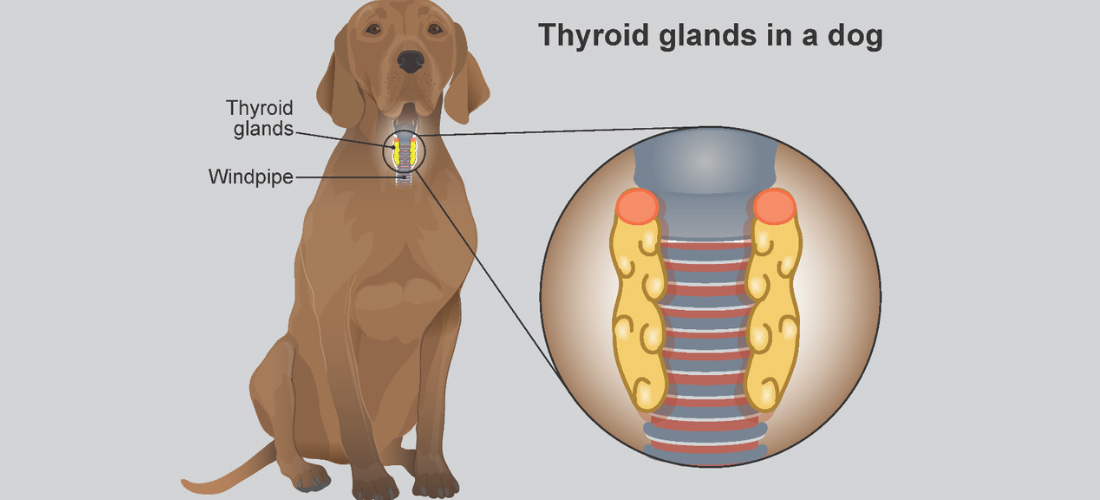
Hypothyroidism is a disease where the thyroid gland, located in the neck, does not make enough thyroid hormones. These hormones control many important body functions like metabolism, energy, and skin health. When the thyroid does not work well, almost every part of the dog’s body can be affected.
Dogs with hypothyroidism have low levels of two key hormones: thyroxine (T4) and triiodothyronine (T3). These hormones help the body use food for energy, keep the skin and coat healthy, and support the nervous system. Without enough thyroid hormone, body processes slow down.
Hypothyroidism mostly affects middle-aged, medium to large breed dogs. It is much less common in small breeds and rare in cats. Some of the breeds most at risk include the Golden Retriever, Doberman Pinscher, Irish Setter, and Labrador Retriever.
Why Do Dogs Get Hypothyroidism?
The most common reason for hypothyroidism in dogs is destruction of the thyroid gland. This happens in two main ways:
- Lymphocytic Thyroiditis: The dog’s immune system attacks its own thyroid gland. This is an autoimmune disease.
- Idiopathic Atrophy: The cells in the thyroid gland slowly disappear and are replaced by fat tissue. The reason for this is often unknown.
Less common causes include thyroid cancer, birth defects, or side effects from certain medications.
Unlike in humans, hypothyroidism in dogs is not usually caused by not eating enough iodine. It is also not the same as hyperthyroidism, where the gland makes too much hormone (this happens more often in cats).
Most Common Signs Of Hypothyroidism In Dogs
The signs of hypothyroidism can be confusing. They are often slow to appear and can look like other health problems. Some dogs only show a few symptoms, while others have many. Here are the most frequent signs:
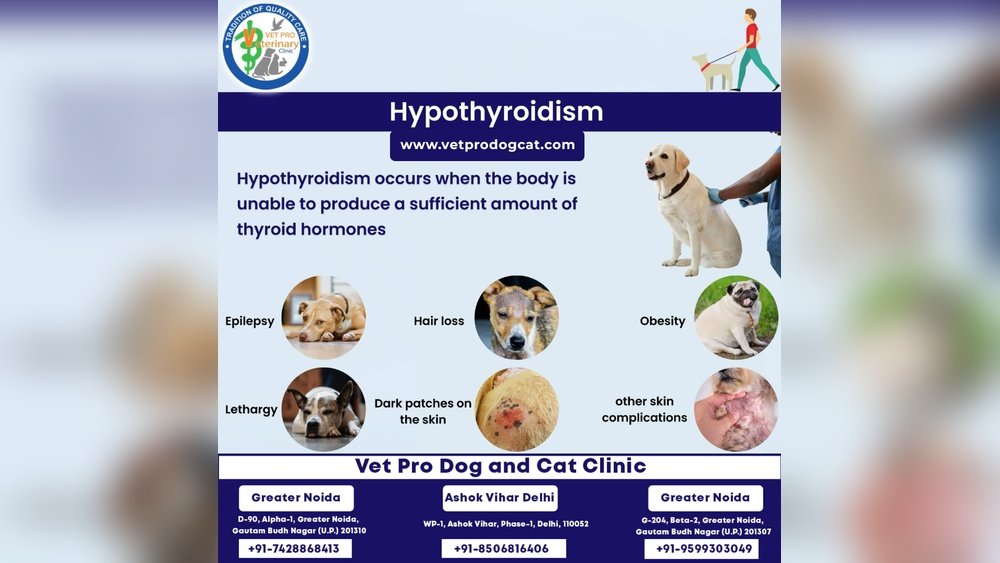
1. Lethargy And Low Energy
One of the first things owners often notice is their dog seems tired or sleeps more than usual. They may not want to play, go for walks, or do things they used to enjoy. This is because their metabolism is slower, so they have less energy.
2. Weight Gain Without More Food
Dogs with hypothyroidism often gain weight even if they are not eating more. Their body does not use calories as quickly, so extra fat builds up. Some dogs may look “chubby” or have a rounded appearance, especially around the middle.
3. Hair Loss (alopecia)
Hair loss is very common. Dogs may lose fur on their tail, back, or sides. Sometimes this is called a “rat tail” because the tail becomes thin and nearly bald. The skin under the lost fur may look dry or flaky, but is usually not itchy.
4. Skin Problems
The skin of hypothyroid dogs may become thick, dark, or greasy. Some dogs get secondary skin infections with bacteria or yeast, leading to a bad smell or sores. The skin may also feel cold to the touch.
5. Cold Intolerance
Dogs with low thyroid hormone levels often feel cold easily. They may seek out warm places, such as lying near heaters or under blankets, even when the weather is not very cold.
6. Slow Heart Rate
A slower than normal heart rate (bradycardia) can occur. This is usually found by a vet during a check-up, but sometimes owners notice their dog seems calmer or less active.
7. Changes In Behavior
Some dogs become depressed, less playful, or seem “down”. Others may become more irritable or anxious. These changes happen because the thyroid hormones also affect the brain.
8. Poor Coat Quality
The fur may become dry, dull, brittle, or thin. It may lose its shine and feel rough. Sometimes, new fur grows back very slowly after it is shaved or falls out.
9. Muscle Weakness
Dogs may appear weak, have trouble jumping, or seem stiff. This is because the muscles do not get enough energy from a slow metabolism.
10. Reproductive Problems
In female dogs, hypothyroidism can cause irregular heat cycles or infertility. Male dogs may have a lower sex drive or trouble breeding.
Less-known Signs And Rare Symptoms
Not every dog will show all the classic signs. Sometimes, hypothyroidism causes less obvious problems that are easy to miss or blame on other things.
1. Chronic Ear Infections
Some dogs get repeated ear infections that do not clear up with normal treatment. This is because the skin in the ear canal becomes unhealthy.
2. Eye Problems
Hypothyroidism can cause dry eyes, thick discharge, or even a condition called corneal lipid deposits (white, cloudy spots on the eye). Rarely, dogs can develop abnormal fat buildup in the eyes.
3. Nerve Issues
In rare cases, dogs develop weakness or paralysis in their face or legs. This is called peripheral neuropathy and happens because nerves do not get enough support from low hormone levels.
4. High Blood Cholesterol
Many hypothyroid dogs have high cholesterol in their blood, which can lead to other health risks over time.
5. Slow Healing
Wounds may take longer to heal, and infections are more common because the immune system is weaker.
6. Heart Problems
Low thyroid hormone can cause heart muscle weakness or abnormal heart rhythms. These issues are usually found by a vet during tests.
7. Constipation
Some dogs may have trouble passing stool because their digestion is slower.
8. Low Body Temperature
Vets sometimes find that a hypothyroid dog’s body temperature is slightly below normal.

Credit: www.northpointeanimalhospital.com
Which Breeds Are Most At Risk?
Some breeds are much more likely to get hypothyroidism than others. Here is a comparison of common breeds and their risk:
| Breed | Risk Level | Notes |
|---|---|---|
| Golden Retriever | High | Often develops in middle age |
| Labrador Retriever | High | Genetic factors involved |
| Doberman Pinscher | High | Immune system links |
| Irish Setter | Moderate | Can show early symptoms |
| Boxer | Moderate | More common after age 5 |
| Poodle | Low | Rare in toy and mini sizes |
| Dachshund | Low | Less common in small breeds |
Most cases are found in dogs aged 4 to 10 years. Males and females are almost equally affected. If your dog’s breed is at high risk, regular vet checks are especially important.
How Vets Diagnose Hypothyroidism
Diagnosing hypothyroidism in dogs is not always simple. The signs can look like other illnesses. Vets use a mix of your dog’s history, a physical exam, and lab tests.
1. Physical Exam
The vet will look for common signs: hair loss, skin changes, weight gain, slow heart rate, and check body temperature. They will also ask about changes in your dog’s energy, appetite, or behavior.
2. Blood Tests
Blood tests are key for diagnosis. The most common tests are:
- Total T4 (Thyroxine): Measures the main thyroid hormone in the blood.
- Free T4: A more accurate test, less likely to be affected by other illnesses.
- TSH (Thyroid Stimulating Hormone): High TSH with low T4 suggests hypothyroidism.
- Cholesterol: Often high in hypothyroid dogs.
Here’s a simple summary of how these tests work together:
| Test | Normal Result | Hypothyroidism Suggestion |
|---|---|---|
| Total T4 | Normal or High | Low |
| Free T4 | Normal | Low |
| TSH | Low or Normal | High |
| Cholesterol | Normal | High |
Sometimes, other illnesses can also lower T4, so the vet may run extra tests. A true diagnosis looks at the full picture, not just one result.
3. Other Tests
In rare cases, vets may use a thyroid stimulation test or ultrasound to check the thyroid gland. These are not needed for most dogs.
What Owners Can Do: Steps After Diagnosis
If your dog is diagnosed with hypothyroidism, the good news is that it can be managed with daily medication. Here’s what you should do:
1. Give Medication As Directed
Dogs with hypothyroidism need a medicine called levothyroxine. This replaces the hormone their body is missing. It must be given every day, at the same time, and the dose may need adjusting.
2. Monitor For Improvement
Most dogs start to feel better within a few weeks. You may notice:
- More energy
- Better mood
- Weight loss
- Hair regrowth
Skin and coat changes may take longer to improve, sometimes a few months.
3. Regular Vet Check-ups
Your vet will need to check blood tests after starting medication and then every 6-12 months. This makes sure the dose is right and catches any problems early.
4. Watch For Side Effects
Too much thyroid hormone can cause hyperactivity, weight loss, and rapid heartbeat. If you see these signs, contact your vet.
5. Keep A Health Journal
Record your dog’s behavior, weight, and any changes. This helps your vet see how well treatment is working.
6. Diet And Exercise
A balanced diet and regular exercise are important, especially if your dog gained weight. Hypothyroidism is not caused by food, but healthy habits support recovery.
How Hypothyroidism Affects A Dog’s Life
With the right treatment, most dogs live a normal and happy life. Some owners worry that their dog will always be sick, but this is not true for most cases. However, there are a few things to keep in mind:
- Dogs need medicine for life.
- Skipping doses can cause symptoms to return.
- Some dogs may develop other health problems if hypothyroidism is not treated.
Early detection and regular care make a big difference. Owners who follow their vet’s advice usually see their dog return to normal within a few months.
Common Mistakes And Myths
Many owners miss the signs of hypothyroidism or believe myths that make things worse for their dog. Here are some points to remember:
1. “my Dog Is Just Getting Old”
Many signs of hypothyroidism, like low energy or weight gain, are blamed on age. But these changes are not always normal. If you see any of these signs, talk to your vet.
2. “changing Food Will Fix It”
While a healthy diet helps, hypothyroidism is not caused by what your dog eats. Special foods alone will not cure the problem.
3. “thyroid Medicine Is Dangerous”
When given as directed, thyroid medicine is safe for most dogs. Regular blood tests help avoid problems.
4. “only Fat Dogs Get Hypothyroidism”
Not true. Thin dogs can also have this disease. Some dogs lose muscle but not fat.
5. “all Hair Loss Means Hypothyroidism”
Many things can cause hair loss in dogs, such as allergies or infections. Only a vet can tell the difference.
How Hypothyroidism In Dogs Differs From Humans
People often compare dog hypothyroidism to the human form. While there are similarities, there are also important differences:
| Feature | Dogs | Humans |
|---|---|---|
| Common Cause | Immune attack or atrophy | Iodine deficiency or immune attack |
| Age Group | Middle-aged dogs | Adults (any age) |
| Symptoms | Skin, coat, weight, energy | Fatigue, weight, cold, mood |
| Diagnosis | Blood tests, history | Blood tests, symptoms |
| Treatment | Lifelong hormone pills | Lifelong hormone pills |
One non-obvious difference: dogs rarely get goiters (enlarged thyroid glands), but this is more common in humans with thyroid issues.
When To See A Veterinarian
If you notice any of the following, make an appointment with your vet soon:
- Sudden or unexplained weight gain
- Loss of energy or interest in normal activities
- Hair loss, especially around the tail or sides
- Skin changes (dark, thick, greasy, or smelly)
- Repeated ear or skin infections
- Cold intolerance
It is better to check early than to wait. Early treatment gives the best results.
Preventing Hypothyroidism In Dogs
Unfortunately, there is no sure way to prevent hypothyroidism, especially when it is caused by genetics or autoimmunity. Still, there are steps you can take to support your dog’s general health:
- Feed a balanced, high-quality diet
- Keep your dog at a healthy weight
- Provide regular exercise
- Schedule yearly vet visits, especially for high-risk breeds
- Avoid breeding dogs with a known thyroid problem
If you are thinking about getting a dog, ask breeders about the health history of the puppy’s parents.
Credit: www.pdsa.org.uk
Living With A Dog With Hypothyroidism
Many owners worry about what life will be like after their dog is diagnosed. The truth is, most dogs do very well with medication and support. Here are some things to remember:
- Give medicine at the same time every day
- Watch for changes in your dog’s behavior, coat, or energy
- Stay in touch with your vet for regular check-ups
- Don’t be afraid to ask questions or raise concerns
With care, most dogs return to their old selves—happy, playful, and full of life.
Frequently Asked Questions
What Are The Earliest Signs Of Hypothyroidism In Dogs?
The earliest signs are usually subtle. Most owners notice low energy, more sleeping, or a lack of interest in play. Some dogs start gaining weight even if their food intake has not changed. Dry or thinning fur, especially on the tail, can also be an early clue.
Can Hypothyroidism In Dogs Be Cured?
Hypothyroidism cannot be cured, but it can be controlled with daily medicine. Dogs need to take thyroid hormone for the rest of their lives. With the right treatment, they can live a normal, happy life.
Is Hypothyroidism Painful For Dogs?
No, hypothyroidism itself is not painful. However, some symptoms like skin infections or ear problems can be uncomfortable. The main issues are tiredness, weight gain, and coat problems—not pain.
How Much Does It Cost To Treat A Dog With Hypothyroidism?
The cost includes blood tests and daily medication. In the US, medicine for a medium-sized dog often costs $20–$50 per month. Blood tests may cost $50–$150 each time. Most dogs need tests a few times a year. These prices vary by location and dog size.
Where Can I Find More Information About Hypothyroidism In Dogs?
For more details, check trusted veterinary resources like the VCA Animal Hospitals website. Your own vet is always the best source for advice about your dog’s health.
Recognizing the signs of hypothyroidism in dogs is a key part of being a responsible pet owner. With early detection and proper care, your dog can continue to enjoy life to the fullest. If you have any doubts, always reach out to your veterinarian—they are your best partner for your dog’s health and happiness.

Credit: www.medvet.com
We’re the dedicated team behind MyPawSafe.com, with over a decade of combined experience in veterinary care, pet emergency response, and animal behavior. While we prefer to let our work speak for itself, our mission is clear: to provide science-backed, vet-approved advice that helps pet owners prevent accidents and save lives.