

Every puppy’s life starts with a strong bond to its mother. This early stage is not only about warmth and comfort, but also about milk, learning, and survival. For dog owners and breeders, one important question is: when can puppies be weaned from their mother? The answer is not as simple as marking a date on the calendar. Timing weaning correctly means healthier puppies, less stress for the mother, and an easier transition to new homes.
Let’s explore the journey from birth to independence for a puppy, highlight the stages of weaning, and offer practical guidance you can follow with confidence. Along the way, you’ll find data-driven advice, clear examples, and answers to questions many new puppy owners have.
Understanding Weaning: What It Really Means
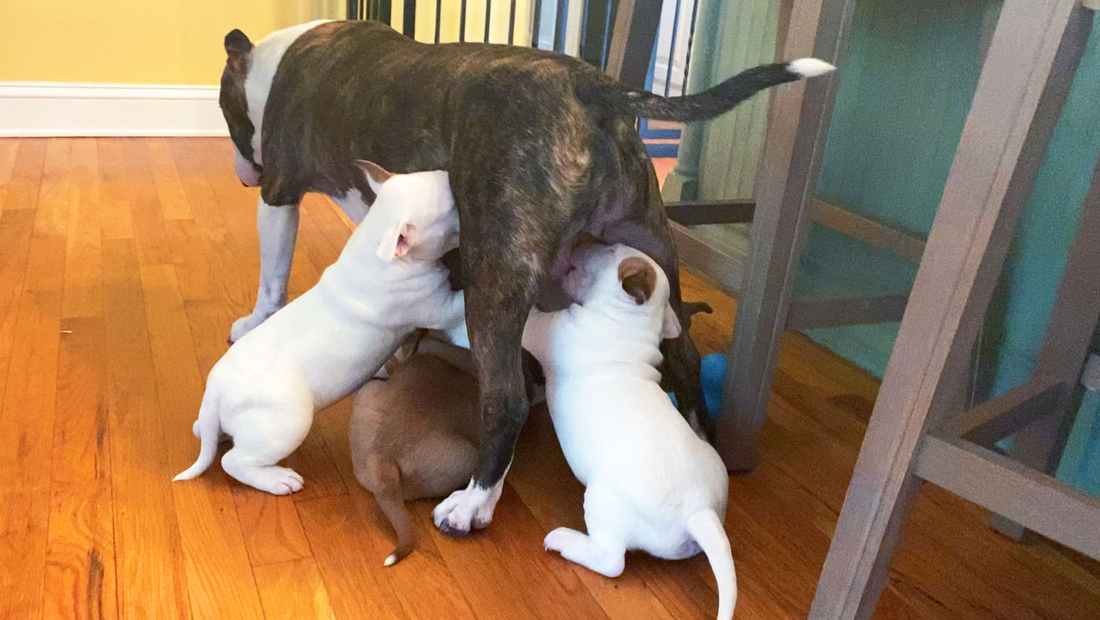
Weaning is the process where puppies shift from mother’s milk to eating solid food. This doesn’t happen overnight. Instead, it is a gradual change that usually takes several weeks. The weaning period is essential for the puppies’ growth, their immune system, and their ability to socialize.
In nature, weaning happens as the mother becomes less available or interested in nursing. Puppies get curious, start to nibble on solid food, and slowly rely less on milk. For responsible breeders or owners, guiding this process means understanding both the puppies’ needs and the mother’s well-being.
The Right Age: When Can Puppies Be Weaned?
Timing is everything. Most experts agree that weaning begins at 3–4 weeks of age and is complete by 7–8 weeks. However, the exact timing depends on the breed, the litter size, the health of the mother, and the development of each puppy.
| Puppy Age | Key Development | Weaning Stage |
|---|---|---|
| 0–2 weeks | Dependent on mother’s milk | Not started |
| 3–4 weeks | Teeth begin to emerge; start exploring | Weaning starts |
| 5–6 weeks | Eat more solid food, less milk | Active weaning |
| 7–8 weeks | Mostly eat solids; social skills develop | Weaning complete |
Key insight: Puppies should not be separated from their mother before 8 weeks unless absolutely necessary. Early separation can cause stress, poor socialization, and long-term health issues.
Why Proper Weaning Matters
Weaning is not just about switching food. It’s a critical stage that affects the puppy’s health, social behavior, and even how well they adapt to new environments. Here’s why the process matters:
- Nutrition: Mother’s milk supplies essential antibodies and nutrients. Premature weaning leaves puppies vulnerable.
- Social learning: Puppies learn to interact with their littermates and mother. This builds confidence and teaches bite inhibition.
- Physical development: Chewing and eating solids strengthens jaw muscles and helps digestion.
- Emotional stability: Gradual weaning reduces anxiety for both puppies and the mother.
Veterinarians and animal behaviorists warn that early weaning can lead to behavioral problems like fearfulness, aggression, or separation anxiety. On the other hand, late weaning can make the transition harder, as puppies may become too reliant on their mother.
Signs Puppies Are Ready To Start Weaning
Not all puppies develop at the same rate. It’s important to watch for clear signs that your litter is ready:
- Puppies begin to chew or bite the mother during nursing.
- They show interest in the mother’s food or try to lick food bowls.
- Teeth start to appear (usually at 3 weeks).
- The mother becomes restless or tries to avoid nursing.
- Puppies are able to stand and walk steadily.
If these signs are present, you can safely start offering soft, mushy food alongside milk. If not, wait a few more days. Rushing the process can do more harm than good.
Step-by-step Guide To Weaning Puppies
Weaning is a gradual process. Here’s how to do it successfully:
Step 1: Prepare The Right Food
Start with a high-quality puppy food. Choose food specially formulated for puppies, as it contains the right balance of protein, fat, and nutrients. For the first week, soak the dry kibble in warm water or puppy formula until it becomes a mushy paste.
Step 2: Offer The Food
Place the softened food in a shallow dish or plate. Gently guide the puppies to the food. Some may eat right away, others will need encouragement. Expect messiness—puppies may step in the food or try to lick it off each other.
Step 3: Reduce Nursing Sessions
As puppies eat more solids, the mother will naturally nurse less. If she seems stressed or overwhelmed, allow her time away from the puppies. Do not force her to nurse once the puppies are eating well.
Step 4: Increase Solids Gradually
Over the next three weeks, slowly reduce the amount of water in the food, making it thicker. By seven weeks, most puppies can eat dry kibble. Always provide fresh water.
Step 5: Monitor Health And Progress
Watch for signs of diarrhea, weight loss, or lethargy. Healthy puppies should gain weight, be playful, and have firm stools. If you notice problems, consult your veterinarian.
Practical tip: Each puppy is different. Some will wean quickly, others take longer. Be patient and flexible.
Challenges During Weaning (and How To Solve Them)
Weaning is not always smooth. Here are some common challenges, and how to address them:
1. Reluctant Eaters
Some puppies are slow to accept solid food. Try:
- Mixing a little puppy formula with the food to improve taste.
- Feeding smaller, more frequent meals.
- Hand-feeding with a spoon if needed.
2. Digestive Upset
Loose stools or mild diarrhea are common at the start of weaning. To help:
- Keep food bland and simple.
- Avoid sudden changes in diet.
- Clean feeding areas to prevent infections.
If diarrhea is severe or puppies become weak, call your vet.
3. Mother’s Discomfort
As nursing decreases, the mother’s mammary glands may become full. This can cause discomfort. To ease her:
- Limit puppies’ access gradually rather than suddenly.
- Give her gentle exercise.
- Watch for signs of mastitis (redness, swelling, heat).
4. Sibling Competition
In large litters, some puppies may dominate the food. To ensure all get enough:
- Feed in separate dishes if needed.
- Supervise feeding times.
- Weigh puppies regularly to check growth.
Non-obvious insight: Puppies that are hand-fed or bottle-fed due to weak health may need extra time and patience to transition to solids.
Credit: www.puppyculturestories.com
Breed Differences: Does Size Matter?
Breed and size play a role in weaning. Small breeds (like Chihuahuas or Yorkies) and giant breeds (like Great Danes) develop at different speeds.
| Breed Size | Weaning Start | Weaning Complete | Special Considerations |
|---|---|---|---|
| Toy/Small breeds | 3–4 weeks | 7–8 weeks | May need more frequent meals; risk of low blood sugar |
| Medium/Large breeds | 3–4 weeks | 7–8 weeks | Standard process |
| Giant breeds | 3–4 weeks | 8–9 weeks | May benefit from extra week due to slower growth |
Tip for owners: Always check with your vet for breed-specific advice. Some breeds are prone to digestive issues or slow development.
Weaning Orphaned Or Rejected Puppies
Sometimes, puppies lose their mother or she cannot nurse them. Weaning orphans is challenging, but not impossible.
- Use a commercial puppy milk replacer—never cow’s milk.
- Bottle-feed until 3 weeks old, then introduce mushy food as above.
- Keep puppies warm and clean, as they cannot regulate body temperature well.
- Socialize by handling gently and letting them interact with littermates if possible.
Orphaned puppies may need to start weaning a few days later, as they rely on bottle-feeding longer.
The Human Role: How Owners And Breeders Can Help
Your job during weaning is to support both the puppies and the mother. Here’s how you can help:
- Provide a quiet, safe area for feeding and rest.
- Clean bedding and dishes daily to prevent illness.
- Monitor the puppies’ weight at least twice a week.
- Let the mother set the pace—don’t force her to leave or stay.
- Gradually increase social interaction with humans and gentle play.
Non-obvious insight: Puppies exposed to gentle handling, different textures, and mild sounds during weaning adjust better to new homes.
Nutrition Needs During Weaning
Proper nutrition is key to healthy growth. Puppies need:
- High protein (22–32%)
- Moderate fat (10–25%)
- Balanced calcium and phosphorus for bone growth
- DHA for brain development
Choose a puppy food that meets AAFCO (Association of American Feed Control Officials) standards. Look for labels like “complete and balanced for growth” on packaging.
Avoid feeding:
- Adult dog food (not enough nutrients for puppies)
- Table scraps or bones (risk of choking or stomach upset)
- Cow’s milk (can cause diarrhea)
Practical tip: If in doubt, ask your veterinarian for recommended brands.
Credit: madcapuniversity.com
How Weaning Affects The Mother Dog
The mother also goes through changes during weaning. As puppies nurse less, her body reduces milk production. She may become less interested in being with the puppies, need more rest, or show signs of wanting her own space.
Support her by:
- Providing extra food and water, as nursing is demanding.
- Allowing her time away from the litter.
- Watching for mastitis or other health issues.
Important: Weaning should never be abrupt. Sudden separation can cause health problems for both mother and puppies.
Socialization During Weaning
This period is not only about food. From 3 to 8 weeks, puppies learn vital social skills. They play, bite, bark, and interact with humans. Good breeders use this window to gently expose puppies to new sights, sounds, and experiences.
- Handle each puppy daily.
- Introduce soft toys, new surfaces, and gentle noises.
- Allow supervised visits from family members.
Puppies who are well socialized during weaning are less fearful and more adaptable in adult life.
Mistakes To Avoid When Weaning Puppies
Some common mistakes can set back the process or cause health issues:
- Weaning too early: Removing puppies from the mother before 6 weeks can cause stress and poor development.
- Switching food abruptly: Gradual change prevents stomach upset.
- Neglecting the mother: She needs support as much as the puppies.
- Poor hygiene: Dirty dishes and bedding can spread disease.
- Overfeeding or underfeeding: Follow feeding guidelines and monitor weight.
Extra tip: Puppies should double their birth weight by 1–2 weeks and continue steady growth. Stunted growth signals a problem.
When Puppies Can Leave For New Homes
Most countries and organizations recommend puppies stay with their mother and litter until at least 8 weeks old. This ensures:
- They are fully weaned.
- They have learned important social skills.
- They have received first vaccinations.
Some states and countries have laws about the minimum age for sale or adoption. Check local regulations before rehoming puppies.
How Long Does Weaning Take?
The entire weaning process usually takes 3 to 5 weeks. Starting at 3–4 weeks and finishing by 7–8 weeks is ideal. Rushing or delaying can both cause problems.
Here’s a quick timeline:
- Week 3: Start offering mushy puppy food.
- Week 4–5: Increase solids, decrease nursing.
- Week 6–7: Puppies eat mostly solids; mother nurses rarely.
- Week 8: Weaning complete; puppies ready for new homes.
Comparing Natural Vs. Human-guided Weaning
How does natural weaning in the wild compare to weaning by breeders or pet owners? Here’s a side-by-side look:
| Natural Weaning (Wild/Stray Dogs) | Human-Guided Weaning |
|---|---|
| Puppies nurse until mother limits access | Humans offer solid food at 3–4 weeks |
| Weaning may take longer if food is scarce | Consistent, balanced nutrition provided |
| Higher risk of malnutrition or slow growth | Regular health checks and support |
| Natural socialization with pack | Intentional human socialization and training |
Both methods have challenges, but human guidance usually leads to healthier, better-adjusted puppies.
Credit: www.rover.com
The Role Of The Veterinarian During Weaning
Your veterinarian is an essential partner in the weaning process. They can:
- Advise on the best timing for your litter.
- Recommend the right food and supplements.
- Check for parasites, infections, or developmental issues.
- Give first vaccinations and deworming treatments.
Schedule at least one vet visit during weaning. Bring a record of each puppy’s weight, eating habits, and any concerns.
Common Questions From New Puppy Owners
Many first-time breeders and owners worry about making mistakes. Here are two questions that often come up:
Should I let the mother decide when to stop nursing?
Yes, in most cases. She will naturally reduce nursing as puppies eat more solids. Only intervene if she shows signs of illness or distress.
What if one puppy is not keeping up?
Weigh each puppy regularly. If one falls behind, offer extra food or feed separately. Consult your vet if the problem continues.
Frequently Asked Questions
How Do I Know If A Puppy Is Fully Weaned?
A puppy is fully weaned when it eats solid food without help, drinks water independently, and shows little interest in nursing. Most puppies reach this stage by 7–8 weeks old.
Can I Wean Puppies Earlier If The Mother Is Sick?
If the mother cannot nurse, you can start weaning at 3 weeks with a milk replacer and mushy food. However, early weaning should be supervised by a vet to avoid health risks.
What Should I Feed Puppies During Weaning?
Feed a high-quality, puppy-specific food. Start with a mushy mixture of kibble and warm water or puppy formula, then gradually make it firmer over 3–4 weeks. Avoid adult dog food or cow’s milk.
How Often Should Puppies Eat During Weaning?
Puppies should eat 4 times a day at first. By 7–8 weeks, you can reduce to 3 meals a day. Always provide fresh water.
Is It Okay To Give Treats Or Table Scraps To Puppies During Weaning?
No, avoid treats and human food during weaning. Stick to balanced puppy food to support growth and prevent stomach problems.
As you guide your puppies through the weaning process, remember that patience and observation are your best tools. Each puppy is unique and may need adjustments along the way. By following expert advice and focusing on the well-being of both the puppies and their mother, you give your litter the best start possible. For more detailed information, trusted sources like the American Kennel Club can be valuable guides on your journey.

We’re the dedicated team behind MyPawSafe.com, with over a decade of combined experience in veterinary care, pet emergency response, and animal behavior. While we prefer to let our work speak for itself, our mission is clear: to provide science-backed, vet-approved advice that helps pet owners prevent accidents and save lives.