The Great Pyrenees Poodle mix, often called the Pyredoodle, is a fascinating hybrid that’s winning hearts around the world. Owners love this mix for its gentle nature, intelligence, and unique looks. But before bringing a Pyredoodle home, it’s important to know what to expect as they grow up. This article explains their full-grown size, coat types, and care needs. You’ll learn about their personality, health, grooming, feeding, exercise, and how to handle common challenges. Whether you’re a first-time dog owner or experienced, you’ll get practical advice for making your Pyredoodle happy and healthy.
Pyredoodle Origins And Genetics
The Pyredoodle is a cross between the Great Pyrenees and the Standard Poodle. These parent breeds bring very different qualities to the mix.
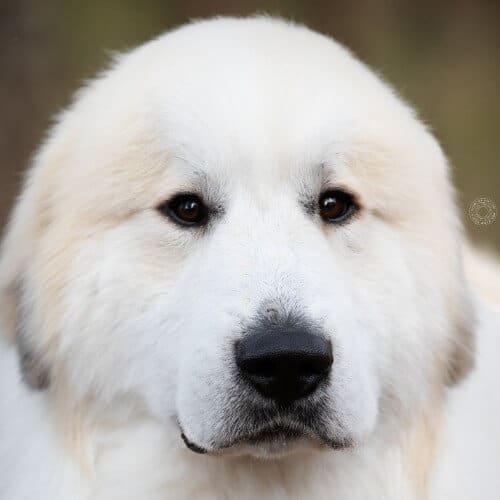
The Great Pyrenees is a large, strong dog bred to guard livestock in harsh mountain climates. They’re calm, loyal, and protective. The Standard Poodle is much more energetic and highly intelligent. Poodles are famous for their curly coats and low-shedding hair.
When you mix these two, you get a dog with impressive size, smarts, and a unique coat.
Pyredoodles are not recognized by major kennel clubs, but they’re popular among families and dog lovers. Each Pyredoodle is a bit different, depending on which parent’s traits are stronger. This unpredictability is part of their charm—but also why owners need to be ready for variation.
Full Grown Size: What To Expect
Understanding the full-grown size of a Pyredoodle is crucial. It affects where your dog can live, how much food they need, and how much exercise is required.
Typical Height And Weight
Most Pyredoodles are bred from Standard Poodles, not Miniature or Toy Poodles. As adults, they are large dogs:
| Age | Height (inches) | Weight (pounds) |
|---|---|---|
| 8 weeks | 9-12 | 10-20 |
| 6 months | 18-23 | 40-60 |
| 12-18 months (Full Grown) | 22-32 | 85-100+ |
A full-grown Pyredoodle typically stands 24-32 inches at the shoulder and weighs 85-100 pounds. Some may be even larger, especially if the Great Pyrenees side is dominant.
Growth Timeline
Pyredoodles reach their adult height around 12-18 months. Their weight can keep increasing until 2 years, as they fill out and gain muscle.
- First 6 months: Rapid growth. They look lanky.
- 6-12 months: Start to look more muscular.
- 12-18 months: Reach final height, but may gain more weight.
- 18-24 months: Final weight, mature coat appears.
An insight many miss: Pyredoodles grow slower than smaller breeds, so don’t panic if your puppy seems thin or awkward in the first year.
Factors Influencing Size
Size can vary based on genetics, diet, and activity. Some Pyredoodles are smaller if the Poodle parent was on the smaller side, or larger if the Great Pyrenees was big. Males tend to be heavier and taller than females.
It’s important to ask your breeder about the parents’ size. But even then, there’s no guarantee—mixed breeds are unpredictable.
Coat Types And Maintenance
The Pyredoodle’s coat is one of its most striking features. It can range from curly to wavy to almost straight, depending on which parent’s genes are dominant.
Common Coat Types
Most Pyredoodles have one of these three coat types:
- Curly: Like a Standard Poodle, tight curls. Low shedding.
- Wavy: A mix of both parents. Soft waves, moderate shedding.
- Straight: More like Great Pyrenees, thick and fluffy. Higher shedding.
The coat color can include white, cream, apricot, black, gray, or a mix. Some have white coats with patches, while others are solid.
| Coat Type | Shedding Level | Grooming Frequency |
|---|---|---|
| Curly | Low | Every 4-6 weeks |
| Wavy | Moderate | Every 3-5 weeks |
| Straight | High | Every 2-4 weeks |
Grooming Needs
Pyredoodles need regular grooming, but the amount depends on their coat.
- Curly coats: Need professional grooming every 4-6 weeks. Daily brushing prevents mats.
- Wavy coats: Brush 3-4 times a week. Mats are less common, but still possible.
- Straight coats: Brush daily. Shed heavily in spring and fall.
Don’t underestimate coat care. Mats can cause skin infections and discomfort. It’s smart to invest in a slicker brush and detangler spray.
Non-obvious Insight
Many new owners assume curly coats are always “hypoallergenic. ” But Pyredoodles are not guaranteed to be hypoallergenic. Shedding and dander depend on the individual dog, not just the coat.
Seasonal Changes
Pyredoodles often shed more in spring and fall, especially if they have a straight coat. During these times, increase brushing and check for mats behind the ears and under the legs.
Personality And Temperament
The Pyredoodle’s personality is a mix of both parents. They’re known for being gentle giants, but also smart and playful.
Common Traits
- Affectionate: Loves family and children. Often forms a strong bond with one person.
- Intelligent: Learns quickly, but can be stubborn.
- Protective: May guard the home, but less aggressive than a pure Great Pyrenees.
- Calm: Enjoys relaxing, especially as adults.
- Playful: Likes games and walks.
Socialization
Pyredoodles need early socialization. If not exposed to different people and dogs, they may become shy or overly protective. Puppy classes help a lot.
Activity Level
They are not as energetic as a pure Poodle, but need daily exercise. A bored Pyredoodle can become destructive. Aim for 1-2 hours of activity per day.
Non-obvious Insight
Pyredoodles may bark less than Great Pyrenees, but they can still be vocal, especially if left alone. Training from a young age helps control barking.
Health And Longevity
Mixed breeds often have fewer health problems than purebreds. But Pyredoodles can inherit issues from both parents.
Common Health Problems
- Hip dysplasia: Common in large breeds. Causes pain and arthritis.
- Elbow dysplasia: Less common, but possible.
- Bloat: A dangerous condition in big dogs. Learn the signs.
- Ear infections: Especially in curly-coated dogs.
- Eye issues: Cataracts or progressive retinal atrophy.
Pyredoodles usually live 10-12 years. Some reach 14 if cared for well.
Prevention And Vet Care
Regular vet visits are essential. Ask your vet for hip and elbow checks, especially after 2 years of age. Keep up with vaccinations, flea/tick prevention, and dental care.
Non-obvious Insight
Don’t skip dental care. Large, fluffy dogs are prone to tartar and gum disease, which can affect their heart.
Feeding And Nutrition
Feeding a full-grown Pyredoodle takes planning. Their large size means they need more calories, but not all food is equal.
How Much To Feed
Most adult Pyredoodles need 3-4 cups of high-quality kibble per day, split into two meals. Active dogs may need more.
Choosing The Right Food
Look for dog food with:
- High protein (at least 22%)
- Healthy fats (12-15%)
- Limited fillers (avoid corn/wheat as main ingredients)
- Added joint support (glucosamine/chondroitin)
| Brand | Protein (%) | Main Ingredients |
|---|---|---|
| Blue Buffalo | 26 | Chicken, Brown Rice |
| Hill’s Science Diet | 24 | Lamb, Barley |
| Royal Canin | 23 | Chicken, Corn |
Avoiding Overfeeding
Large dogs are prone to obesity. Use a measuring cup, and don’t feed too many treats. Watch for signs of weight gain like reduced activity or visible fat over the ribs.
Water Needs
Always provide fresh water. Pyredoodles drink more than smaller breeds, especially in summer.
Exercise And Activity
Exercise is important for both body and mind. A bored Pyredoodle can develop bad habits.
Daily Exercise Needs
Aim for 60-120 minutes of activity per day. This can include:
- Walks (morning and evening)
- Playtime in the yard
- Fetch or tug-of-war
- Swimming (most Pyredoodles enjoy water)
Mental Stimulation
Because Pyredoodles are smart, mental games are just as important. Try puzzle toys, hide-and-seek with treats, and basic training. Change the routine sometimes to keep them interested.
Common Mistakes
New owners sometimes think a big yard is enough. But Pyredoodles need human interaction and varied activities. Without this, they may dig, chew, or bark excessively.
Non-obvious Insight
Pyredoodles often enjoy gentle hiking. But avoid steep hills until they’re fully grown—heavy exercise can harm developing joints.
Training And Behavior
Training a Pyredoodle is easier than many large breeds, thanks to their intelligence. But patience is key.
Basic Training Tips
- Start young. The first 6 months are crucial.
- Use positive reinforcement—treats, praise, and play.
- Be consistent. Mixed signals confuse them.
- Keep sessions short (10-15 minutes). Long sessions cause boredom.
Social Training
Expose your Pyredoodle to new people, places, and dogs. This reduces shyness and prevents aggression.
House Training
Pyredoodles learn house rules quickly if you stick to a routine. Take them outside after meals, naps, and play. Reward them for going in the right place.
Advanced Training
Agility or obedience classes are great for mental stimulation. Pyredoodles can learn advanced tricks, but may not be as fast as pure Poodles.
Non-obvious Insight
Pyredoodles sometimes “test” their owners. If you give in to whining or stubbornness, bad habits can form. Stay firm but kind.
Credit: showsightmagazine.com
Grooming And Hygiene
Keeping your Pyredoodle clean is part of good care. Their coat, ears, and teeth need regular attention.
Bathing
- Bathe every 4-6 weeks, or when dirty.
- Use dog shampoo, not human products.
- Dry thoroughly, especially if the coat is thick.
Brushing
- Brush daily if the coat is straight; 3-4 times a week for curly/wavy.
- Use a slicker brush for mats.
- Check behind ears, under legs, and around the neck.
Ears
- Clean ears weekly. Use a vet-recommended solution.
- Check for redness, odor, or discharge.
- Curly-haired Pyredoodles are more prone to ear infections.
Teeth
- Brush teeth 2-3 times a week.
- Use dog toothpaste.
- Dental chews help, but don’t replace brushing.
Nails
- Trim nails every 4 weeks.
- If you hear clicking on the floor, it’s time to trim.
Non-obvious Insight
After bathing, check for “hot spots”—red, irritated patches. These are common in thick-coated dogs and need attention.
Living Environment And Space Needs
Pyredoodles are large, so their living environment matters.
Space Requirements
- Best for homes with a yard.
- Can adapt to apartments if exercised well, but it’s harder.
- Needs space to move freely—tight spaces can cause joint stress.
Indoor Vs Outdoor
Pyredoodles are family dogs. They should live indoors with the family, not outside alone. Extreme temperatures can harm them, even with a thick coat.
Common Mistakes
Some owners think a Pyredoodle can live outside because of its size. But they need human interaction and mental stimulation. Isolation leads to bad behavior.
Non-obvious Insight
Pyredoodles often “herd” children and pets. This is harmless, but watch for nipping—train early to prevent it.
Common Challenges And Solutions
Owning a Pyredoodle comes with challenges, but most are manageable with knowledge and patience.
Shedding And Allergies
Some Pyredoodles shed more than expected. Invest in a good vacuum and lint roller. If allergies are a concern, spend time with the breed before adopting.
Barking
Pyredoodles may bark at strangers or loud noises. Teach “quiet” commands early.
Separation Anxiety
They love company and may get anxious when alone. Gradually train your dog to stay alone for short periods.
Stubbornness
Intelligent dogs sometimes resist commands. Use firm, consistent training and avoid punishment.
Health Costs
Large breeds cost more for food, grooming, and vet visits. Budget carefully before adopting.
Non-obvious Insight
Pyredoodles can be sensitive to loud noises. Create a calm space during storms or fireworks.
Pyredoodle Vs Other Doodle Mixes
How Does The Pyredoodle Compare To Other Popular Doodle Mixes?
| Breed Mix | Size (lbs) | Coat Type | Energy Level | Shedding |
|---|---|---|---|---|
| Pyredoodle | 85-100+ | Curly/Wavy/Straight | Moderate | Low-High |
| Goldendoodle | 50-90 | Curly/Wavy | High | Low-Moderate |
| Labradoodle | 50-80 | Curly/Wavy | High | Low-Moderate |
| Bernedoodle | 70-90 | Curly/Wavy | Moderate | Low-Moderate |
Pyredoodles are larger than most doodle mixes. Their coats have more variation, and their temperament is calmer.

Credit: nationalpyr.org
Choosing A Pyredoodle: Tips And Considerations
Before adopting or buying a Pyredoodle, consider these tips.
- Research breeders: Look for health-tested parents.
- Meet both parents: See their size, temperament, and coat.
- Ask about health checks: Hips, elbows, eyes.
- Spend time with puppies: Personality is clear after 6 weeks.
- Plan for grooming: Check local groomers and costs.
- Prepare your home: Large beds, sturdy toys, secure yard.
- Check your lifestyle: Pyredoodles need time and space.
Non-obvious Insight
If possible, adopt from a rescue. Older Pyredoodles may need homes, and their personalities are already developed.
Frequently Asked Questions
What Is The Average Size Of A Full-grown Pyredoodle?
A full-grown Pyredoodle stands 24-32 inches at the shoulder and weighs 85-100 pounds. Some may be larger, depending on genetics.
How Much Does A Pyredoodle Shed?
Shedding depends on the coat type. Curly coats shed less, while straight coats shed more, especially during seasonal changes. Wavy coats are in between.
Are Pyredoodles Good With Children And Other Pets?
Yes, Pyredoodles are usually gentle and friendly. They get along well with kids and other pets, but early socialization is important.
How Often Should I Groom A Pyredoodle?
Grooming depends on the coat. Curly coats need professional grooming every 4-6 weeks. All types need regular brushing to prevent mats.
Do Pyredoodles Have Any Common Health Issues?
Pyredoodles can suffer from hip dysplasia, bloat, ear infections, and eye problems. Regular vet checks and good care help prevent these issues. For more information, visit the Pyredoodle Wikipedia page.
Bringing home a Pyredoodle is a rewarding experience. They offer loyalty, intelligence, and unique beauty. Understanding their size, coat, and care needs will help you enjoy a healthy and happy companion for years to come. With the right preparation and commitment, your Pyredoodle will thrive—becoming a beloved member of your family.
Credit: a-z-animals.com

We’re the dedicated team behind MyPawSafe.com, with over a decade of combined experience in veterinary care, pet emergency response, and animal behavior. While we prefer to let our work speak for itself, our mission is clear: to provide science-backed, vet-approved advice that helps pet owners prevent accidents and save lives.