
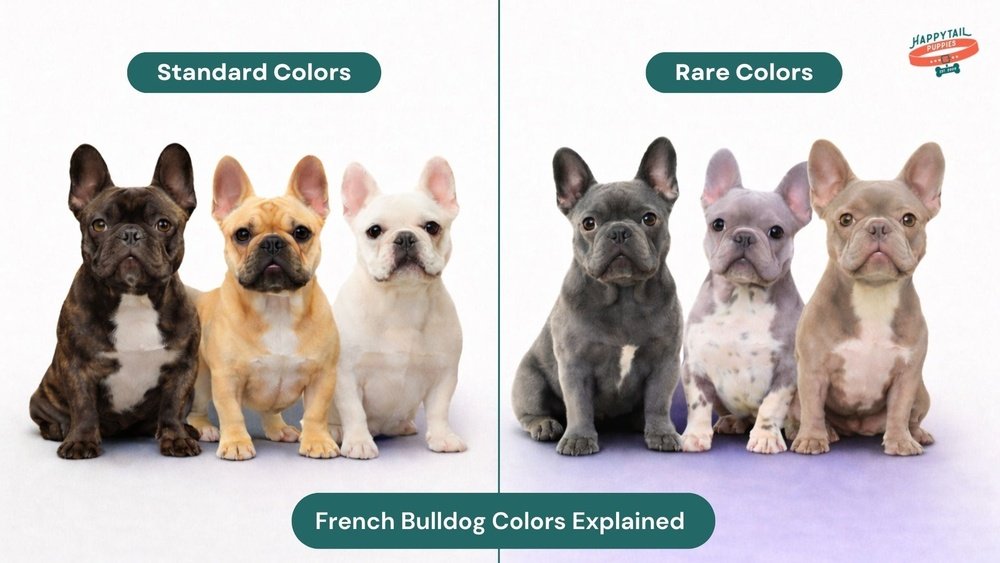
French Bulldogs are one of the world’s most popular small dog breeds. Their unique look, playful personality, and loving nature have made them favorites in homes and on social media. But what happens when you mix a French Bulldog with another breed?
What exactly is a French Bulldog mixed with, and how did the breed originate? If you’re curious about French Bulldog mixes, their history, and what you need to know before choosing one, you’re in the right place.
French Bulldog mixes are fascinating, combining the classic “Frenchie” traits with the characteristics of other breeds. This article explores the origins of the French Bulldog, explains what happens when they are crossed with other breeds, and highlights some of the most popular and interesting French Bulldog mixes.
You’ll discover how these hybrids are created, what to expect in terms of appearance and temperament, and why people are so drawn to them. Let’s dive into the world of French Bulldog mixes with clear explanations, practical advice, and real examples.
The Origins Of The French Bulldog
The French Bulldog has a history that goes back nearly two centuries. To understand French Bulldog mixes, it’s important to know where the breed comes from.
How The French Bulldog Came To Be
French Bulldogs actually have roots in England. In the early 1800s, English bulldogs were smaller than today’s version. Lace workers in Nottingham, England, loved these “toy bulldogs” for their friendly nature and small size. When the Industrial Revolution changed their jobs, many lace workers moved to France, bringing their dogs with them.
In France, these bulldogs were bred with local dogs — including terriers and possibly pugs — to create a new breed. The result was a dog with bat-like ears, a short nose, and a compact body. By the late 1800s, the French Bulldog had become popular in Paris, especially among artists and wealthy families.
Key Features Of The French Bulldog
- Bat ears: Unlike English Bulldogs, French Bulldogs have upright, rounded ears.
- Short, muscular body: They are stocky but small, usually weighing 16–28 pounds.
- Flat nose: Their “brachycephalic” face gives them a cute, squished look.
- Friendly, playful personality: Frenchies love people and are known for being gentle.
Why French Bulldogs Became So Popular
French Bulldogs fit perfectly into city life. Their small size and low exercise needs made them ideal for apartments. They quickly became a symbol of Parisian style and charm. Today, they are ranked as the second most popular dog breed in the US, just behind Labrador Retrievers.
What Is A French Bulldog Mixed With?
A French Bulldog mix is any dog that has one French Bulldog parent and another parent from a different breed. These mixes are also called “designer dogs” or “hybrids.” Some are bred intentionally to create new looks or personalities. Others happen naturally when French Bulldogs meet other dogs.
Why Mix French Bulldogs With Other Breeds?
There are several reasons people mix French Bulldogs with other breeds:
- Health improvements: French Bulldogs can have health issues, especially with breathing. Mixing them with another breed may reduce these risks.
- Unique appearance: Mixing breeds can create new colors, coat types, or sizes.
- Temperament changes: Some mixes are less stubborn or more energetic than pure Frenchies.
- Demand for designer dogs: People love unusual and rare mixes, which drives breeders to create new hybrids.
Common French Bulldog Mixes
Some French Bulldog mixes are more popular than others. Here are a few of the most common:
- French Bulldog x Pug (Frug): Combines two brachycephalic breeds for a cute, compact dog.
- French Bulldog x Boston Terrier (Frenchton): Results in a dog with fewer breathing issues and a lively personality.
- French Bulldog x Chihuahua (French Bullhuahua): Makes a smaller, energetic companion.
- French Bulldog x Corgi (French Corgi): Often has the Corgi’s longer body and Frenchie’s face.
- French Bulldog x Dachshund (French Bullweenie): Mixes the Frenchie’s build with the Dachshund’s long body.
- French Bulldog x Pitbull (French Pitbull): Creates a muscular, medium-sized dog with a friendly temperament.
How Are French Bulldog Mixes Created?
Most French Bulldog mixes are made through planned breeding. Breeders pair a French Bulldog with another breed to get puppies with mixed traits. Sometimes, natural breeding happens by accident. In either case, the puppies inherit genes from both parents.
The results can vary. Some puppies look more like French Bulldogs, while others resemble the other parent. It’s not always predictable, especially with first-generation mixes.

Credit: www.amazon.com
The Science Behind French Bulldog Mixes
Mixing breeds is not as simple as it seems. Genetics play a big role in what traits the puppies will have. Let’s break down how this works.
Understanding Genetics In Dog Breeds
Dogs inherit genes from both parents. These genes control everything from coat color to body shape. When two different breeds are mixed, each puppy gets a random mix of genes.
For example, if you mix a French Bulldog with a Boston Terrier:
- Some puppies may have the Frenchie’s short nose.
- Others may have the Boston Terrier’s longer legs.
- Coat color and ear shape can vary even within the same litter.
Breeders may try to select parents with certain traits to get the desired results, but it’s not always guaranteed.
First-generation Mixes Vs. Multi-generation Mixes
- First-generation (F1): Parents are purebred French Bulldog and another purebred breed. Traits are unpredictable.
- Second-generation (F2): Two F1 mixes are bred together. Traits may become more consistent.
- Backcross (F1B): An F1 mix is bred back to a French Bulldog. This can increase Frenchie traits.
Health And Genetic Diversity
One reason for mixing breeds is to improve health. Purebred French Bulldogs can suffer from:
- Brachycephalic airway syndrome: Difficulty breathing due to short nose.
- Spinal issues: Caused by their compact body.
- Skin problems: Wrinkles can lead to infections.
Mixing with another breed may reduce these risks. However, some mixes still have health problems, especially if both breeds share the same issues.
Popular French Bulldog Mixes: Traits And Comparisons
French Bulldog mixes come in all shapes, sizes, and personalities. Here’s a closer look at some of the most popular mixes, including how they compare in appearance and temperament.
Frenchton (french Bulldog X Boston Terrier)
Frenchtons are one of the most common French Bulldog mixes. They combine the friendly nature of both breeds.
- Appearance: Usually has a compact body, short nose, and upright ears.
- Size: 15–25 pounds.
- Personality: Playful, intelligent, and less stubborn than pure Frenchies.
- Health: Often better breathing than French Bulldogs.
Frug (french Bulldog X Pug)
Frugs mix two brachycephalic breeds, so they have a very “smooshed” face.
- Appearance: Short nose, wrinkled face, and curled tail.
- Size: 15–25 pounds.
- Personality: Silly, affectionate, and a bit mischievous.
- Health: Still prone to breathing issues.
French Bullhuahua (french Bulldog X Chihuahua)
This mix is much smaller and more energetic.
- Appearance: Often has the Frenchie’s face and Chihuahua’s tiny body.
- Size: 10–20 pounds.
- Personality: Bold, lively, sometimes stubborn.
- Health: May be healthier than pure Frenchies.
French Corgi (french Bulldog X Corgi)
Combines the compact Frenchie and the Corgi’s longer body.
- Appearance: Short legs, long body, upright ears.
- Size: 15–30 pounds.
- Personality: Friendly, playful, and good with families.
French Bullweenie (french Bulldog X Dachshund)
Mixes the Frenchie’s stockiness with the Dachshund’s long shape.
- Appearance: Long body, short legs, sometimes floppy ears.
- Size: 15–25 pounds.
- Personality: Loyal, curious, and sometimes stubborn.
French Pitbull (french Bulldog X Pitbull)
Creates a muscular, energetic dog.
- Appearance: Medium size, strong build, often short coat.
- Size: 25–40 pounds.
- Personality: Loyal, friendly, and protective.
French Bulldog Mix Comparison Table
To help you compare these mixes, here’s a table showing key differences:
| Mix Name | Size (lbs) | Typical Traits | Common Health Issues |
|---|---|---|---|
| Frenchton | 15–25 | Playful, less stubborn | Some breathing issues |
| Frug | 15–25 | Silly, affectionate | Brachycephalic problems |
| French Bullhuahua | 10–20 | Energetic, bold | Dental, rare airway issues |
| French Corgi | 15–30 | Friendly, playful | Back problems |
| French Bullweenie | 15–25 | Loyal, curious | Spinal issues |
| French Pitbull | 25–40 | Loyal, protective | Hip dysplasia |
French Bulldog Mixes: Appearance And Personality
French Bulldog mixes can surprise you in both looks and temperament. Even within the same litter, puppies can look and act very differently. Here’s what you can expect:
Physical Traits
- Coat color: French Bulldog mixes can have nearly any color, from classic brindle to tan, black, or even merle.
- Ear shape: Some mixes keep the Frenchie’s bat ears, others get floppy ears.
- Body type: Depending on the other breed, mixes may be shorter, longer, or leaner.
- Size: Most French Bulldog mixes stay under 40 pounds, but size varies.
Personality Traits
- Playfulness: Most mixes are lively and love to play.
- Affection: French Bulldog mixes are usually very loving.
- Stubbornness: Frenchies are known for being stubborn, but mixes with more trainable breeds (like Boston Terriers) may be easier to train.
- Energy level: Some mixes are calm like Frenchies, others are more active.
Real-life Example: The Frenchton
A Frenchton named Max lives in New York City. Max is playful, easy to train, and rarely has breathing problems. His owner says Max is more energetic than a pure French Bulldog but still loves to nap.
Key Insight: Even Within The Same French Bulldog Mix, Puppies Can Have Very Different Personalities And Health Profiles. Always Meet The Parents If Possible.
Health And Care For French Bulldog Mixes
French Bulldog mixes can sometimes be healthier than purebreds, but they still need good care and attention. Here’s what to expect:
Common Health Issues
While mixing breeds can improve health, certain problems may still appear:
- Breathing issues: If both parents are brachycephalic, puppies may still have flat faces.
- Joint problems: Short-legged mixes may develop hip or back issues.
- Skin allergies: Wrinkles and folds can trap moisture.
- Dental problems: Small French Bulldog mixes may have crowded teeth.
French Bulldog Mix Health Data Table
Here’s a comparison of health risks in common French Bulldog mixes:
| Mix | Breathing Issues | Joint Problems | Skin Allergies | Dental Issues |
|---|---|---|---|---|
| Frenchton | Medium | Low | Medium | Low |
| Frug | High | Low | High | Medium |
| French Bullhuahua | Low | Low | Medium | High |
| French Corgi | Low | High | Medium | Low |
| French Bullweenie | Low | High | Medium | Medium |
| French Pitbull | Low | Medium | Low | Low |
Tips For Caring For A French Bulldog Mix
- Regular vet checks: Early detection of health issues is key.
- Proper diet: Keep your dog at a healthy weight to avoid joint problems.
- Exercise: Most mixes need daily walks, but avoid overexertion, especially in hot weather.
- Skin care: Clean folds and wrinkles to prevent infection.
- Dental care: Brush teeth regularly, especially in smaller mixes.
Non-obvious Insight: French Bulldog Mixes May Need More Frequent Vet Visits Than Purebreds, Especially In The First Two Years, To Monitor Their Development.

Credit: www.countryliving.com
Choosing A French Bulldog Mix: What Matters Most
If you’re thinking about getting a French Bulldog mix, it’s important to know what to look for. Here’s what really matters:
Key Factors To Consider
- Health history: Ask for health records of both parents. Avoid breeders who can’t provide them.
- Temperament: Meet the puppy’s parents to get an idea of personality.
- Size and activity level: Choose a mix that fits your living space and lifestyle.
- Breeder reputation: Work with ethical breeders who prioritize health, not just appearance.
- Price: Designer dog mixes can cost anywhere from $1,000 to $4,000, depending on rarity.
Common Mistakes When Choosing A French Bulldog Mix
- Ignoring health risks: Some mixes still have major health issues. Always ask about screening.
- Choosing by looks alone: Appearance can be misleading. Personality and health matter more.
- Buying from puppy mills: Avoid breeders who don’t care about welfare.
- Not considering lifestyle: Some mixes are high-energy and may not fit apartment life.
French Bulldog Mix Selection Table
Here’s a quick guide to choosing the right French Bulldog mix for your situation:
| Mix | Best For | Activity Level | Living Space |
|---|---|---|---|
| Frenchton | Families, singles | Medium | Apartment, house |
| Frug | Singles, seniors | Low | Apartment |
| French Bullhuahua | Active owners | High | Small home |
| French Corgi | Families | Medium | House with yard |
| French Bullweenie | Older owners | Low | Apartment |
| French Pitbull | Experienced owners | High | House with yard |
The Future Of French Bulldog Mixes
French Bulldog mixes are part of a larger trend in designer dogs. People want unique pets with improved health and personalities. But there are challenges:
- Genetic unpredictability: Mixes can have unexpected health or behavior issues.
- Breeding ethics: Not all breeders follow best practices.
- Popularity risks: High demand can lead to irresponsible breeding.
Non-obvious Insight: The Popularity Of French Bulldog Mixes May Lead To Stricter Breeding Regulations In The Future, Especially In Countries Concerned About Animal Welfare.
French Bulldog Mixes Vs. Purebred French Bulldogs
It’s natural to wonder whether a French Bulldog mix is better than a purebred French Bulldog. Here’s a clear comparison:
Purebred French Bulldogs
- Pros: Predictable appearance and personality; strong breed identity.
- Cons: High risk of health issues; expensive; sometimes stubborn.
French Bulldog Mixes
- Pros: Often healthier; more unique personalities and looks; wider range of sizes.
- Cons: Less predictable traits; sometimes hard to find reputable breeders.
Should You Choose A Mix?
If you want a dog with a classic Frenchie look and personality, a purebred may be best. If you want more variety in health, temperament, or size, a mix is a good option.
French Bulldog Mixes Around The World
French Bulldog mixes are popular globally, especially in the US, UK, and Australia. In some places, designer dog mixes are more common than purebreds. Social media has helped spread the trend, with Instagram and TikTok full of French Bulldog mix accounts.
Real Example: French Bulldog Mix Popularity
In 2023, the American Kennel Club reported that French Bulldog mixes made up nearly 15% of new dog registrations involving designer breeds. This shows how quickly interest is growing.

Credit: vet.tufts.edu
Ethical Considerations When Breeding French Bulldog Mixes
Breeding French Bulldog mixes comes with responsibilities. Ethical breeders focus on health and temperament, not just looks.
What Makes A Breeder Ethical?
- Health testing: Responsible breeders screen for genetic diseases.
- Socialization: Puppies are raised with lots of human contact.
- Transparency: Breeders share health records and answer questions.
- No puppy mills: Avoid breeders with poor conditions.
Why Ethics Matter
Unethical breeding can lead to sick puppies, unhappy owners, and poor animal welfare. Always do your research and ask questions before buying a French Bulldog mix.
Frequently Asked Questions
What Is The Most Popular French Bulldog Mix?
The Frenchton (French Bulldog x Boston Terrier) is currently the most popular mix. It’s loved for its playful personality and fewer breathing issues compared to pure French Bulldogs.
Are French Bulldog Mixes Healthier Than Purebreds?
Many French Bulldog mixes have better health, especially if the other breed has fewer genetic problems. However, some mixes still carry risks, especially with breathing and joint issues.
How Much Does A French Bulldog Mix Cost?
French Bulldog mixes can cost from $1,000 to $4,000, depending on rarity, breeder reputation, and health history. Always check what is included in the price, like vaccinations or health guarantees.
Can French Bulldog Mixes Live In Apartments?
Most French Bulldog mixes are small and adapt well to apartment life. However, mixes with active breeds, like the French Bullhuahua, may need more exercise and space.
Where Can I Learn More About French Bulldog Mixes?
A good starting point is the Wikipedia French Bulldog page, which gives breed history and health information. Also, reputable breeder websites and veterinary guides are helpful.
French Bulldog mixes offer a world of possibilities for dog lovers. Whether you’re drawn to their unique looks, improved health, or playful personalities, it’s important to understand the origins, traits, and responsibilities of owning one. With careful research and good care, a French Bulldog mix can be a wonderful addition to any home.

We’re the dedicated team behind MyPawSafe.com, with over a decade of combined experience in veterinary care, pet emergency response, and animal behavior. While we prefer to let our work speak for itself, our mission is clear: to provide science-backed, vet-approved advice that helps pet owners prevent accidents and save lives.