
Mini Golden Retriever: Size Breed Mix And What To Know
Mini Golden Retrievers are winning hearts all over the world. These dogs look like their larger relatives, but they come in a smaller, more manageable package. If you love Golden Retrievers but wish for a more compact companion, the Mini Golden Retriever might be the answer. This breed mix offers the charm, friendliness, and intelligence of a Golden Retriever with the added bonus of a smaller size. However, there’s more to these dogs than just their looks. Understanding their genetics, size, temperament, health, and care needs is essential before bringing one home. Let’s explore everything you should know about Mini Golden Retrievers—from their origins to daily living.
What Is A Mini Golden Retriever?
The term “Mini Golden Retriever” refers to a designer dog created by mixing a Golden Retriever with smaller breeds. Most commonly, breeders use the Cocker Spaniel or Miniature Poodle. The goal is to produce a dog that looks and acts like a Golden Retriever, but is easier to manage in size and sometimes temperament.
Mini Golden Retrievers are not officially recognized by the American Kennel Club (AKC), since they are a mixed breed. This means that standards can vary from one breeder to another, and there is no set definition for what makes a “mini” version. The breed’s popularity is driven by the desire for a family-friendly dog that fits into smaller homes and lives.
Common Breed Mixes
- Golden Retriever x Cocker Spaniel (sometimes called Golden Cocker Retriever)
- Golden Retriever x Miniature Poodle (sometimes called Mini Goldendoodle)
- Golden Retriever x Cavalier King Charles Spaniel
Each mix brings its own characteristics. For example, pairing with a Miniature Poodle often results in a dog with a curly coat and less shedding, while a mix with a Cocker Spaniel may produce a wavy coat and gentle personality.
Size And Appearance
One of the main reasons people seek out Mini Golden Retrievers is their smaller size. Let’s look at the typical measurements and appearance.
Average Size
Mini Golden Retrievers are not as small as toy breeds, but they are noticeably smaller than standard Golden Retrievers.
| Breed Mix | Weight (lbs) | Height (inches) |
|---|---|---|
| Golden Retriever x Miniature Poodle | 20–45 | 14–20 |
| Golden Retriever x Cocker Spaniel | 30–50 | 15–20 |
| Golden Retriever x Cavalier King Charles Spaniel | 20–35 | 12–18 |
| Pure Golden Retriever | 55–75 | 20–24 |
Most Mini Golden Retrievers end up between 30 and 45 pounds, and stand about 15 to 20 inches tall. These numbers can vary, depending on the parent breeds and genetics.
Appearance
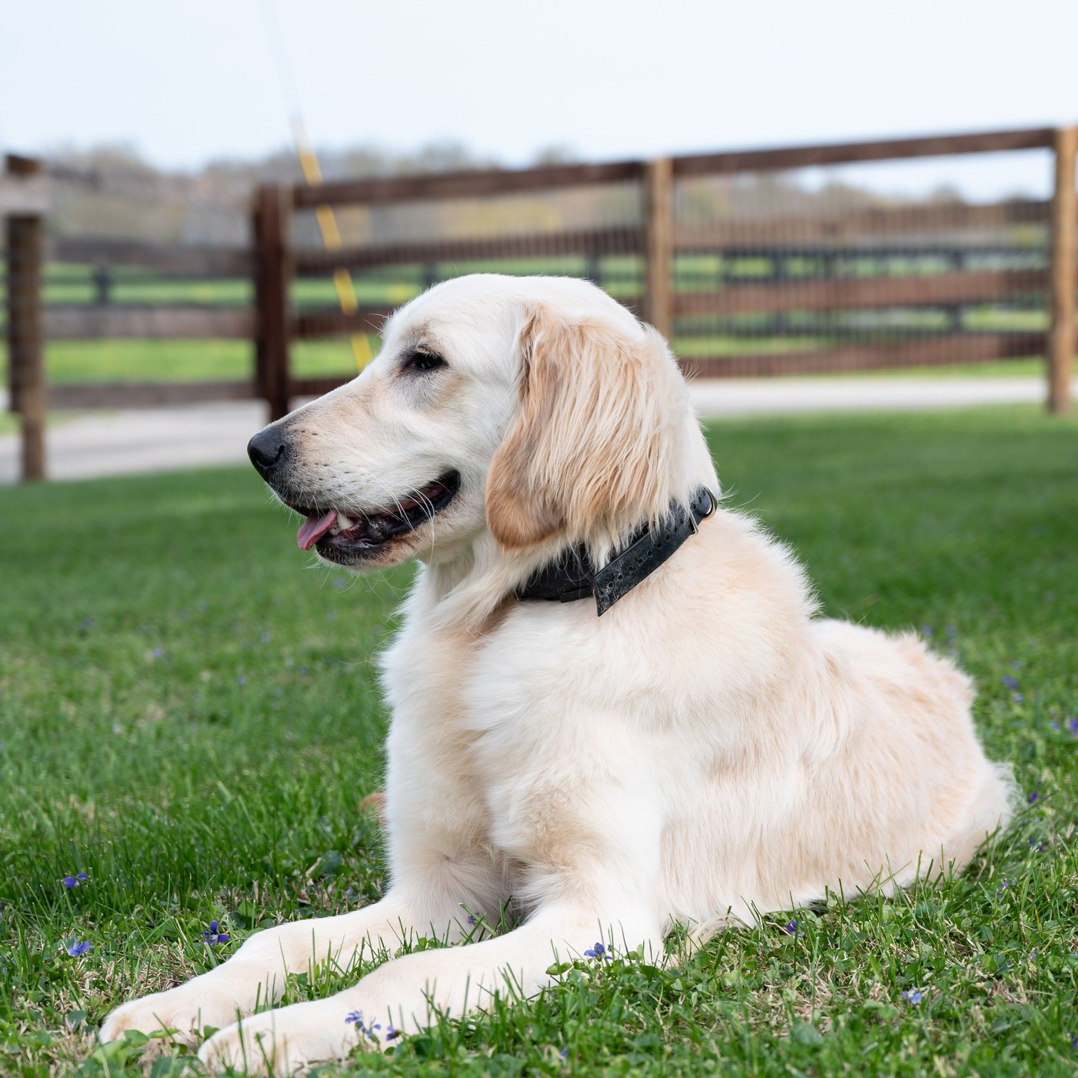
Mini Golden Retrievers usually keep the classic Golden Retriever look:
- Medium-length fur
- Gold, cream, or sometimes red coloring
- Friendly, expressive eyes
- Floppy ears
Some mixes, especially those with Poodle, may have curlier coats. Others, like the Cocker Spaniel mix, may have longer ears and a slightly slimmer face.
Breed Origins And Genetics
Mini Golden Retrievers are a designer breed, meaning they are intentionally mixed for certain traits. The goal is to keep the best qualities of the Golden Retriever—such as friendliness, intelligence, and beauty—while reducing size and sometimes shedding.
Why Breed Mini Golden Retrievers?
The main reasons breeders create this mix are:
- Smaller size for easier handling and living in apartments
- Reduced shedding (especially with Poodle mixes)
- Health benefits from hybrid vigor (mixing breeds can sometimes reduce inherited diseases)
However, there are risks. Mixing breeds does not guarantee all puppies will have the best traits. Genetics can be unpredictable, so some puppies may look or act differently than expected.
Parent Breeds
Let’s look at the main breeds used in Mini Golden Retriever mixes:
- Golden Retriever: Friendly, loyal, intelligent, active. A classic family dog.
- Miniature Poodle: Intelligent, hypoallergenic, lively. Used for size reduction and curly coat.
- Cocker Spaniel: Gentle, affectionate, smaller than Golden, sometimes prone to ear infections.
- Cavalier King Charles Spaniel: Sweet, small, loving, calm. Adds a gentle touch and further reduces size.
Some breeders may use multiple generations to stabilize the size and appearance, but this takes careful planning and time.
Temperament And Personality
Mini Golden Retrievers are known for their friendly and gentle nature. Most owners report that these dogs are just as loving and social as full-size Golden Retrievers. However, the mix can influence personality.
Common Traits
- Friendly with children: Most Mini Golden Retrievers are patient and tolerant.
- Social with other pets: They tend to get along well with dogs and cats.
- Eager to please: Training is usually easy thanks to their intelligence.
- Active but manageable: They enjoy walks and play, but their energy levels are often lower than pure Goldens.
Some mixes, like those with Poodle, may be more energetic or even a bit stubborn. Cocker Spaniel mixes can be calm but sometimes shy. Always meet the parents or ask the breeder about temperament.
Non-obvious Insights
- Mini Golden Retrievers may bark more than pure Goldens, especially if the parent breed is a Poodle or Spaniel. This is a trait often overlooked by new owners.
- Some Mini Goldens are more sensitive to changes in routine or environment—something inherited from Cocker Spaniels or Cavaliers.
Health And Lifespan
Mini Golden Retrievers benefit from “hybrid vigor,” meaning mixed breeds can sometimes be healthier than purebreds. But, they are not immune to health problems.
Common Health Issues
- Hip dysplasia: Common in Golden Retrievers; some mixes may be less prone, but not immune.
- Ear infections: Especially in mixes with Spaniel or Poodle, due to floppy ears and hair.
- Heart problems: Cavaliers are prone to heart disease, which can appear in mixes.
- Eye issues: Cataracts and progressive retinal atrophy (PRA) can occur.
- Allergies: Some mixes may have skin allergies.
Lifespan
Mini Golden Retrievers often live longer than pure Goldens. Average lifespan is 12–15 years, compared to 10–12 years for standard Golden Retrievers.
| Breed Mix | Average Lifespan (years) |
|---|---|
| Golden Retriever x Miniature Poodle | 13–16 |
| Golden Retriever x Cocker Spaniel | 12–15 |
| Golden Retriever x Cavalier King Charles Spaniel | 12–14 |
| Pure Golden Retriever | 10–12 |
Non-obvious Insights
- Some Mini Golden Retriever mixes are prone to obesity, especially if they inherit the Cocker Spaniel’s appetite. Regular exercise and portion control are crucial.
- Because they are mixed breed, some health problems might skip a generation, but new issues can also appear. Always ask your breeder for health screening certificates.
Grooming And Care
Grooming needs depend on the mix, but generally Mini Golden Retrievers require regular care.
Coat Care
- Brushing: Most need brushing 2–3 times a week. Poodle mixes may need more frequent brushing to prevent matting.
- Bathing: Once every 4–6 weeks is enough unless the dog gets dirty.
- Shedding: Poodle mixes shed less, but Spaniel and Cavalier mixes can shed moderately.
Ear Care
Floppy ears can trap moisture. Clean ears weekly with a vet-approved solution to prevent infections.
Nail Trimming
Trim nails every 2–4 weeks to prevent pain and injury.
Dental Care
Brush teeth 2–3 times a week. Dental chews can also help.
Non-obvious Insights
- If your Mini Golden Retriever has a curly coat, professional grooming every 8–10 weeks is needed to avoid matting.
- Dogs with Cavalier or Cocker Spaniel genetics may need extra attention to their ears and eyes due to inherited sensitivities.
Exercise And Activity Needs
Mini Golden Retrievers are active, but their energy level is usually more manageable than pure Golden Retrievers.
Daily Needs
- Walks: 30–60 minutes per day
- Playtime: Interactive games, fetch, or agility
- Mental stimulation: Puzzle toys, training sessions
Common Mistakes
- Underestimating their need for exercise. Even small dogs can become bored or destructive without enough activity.
- Overfeeding after exercise. Some owners reward their dog with treats, leading to weight gain.
Practical Tips
- Mix walks with play to keep your dog interested.
- Use training games to engage their intelligence.
- If you live in an apartment, indoor games can help meet activity needs.
Training And Intelligence
Mini Golden Retrievers are usually easy to train. Their intelligence and eagerness to please make them ideal for families.
Training Tips
- Start early: Begin basic commands as a puppy
- Use positive reinforcement: Treats, praise, and play work best
- Be consistent: Set clear rules and routines
Common Mistakes
- Allowing bad habits: Small dogs can get away with misbehavior, but it leads to problems later.
- Skipping socialization: Meet other dogs, people, and go to different places to build confidence.
Advanced Training
Many Mini Golden Retrievers do well in agility, obedience, or therapy work. Their small size makes them great for apartment living, but their intelligence means they need mental challenges.

Credit: www.taylormademinigoldens.com
Feeding And Nutrition
Proper nutrition keeps your Mini Golden Retriever healthy.
Recommended Diet
- Protein: Choose high-quality protein sources (chicken, lamb, fish)
- Fat: Healthy fats support skin and coat
- Carbs: Whole grains, vegetables
- Avoid fillers: Corn, soy, and wheat are not ideal
Feeding Schedule
- Puppies: 3 meals per day
- Adults: 2 meals per day
Portion Control
Check your dog’s weight regularly. Adjust portions as needed. Overfeeding leads to obesity, which is a risk for Mini Golden Retrievers.
Practical Examples
If your dog weighs 35 pounds, typical daily portions are about 1. 5 to 2 cups of dry food, split between two meals. Always check food packaging and ask your vet for advice.
Non-obvious Insights
- Some Mini Golden Retrievers inherit sensitive stomachs from their Spaniel or Cavalier parents. You may need to try different foods to find the best fit.
- Poodle mixes often do well on grain-free diets, but always consult your vet before switching.
Cost And Availability
Mini Golden Retrievers are in high demand. Their price and availability can vary widely.
Average Price
Most Mini Golden Retrievers cost between $1,500 and $5,000, depending on breeder reputation, location, and parentage.
What Influences Cost?
- Breeder reputation: Responsible breeders charge more but provide health guarantees.
- Parent breeds: Poodle mixes are often more expensive due to hypoallergenic traits.
- Location: Prices may be higher in urban areas.
Practical Advice
- Ask for health certificates and meet the parent dogs.
- Be wary of breeders who cannot show you the parents or guarantee health screening.
- Adoption is possible, but rare. Most Mini Golden Retrievers are bred intentionally.
Non-obvious Insight
- Some breeders offer “multigenerational” Mini Golden Retrievers, meaning they have bred several generations for stable traits. These dogs are often more consistent in size and temperament.

Credit: www.thepioneerwoman.com
Choosing A Mini Golden Retriever Breeder
Finding a reputable breeder is crucial. There are many risks in buying from puppy mills or inexperienced breeders.
Key Factors
- Health screening of parents for common diseases
- Clean, caring environment
- Socialization of puppies
- Written health guarantee
Mistakes To Avoid
- Buying from online ads with no proof of health screening
- Accepting puppies younger than 8 weeks (they need time with their mother and littermates)
- Ignoring reviews or recommendations
How To Spot A Good Breeder
A good breeder will:
- Show you the puppies and their parents
- Provide health test results
- Allow you to visit their facility
- Answer your questions honestly
For more guidance on finding a responsible breeder, visit the American Kennel Club.
Living With A Mini Golden Retriever
Mini Golden Retrievers make excellent companions for all kinds of homes. Their smaller size makes them a good fit for apartments, singles, and families.
Home Requirements
- Space for play, but not as much as a full-size Golden
- Safe areas for exercise
- Access to grooming and vet care
Family Suitability
Mini Golden Retrievers are usually great with kids and other pets. Their gentle nature makes them safe and fun for young families.
Travel And Activities
Their smaller size makes travel easier. They fit in most cars, and some can travel in airplane cabins if under weight limits. Always check airline rules before planning a trip.
Non-obvious Insights
- Some Mini Golden Retrievers have separation anxiety, especially if left alone for long periods. Consider dog daycare or a dog walker if you have a busy schedule.
- Their small size can make them sensitive to cold or heat. Adjust walks and outdoor play based on weather.
Differences Between Mini Golden Retrievers And Other Small Breeds
Mini Golden Retrievers are often compared to other small breeds. Here’s how they stack up:
| Breed | Size (lbs) | Shedding | Temperament |
|---|---|---|---|
| Mini Golden Retriever | 20–45 | Moderate to low | Friendly, gentle |
| Goldendoodle (Mini) | 15–35 | Low | Playful, social |
| Cocker Spaniel | 20–30 | Moderate | Affectionate, calm |
| Cavalier King Charles Spaniel | 13–18 | Low | Sweet, gentle |
| Poodle (Miniature) | 10–15 | Low | Active, intelligent |
While Mini Golden Retrievers share similarities with Goldendoodles and Spaniels, their unique blend of temperament and appearance sets them apart.
Is A Mini Golden Retriever Right For You?
Before you choose a Mini Golden Retriever, think about your lifestyle, home, and expectations.
Key Questions
- Do you have time for daily exercise and training?
- Are you prepared for regular grooming?
- Can you afford the initial cost and vet care?
- Do you understand their temperament and needs?
Who Should Consider A Mini Golden Retriever?
- Families with children
- Singles or couples in apartments
- Active seniors
- Homes with other pets
Who Should Avoid?
- People with very little time for pets
- Homes where allergies are a concern (unless you choose a Poodle mix)
- Those expecting a “perfect” Golden Retriever in a tiny body—mixes can vary
Credit: comfortretrievers.com
Frequently Asked Questions
What Makes A Mini Golden Retriever Different From A Goldendoodle?
A Mini Golden Retriever is typically bred from a Golden Retriever and either a Cocker Spaniel or Cavalier King Charles Spaniel, sometimes with a Miniature Poodle. A Goldendoodle is a mix of Golden Retriever and Poodle only. Mini Golden Retrievers aim to look and act more like a pure Golden, while Goldendoodles often have curly coats and are more hypoallergenic.
How Much Exercise Does A Mini Golden Retriever Need?
Most Mini Golden Retrievers need 30–60 minutes of exercise each day. This includes walks, playtime, and mental games. Without enough activity, they can become bored and may develop behavior problems.
Are Mini Golden Retrievers Hypoallergenic?
Mini Golden Retrievers with Poodle genetics are more likely to be hypoallergenic and shed less. However, no dog is truly 100% hypoallergenic. If allergies are a concern, meet the puppy before adoption and consult your doctor.
How Much Do Mini Golden Retrievers Cost?
Prices range from $1,500 to $5,000 depending on breeder reputation, location, and parent breeds. Higher prices usually mean better health screening and socialization, but always check breeder credentials.
Can Mini Golden Retrievers Live In Apartments?
Yes, their smaller size and manageable energy make them well-suited for apartment living. Make sure to provide daily walks, playtime, and mental stimulation. Also, check if your building has breed or size restrictions.
Mini Golden Retrievers bring the best of both worlds: Golden Retriever charm in a smaller, more manageable body. With the right care, training, and understanding, they make wonderful pets for many types of families. Take time to research, meet breeders, and consider your needs. If you choose wisely, a Mini Golden Retriever can be a loyal and loving companion for years to come.

We’re the dedicated team behind MyPawSafe.com, with over a decade of combined experience in veterinary care, pet emergency response, and animal behavior. While we prefer to let our work speak for itself, our mission is clear: to provide science-backed, vet-approved advice that helps pet owners prevent accidents and save lives.