If your bulldog is coughing up white foam, it can be worrying. Bulldogs are lovable, strong dogs, but their unique body shape and health issues can sometimes make them more prone to problems. Seeing foam come from your dog’s mouth is not normal. You might wonder: Is it serious? Should I call the vet right away? Or could it be something minor?
This guide will help you understand why bulldogs cough up white foam, how to spot the real cause, and what actions you should take. We’ll discuss common reasons, less obvious causes, and give clear advice. You’ll learn what symptoms to look for, how to help your bulldog, and when professional care is needed.
Many bulldog owners miss subtle signs or confuse mild problems with dangerous ones. By the end of this article, you’ll know how to handle this situation with confidence and make good choices for your dog’s health.
What Does White Foam Mean In Bulldogs?
White foam is not just spit or drool. It’s usually a mix of saliva and air that gets whipped up when your dog coughs, vomits, or has trouble swallowing. Bulldogs may cough up foam if their throat, stomach, or lungs are irritated.
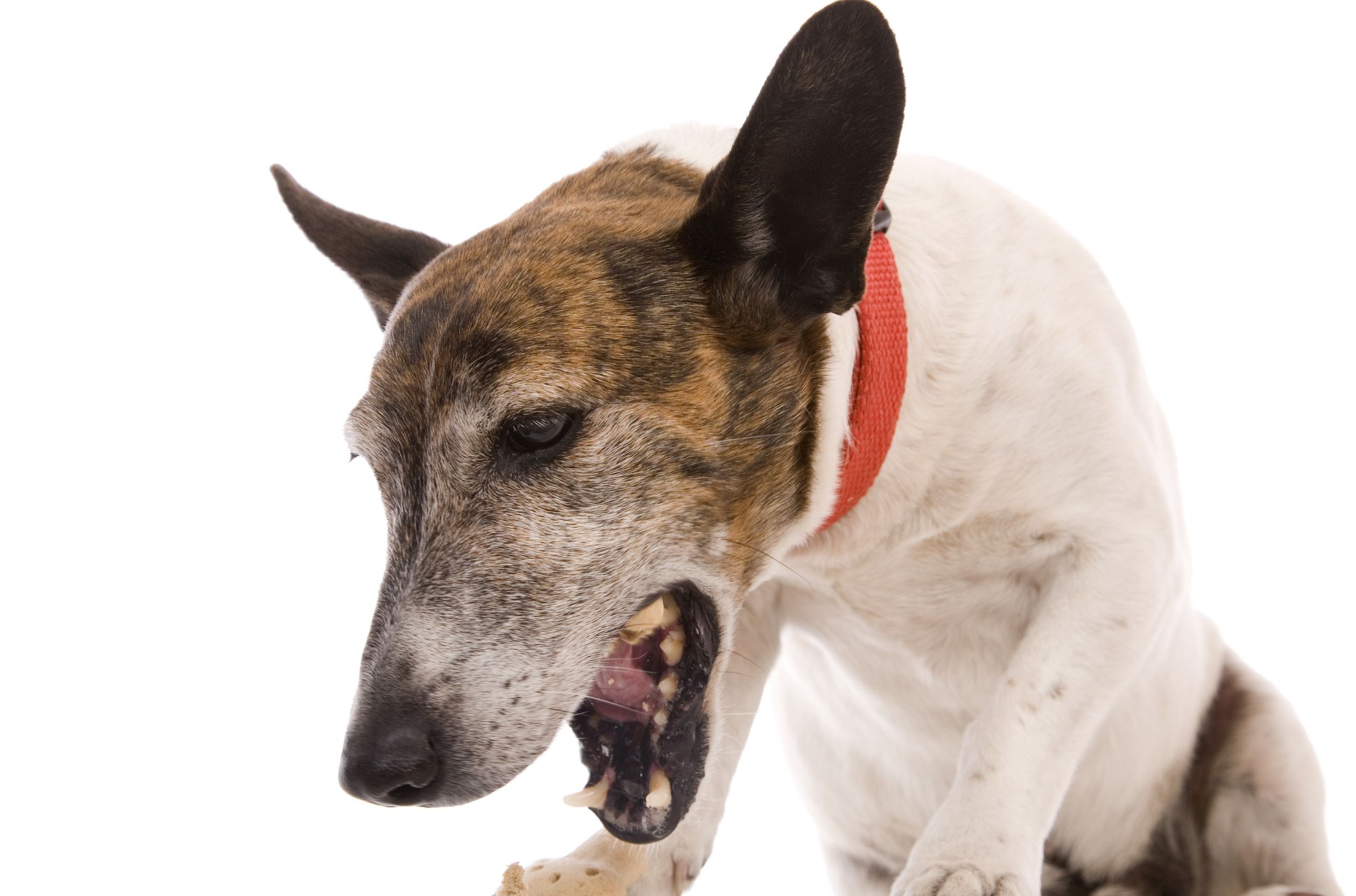
Sometimes the foam comes with other symptoms, like gagging, retching, or difficulty breathing.
Foam can look scary, but it’s important to focus on the full picture. Is your bulldog acting normal, or do you see other problems? Is the foam coming out often, or only once? Does your dog have a history of allergies or breathing issues?
These clues help you decide what to do next.
Common Causes: Why Bulldogs Cough Up White Foam
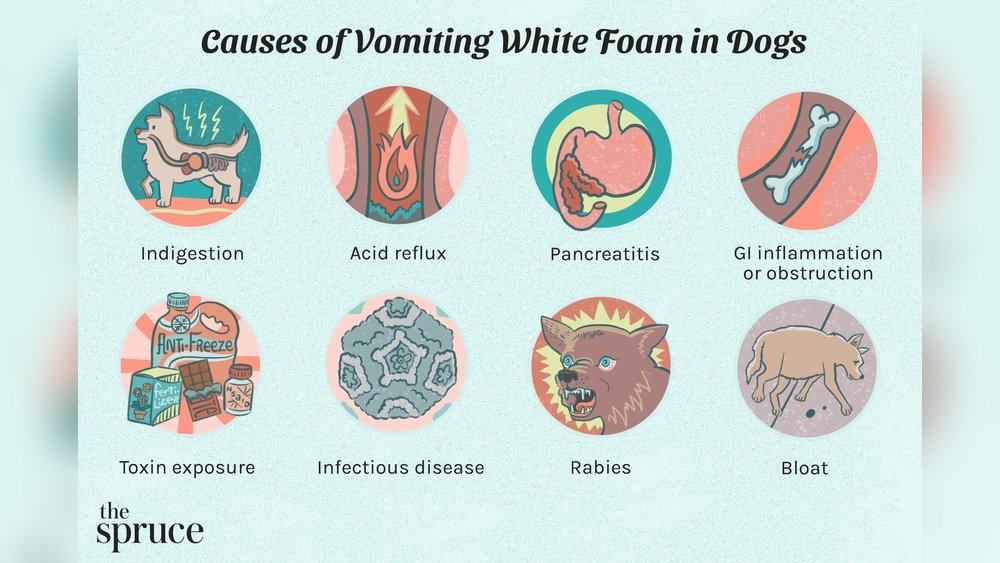
There are several possible reasons your bulldog might cough up white foam. Here are the most frequent causes, explained simply:
1. Kennel Cough
Kennel cough is like a cold for dogs. It’s caused by viruses and bacteria that irritate the airways. Bulldogs often catch it in places with lots of dogs, like kennels, parks, or daycare. The main symptoms are:
- Dry, hacking cough (sometimes sounds like honking)
- Coughing up white foam or mucus
- Sneezing
- Runny nose
Kennel cough is usually mild, but bulldogs can get more serious infections due to their short noses. If your dog seems weak or has a fever, see your vet.
2. Reverse Sneezing
Bulldogs sometimes do a strange thing called reverse sneezing. It looks like they are trying to inhale while sneezing. This pulls air quickly through the nose and mouth, making a snorting sound. Sometimes, this causes white foam to appear. Reverse sneezing is usually harmless and lasts just a few seconds.
Triggers include:
- Excitement
- Allergies
- Irritants (dust, perfume)
- Pulling on the leash
If the episode lasts a long time or your dog can’t breathe, get help.
3. Gastrointestinal Upset
Stomach problems can make bulldogs cough up foam. This can happen if your dog:
- Eats too fast
- Eats something bad (like trash or toxic plants)
- Has a food allergy
The foam is often mixed with vomit. Your dog may also show signs like:
- Drooling
- Belly pain
- Loss of appetite
Bulldogs are sensitive to diet changes. If vomiting and foam continue, see a vet.
4. Brachycephalic Airway Syndrome
Bulldogs have short, flat faces. This causes brachycephalic airway syndrome. Their airways are smaller, so breathing is harder. When airways get irritated, bulldogs can:
- Cough
- Gag
- Choke
- Produce white foam
Overweight bulldogs and those with severe face folds are more at risk. Surgery can help in some cases.
5. Heart Disease
Heart problems can cause fluid buildup in the lungs. When bulldogs cough, they may push out white foam. Look for:
- Coughing, especially at night
- Trouble breathing
- Fatigue
- Swollen belly
Heart disease is serious. If you see these signs, call your vet.
6. Pneumonia Or Lung Infection
Pneumonia is less common but can make bulldogs cough up foam. The lungs fill with fluid, making it hard to breathe. Symptoms include:
- Deep, wet cough
- White foam or mucus
- Fever
- Weakness
Pneumonia needs urgent treatment.
7. Allergic Reactions
Bulldogs can react to pollen, dust, cleaning products, or foods. Allergies can cause:
- Coughing
- Sneezing
- White foam
- Itchy skin
If allergies are mild, symptoms may go away on their own. If breathing is difficult, get help fast.
8. Heatstroke
Bulldogs are sensitive to heat. When overheated, their bodies try to cool off by panting. This can lead to coughing, foaming, and collapse. Signs of heatstroke:
- Heavy panting
- White foam
- Red gums
- Weakness
Heatstroke is life-threatening. Move your dog to a cool place and seek help.
9. Obstructions Or Choking
Something stuck in the throat can cause coughing and white foam. Watch for:
- Pawing at the mouth
- Gagging
- Drooling
- Difficulty swallowing
If you suspect choking, act quickly.
10. Poisoning
Some toxins (like antifreeze, rat poison, or certain plants) make bulldogs cough up foam. Other symptoms may include:
- Vomiting
- Seizures
- Weakness
If you think your dog ate something dangerous, go to the vet right away.

Credit: www.youtube.com
How To Recognize The Severity
Not all coughing and foaming are emergencies. Here’s how to check if your bulldog needs urgent care:
- Frequency: If coughing and foaming happen just once, it might not be serious. If it happens often, it’s a concern.
- Other symptoms: Look for trouble breathing, blue gums, vomiting, or collapse. These are urgent.
- Duration: If symptoms last more than a day, see your vet.
- Age and health: Puppies, older dogs, and bulldogs with health problems need more attention.
Here’s a simple comparison to help you decide:
| Situation | Action |
|---|---|
| Foaming once, acting normal | Monitor, no immediate action |
| Repeated foaming, mild symptoms | Schedule vet visit soon |
| Foaming with trouble breathing, collapse, or vomiting | Get emergency vet care |
Bulldog Breathing Problems: What Makes Them Different
Bulldogs are special dogs. Their squished faces are cute, but they come with challenges. The short nose and narrow airways make breathing harder. When airways are irritated, foam is more likely.
Brachycephalic breeds like bulldogs, pugs, and French bulldogs have:
- Small nostrils
- Elongated soft palates
- Narrow windpipes
These features can lead to coughing, snoring, and foaming. Some bulldogs need surgery to fix severe airway problems. Keeping your bulldog at a healthy weight and avoiding hot weather helps reduce risks.
Diagnosing The Cause: What Vets Do
When you bring your bulldog to the vet for coughing up white foam, the vet will ask questions and run tests. Here’s what to expect:
History And Physical Exam
The vet will ask about:
- When the symptoms started
- How often your dog coughs or foams
- Any changes in appetite, energy, or breathing
- Recent exposure to other dogs, toxins, or heat
The vet will check your bulldog’s:
- Heart and lungs with a stethoscope
- Mouth and throat for obstructions
- Temperature and gum color
Diagnostic Tests
If needed, the vet may use:
- X-rays: To check lungs, heart, and airways
- Blood tests: To find infections or toxins
- Ultrasound: To check heart function
- Endoscopy: To see inside the throat
Here’s a quick comparison of tests:
| Test | What It Shows | When Used |
|---|---|---|
| X-ray | Lung, heart, airway structure | Suspected pneumonia, heart disease |
| Blood test | Infection, toxins, organ health | General diagnosis, poisoning |
| Ultrasound | Heart function, fluid buildup | Heart disease, advanced cases |
| Endoscopy | Obstructions, airway irritation | Choking, unexplained symptoms |
Some bulldogs need more than one test to find the real cause.
Home Care: What You Can Do
If your bulldog coughs up white foam but acts normal, you can try simple steps at home:
1. Keep Calm And Monitor
Don’t panic. Watch your dog closely for changes. Write down:
- When the symptoms happen
- What your dog was doing before coughing
- Any other signs (vomiting, sneezing, breathing trouble)
2. Adjust Diet
If stomach upset is the cause:
- Feed small, bland meals (boiled chicken, rice)
- Avoid treats or table scraps
- Give fresh water
3. Avoid Triggers
Keep your bulldog away from:
- Dust, smoke, perfumes
- Allergens (pollen, mold)
- Hot or humid weather
4. Keep Airways Clear
Make sure your bulldog’s collar is loose. Never use a tight collar or choke chain. Use a harness for walks.
5. Support Breathing
Bulldogs breathe best in cool, calm environments. Use fans or air conditioning if needed. Keep your dog at a healthy weight.
Here’s a simple home care comparison:
| Symptom | Home Care | When to Call the Vet |
|---|---|---|
| Mild foaming, no other signs | Monitor, adjust diet, avoid triggers | If symptoms last >24 hours |
| Foaming with vomiting | Bland meals, water, rest | If vomiting >3 times or blood seen |
| Foaming with breathing trouble | Move to cool area, keep calm | Call vet immediately |
When To Seek Emergency Care
Some signs mean you must get help fast:
- Blue gums or tongue (lack of oxygen)
- Collapse or weakness
- Persistent vomiting or diarrhea
- Seizures
- Heavy, labored breathing
If you see these, don’t wait. Go to the vet right away.
Prevention: How To Keep Bulldogs Healthy
You can’t stop all problems, but you can reduce risks. Here’s how:
1. Regular Vet Checkups
Yearly exams catch problems early. Bulldogs need extra attention for breathing and heart health.
2. Vaccinations
Keep up with vaccines, especially for kennel cough and pneumonia.
3. Safe Environment
Remove toxic plants, chemicals, and choking hazards from your home. Bulldogs are curious and can eat dangerous items.
4. Healthy Diet
Feed high-quality food in small portions. Avoid sudden diet changes. Bulldogs gain weight easily, so measure food.
5. Weight Management
Overweight bulldogs have more breathing problems. Keep your dog at a healthy weight.
6. Exercise With Care
Bulldogs need exercise, but avoid overdoing it in hot weather. Short walks and playtime are best.
7. Allergy Control
If your bulldog has allergies, keep the home clean, use air filters, and avoid triggers.
8. Training And Supervision
Teach your bulldog not to chew dangerous items. Supervise play and walks.
These steps lower the chance of coughing and foaming.
Credit: www.whole-dog-journal.com
Non-obvious Insights Most Owners Miss
Many bulldog owners focus only on the cough or foam, missing other clues. Here are two key insights:
1. Silent Breathing Changes: Bulldogs often have mild breathing problems before visible symptoms appear. If your dog snores more, tires easily, or avoids play, these are early signs. Catching these signs early can prevent bigger issues.
2. Stress and Excitement: Bulldogs may cough up foam during stressful or exciting events—like car rides or meeting new people. This is due to sudden breathing changes. If you notice foaming only during excitement, it’s usually not dangerous but worth monitoring.
Bulldog Health Statistics
Bulldogs are popular but face many health risks. According to the American Kennel Club:
- Bulldogs rank in the top 10 most common breeds in the US.
- Over 60% of bulldogs have at least one breathing-related issue.
- The average lifespan is 8-10 years, shorter than most other breeds.
- Bulldogs are two times more likely to have allergies than non-brachycephalic breeds.
These numbers show why careful monitoring is important.
Real-life Example
One bulldog, named Max, started coughing up white foam after playing outside. His owner thought it was just excitement, but Max also showed tiredness and mild wheezing. The vet found Max had mild brachycephalic airway syndrome and allergies. With surgery and allergy control, Max’s symptoms improved, and he enjoyed a healthier life.
Veterinary Treatments For Bulldog Coughing
If your bulldog needs medical care, here are common treatments:
- Antibiotics: For infections like kennel cough or pneumonia
- Steroids: Reduce airway inflammation
- Oxygen therapy: For severe breathing trouble
- Surgery: Corrects airway defects
- Anti-allergy meds: Help with allergies
Vets may also use IV fluids if your dog is dehydrated. The right treatment depends on the cause.

Credit: www.youtube.com
Bulldog Owners’ Mistakes To Avoid
Many owners make simple mistakes when their bulldog coughs up foam:
- Ignoring repeated symptoms: Occasional coughing is normal, but repeated foaming needs attention.
- Using tight collars: This makes breathing harder.
- Letting bulldogs overheat: Bulldogs can’t cool down well.
- Feeding fatty or spicy foods: Bulldogs have sensitive stomachs.
- Skipping checkups: Some problems are silent at first.
Avoid these mistakes for a healthier bulldog.
Frequently Asked Questions
What Should I Do If My Bulldog Coughs Up White Foam But Acts Normal?
If your bulldog coughs up foam once but seems normal, watch closely. Keep notes on symptoms and behavior. Give bland food and water. Avoid triggers like dust or excitement. If symptoms return or new signs appear, see your vet.
Is White Foam Always A Sign Of Illness In Bulldogs?
No, not always. Sometimes excitement, minor allergies, or eating too quickly can cause white foam. If your dog is otherwise healthy, it’s usually not serious. But repeated foaming or other symptoms mean it’s time for a vet check.
Can Bulldogs Choke On Their Own Foam?
It’s rare, but possible if a bulldog’s airways are very narrow or blocked. If your dog has trouble breathing, collapses, or turns blue, seek emergency care. Most bulldogs handle foam safely, but supervision is important.
Should I Change My Bulldog’s Food If They Cough Up Foam?
Only change food if your vet recommends it. Sudden diet changes can upset your bulldog’s stomach. If food allergies or intolerance are suspected, your vet may suggest a special diet. Always introduce new food slowly.
How Can I Prevent My Bulldog From Coughing Up White Foam?
Prevention starts with regular vet visits, healthy weight, safe environment, and avoiding triggers. Keep your bulldog cool and comfortable, feed high-quality food, and supervise play. Monitor for early signs and act quickly if symptoms arise.
Seeing your bulldog cough up white foam is scary, but understanding the causes helps you respond wisely. Bulldogs are unique dogs with special needs. By watching for warning signs, keeping your dog healthy, and working with your vet, you can protect your furry friend. For more information on bulldog health and breathing problems, visit the American Kennel Club website. Remember, your bulldog depends on you for care and comfort—so stay alert and act with confidence.

We’re the dedicated team behind MyPawSafe.com, with over a decade of combined experience in veterinary care, pet emergency response, and animal behavior. While we prefer to let our work speak for itself, our mission is clear: to provide science-backed, vet-approved advice that helps pet owners prevent accidents and save lives.