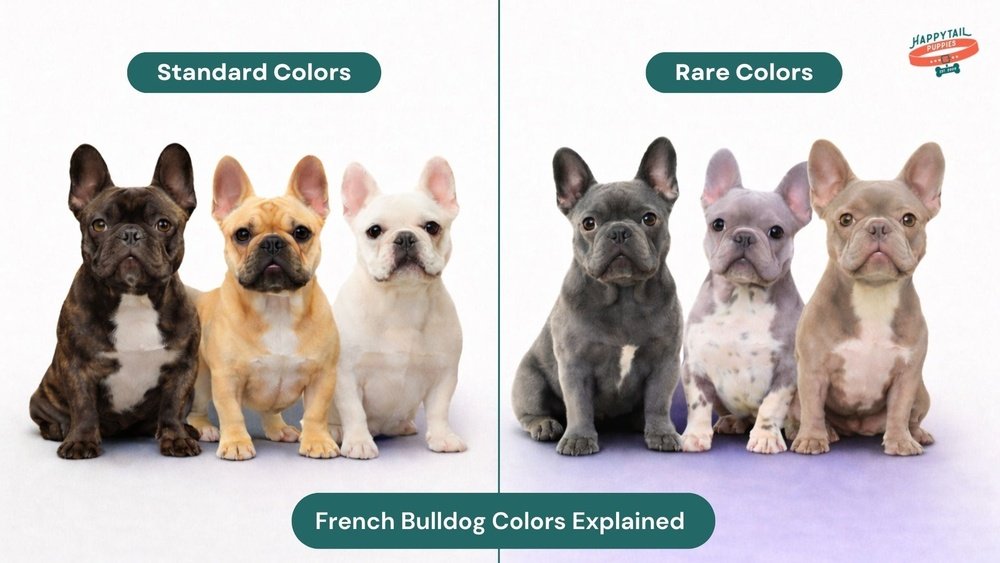

The white German Shepherd is striking, unique, and often misunderstood. For many dog lovers, this breed’s beauty and intelligence spark curiosity—especially when it comes to their adult size, coat, and personality. If you’re considering a white German Shepherd or simply want to learn more, understanding their full-grown traits is essential.
This article will guide you through their growth, appearance, and temperament, offering both practical tips and surprising insights that many beginners overlook.
White German Shepherd Full Grown: What Sets Them Apart?
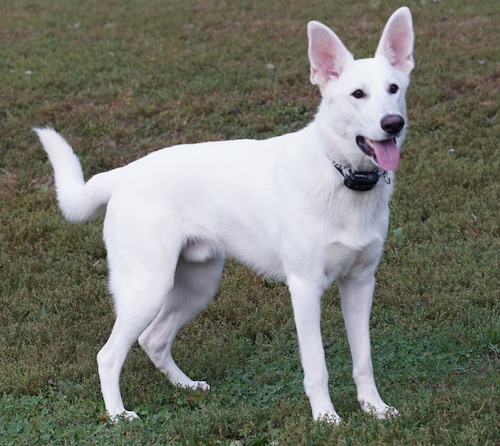
The white German Shepherd is not a separate breed, but a color variation of the classic German Shepherd. The main difference is their pure white coat, which comes from a recessive gene. Despite their color, they share most physical and behavioral traits with standard German Shepherds. However, there are some important differences in perception, grooming needs, and health.
Many people assume a white dog is albino or weaker, but that’s not true. White German Shepherds are healthy, strong, and capable. They are recognized by the American White Shepherd Association, though not by the American Kennel Club for show purposes.
Their popularity is growing, thanks to their gentle appearance and loyal nature.
Size And Growth: Understanding The Adult White German Shepherd
White German Shepherds are known for their impressive size and athletic build. Their size is similar to standard German Shepherds, but it’s important to understand how they develop and what to expect as they mature.
Average Adult Size
A full-grown white German Shepherd stands out for their height and weight. Here are typical measurements:
| Gender | Height (inches) | Weight (pounds) |
|---|---|---|
| Male | 24-26 | 75-95 |
| Female | 22-24 | 60-80 |
Males are usually bigger and heavier than females, but the difference is not extreme. Most white German Shepherds reach their full size by 18-24 months, though some will continue to fill out until age three.
Growth Timeline
If you’re raising a puppy, tracking growth is helpful. Here’s a rough timeline:
- Birth to 3 months: Rapid growth, reaching 20-25 pounds
- 3 to 6 months: Gain about 10-15 pounds per month
- 6 to 12 months: Growth slows, but muscles develop
- 12 to 24 months: Final height and weight, body fills out
One insight many owners miss: white German Shepherd puppies often look lanky and awkward before reaching their full size. This is normal. Don’t worry if your dog looks skinny or their legs seem too long. Proper nutrition and exercise are key during this phase.
Factors Influencing Size
Several factors affect how big your white German Shepherd will be:
- Genetics: Parents’ size is the best indicator
- Nutrition: High-quality food supports healthy growth
- Exercise: Regular activity prevents obesity and builds muscle
- Health: Worms or illness can stunt growth
If you’re unsure about your puppy’s progress, consult your vet. Some beginners try to “bulk up” their dog too fast—this can cause joint problems later. Let growth happen naturally.
Coat: Appearance, Grooming, And Care
The white German Shepherd’s coat is their most distinctive feature. It’s not just beautiful; it requires special care and attention.
Coat Types
White German Shepherds can have two main coat types:
- Short/Medium Coat: Dense, double-layered, provides weather protection.
- Long Coat: Fluffy, soft, often with feathering around the legs and tail.
Both types shed heavily, but long-coated dogs often need more brushing. The white coat is not albino; their skin is usually pink or black, and their eyes are brown or amber.
| Coat Type | Appearance | Grooming Needs |
|---|---|---|
| Short/Medium | Sleek, dense | Brush 2-3 times/week |
| Long | Fluffy, soft | Brush daily |
Grooming Routine
Grooming is essential for white German Shepherds, both for health and appearance.
- Brushing: At least 2-3 times per week, daily for long coats. This removes loose hair and prevents matting.
- Bathing: Once every 6-8 weeks, or as needed. Use a gentle dog shampoo.
- Nail trimming: Monthly, or when nails click on the floor.
- Ear cleaning: Weekly, to prevent infections.
- Dental care: Brush teeth 2-3 times per week.
A common mistake: using human shampoos or harsh chemicals. These can irritate their skin and dull their coat. Always use products made for dogs.
Dealing With Shedding
White German Shepherds shed year-round, but especially during spring and fall. Their double coat “blows out” as seasons change. Regular brushing is the best way to manage this. Investing in a good slicker brush and an undercoat rake can make a big difference.
One thing beginners often miss: white fur is more visible on furniture and clothes. If you’re tidy or allergic, be prepared for extra cleaning. Some owners use air purifiers to help with pet dander.
Keeping The Coat Clean
Because the coat is white, dirt and stains show easily. Here are practical tips:
- Wipe paws after walks
- Use a spot cleaning spray for stains
- Keep your yard clean to reduce mud
- Avoid letting your dog play in dirty water
Don’t worry if your dog’s coat looks dull at times. With regular care, it will stay bright and healthy.
Temperament: Personality Traits Of The White German Shepherd
The temperament of a white German Shepherd is often misunderstood. Some believe their color affects behavior, but this is not true. Their personality is shaped by genetics, training, and environment.
Key Personality Traits
White German Shepherds are known for:
- Loyalty: They bond deeply with their owners
- Intelligence: Quick learners, easy to train
- Protectiveness: Natural guard instincts
- Playfulness: Enjoy games and activities
- Gentleness: Softer appearance, often friendlier to strangers
Their temperament is similar to standard German Shepherds, but some owners notice a slightly calmer nature. This may be due to selective breeding for companion traits.
Socialization And Training
Early socialization is vital. Without it, white German Shepherds can become shy or nervous. Introduce your puppy to:
- Different people
- Other dogs
- Noisy environments
- Cars and public spaces
Training should start young. Use positive reinforcement—treats, praise, and play. Avoid harsh methods; these can cause fear or aggression.
One insight: white German Shepherds often excel in therapy roles. Their gentle look and calm demeanor help them connect with children and the elderly.
Living With A White German Shepherd
These dogs need structure and attention. They thrive on routine and clear rules. Here’s what daily life is like:
- Exercise: 60-90 minutes per day, including walks, runs, and play
- Mental stimulation: Puzzle toys, obedience training, scent games
- Family interaction: They want to be part of the pack, not left alone
If left alone too much, they can develop separation anxiety. Beginners sometimes underestimate their need for company.
Handling Common Temperament Challenges
Some white German Shepherds can be:
- Overprotective: Barking at strangers
- Energetic: Needing more activity than expected
- Sensitive: Reacting to loud noises or sudden changes
You can manage these issues with early training and patience. Avoid punishing mistakes; instead, redirect behavior and reward good choices.
Health And Lifespan: What To Expect
White German Shepherds are generally healthy, but their unique coat can bring special challenges.
Lifespan
A healthy white German Shepherd lives 12-14 years. Genetics, nutrition, and exercise all play a role.
Common Health Issues
Key health concerns include:
- Hip and elbow dysplasia: Joint problems common in large breeds
- Allergies: Skin sensitivity, sometimes linked to coat color
- Degenerative myelopathy: Rare but serious nerve disease
- Ear infections: Especially in long-coated dogs
One insight: white German Shepherds are not more prone to blindness or deafness. Some people worry about this, but science shows their color does not affect hearing or vision.
Preventative Care
To keep your dog healthy:
- Feed high-quality dog food
- Provide regular exercise
- Schedule yearly vet checkups
- Watch for limping or scratching
Avoid overfeeding. Obesity is a risk, especially in less active dogs.
Genetic Testing
If you’re buying from a breeder, ask for genetic testing. Responsible breeders check for hip dysplasia and other inherited issues. This reduces the risk of costly vet bills later.
Comparing White German Shepherds To Other Shepherds
Many people wonder how the white German Shepherd compares to other color variations. Here’s a clear comparison:
| Trait | White Shepherd | Standard Shepherd | Black Shepherd |
|---|---|---|---|
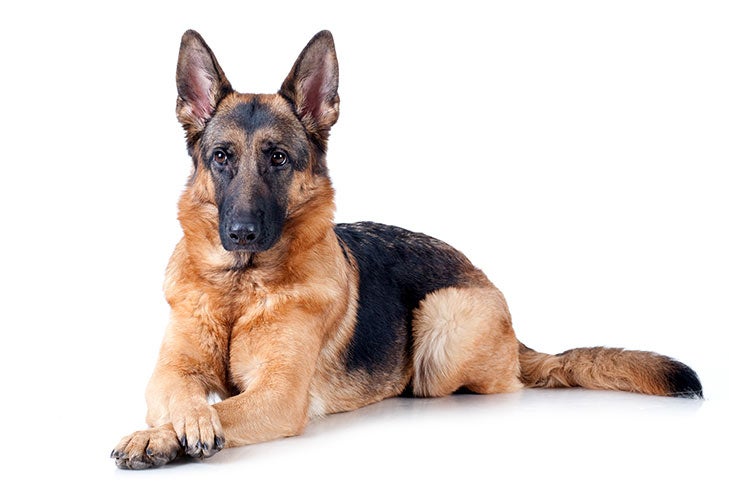
| Coat Color | Pure White | Black/Tan | Solid Black |
| Recognition | Limited | AKC Recognized | AKC Recognized |
| Temperament | Calm, gentle | Energetic, alert | Confident, bold |
| Popularity | Growing | Very High | Moderate |
White German Shepherds are less common, but their unique appearance is gaining attention. Their temperament is similar, though many owners report a softer, more relaxed personality.
Credit: www.akc.org
Choosing A White German Shepherd: Tips For Future Owners
If you’re thinking about getting a white German Shepherd, there are some important things to consider.
Finding A Responsible Breeder
Choose a breeder who:
- Offers health guarantees
- Provides genetic testing
- Socializes puppies early
- Shares parent history
Avoid breeders who focus only on color. Health and temperament matter more.
Adoption And Rescue
You can also find white German Shepherds in rescues. Adoption is a great option, especially if you want an adult dog. Ask about the dog’s history and temperament.
Preparing Your Home
Before bringing your dog home:
- Puppy-proof your house (remove dangerous items)
- Set up a safe space (crate or bed)
- Stock up on food, toys, grooming tools
White German Shepherds need space to run. A yard is ideal, but daily walks can work.
Cost Of Ownership
Owning a white German Shepherd is an investment. Here are typical costs:
- Food: $50-$80/month
- Vet care: $300-$600/year
- Grooming tools: $50-$100 upfront
- Training: $200-$500 for classes
Many new owners underestimate grooming costs, especially with shedding. Budget for brushes and cleaning supplies.
Commitment And Lifestyle
These dogs need time and attention. If you travel often or work long hours, consider a different breed. White German Shepherds thrive in active households.
Training And Activity: Keeping Your Dog Engaged
Training is crucial for white German Shepherds. Their intelligence makes them eager learners, but they need guidance.
Obedience Training
Start with basic commands:
- Sit
- Stay
- Come
- Heel
Use positive reinforcement. Short, daily sessions work best. Avoid overtraining—too much repetition can bore them.
Advanced Activities
White German Shepherds excel in:
- Agility: Jumping, running, obstacle courses
- Scent work: Finding hidden objects
- Therapy work: Visiting hospitals or schools
- Herding: If you have livestock
These activities keep their minds sharp and bodies fit. Beginners often overlook scent games, but they are excellent for mental stimulation.
Exercise Needs
Plan for at least 60-90 minutes of activity each day. Mix walks, play, and training. If you skip exercise, your dog may become restless or destructive.
Living With A White German Shepherd: Real-life Examples
White German Shepherds adapt well to many environments, but their needs are unique.
Family Life
These dogs are excellent with children, especially when raised together. They are protective, but rarely aggressive. Supervise young kids to prevent accidents.
Apartment Living
White German Shepherds can live in apartments if you provide enough exercise. However, their size and energy make them better suited to houses with yards.
Multi-pet Homes
They usually get along with other dogs and cats, especially if socialized early. Watch for chasing behavior—herding instincts can kick in with smaller pets.
Traveling With Your Dog
White German Shepherds love adventure. If you travel, plan for:
- Frequent stops
- Comfortable crates
- Pet-friendly hotels
One non-obvious tip: bring a towel or blanket for your dog. Their white coat can get dirty during trips.
Common Myths And Misconceptions
There are many myths about white German Shepherds. Here are the facts:
- Myth: White Shepherds are albino.
- Fact: Albino dogs lack pigment in eyes and skin. White Shepherds have normal pigment.
- Myth: White Shepherds are less healthy.
- Fact: No evidence supports this. They are as healthy as other Shepherds.
- Myth: White Shepherds are aggressive.
- Fact: Temperament depends on training and genetics, not color.
- Myth: They can’t be show dogs.
- Fact: They are not allowed in AKC conformation shows, but excel in obedience, agility, and therapy.
- Myth: All white Shepherds have long coats.
- Fact: Both short and long coats exist.
One insight: Many people confuse white Shepherds with Swiss Shepherds. They are related but are separate breeds with different standards.
The History And Genetics Of The White German Shepherd
The white German Shepherd’s origins are fascinating. The first white Shepherds appeared in Germany in the late 1800s. The founder of the breed, Max von Stephanitz, accepted white coats, but over time, breeders favored dark colors.
The white gene is recessive. Both parents must carry it for puppies to be white. Some breeders mistakenly thought white dogs were weak, leading to their exclusion from show rings.
Today, white German Shepherds are recognized by the United Kennel Club and specialty organizations. Their genetics are well understood, and breeders work hard to preserve both health and appearance.
How To Spot A True White German Shepherd
Not all white dogs are German Shepherds. Here’s what to look for:
- Distinctive face: Strong muzzle, upright ears
- Athletic body: Deep chest, muscular legs
- White coat: No cream or yellow patches
- Dark eyes: Usually brown or amber
- Black nose and lips: Not pink
If you’re unsure, ask for pedigree papers or consult a breed expert.
Credit: www.akc.org
Tips For Grooming And Maintenance
Keeping your white German Shepherd looking its best takes effort.
- Use a slicker brush for daily grooming.
- Check for mats behind the ears and on the tail.
- Bathe only when necessary—too much washing dries the skin.
- Trim nails monthly.
- Clean ears weekly, especially after swimming.
A non-obvious tip: Use a whitening shampoo once every few months if your dog’s coat looks stained. This is safe when used properly.
Nutrition: Feeding Your White German Shepherd
Proper nutrition is key for health and coat quality.
Recommended Diet
- Protein: 22-28% for adults, from chicken, lamb, or fish
- Fat: 12-18%, for energy and coat health
- Carbs: Brown rice, oats, sweet potato
Feed 2-3 meals per day. Avoid table scraps and processed foods.
Supplements
Some owners use:
- Omega-3 for coat shine
- Glucosamine for joint health
- Probiotics for digestion
Consult your vet before starting supplements. Over-supplementing can cause problems.
Common Feeding Mistakes
- Overfeeding: Leads to obesity
- Underfeeding: Causes poor coat and slow growth
- Inconsistent meals: Causes anxiety
Feed at regular times and monitor your dog’s weight.
Credit: www.dogbreedinfo.com
Activities And Fun With Your White German Shepherd
White German Shepherds love action and play. Here are favorite activities:
- Fetch in the park
- Swimming (their coat dries fast)
- Hiking (bring water and snacks)
- Obedience competitions
- Therapy visits
One insight: Their white coat is more sensitive to sun. Avoid long exposure on hot days; use shade and cooling mats.
Frequently Asked Questions
How Big Does A White German Shepherd Get?
A full-grown white German Shepherd stands 22-26 inches tall and weighs 60-95 pounds. Males are usually larger than females.
Do White German Shepherds Have Special Grooming Needs?
Yes, their white coat shows dirt easily. Brush them 2-3 times per week, and bathe every 6-8 weeks. Use dog-safe shampoo and check for mats.
Are White German Shepherds Good Family Pets?
They are excellent family dogs. Loyal, gentle, and protective. Early socialization helps them get along with children and other pets.
Is The White Color Linked To Health Problems?
No, the white color comes from a recessive gene, not from albinism. They are as healthy as other German Shepherds when bred responsibly.
Where Can I Learn More About White German Shepherds?
You can find more information from the Wikipedia: White Shepherd page, which covers history, genetics, and breed standards.
White German Shepherds are remarkable dogs—beautiful, intelligent, and loyal. Their full-grown size, coat, and temperament make them stand out in any home. If you give them proper care, training, and love, you’ll have a companion for life. Whether you’re drawn to their elegant appearance or their gentle personality, understanding their unique traits will help you make the best choices for your new furry friend.

We’re the dedicated team behind MyPawSafe.com, with over a decade of combined experience in veterinary care, pet emergency response, and animal behavior. While we prefer to let our work speak for itself, our mission is clear: to provide science-backed, vet-approved advice that helps pet owners prevent accidents and save lives.