Standard Poodle Weight In Kg: Growth And Size Guide
The Standard Poodle is one of the most recognizable dog breeds in the world. Known for their intelligence, elegance, and hypoallergenic coat, these dogs also stand out due to their size. But if you’re considering adding a Standard Poodle to your family, or already own one, understanding their weight in kilograms and growth patterns is important for their health and happiness.
Getting the weight right isn’t just about numbers. It affects everything from the right amount of food, exercise needs, to how you monitor their health as they grow. Many new owners are surprised by how much Standard Poodles can change from puppyhood to adulthood.
In this guide, we’ll break down the typical weight at each life stage, explain what impacts their size, and offer practical tips for keeping your poodle at a healthy weight. You’ll also find helpful tables, real examples, and answers to common questions.
What Is A Standard Poodle?
The Standard Poodle is the largest of the three main poodle types (Standard, Miniature, Toy). Originally bred as a water retriever, this breed is athletic, smart, and loyal. Adult Standard Poodles stand over 38 cm (15 inches) at the shoulder and are often chosen for their graceful looks and friendly nature.
While their coat and personality are well known, many people are less familiar with their typical weight range and how it changes over time. This understanding is key for anyone who wants to raise a healthy, happy Standard Poodle.
Average Standard Poodle Weight In Kg
Most adult Standard Poodles weigh between 20–32 kg (44–70 lbs). Males are usually larger than females. However, there can be exceptions based on genetics, diet, and activity level.
Here’s a quick overview:
- Male Standard Poodle: 22–32 kg (48–70 lbs)
- Female Standard Poodle: 20–27 kg (44–60 lbs)
A poodle’s weight can vary even within these ranges. Some lines are bred for size, while others are more athletic and slender.
Typical Height
Standard Poodles usually stand 45–60 cm (18–24 inches) tall at the shoulder. This height helps define them as “Standard” rather than Miniature or Toy.
Growth Stages Of The Standard Poodle
Standard Poodles go through several growth stages, each with its own weight milestones. Knowing what to expect at each stage helps you provide the right care and nutrition.
Puppy Stage (0–6 Months)
Growth is rapid during the first six months. Puppies are born weighing just a few hundred grams and can grow to 10–15 kg by six months.
- Birth: 0.35–0.45 kg (350–450 g)
- 8 Weeks: 3–5 kg
- 4 Months: 8–12 kg
- 6 Months: 12–18 kg
Adolescent Stage (6–12 Months)
Growth slows but continues steadily. By 12 months, most Standard Poodles are near their adult height, but they may still fill out and gain muscle.
- 8 Months: 16–22 kg
- 12 Months: 18–25 kg
Adult Stage (12–24 Months)
Most Standard Poodles reach their full weight between 18–24 months. Some may mature a bit later, especially males.
- 18 Months: 20–30 kg
- 24 Months: 22–32 kg
Senior Stage (7+ Years)
Older dogs may lose muscle or gain fat if their activity drops. Regular vet checks are important to catch changes early.
Standard Poodle Weight Chart By Age
To make it easier to track your poodle’s growth, here’s a detailed table of typical weights by age (in kg).
| Age | Male Weight (kg) | Female Weight (kg) |
|---|---|---|
| Birth | 0.35–0.45 | 0.35–0.45 |
| 8 weeks | 4–5 | 3–4 |
| 4 months | 9–12 | 8–11 |
| 6 months | 14–18 | 12–16 |
| 8 months | 18–22 | 15–19 |
| 12 months | 20–27 | 18–24 |
| 18 months | 22–32 | 20–27 |
| 2 years (adult) | 22–32 | 20–27 |
Remember, these are averages. Some dogs will grow faster or slower. If your puppy is outside these ranges but healthy and active, there’s usually no cause for worry.
Factors Affecting Standard Poodle Weight
Every poodle is unique, and several factors influence their final weight and growth speed.
Genetics
The biggest factor is genetics. Dogs from larger parents or specific breeding lines often grow bigger. Some breeders focus on producing smaller, lighter poodles for agility, while others breed for size and show standards.
Diet And Nutrition
High-quality nutrition is vital, especially during puppyhood. Underfeeding can stunt growth, while overfeeding can lead to unhealthy weight gain. Choose food designed for large breeds, and adjust portions as your dog grows.
Exercise
Standard Poodles are active, energetic dogs. Regular exercise helps build muscle and maintain a healthy weight. Without enough activity, they can become overweight, especially after being neutered or spayed.
Health And Medical Issues
Certain health problems, such as thyroid disorders or parasites, can affect weight. If your poodle gains or loses weight suddenly, consult your vet.
Spaying And Neutering
Neutered or spayed dogs may have a slower metabolism and need fewer calories. Adjust their diet and activity as needed.
Ideal Body Condition For Standard Poodles
It’s not enough to just look at the number on the scale. The ideal body condition means your dog is not too thin or overweight. Here are practical ways to check:
- Ribs: You should be able to feel your dog’s ribs easily, but they should not be visible.
- Waist: Viewed from above, your poodle should have a clear waist behind the ribs.
- Abdomen: The belly should be tucked up when seen from the side.
If you’re unsure, your vet can show you how to check body condition. Keeping your poodle lean reduces the risk of joint problems, diabetes, and other health issues.
Differences Between Male And Female Standard Poodles
There are some differences in size and weight between the sexes, though they often overlap.
- Males are usually taller and heavier, with more muscle.
- Females tend to be slightly smaller and lighter, but still strong and athletic.
However, individual variation is normal. Some females will be larger than some males, especially if genetics favor a bigger size.
Standard Poodle Weight Vs. Other Poodle Sizes
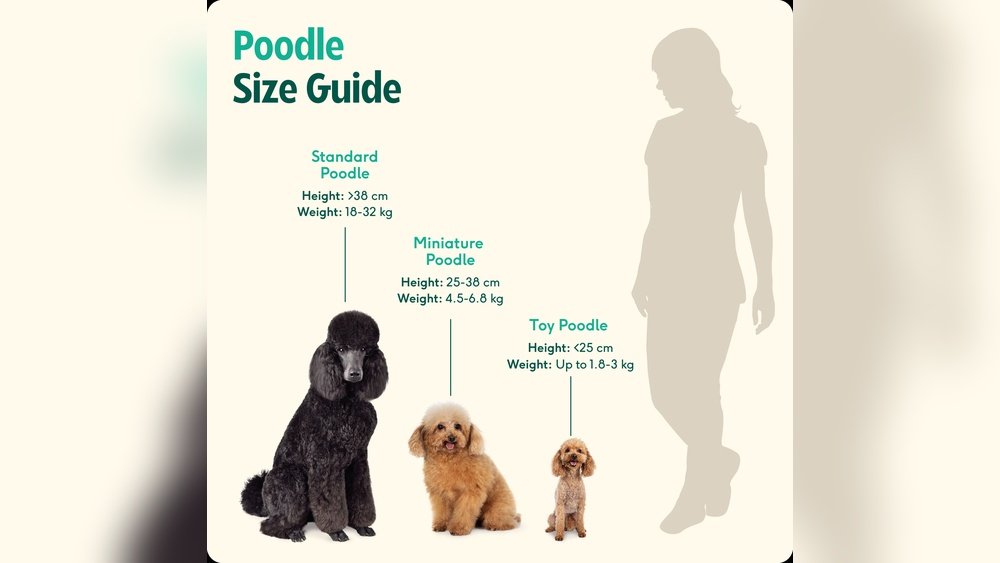
It’s common to confuse the different poodle varieties. Here’s how Standard Poodle weight compares to Miniature and Toy Poodles.
| Poodle Type | Height (cm) | Weight (kg) |
|---|---|---|
| Standard | 45–60 | 20–32 |
| Miniature | 28–38 | 7–8 |
| Toy | Under 28 | 2–4 |
Standard Poodles are much larger than their smaller cousins. This affects everything from exercise needs to food costs.
Credit: amkglobalgroup.com
How To Weigh Your Standard Poodle Accurately
Knowing your dog’s weight is important for dosing medicine, adjusting food portions, and tracking growth. Here’s how you can do it at home:
- Use a bathroom scale: Weigh yourself first. Then, pick up your poodle and weigh again. Subtract your weight from the combined weight.
- Pet scales: Some pet stores or vets have special scales for dogs.
- Visit the vet: Most clinics will let you use their scale even if you don’t have an appointment.
Aim to weigh puppies every 2–4 weeks and adults every 2–3 months. Regular tracking helps spot problems early.
Common Growth And Weight Concerns
My Poodle Is Smaller Than Average
Not all poodles fit perfectly into the standard weight range. Some are naturally petite due to genetics. As long as they are active, eating well, and healthy, small size is usually not a concern.
My Poodle Is Overweight
Obesity is a growing issue for pets. Signs your poodle may be overweight include:
- Difficulty feeling the ribs
- No visible waist
- Less energy or reluctance to exercise
If your dog is overweight, reduce treats, measure food carefully, and increase activity. Your vet can create a safe weight loss plan.
Sudden Weight Loss Or Gain
Rapid changes in weight can signal health problems such as diabetes, parasites, or thyroid issues. Always check with your vet if you notice sudden weight changes.
How Nutrition Impacts Standard Poodle Weight
A balanced diet supports steady growth and a healthy adult weight. Here are some tips for feeding Standard Poodles at different ages:
Puppies
- Feed high-quality puppy food for large breeds
- Divide meals into 3–4 smaller portions per day
- Avoid overfeeding—growth that is too fast can lead to joint problems
Adolescents
- Gradually switch to adult food around 12–15 months
- Watch weight and adjust portions as activity changes
Adults
- Feed twice daily
- Choose food with balanced protein, fat, and carbs
- Adjust for activity level—active dogs need more calories
Seniors
- Lower-calorie food may be needed if activity drops
- Focus on joint health and maintaining muscle
Non-obvious insight: Many owners don’t realize that treats and table scraps can add significant calories. Always factor these into your poodle’s daily intake.
Exercise Needs For Healthy Weight
Standard Poodles are athletic and need regular exercise to stay fit and avoid boredom.
- Daily walks: At least 60 minutes split into two sessions
- Playtime: Fetch, swimming, and agility are great options
- Mental stimulation: Puzzle toys and obedience training help burn energy
Dogs that don’t get enough exercise are at higher risk for weight gain and behavioral problems.
Tracking Growth: When To Be Concerned
Some owners worry if their puppy seems too big or too small for their age. Remember, growth spurts are normal, and not all puppies grow at the same rate. However, you should consult your vet if you notice:
- Extreme thinness or rapid weight loss
- Swollen belly, especially in puppies (could indicate worms)
- Reluctance to eat or sudden lack of appetite
Non-obvious insight: Growth plates in Standard Poodles close between 12–18 months. Too much exercise (like jumping or running on hard surfaces) before then can cause injury. Stick to moderate, age-appropriate activity until your dog is fully grown.
Standard Poodle Weight And Health Risks
Keeping your poodle at a healthy weight helps avoid many health issues:
- Hip dysplasia: Overweight dogs are at higher risk
- Diabetes: Obesity increases the risk
- Heart disease: Extra weight strains the heart
- Joint problems: Too much weight damages joints
Underweight dogs can also face problems, including:
- Weakened immune system
- Poor coat quality
- Lack of energy
Regular checks and a balanced lifestyle help prevent these problems.
Real-world Examples: Standard Poodle Growth Stories
Hearing about other poodles’ growth can be reassuring. Here are three real examples:
Bella: A female Standard Poodle, started at 0.4 kg at birth and reached 4 kg at 8 weeks. By six months, she was 15 kg, and as an adult, she maintains 24 kg with daily walks and balanced food.
Max: A male, was larger than average. He hit 5 kg at 8 weeks and reached 32 kg by 20 months. His owner monitored his food closely to avoid overfeeding during growth spurts.
Luna: Grew slowly at first, worrying her owner. The vet found she was healthy, just a late bloomer. By age two, she was 22 kg and full of energy.
Breeder And Line Differences
Not all Standard Poodles are bred to the same size. Some breeders focus on large, robust poodles for show or work, while others prefer smaller, more athletic lines. Always ask breeders about the expected adult size of their puppies, and meet the parents if possible.
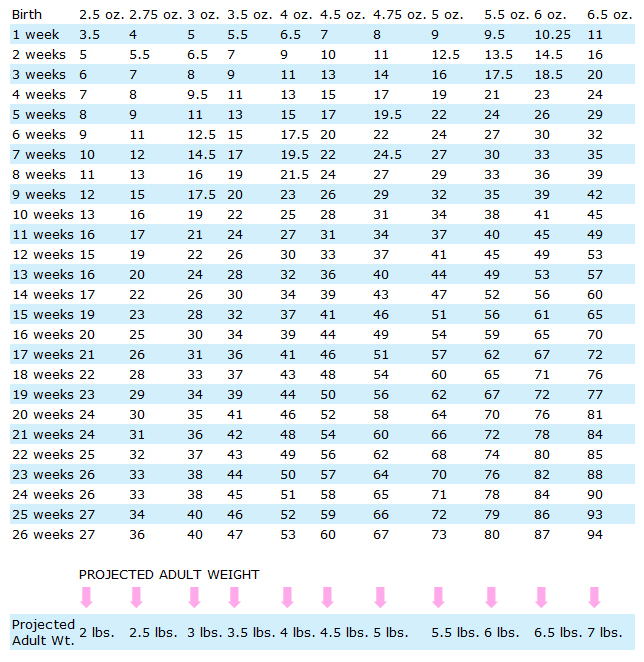
Pro tip: If you’re adopting a rescue poodle and don’t know the parents’ size, your vet can estimate adult weight based on growth at 16 weeks.
Standard Poodle Size Vs. Popular Breeds
How does the Standard Poodle compare to other popular breeds? Here’s a comparison:
| Breed | Average Weight (kg) | Average Height (cm) |
|---|---|---|
| Standard Poodle | 20–32 | 45–60 |
| Labrador Retriever | 25–36 | 55–62 |
| Golden Retriever | 25–34 | 51–61 |
| German Shepherd | 22–40 | 55–65 |
| Boxer | 25–32 | 53–63 |
Standard Poodles are similar in size to many other large breeds, though they are often a bit lighter and more athletic in build.
Tips For Managing Standard Poodle Weight
- Measure food portions: Don’t free-feed. Use a measuring cup or scale.
- Limit treats: Treats should make up less than 10% of daily calories.
- Keep active: Daily exercise maintains muscle and burns calories.
- Regular weigh-ins: Track weight every 2–3 months.
- Check body condition: Look and feel for ribs, waist, and belly tuck.
- Consult your vet: If unsure about weight or diet, ask for advice.

Credit: www.drsamkhoury.com
Common Mistakes Owners Make
- Guessing food amounts instead of measuring
- Ignoring gradual weight gain until the dog is clearly overweight
- Overfeeding puppies in hopes they will grow faster (this can harm joints)
- Not adjusting food after spaying/neutering
- Underestimating calories from treats and table scraps
When To See A Vet About Your Poodle’s Weight
Contact your vet if:
- Your poodle is underweight or overweight despite proper feeding
- There are rapid changes in weight
- Your dog seems lethargic, refuses food, or has digestive issues
- You notice changes in coat, skin, or energy level
Early intervention can prevent serious health problems.
Standard Poodle Weight And Activity Through Life
Standard Poodles need different care at each stage:
- Puppies: Focus on steady growth, proper nutrition, and light play
- Adolescents: Gradually increase activity, monitor growth spurts
- Adults: Maintain regular exercise and balanced meals
- Seniors: Adjust activity for joint health and watch for weight changes
Life changes—like moving, illness, or family changes—can affect your poodle’s weight. Stay alert and adjust as needed.
External Resource For Further Reading
For more in-depth information on dog growth and nutrition, visit the Wikipedia Poodle page.
)
Credit: lyka.com.au
Frequently Asked Questions
What Is The Ideal Weight For An Adult Standard Poodle In Kg?
The ideal weight for an adult Standard Poodle is usually 22–32 kg for males and 20–27 kg for females. The exact weight depends on genetics, diet, and activity level.
How Fast Do Standard Poodle Puppies Grow?
Standard Poodle puppies grow rapidly in the first six months, often reaching over half their adult weight by this time. Growth slows after six months, and most reach adult size by 18–24 months.
How Can I Tell If My Standard Poodle Is Overweight?
Look for these signs: difficulty feeling ribs, no waist when viewed from above, or a sagging belly. If in doubt, ask your vet to assess your dog’s body condition.
Does Neutering Or Spaying Affect My Poodle’s Weight?
Yes, spayed or neutered poodles may have a slower metabolism and need fewer calories. Be ready to adjust food portions and increase activity after the procedure.
Should I Worry If My Standard Poodle Is Smaller Or Larger Than Average?
Not necessarily. Some poodles are naturally bigger or smaller due to genetics. As long as your dog is active, healthy, and has a good body condition, being outside the average range is usually not a problem. Always consult your vet if you’re unsure.
A healthy weight is one of the best gifts you can give your Standard Poodle. By understanding growth patterns, feeding wisely, and staying active together, you help your companion enjoy a long, happy, and energetic life.

We’re the dedicated team behind MyPawSafe.com, with over a decade of combined experience in veterinary care, pet emergency response, and animal behavior. While we prefer to let our work speak for itself, our mission is clear: to provide science-backed, vet-approved advice that helps pet owners prevent accidents and save lives.