How Cold Is Too Cold For A German Shepherd?
German Shepherds are famous for their strong bodies, intelligence, and loyalty. Many people believe these dogs can handle almost any climate, thanks to their thick fur and history as working dogs. But is that true? If you live in a place with cold winters, you might wonder: How cold is too cold for a German Shepherd? This question matters because weather can affect your dog’s health, happiness, and safety.
In this article, you’ll learn how temperature affects German Shepherds. We’ll look at the facts about their coats, explain the risks of cold weather, and show you how to protect your dog when it gets chilly. You’ll also see data, comparisons, and practical advice.
Whether you’re a new owner or have loved German Shepherds for years, you’ll find insights that help you make smart decisions.
Understanding German Shepherds’ Coat And Cold Tolerance
German Shepherds are bred to work outdoors. Their double coat is a key reason they’re good in cold weather. This coat has two layers:
- Undercoat: Soft, thick, and insulating. Keeps the dog warm.
- Topcoat (guard hairs): Longer, rougher hairs that protect from wind and moisture.
This combination helps German Shepherds stay comfortable when temperatures drop. But even their coat has limits.
How Their Coat Works
The undercoat traps heat close to the skin. The topcoat acts like a shield, blocking cold wind and water. In winter, the undercoat gets even thicker, making them warmer. But if the coat gets wet, tangled, or is shaved, the insulation drops quickly.
Dogs naturally shed their undercoat before summer and grow it back before winter. This seasonal change helps them adjust to temperature shifts. If your dog’s coat is not brushed, tangles can form and make the insulation less effective. Mats can even trap moisture, making your dog colder and increasing the risk of skin problems.
Comparison Of Coat Types
Some German Shepherds have a “plush” or “long” coat. Others have a shorter, denser coat. Here’s how different coat types affect cold tolerance:
| Coat Type | Insulation | Cold Weather Tolerance |
|---|---|---|
| Short/Standard | Good | High |
| Plush/Long | Very Good | Very High |
| Shaved | Poor | Low |
| Wet/Matted | Poor | Low |
Non-obvious insight: Even a thick coat can fail if it’s wet or poorly maintained. Regular brushing is not just for looks—it helps your dog stay warm. Also, never shave your German Shepherd’s coat in winter, thinking it will grow back thicker. Shaving removes both protective layers and can lead to health issues.
What Is Too Cold For A German Shepherd?
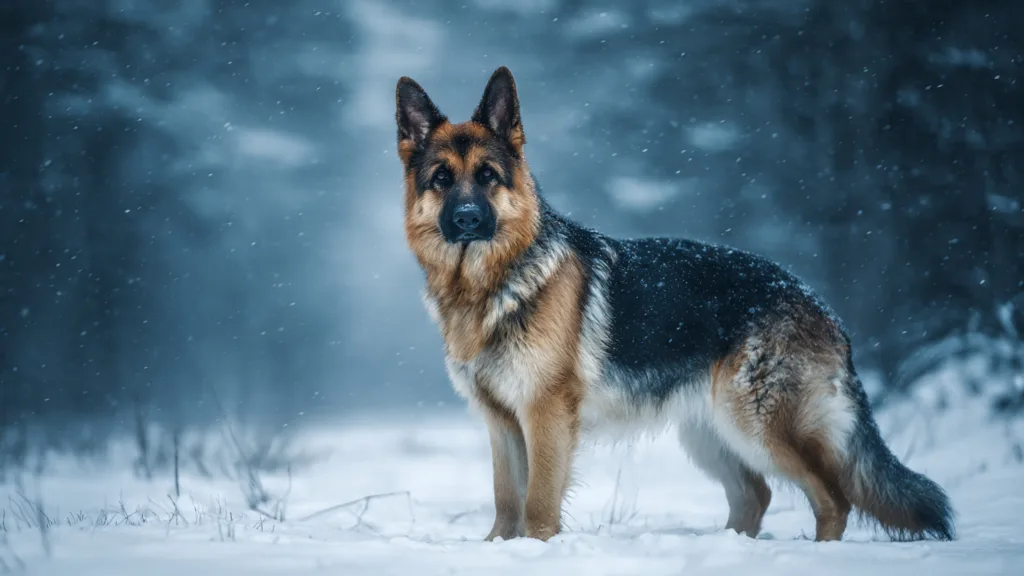
Most healthy adult German Shepherds can handle temperatures as low as 20°F (-6°C) for short periods. But there’s no single “safe” temperature for every dog. Many factors matter:
- Age: Puppies and older dogs are less tolerant.
- Health: Dogs with diseases or injuries are more sensitive.
- Body fat: Thin dogs lose heat faster.
- Activity: Running generates heat; resting outside loses it.
- Coat condition: Dirty, matted, or wet coats lose insulation.
Temperature Guide
Here’s a general guide for German Shepherd cold tolerance:
| Temperature (°F) | Risk Level | Recommended Actions |
|---|---|---|
| 45+ | Safe | Normal activity |
| 32–45 | Low risk | Monitor, limit time for puppies/elderly |
| 20–32 | Moderate risk | Limit time outside, watch for signs of cold |
| Below 20 | High risk | Short outings, use protection |
| Below 0 | Extreme risk | Only quick bathroom breaks, emergency shelter |
Important: Wind, humidity, and wet conditions make cold feel worse. A 30°F day with strong wind can feel like 10°F. Always consider the “feels like” temperature. If there is snow or icy rain, the risk rises further because wet fur loses warmth much faster than dry fur.
Real-life Example
A German Shepherd in Minnesota may walk outside at 10°F for 15 minutes and be fine. But a dog in Texas may struggle at 30°F because it’s not used to cold. Acclimation matters. Dogs that regularly spend time outside during autumn and early winter develop thicker coats and adapt better. On the other hand, a Shepherd who spends most days inside may not have the same tolerance, even if it looks healthy.
Risks Of Cold Weather For German Shepherds
Cold weather can be dangerous. Here are the main risks:
- Hypothermia: Body temperature drops below safe levels. Symptoms: shivering, lethargy, pale gums.
- Frostbite: Skin and tissue freeze, especially on ears, tail, and paws.
- Joint pain: Cold can worsen arthritis or hip dysplasia.
- Respiratory problems: Cold air can irritate lungs, especially in dogs with breathing issues.
- Dehydration: Dogs drink less in winter, but still need water.
Signs Your Dog Is Too Cold
Watch for these signs:
- Shivering
- Whining or barking
- Lifting paws off the ground
- Seeking shelter
- Sluggish movement
- Pale or blue gums
If you see these, bring your dog inside. Non-obvious insight: Not all dogs shiver when cold—some become quiet and stop moving. Don’t rely only on shivering. Also, you may notice your dog avoiding certain areas, like snow or icy patches, which can mean it feels uncomfortable. If your Shepherd hesitates to go outside, pay attention.
How To Protect Your German Shepherd In Cold Weather
Keeping your dog safe in winter is not just about temperature. It’s about habits, gear, and awareness.
Shelter And Warmth
A warm, dry shelter is vital. If your dog spends time outside, provide:
- Insulated dog house
- Dry bedding (straw or blankets)
- Wind protection (fences, barriers)
- Raised floors to avoid cold ground
A good shelter should be small enough to keep heat inside, but large enough for your dog to stand and turn. Make sure the entrance faces away from the wind and is covered with a flap or blanket to block drafts.
Change bedding often to keep it dry.
Clothing And Accessories
Most German Shepherds don’t need coats if they’re healthy and active. But puppies, seniors, or sick dogs may need extra warmth.
- Dog jackets (waterproof, insulated)
- Booties for paws (protect from ice/salt)
- Reflective gear for safety
If your Shepherd seems cold, a dog jacket can add warmth, especially if it spends time outside at night. Dog booties are also helpful when walking on icy or salted streets. Many dogs resist booties at first, so let them practice indoors before winter arrives.
Time Management
Limit outside time when temperatures drop below 20°F. For quick bathroom breaks, watch for signs of discomfort. Avoid leaving your dog outside unattended. If your dog loves snow, play outside for shorter periods and always dry them off before coming inside.
Remember, even a few minutes can be enough for frostbite if the wind is strong.
Food And Water
Cold burns more calories. Your dog may need extra food in winter, especially if active outdoors. Always provide fresh water. Heated bowls prevent freezing. Check water bowls often; ice can form quickly on cold days. Some owners forget that dogs can dehydrate in winter because they drink less.
Encourage your Shepherd to drink by keeping water fresh and accessible.
Grooming
Brush your dog often. Remove mats and tangles—they reduce insulation. Do not shave the coat in winter. If your dog’s fur is dirty, wash it and dry thoroughly. A clean coat traps heat better.
Acclimation
Dogs can adjust to cold if it’s gradual. If you move from a warm climate to a cold one, let your dog get used to lower temperatures slowly. Start with short walks and increase time outside each week. Watch for changes in behavior or appetite.
Credit: petsup.blog
Puppies, Seniors, And Sick Dogs: Special Care
Young puppies, elderly dogs, and those with health issues are more sensitive to cold. Their bodies don’t regulate heat as well. Extra precautions are needed.
Puppies
- Keep indoors except for bathroom breaks.
- Use sweaters if needed.
- Monitor closely for shivering.
Puppies have thin coats and less body fat. They tire quickly and can become cold fast. Always supervise outside play, and carry your puppy if it seems sluggish.
Seniors
- Arthritis can worsen in cold. Provide soft, warm bedding.
- Limit outside time.
- Watch for limping or stiffness.
Older dogs may not show pain clearly. If your Shepherd seems less active, check for joint stiffness. Gentle indoor exercise can help keep muscles warm.
Sick Dogs
- Dogs with heart, lung, or thyroid disease struggle in cold.
- Keep indoors, especially in freezing weather.
- Ask your vet for advice.
Non-obvious insight: Dogs with thick fur may look comfortable, but illness can make them feel cold inside even when outside temperature is “safe.” For example, a dog with hypothyroidism may have trouble staying warm even if it looks healthy.
Cold Weather Activities: Safe Fun For German Shepherds
German Shepherds love exercise. Even in winter, they need activity. But cold changes how you play.
Walking
Walk during midday when temperatures are highest. Avoid icy paths and salted sidewalks. Salt can hurt paws—wipe them after walks. If possible, use pet-safe salt on your own property.
Playing
Fetch, tug, and agility are safe if the ground is not icy. Don’t let your dog run on slippery surfaces—injuries are common. If your Shepherd slips or limps, stop play immediately and check for injuries.
Mental Games
Cold days are perfect for brain games indoors. Try puzzle toys, scent games, or obedience training. Hide treats around the house and let your dog search. Mental stimulation helps burn energy and keeps your dog happy.
Comparing German Shepherds To Other Breeds
German Shepherds are more cold-tolerant than many breeds, but less so than “northern” dogs like Huskies. Here’s a comparison:
| Breed | Cold Tolerance | Coat Type |
|---|---|---|
| German Shepherd | High | Double coat |
| Siberian Husky | Very High | Thick double coat |
| Golden Retriever | Moderate | Double coat |
| Greyhound | Low | Short single coat |
| Chihuahua | Very Low | Short single coat |
German Shepherds are not as cold-proof as Huskies but far better than short-haired breeds. For example, Huskies have coats designed for arctic climates. Shepherds can handle cold, but not for as long as Huskies. Greyhounds and Chihuahuas struggle even at mild winter temperatures.
Common Mistakes Owners Make In Cold Weather
Many owners think their dog is “tough” and can handle anything. Here are mistakes to avoid:
- Leaving dogs outside too long: Even hardy breeds need breaks.
- Ignoring wetness: Wet fur loses heat fast.
- Shaving or cutting coat: Reduces insulation.
- Missing subtle signs: Not all cold dogs shiver; look for quietness or reluctance to play.
- Not checking paws: Ice, salt, and snow can cause injury.
- Underfeeding: Cold burns calories—dogs need more food.
- Assuming all Shepherds are equal: Age and health change cold tolerance.
Another mistake is forgetting to dry your dog after snow play. Wet fur chills quickly. Also, don’t let your Shepherd drink from puddles or eat snow near roads, as chemicals from cars may be toxic.
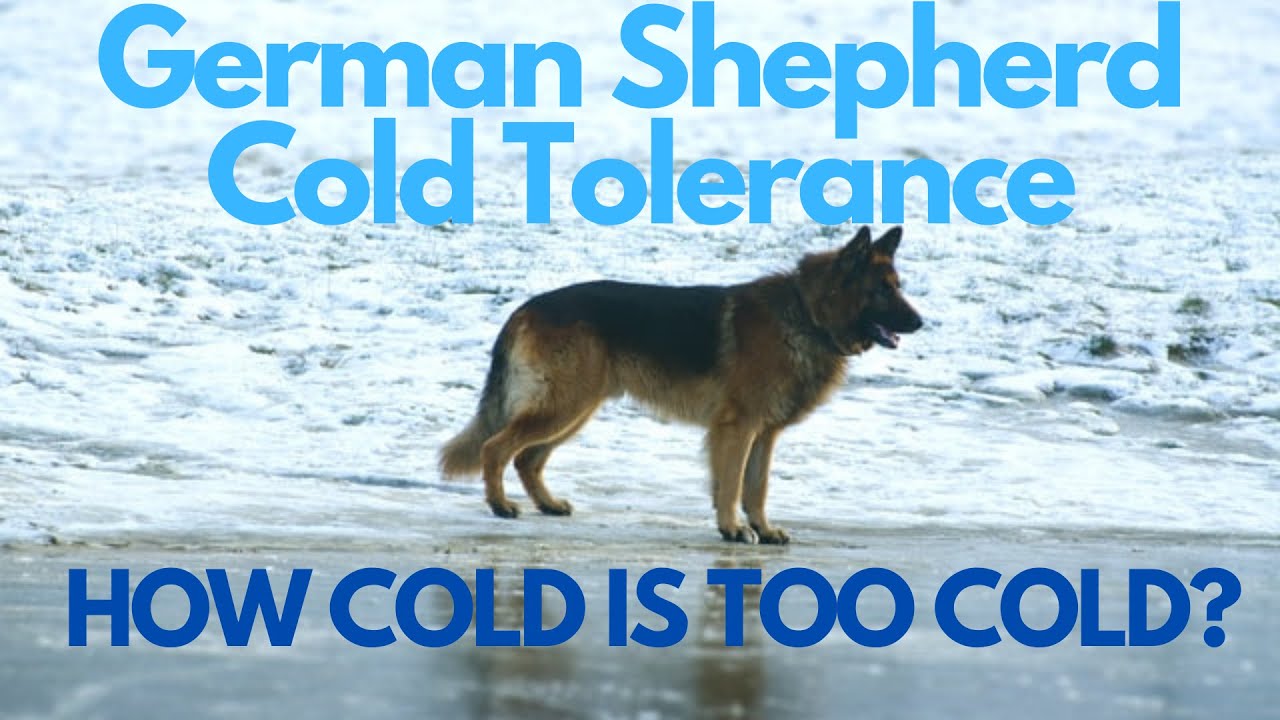
Credit: www.youtube.com
How To Tell If Your German Shepherd Is Cold: Practical Checks
Sometimes, signs are not clear. Here are easy checks:
- Touch their ears: Cold ears mean body temperature is dropping.
- Feel their paws: If paws are icy, bring them inside.
- Look at behavior: If your dog stops playing or sits down outside, it’s cold.
- Check the gums: Pale or blue gums signal trouble.
Practical tip: Carry a towel on cold walks. If your dog gets wet, dry them fast. Wet fur chills quickly. Also, check for snowballs between toes, which can cause pain and reduce warmth.
Planning Outdoor Time: What Matters Most
Time outside is not just about temperature. Consider:
- Wind chill: Strong wind feels much colder.
- Humidity: Damp air chills dogs faster.
- Sunshine: Sun can make cold days feel warmer.
- Ground conditions: Ice and snow can hurt paws.
If the weather is dangerous for you, it’s dangerous for your dog. Dogs are not immune to frostbite or hypothermia. Always check the forecast and plan walks for warmer parts of the day.
Emergency Actions: If Your Dog Gets Too Cold
If you suspect hypothermia or frostbite, act fast:
- Bring your dog inside
- Wrap in blankets
- Offer warm (not hot) water
- Call your vet
Do not use hot water or heat pads. Gentle warmth is safer. If your dog’s paws, ears, or tail look pale, blue, or swollen, seek veterinary help immediately.
How Cold Is Too Cold For German Shepherds Living Outdoors?
Some people keep their dogs outside full-time. This is risky in cold climates.
Guidelines:
- Dogs need insulated shelters.
- Minimum temperature: 20°F for brief periods, 32°F for longer stays.
- Never leave dogs outside below 0°F.
Legal note: Many places now ban full-time outdoor living for dogs in extreme cold. Check local laws. If you must keep your Shepherd outside, check on it often and provide extra food, water, and warmth.

Credit: www.fetchpet.com
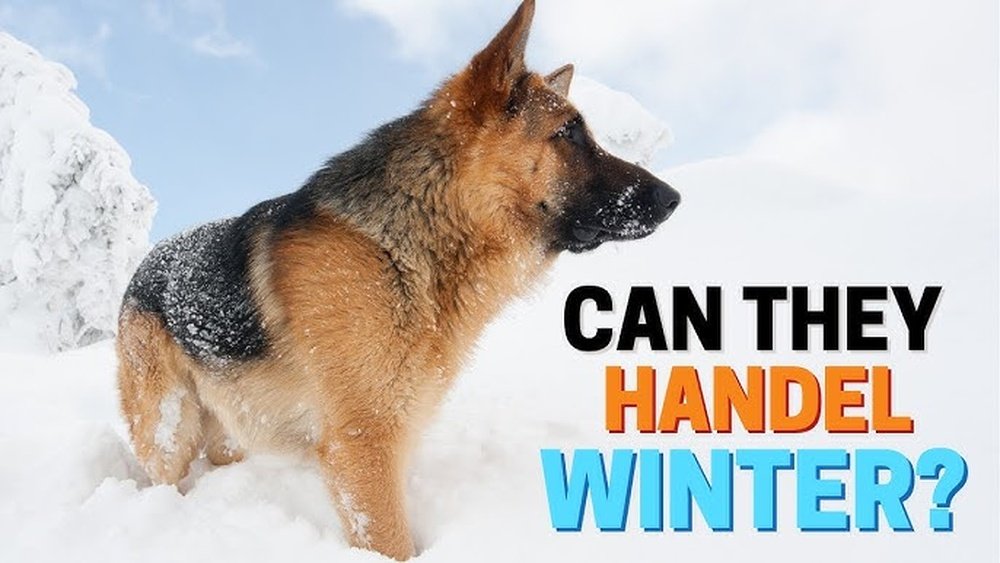
German Shepherds And Snow: What You Should Know
Shepherds often love snow, but it brings risks:
- Snowballs can form between toes.
- Salt and chemicals on streets can poison paws.
- Eating snow can cause stomach issues.
Tip: After snowy walks, rinse and dry paws. Check for ice balls. Also, watch for signs of discomfort—dogs sometimes limp if snowballs form between toes. You can trim the hair between paw pads to reduce this problem.
Preparing For Winter: Step-by-step Guide
- Check your dog’s coat: Brush out tangles.
- Inspect shelter: Make sure it’s dry and insulated.
- Stock up on food: Your dog may eat more in winter.
- Buy booties or jackets if needed
- Set up heated water bowls
- Plan short, frequent walks
Practical insight: Dogs acclimated to cold weather do better than those suddenly exposed. Gradual changes help. Also, prepare an emergency plan for extreme weather—have extra blankets, towels, and access to a vet.
When To See A Vet
If your German Shepherd shows signs of cold stress—shivering, pale gums, weakness, or confusion—see a vet. Hypothermia and frostbite are emergencies. Waiting can lead to permanent injury or death. Do not try home remedies for frostbite—professional care is needed.
Myths About German Shepherds And Cold
Many myths exist. Let’s clear up a few:
- Myth: German Shepherds are “wolf dogs” and can handle extreme cold.
- Fact: They have some wolf ancestry but are not as cold-tolerant as Huskies.
- Myth: A thick coat means no risk.
- Fact: Wet or matted fur loses insulation.
- Myth: Dogs don’t get frostbite.
- Fact: Frostbite is common on ears, tails, and paws.
Some owners also believe that their dog will “tell them” when it’s cold. This isn’t always true—some Shepherds won’t show signs until they’re already in danger.
Building Cold Tolerance
If you want your dog to handle winter well, start early:
- Gradually increase outdoor time as autumn cools.
- Keep the coat healthy.
- Encourage activity outside (playing, walking).
Non-obvious insight: Dogs that play outside in the cold build better tolerance than those that only go out to potty. But never force a dog to stay out if it’s uncomfortable. If your Shepherd resists going outside, respect its signals.
Scientific Research On Dog Cold Tolerance
Studies show that medium to large breeds with double coats do best in cold. But even they can get hypothermia below 20°F, especially if inactive.
A study by the American Veterinary Medical Association found that most dogs start showing signs of cold stress at below 32°F. The risk increases as temperature drops and wind rises.
For more in-depth science, see this Wikipedia article.
Frequently Asked Questions
How Long Can A German Shepherd Stay Outside In Winter?
Healthy adult German Shepherds can stay outside for 15–30 minutes in temperatures between 20–32°F, if active and dry. In temperatures below 20°F, keep outings under 15 minutes. Puppies, seniors, and sick dogs need shorter outings.
Do German Shepherds Need Coats Or Jackets In Cold Weather?
Most German Shepherds do not need jackets if they are healthy and active. But puppies, seniors, and dogs with health problems may benefit from a dog coat for extra warmth, especially below 32°F.
Can German Shepherds Sleep Outside In Winter?
It is not safe for German Shepherds to sleep outside below 32°F unless they have a well-insulated shelter. Even then, temperatures below 20°F are dangerous. Dogs should sleep indoors during extreme cold.
What Are The Signs Of Hypothermia In German Shepherds?
Signs include shivering, lethargy, pale gums, confusion, slow movement, and weakness. In severe cases, dogs may collapse. If you see any of these, get your dog inside and call a vet.
Is Snow Dangerous For German Shepherds?
Snow is fun but can be risky. Ice balls can form on paws, salt can poison, and eating snow may cause stomach upset. Always check your dog after snow play and rinse their paws.
Final Thoughts
German Shepherds are strong, adaptable, and love the outdoors. But even these hardy dogs have limits when it comes to cold. Knowing how cold is too cold for a German Shepherd means understanding their coat, health, activity level, and the weather. If you watch for signs, provide shelter, and use smart habits, your dog can enjoy winter safely. Remember, every dog is different—what’s safe for one may be risky for another. When in doubt, err on the side of caution. Your German Shepherd’s well-being depends on your careful attention, not just their reputation as a “tough” breed. With the right knowledge, you can keep your loyal friend healthy and happy, no matter how cold it gets.

We’re the dedicated team behind MyPawSafe.com, with over a decade of combined experience in veterinary care, pet emergency response, and animal behavior. While we prefer to let our work speak for itself, our mission is clear: to provide science-backed, vet-approved advice that helps pet owners prevent accidents and save lives.