Golden Retriever Coat Colors: From Cream To Dark Golden
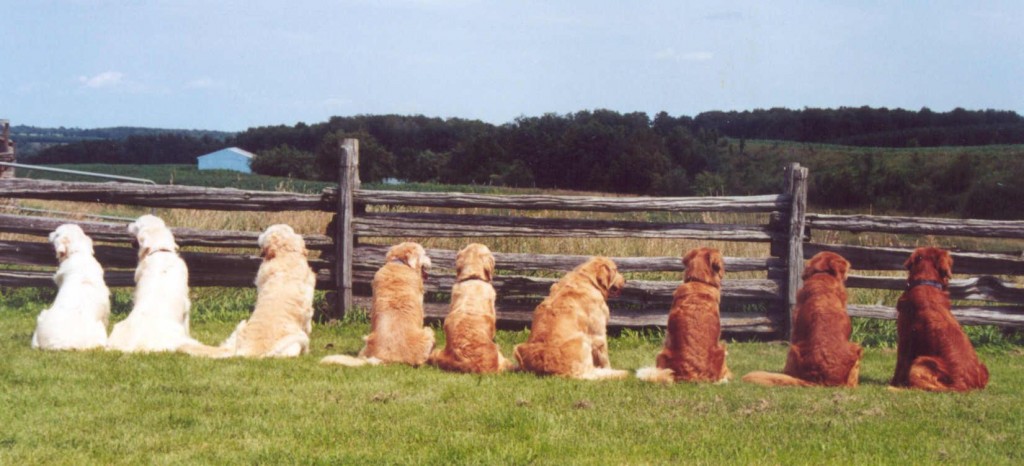
Golden Retrievers are famous for their friendly nature, intelligence, and loyalty. But one thing that stands out immediately is their beautiful coat. You might think all Golden Retrievers look the same, but their coat colors actually range from pale cream to deep, rich gold.
The color isn’t just about appearance—it can affect perception, show quality, and even maintenance. Understanding these color variations helps you choose the right companion and care for them properly. Let’s explore the world of Golden Retriever coat colors, from the lightest cream to the darkest golden shades.
The Origins Of Golden Retriever Coat Colors
The Golden Retriever breed began in Scotland in the late 1800s. The breed’s founder, Lord Tweedmouth, wanted a dog that was gentle, intelligent, and good at retrieving game. He crossed several breeds, including the Yellow Retriever and the Tweeds Water Spaniel. From the start, Golden Retrievers showed a range of colors, mostly shades of gold.
Coat color was never the main focus—it was the dog’s personality and skills. Over time, breeders noticed that the dogs with lighter or darker coats often had unique traits. Today, the breed standard recognizes several shades, but not all are preferred in dog shows.
While early Golden Retrievers in Scotland often had darker, almost reddish coats, breeders selected for temperament and working ability first. This allowed a natural variation in color to remain in the breed. Some records show that the original retriever stock included dogs with lighter yellow coats, but those were less common.
As the breed spread to other countries, especially the US and UK, different preferences for coat color emerged. For example, British breeders began to favor cream and lighter golds for their softer appearance, while American breeders continued with the classic gold.
Non-obvious insight: The original breeding pairs included dogs with white markings, but these markings have been bred out over time as standards became stricter.
Understanding Coat Genetics And Color Variation
Golden Retriever coat color comes from genetics. The main gene responsible is called “E locus,” which controls the production of red and yellow pigment. Another gene, “C locus,” affects how pale or deep the color appears.
The basic color is always some shade of gold, but genes can make this lighter (cream) or richer (dark golden). Puppies may look lighter or darker at birth, and their color changes as they grow. Some puppies develop a deeper shade after their first year, while others stay pale.
Non-obvious insight: Even within the same litter, you’ll often find puppies with noticeably different coat colors. This surprises many new owners who expect uniformity.
Most breeders use pedigree charts to predict coat colors, but the process is not precise. Even with genetic testing, results can vary. For instance, the “intensity” gene can change the coat shade by a few degrees, leading to subtle differences between siblings.
In addition, environmental factors like sunlight and diet can influence how the color develops over time.
If you look at the fur closely, you might see that the outer guard hairs are sometimes darker than the undercoat. This gives the coat depth and a natural gradient, which is especially visible in classic and dark Goldens. Some Goldens even have a slight reddish tint, which comes from a mix of pigment genes.
Recognized Golden Retriever Coat Colors
The American Kennel Club (AKC) and other kennel clubs have standards for Golden Retriever colors. Here’s what is officially recognized:
- Light Golden: Pale gold, sometimes close to cream but with a golden sheen.
- Golden: Classic “golden” color. Not too light or too dark.
- Dark Golden: Deep, rich gold. Sometimes coppery.
Cream is not an official color for AKC, but it is recognized in the UK and other countries.
Coat Color Spectrum: Cream To Dark Golden
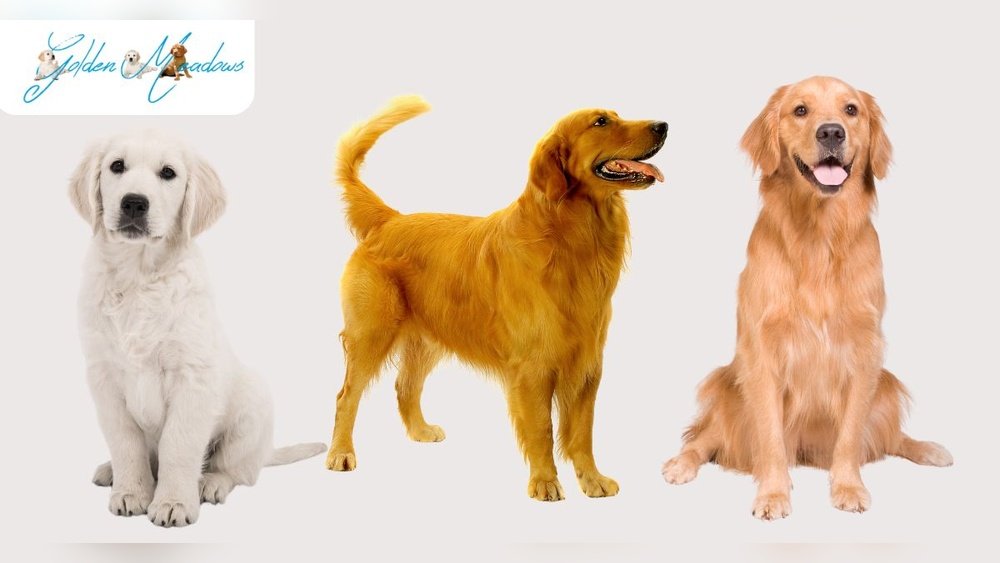
Golden Retrievers don’t have pure white, red, or black coats. Their color spectrum is narrow but has clear differences. Below, you’ll find a visual comparison of the major coat colors.
| Coat Color | Appearance | Recognized by AKC? | Common in US? |
|---|---|---|---|
| Cream | Pale, almost ivory | No | Rare |
| Light Golden | Soft, light gold | Yes | Common |
| Golden | Classic gold | Yes | Very Common |
| Dark Golden | Rich, deep gold | Yes | Less Common |
Golden Retrievers can also have slight variations within these main categories. For example, a light golden may have a touch of cream on the chest or tail, while a dark golden can show highlights around the ears. These subtleties make each dog unique.
Cream Golden Retrievers
Cream Golden Retrievers are the lightest shade. Their coats are almost white, but with a warm glow. They are sometimes called “English Cream Golden Retrievers,” especially when imported from Europe.
What Makes Cream Goldens Unique?
- Their pale color is the result of selective breeding in Europe.
- The cream coat is not accepted by AKC for show dogs, but it is by Kennel Club (UK).
- Cream Goldens often have a blockier head and thicker coat compared to American Goldens.
Non-obvious insight: Cream Goldens are sometimes mistaken for other breeds, like Labradors, because of their light color.
Cream Goldens tend to have softer, silkier fur and often appear slightly larger because of their thicker coat. The blocky head is a classic trait of English lines, giving them a gentle expression. Many owners notice that cream Goldens have a distinctive walk and a calm demeanor, which is more about breeding lines than coat color.
Popularity And Misconceptions
In the US, cream Goldens are less common. Many people believe they are a separate breed or healthier, but that’s not true. They are regular Golden Retrievers, just with a pale coat.
Show Quality: Cream Goldens are not eligible for AKC shows, but they are popular as pets for their gentle look.
Another misconception is that cream Goldens shed less, but all Golden Retrievers shed heavily regardless of color. The myth that cream Goldens are “hypoallergenic” is also false; their shedding and dander levels are the same as other Goldens.

Credit: majesticmanorgoldens.com
Light Golden Retrievers
Light Golden Retrievers have a soft, gentle gold color. They are brighter than dark Goldens but not as pale as cream.
Features Of Light Golden Retrievers
- Their coat shines in sunlight, giving a “golden glow.”
- They are accepted in all major kennel clubs.
- Their coat is usually fine and straight.
Light Goldens are popular in the US and are often seen in commercials and movies due to their classic look.
Light Goldens may have feathering along their legs and tail that is slightly lighter than the rest of their body. This makes their appearance even softer, and some owners notice that their dogs almost “glow” in bright light. Light Goldens are often chosen for therapy work and service dogs because their gentle color is soothing to people.
Health And Maintenance
Light Goldens need regular grooming. Their lighter coat can show dirt easily, but is less prone to matting than darker coats.
Owners should be careful with sun exposure, as light coats can fade or become brittle if dogs spend too much time outdoors. Using a leave-in conditioner helps protect the coat, and brushing daily keeps it clean and prevents tangles.
Non-obvious insight: Light Goldens can develop a reddish tint as they age, especially around the ears and tail, due to pigment changes.
Classic Golden Retrievers
The classic Golden Retriever has a rich gold coat, not too light or too dark. This is the color most people think of when they imagine a Golden Retriever.
Characteristics
- Balanced gold shade, with some highlights and lowlights.
- Coat is often wavy or feathered.
- Most common in the US and Canada.
Classic Goldens are the standard for AKC shows. Their coat color is considered ideal.
Classic Goldens have coats that can appear almost metallic in sunlight, giving them a shimmering look. The feathering on the legs, chest, and tail often creates a beautiful contrast, especially after grooming. Many show dogs fall in this category because the balanced color meets breed standards.
Temperament And Popularity
Classic Goldens are known for their friendly personality. Their balanced appearance makes them favorites for therapy dogs and family pets.
Their popularity means that most Golden Retriever images in books, advertisements, and movies show this color. Classic Goldens are often used as guide dogs, search and rescue dogs, and in roles where a calm, approachable look is important.

Credit: www.snowypineswhitelabs.com
Dark Golden Retrievers
Dark Golden Retrievers have a deep, rich gold coat, sometimes with hints of copper or red. These Goldens stand out in a crowd.
Features
- Intense color, especially noticeable in sunlight.
- Coat is often thicker and longer.
- Accepted by AKC, though too dark is discouraged.
Dark Goldens are less common, but many people love their striking look. Some breeders focus on producing this shade for its uniqueness.
Dark Goldens can have a dramatic appearance, with fur that almost looks red in certain lights. The thicker and sometimes curlier coat can be more prone to matting, so regular grooming is important. Owners often notice that their dog’s coat changes through the seasons, becoming darker or lighter depending on sunlight and diet.
Show And Pet Quality
In dog shows, a too dark coat may be penalized. But as pets, dark Goldens are just as healthy and friendly.
Some pet owners prefer dark Goldens because they are less likely to show stains or dirt. However, the rich color may fade over time, especially if the dog spends a lot of time outdoors.
Differences Between American And English Golden Retrievers
There are two main types of Golden Retrievers: American and English. Their coat colors and physical traits often differ.
| Type | Coat Color Range | Physical Traits | Recognition |
|---|---|---|---|
| American | Light golden to dark golden | Lean body, longer muzzle | AKC |
| English | Cream to golden | Blocky head, thicker coat | UK Kennel Club |
Non-obvious insight: English Cream Goldens are often marketed as “healthier” or “calmer,” but scientific studies show temperament and health are similar across types.
English Goldens tend to have heavier bone structure and shorter ears. American Goldens are often taller and slimmer, with longer coats. Both types share the same loving personality, but their appearance can influence buyer preference.
Factors That Affect Coat Color
Several factors can influence a Golden Retriever’s coat color besides genetics.
Age
Puppies often have lighter coats, which darken as they mature. Senior Goldens may lighten again due to age.
Some owners see “graying” on the muzzle or face, which is normal in older dogs. This is not connected to the coat color genetics, but to aging and pigment loss.
Sunlight
Regular exposure to sunlight can lighten the coat. Dogs that spend much time outdoors may appear paler.
Sunlight can also cause a “bleached” effect, especially on the back and tail. Owners in sunny climates often notice their dog’s color changing faster.
Diet
A balanced diet helps maintain coat color. Poor nutrition can make the coat look dull or faded.
Foods rich in omega-3 and omega-6 fatty acids help keep the coat shiny and vibrant. Some owners supplement with fish oil or flaxseed oil, but always check with your vet first.
Grooming
Proper grooming removes dead hair and dirt, keeping the color vibrant. Over-bathing can strip natural oils and fade color.
Brushing stimulates the skin and helps distribute oils, making the coat look healthier. Using gentle, dog-safe shampoos is important to avoid irritation.
Health Conditions
Some illnesses or skin problems can change coat color. If your Golden’s coat changes suddenly, consult a vet.
Allergic reactions or hormonal changes can cause patchy color or hair loss. Early diagnosis is key to preventing permanent changes.
How To Choose The Right Golden Retriever Coat Color
Choosing the right coat color is mostly about personal preference. But there are practical things to consider:
- Show Standards: If you want to compete in AKC shows, avoid cream coats.
- Maintenance: Light coats show dirt easily, dark coats may require more grooming.
- Climate: In hot areas, lighter coats may keep dogs cooler.
- Visibility: Dark Goldens stand out more in some environments.
Ask breeders for photos of parent dogs to predict puppy color. Remember, personality is more important than appearance.
If you have allergies or sensitive skin, remember that coat color does not affect shedding or dander. Choose based on lifestyle and care needs, not myths about health or temperament.
Credit: grca.org
Grooming And Care For Different Coat Colors
No matter the color, Golden Retrievers need regular grooming. But some colors require special attention.
Cream And Light Goldens
- Dirt shows easily. Brush daily.
- Use gentle shampoos to avoid staining.
- Check for ticks or fleas—they are more visible on pale coats.
Owners of cream Goldens sometimes use brightening shampoos to keep the coat from looking yellowed. Always choose products made for dogs, as human shampoos can damage their fur.
Classic And Dark Goldens
- Coat may be thicker and longer.
- Brush 2-3 times per week.
- Trim feathering if it gets tangled.
Dark Goldens may need extra conditioning to avoid dry, brittle hair. Some owners use detangler sprays, especially during shedding season.
Tips For Maintaining Coat Color
- Feed quality food with omega-3 oils.
- Avoid harsh chemicals or frequent baths.
- Keep your dog out of direct sunlight for long periods if you want to prevent fading.
Regular vet checkups help catch any skin or coat problems early. If you notice sudden color changes, ask your vet about possible causes.
Common Myths About Golden Retriever Coat Colors
There are many myths about Golden Retriever colors. Here are some facts:
- Myth: Cream Goldens are a separate breed.
Fact: They are regular Golden Retrievers.
- Myth: Dark Goldens are more aggressive.
Fact: Color does not affect temperament.
- Myth: Light Goldens are healthier.
Fact: Health depends on genetics and care, not color.
Another myth is that coat color predicts intelligence or trainability. All Goldens are smart and easy to train, regardless of shade.
Show Dog Standards And Disqualifications
If you plan to show your Golden Retriever, knowing the rules is important. The AKC and other clubs have strict guidelines.
Akc Standards
- Accepts light golden, golden, and dark golden.
- Disqualifies dogs that are too pale (cream) or too dark (red).
- White markings or black spots are not allowed.
Uk Standards
- Accepts cream to golden.
- Dark red is discouraged.
Some breeders try to produce colors for shows, but this can lead to health issues. Choose a breeder who focuses on temperament and health.
Show judges often pay attention to how the coat color matches the overall look of the dog. A slightly lighter or darker shade may be overlooked if the dog has excellent structure and movement.
Statistics On Golden Retriever Coat Colors
Golden Retrievers are one of the most popular breeds in the US. According to AKC data, about 800,000 registered Goldens live in the US.
Coat Color Distribution
A study by the University of California, Davis found:
- 55% are classic golden
- 25% are light golden
- 15% are dark golden
- 5% are cream (mostly imported)
This shows classic gold is the most common, but all shades are loved.
| Color | Percentage in US | Preferred for Shows |
|---|---|---|
| Classic Golden | 55% | Yes |
| Light Golden | 25% | Yes |
| Dark Golden | 15% | Sometimes |
| Cream | 5% | No |
Non-obvious insight: The rarest color in the US is cream, but in the UK, it’s much more common.
The statistics also show that imported English Cream Goldens are increasing in the US, but they remain a small percentage compared to classic and light Goldens.
Golden Retriever Coat Color Changes Over Time
Owners are often surprised when their puppy’s coat changes as they grow.
Puppy To Adult
- Puppies often start lighter.
- By age 1-2, the coat reaches its final shade.
- Adult Goldens may lighten again after age 8.
Golden Retriever puppies sometimes have “puppy fuzz,” which is softer and lighter than adult fur. As they mature, their coat develops depth and feathering. Some puppies also develop darker ears or tails, which may stay through adulthood.
Seasonal Changes
- Some Goldens get lighter in summer, darker in winter.
- Shedding cycles can reveal new highlights.
This is normal, and not a sign of health problems.
Owners in cold climates often notice the coat thickens and darkens in winter, then lightens and thins in summer. This helps the dog adapt to temperature changes.
How Breeders Influence Coat Colors
Breeders can select parents to produce certain coat colors, but it’s not exact. Genetic testing helps predict outcomes, but surprises happen.
Ethical Breeding
- Good breeders prioritize health and temperament.
- Avoid breeders who promise “rare colors”—these are often marketing tricks.
If you want a specific color, ask to meet both parent dogs.
Responsible breeders will show you the pedigree and explain the likely color range. They will also tell you that health and personality matter most.
Golden Retriever Coat Colors And Personality
Some people think coat color affects personality, but studies show there is no link. Golden Retrievers are friendly, intelligent, and gentle, regardless of color.
Non-obvious insight: The belief that dark Goldens are more energetic or cream Goldens are calmer is not supported by science.
Personality differences are mostly due to breeding lines and training, not color. A well-socialized Golden will be gentle and playful, no matter the shade.
Famous Golden Retrievers And Their Colors
Many famous Goldens have different coat colors.
- Buddy (Air Bud): Classic golden
- Shadow (Homeward Bound): Light golden
- Liberty (President Ford’s dog): Golden
- Samson (therapy dog): Cream
Their personalities were what made them famous, not their coat color.
Some therapy and service dogs are chosen for their lighter coats, but their training and temperament are what matter most. Media and movies often use classic Goldens for their iconic look, but all colors can be stars.
Frequently Asked Questions
What Is The Rarest Golden Retriever Coat Color?
The rarest coat color in the US is cream. Only about 5% of Goldens have this shade, and most are imported from Europe. In the UK, cream is more common.
Can Golden Retriever Puppies Change Color As They Grow?
Yes, Golden Retriever puppies often start lighter and darken as they mature. The final color usually appears by age 1-2. Some dogs lighten again in old age.
Are Cream Golden Retrievers A Separate Breed?
No, cream Goldens are not a separate breed. They are regular Golden Retrievers, just with a pale coat. Some breeders call them “English Cream Goldens,” but this is a marketing term.
Does Coat Color Affect Temperament Or Health?
No, studies show coat color does not affect temperament or health. All Golden Retrievers are friendly and gentle, regardless of color. Health depends on genetics, care, and breeding.
Which Coat Color Is Best For Dog Shows?
For AKC shows, classic golden and light golden are preferred. Cream and very dark shades are not accepted. If you want to compete, choose a dog with a balanced gold coat.
Golden Retrievers are loved for their personality and beauty. Their coat colors, from cream to dark golden, make each dog unique. Whether you prefer a pale cream, classic gold, or rich dark golden, the most important thing is to choose a healthy, happy companion. Remember, color is just one part of what makes a Golden Retriever special. If you want more details about the breed standard, check the AKC Golden Retriever breed page for official information.

We’re the dedicated team behind MyPawSafe.com, with over a decade of combined experience in veterinary care, pet emergency response, and animal behavior. While we prefer to let our work speak for itself, our mission is clear: to provide science-backed, vet-approved advice that helps pet owners prevent accidents and save lives.