
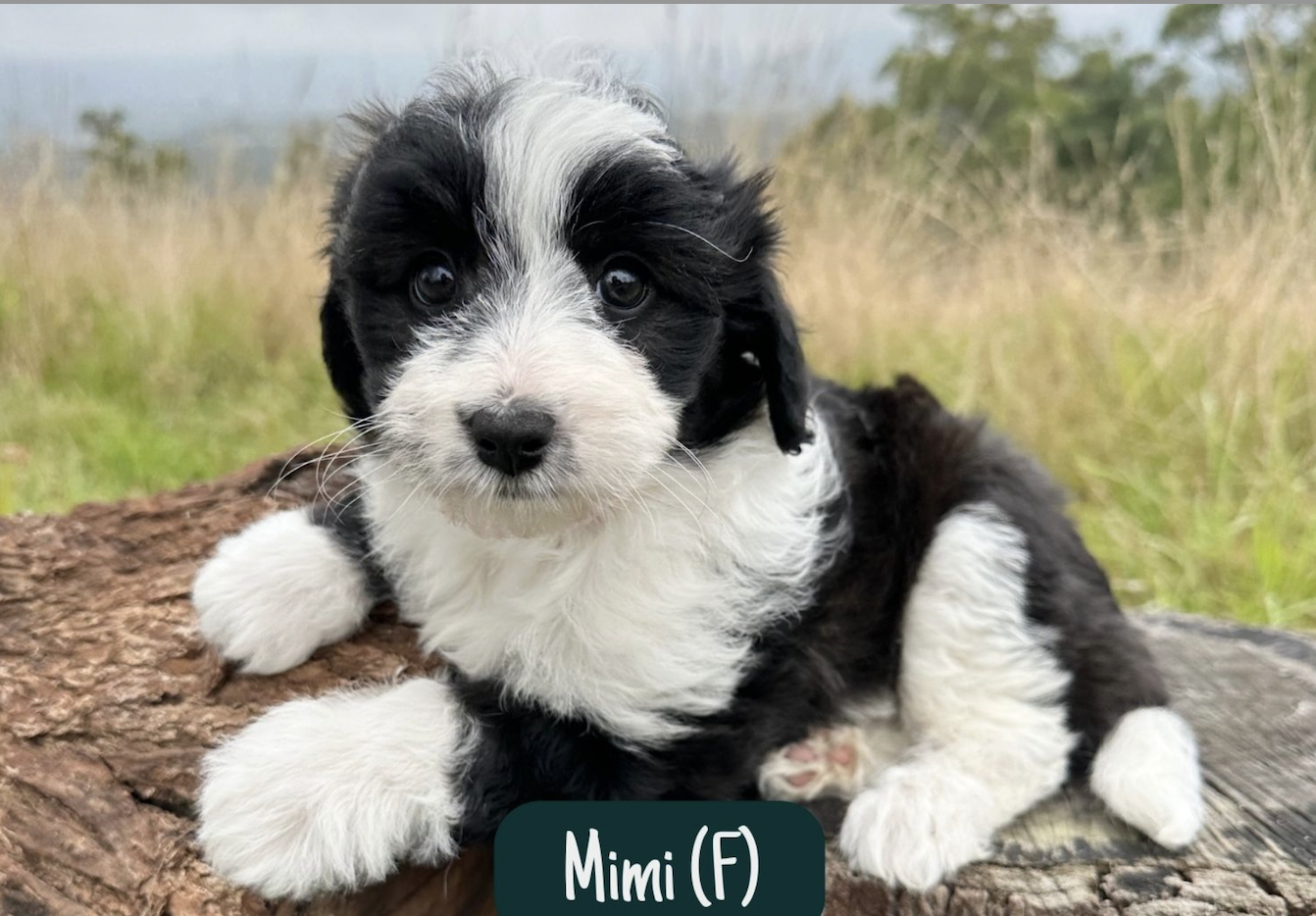
The Border Collie Poodle mix—often called the Bordoodle, Borderdoodle, or Borpoo—is capturing the hearts of dog lovers everywhere. With their clever minds and charming looks, it’s easy to see why. But for many families, one question sits above all others: Is the Border Collie Poodle mix hypoallergenic?
Let’s dive into what makes this hybrid special, what “hypoallergenic” really means, and whether a Bordoodle is the right choice for your home—especially if allergies are a concern.
Understanding The Border Collie Poodle Mix
The Bordoodle is a cross between two well-known breeds: the Border Collie and the Poodle (often the Standard or Miniature Poodle). Each parent brings unique qualities, and the mix can inherit traits from either side.
Border Collies are famous for being intelligent and energetic. They’re often called the smartest dogs in the world and have a strong instinct to herd. Poodles are also highly intelligent, known for their curly coats and reputation for being hypoallergenic. When combined, you get a dog that’s usually quick to learn, loves to play, and often has a wavy or curly coat.
But how do these traits affect allergy sufferers? To answer that, we need to clarify a few things about dog allergies and what “hypoallergenic” actually means.
What Does Hypoallergenic Mean In Dogs?
Many people think “hypoallergenic” means a dog won’t cause any allergies. In reality, no dog breed is 100% hypoallergenic. Some breeds are less likely to trigger allergies because they shed less hair and produce less dander—the tiny flakes of skin that can cause reactions.
Poodles are often recommended for people with allergies because their curly hair catches dander and loose fur, keeping it from floating around the house. The Border Collie, on the other hand, sheds more and produces more dander.
When you mix these two breeds, the result isn’t always predictable. Some Bordoodles inherit the Poodle’s low-shedding coat, while others may have a coat closer to the Border Collie’s, which is not as allergy-friendly.
Key Factors That Trigger Allergies
- Dander: The main source of dog allergens. Even “hairless” breeds produce dander.
- Saliva: Dog saliva contains proteins that can cause reactions.
- Urine: Less common, but some people react to proteins in dog urine.
- Shedding: Dogs that shed more hair tend to spread more dander.
If someone in your home is allergic, understanding these triggers is crucial before bringing a Bordoodle home.
Bordoodle Coat Types And Shedding
The Bordoodle’s coat can vary widely, even within the same litter. Some puppies look more like Poodles, others more like Border Collies, and many fall somewhere in between.
Common Coat Types
- Curly: Tight curls like a Poodle. Usually sheds less.
- Wavy: Loose waves. Shedding is moderate.
- Straight: More like a Border Collie. Tends to shed more.
Here’s a quick look at the differences:
| Coat Type | Appearance | Shedding Level | Allergy Friendliness |
|---|---|---|---|
| Curly | Tight curls, dense | Low | Higher |
| Wavy | Loose waves, medium density | Moderate | Medium |
| Straight | Straight, more like Collie | Higher | Lower |
A common beginner mistake is to assume all Bordoodles are low-shedding. In reality, you could end up with a pup that sheds almost as much as a Border Collie.
Are Bordoodles Hypoallergenic?
So, is the Border Collie Poodle mix hypoallergenic? The answer: sometimes, but not always.
- Curly-coated Bordoodles are more likely to be hypoallergenic, but it’s not guaranteed.
- Wavy or straight-coated Bordoodles may shed more and produce more dander, which can cause allergies.
Even with a curly coat, no Bordoodle is completely allergy-free. People with severe allergies may still react to dander, saliva, or even urine proteins.
Genetics And Hypoallergenic Traits
The genes a Bordoodle puppy inherits are random. Sometimes, breeders try to increase the chances of a hypoallergenic coat by “backcrossing”—breeding a Bordoodle back to a purebred Poodle. This can improve the odds of curly coats, but it’s not a sure thing.
It’s also important to know that allergy reactions vary. Some people may be fine with a low-shedding Bordoodle, while others may still react.

Credit: www.pr-development.se
Comparing Bordoodles With Other Hypoallergenic Breeds
If allergies are a big concern, it helps to compare Bordoodles with breeds known for being hypoallergenic.
| Breed | Shedding | Allergy Risk | Grooming Needs |
|---|---|---|---|
| Bordoodle (Curly Coat) | Low | Medium-Low | High |
| Poodle (Standard or Miniature) | Very Low | Low | High |
| Border Collie | High | High | Moderate |
| Labradoodle (F1b) | Low | Medium-Low | High |
| Bichon Frise | Very Low | Low | High |
As shown, even the best Bordoodle can’t guarantee the same low allergy risk as a purebred Poodle or Bichon Frise, but it’s often better than a Border Collie.
Testing For Allergies Before Adopting A Bordoodle
If you or a family member has allergies, it’s risky to bring home a Bordoodle without testing first. Here are some practical steps:
- Meet adult Bordoodles: Spend time with dogs of the same breed and coat type.
- Visit breeders’ homes: See if you react to the dog’s environment.
- Request a shirt or blanket: Some breeders will send a cloth rubbed on their dogs for you to test at home.
- Try allergy testing: Speak with an allergist about pet-specific tests.
- Ask about returns: Some breeders offer a trial period or return policy if allergies become a problem.
Many first-time owners skip this testing and end up heartbroken if allergies force them to rehome their dog.

Credit: www.lucypetproducts.com
Grooming Requirements For Bordoodles
No matter their coat type, Bordoodles need regular grooming. This is especially true for curly or wavy coats, which can mat easily.
Basic Grooming Needs
- Brushing: At least 2-3 times a week for wavy/curly coats; daily for straight coats.
- Bathing: Every 4-6 weeks, or as needed.
- Professional grooming: Every 6-8 weeks for curly coats, including haircuts.
- Ear cleaning: Regularly, since Poodle mixes are prone to ear infections.
- Nail trimming: Every 3-4 weeks.
Owners sometimes underestimate the time and cost of keeping a Bordoodle’s coat healthy. Neglecting grooming can lead to painful mats and skin problems.
Health And Lifespan
Bordoodles are generally healthy and can live 12-15 years. Hybrid vigor—the mixing of two breeds—can reduce the risk of some inherited diseases, but not always.
Common Health Issues
- Hip dysplasia: Seen in both parent breeds.
- Progressive retinal atrophy: Affects vision.
- Epilepsy: Some lines may be prone.
- Allergies: Dogs can have their own allergies, too!
Responsible breeders test for these issues, but buyers should always ask for health clearances.
Personality And Temperament
One of the biggest draws of the Bordoodle is its personality. These dogs are:
- Highly intelligent: Quick learners, love mental challenges.
- Energetic: Need daily exercise and play.
- Affectionate: Loyal to their families.
- Good with kids: Usually gentle, but need proper socialization.
But with intelligence comes the need for stimulation. Bordoodles can develop bad habits if bored, such as chewing or barking.
Training Your Bordoodle
Training is essential for a happy Bordoodle. These dogs thrive with structure and clear guidance.
Tips For Successful Training
- Start early: Socialize and train from puppyhood.
- Positive methods: Use treats, praise, and play.
- Mental exercise: Teach tricks, play games, and use puzzle toys.
- Consistency: Set clear rules and stick to them.
A common mistake is to underestimate how much mental activity a Bordoodle needs. Without enough challenge, they can outsmart even experienced owners!
Exercise Needs
Bordoodles are active and need at least 60-90 minutes of exercise every day. Walks, runs, agility, and fetch are all great.
If you live in a small apartment or have little time for exercise, a Bordoodle may not be the best fit. Lack of activity can lead to destructive behavior.
Living With A Bordoodle: What To Expect
Bordoodles are best for families who:
- Enjoy outdoor activities.
- Have time for daily walks and play.
- Can commit to regular grooming.
- Want a smart, affectionate companion.
They adapt well to many homes, but thrive where they get attention and activity.
Living In Apartments
It’s possible to keep a Bordoodle in an apartment, but it takes extra effort. Daily exercise and mental stimulation are key. A bored Bordoodle will find ways to entertain itself—sometimes at your expense!
With Kids And Other Pets
Most Bordoodles do well with children and other dogs, especially if raised together. Early socialization helps prevent problems. Because of their herding background, they may try to “herd” kids or other pets, but training can manage this.
Cost Of Owning A Bordoodle
Owning a Bordoodle isn’t cheap, especially if you want a puppy from a good breeder.
Average Costs
- Puppy price: $1,500 to $4,000, depending on breeder and location.
- Grooming: $60-$120 per session, every 6-8 weeks.
- Food: $40-$80 per month.
- Vet care: $200-$600 per year, not including emergencies.
- Training classes: $100-$300 for group classes.
Don’t forget toys, beds, and other supplies. Be wary of breeders selling “hypoallergenic” Bordoodles at very low prices—this can be a red flag for poor breeding practices.
How To Find A Reputable Bordoodle Breeder
A good breeder does more than produce cute puppies. Look for someone who:
- Health tests both parents.
- Answers questions openly.
- Lets you visit and meet the dogs.
- Has clear contracts and return policies.
- Is involved in breed clubs or rescue.
Avoid breeders who promise a 100% hypoallergenic dog—no one can guarantee this.
Adopting A Bordoodle: Is It Possible?
Purebred Bordoodles are less common in shelters, but it’s not impossible to find one in rescue. If you’re open to older dogs or mixes, check breed-specific rescues or local shelters.
Adoption can be a wonderful option, especially if you’re not set on a puppy. You may also know more about the adult dog’s coat and allergy impact.
Common Myths About Bordoodle Allergies
Myth 1: All Bordoodles Are Hypoallergenic.
Fact: Coat type and genetics vary. Some Bordoodles shed and produce dander.
Myth 2: You Won’t Have Allergies With A Poodle Mix.
Fact: All dogs produce some allergens—no mix is totally allergy-free.
Myth 3: You Can Tell A Puppy’s Coat At Birth.
Fact: Coat texture often changes as puppies grow. Final coat may not appear until 6-12 months.
Credit: www.lifetimepets.com.au
Practical Tips For Allergy Sufferers Living With Dogs
If you love Bordoodles but have mild allergies, you can reduce reactions:
- Brush and bathe regularly: Grooming removes loose hair and dander.
- Vacuum often: Use a vacuum with a HEPA filter.
- Wash bedding: Clean your dog’s bedding weekly.
- Keep dogs off beds and sofas: This limits dander in sleeping areas.
- Use air purifiers: High-quality filters can trap allergens.
- Wash hands after petting: Avoid touching your face.
Some families find that with these steps, they can live comfortably with a Bordoodle—even if mild allergies exist.
The Unique Appeal Of Bordoodles
Why choose a Bordoodle, even if they’re not fully hypoallergenic? They offer:
- Intelligence: Easy to train, great for sports and tricks.
- Energy: Perfect for active homes.
- Affection: Loyal and loving.
- Variety: Each Bordoodle is unique in looks and personality.
For the right family, these dogs bring fun, challenge, and companionship.
Comparing Bordoodle Generations
Not all Bordoodles are the same. You may hear terms like F1, F1b, or F2.
| Generation | Parentage | Coat Predictability | Allergy Suitability |
|---|---|---|---|
| F1 | Border Collie x Poodle | Low (mixed traits) | Varies |
| F1b | Bordoodle x Poodle | Higher (more Poodle traits) | Better for allergies |
| F2 | Bordoodle x Bordoodle | Unpredictable | Varies |
F1b Bordoodles (with more Poodle genes) are more likely to be hypoallergenic, but again, there’s no guarantee.
The Bottom Line: Is A Bordoodle Right For You?
Choosing a Bordoodle is a big decision, especially if allergies are an issue. Here’s what you need to remember:
- No guarantee of hypoallergenic traits. Even curly Bordoodles may trigger allergies.
- Coat type is unpredictable. Meet the puppy’s parents and ask for allergy testing if possible.
- Grooming and exercise needs are high. Be ready for an active, clever dog.
- There are ways to reduce allergens, but not eliminate them.
If you need a truly low-allergy dog, consider a purebred Poodle or another breed known for this quality. But if you love the Bordoodle’s personality and are willing to take precautions, this mix can be a wonderful companion.
For more in-depth information on hypoallergenic dog breeds, the Wikipedia page on hypoallergenic dog breeds is an excellent resource.
Frequently Asked Questions
How Can I Tell If A Bordoodle Puppy Will Be Hypoallergenic?
It’s not possible to know for sure just by looking at a puppy. Coat texture and shedding patterns develop as the dog grows. Meeting the parents and asking about their coats can help, but even then, there’s no guarantee.
Do Bordoodles Shed A Lot?
Shedding depends on the coat type. Curly-coated Bordoodles shed very little, while straight-coated ones may shed more. Most Bordoodles shed less than pure Border Collies, but some shedding is possible.
Are Bordoodles Good For Families With Children?
Yes, Bordoodles are generally gentle and playful with kids. Their intelligence means they can be trained for good behavior, but early socialization is important.
What Is The Average Size Of A Bordoodle?
Most Bordoodles weigh between 30 and 60 pounds and stand 15 to 22 inches at the shoulder. Size depends on the parents, especially if a Miniature Poodle is used.
Can I Find A Hypoallergenic Bordoodle In A Rescue?
It’s rare, but possible. Many rescues do not guarantee coat type or hypoallergenic traits. If allergies are a major concern, ask if you can spend time with the dog before adopting.
Bringing a Border Collie Poodle mix into your life is a rewarding experience. With knowledge, preparation, and realistic expectations, you can find out if a Bordoodle is the right fit for you—regardless of allergies.

We’re the dedicated team behind MyPawSafe.com, with over a decade of combined experience in veterinary care, pet emergency response, and animal behavior. While we prefer to let our work speak for itself, our mission is clear: to provide science-backed, vet-approved advice that helps pet owners prevent accidents and save lives.