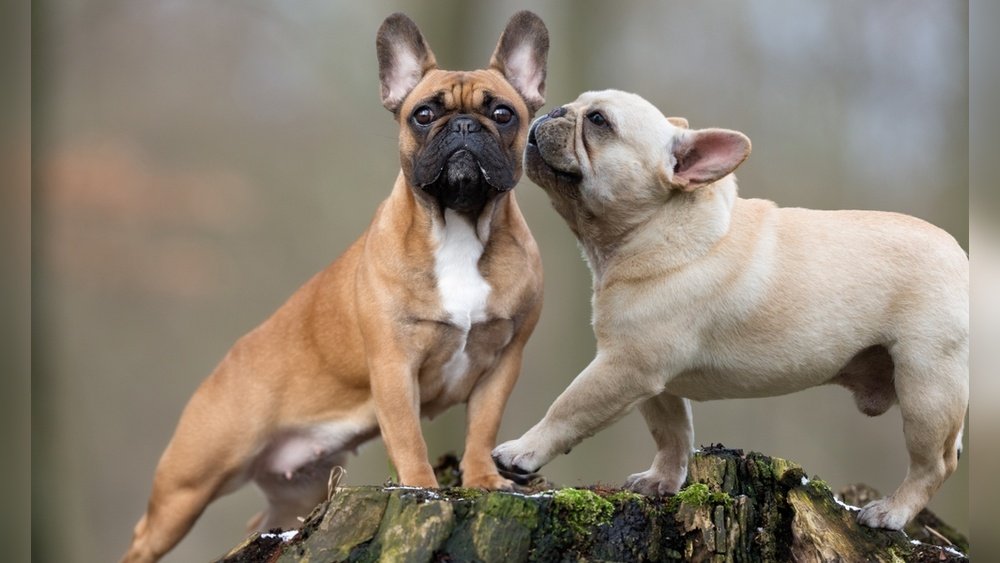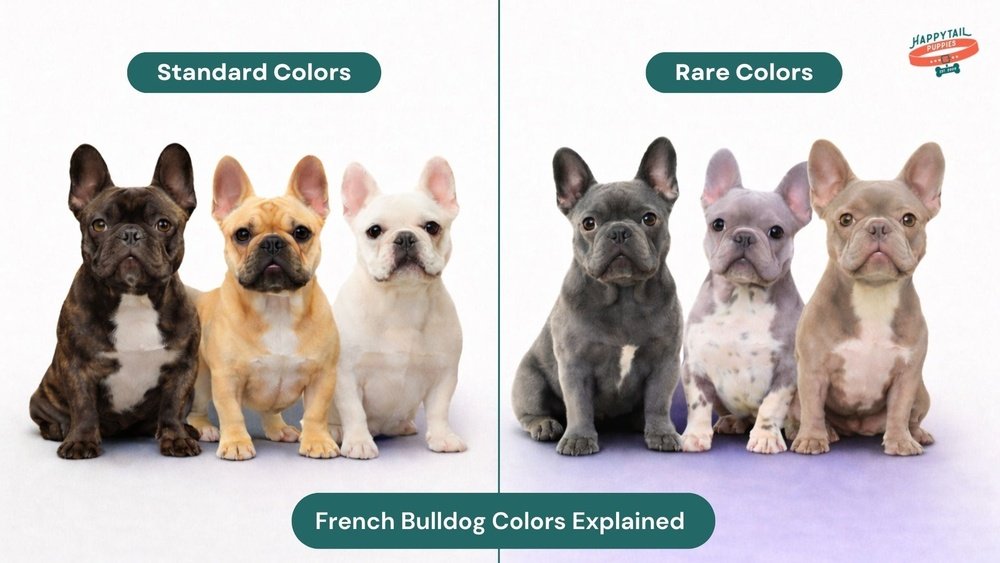
Bulldogs are famous for their wrinkled faces, charming personalities, and loyal nature. But those adorable skin folds that make them so unique can also bring special challenges. If you live with a bulldog, you probably know that their wrinkles need regular care. Without proper cleaning, these skin folds can become uncomfortable, irritated, or even infected. Unfortunately, many new bulldog owners underestimate how serious skin fold problems can become—sometimes with painful consequences for their pets.
This guide offers practical, clear advice on cleaning bulldog skin folds, recognizing signs of irritation and infection, and understanding why this care matters so much. Whether you have a playful English Bulldog, a sturdy Frenchie, or a sweet American Bulldog, you’ll learn how to keep your dog’s skin healthy, comfortable, and free from common problems.
Let’s explore what makes bulldog skin folds unique, how to care for them, and what to do if things go wrong.
Why Bulldogs Have Skin Folds
Bulldogs were bred with loose, wrinkled skin for a reason. Originally, these folds protected them in fights or while herding livestock, giving them an extra layer against bites. Over time, selective breeding made their wrinkles deeper. Today, bulldogs are loved mostly as companion animals, but their skin folds remain a key part of their look.
Unfortunately, these skin folds can trap dirt, moisture, and bacteria. The warm, dark spaces between wrinkles create a perfect environment for irritation and infection. Unlike breeds with flat or tight skin, bulldogs need extra hygiene to keep these areas clean and dry. This is especially true for their faces, tails, and sometimes even between their toes.
Understanding Bulldog Skin Fold Problems
The Science Behind The Folds
A bulldog’s skin is loose due to genetics. The folds are made of overlapping layers of skin. When moisture or debris gets trapped in these spaces, the skin can’t breathe. This creates a perfect place for bacteria and yeast to grow.
Bulldogs have less airflow between their folds, so even a little sweat, leftover food, or pollen can start a problem.
Common Areas Affected
- Facial folds: Around the nose and eyes
- Tail pocket: Under the tail, especially if the tail is screwed or curled
- Neck folds: Deep wrinkles around the throat
- Between the toes: Less common, but possible in some bulldogs
Each bulldog is different, so some dogs have more folds than others. Some have deep, tight wrinkles, while others have looser or fewer folds.
Why Cleaning Bulldog Skin Folds Is Essential
Many owners know they need to clean their bulldog’s folds, but they don’t realize how quickly problems can develop. In just a few days, trapped moisture or dirt can cause irritation, redness, or even a painful infection. These issues aren’t just cosmetic—they hurt your dog, can lead to vet bills, and may take a long time to heal.
Risks Of Poor Cleaning
- Bacterial infections: Caused by Staphylococcus or other bacteria
- Yeast infections: Often from Malassezia yeast, which loves warm, damp skin
- Skin fold dermatitis: Chronic inflammation, redness, and sometimes ulcers
- Foul odor: Infected folds often smell bad
- Chronic pain: Deep infections can be very uncomfortable for dogs
How Fast Problems Can Develop
Some bulldogs can develop skin fold irritation in as little as 24-48 hours if moisture is trapped in the folds. Infection can follow in a few days if the area isn’t cleaned and dried.
Non-obvious Insight: Allergies Matter
Many bulldog owners are surprised to learn that allergies—to food, pollen, or dust—can make skin fold problems worse. Allergies can cause extra itching and scratching, leading to open wounds in the folds. If your bulldog has frequent skin problems, talk to your vet about allergy testing.
How To Clean Bulldog Skin Folds: Step-by-step
Caring for bulldog wrinkles isn’t complicated, but it does require regular attention. Here’s a detailed cleaning routine you can follow at home.
What You’ll Need
- Soft, clean cloths or cotton pads
- Dog-safe skin fold wipes (unscented, hypoallergenic)
- Mild, vet-approved cleanser (chlorhexidine solution or similar)
- Dry, clean towel
- Optional: Cornstarch or a vet-approved drying powder
Step 1: Prepare Your Bulldog
Choose a calm time when your dog is relaxed. If your bulldog is wiggly, a treat or toy can help keep them still. Make sure your hands are clean before you start.
Step 2: Check The Folds
Gently lift and separate each fold. Look for redness, dirt, or moisture. Pay special attention to the deep wrinkles around the nose and under the tail.
Step 3: Clean The Area
Dampen a cloth or cotton pad with the vet-approved cleanser or use a pre-moistened wipe. Gently wipe between each fold, removing dirt, debris, and moisture. Never scrub hard—bulldog skin is sensitive and can break easily.
Step 4: Dry Thoroughly
After cleaning, use a dry towel or cloth to gently pat the area dry. This step is critical. Even a little leftover moisture can cause problems.
Step 5: Optional—use A Drying Powder
If your bulldog is prone to moisture in the folds, a small amount of cornstarch or vet-approved powder can help. Sprinkle a tiny bit between the folds and gently rub it in. Avoid using baby powder or any product with fragrance.
Step 6: Reward Your Dog
Give your bulldog a treat or praise. Positive reinforcement makes future cleanings easier.
How Often Should You Clean?
- Everyday: Most bulldogs need daily cleaning, especially in hot or humid weather.
- After baths or walks: Always check and dry folds after water activities or walks in the rain.
- Tail pocket: Some bulldogs need this area cleaned twice a day.
Non-obvious Insight: Use Separate Cloths
Use a separate cloth for each area (face, tail, etc.) to avoid spreading bacteria. Wash all towels and cloths after each use.
Bulldog Skin Fold Cleaning: Common Mistakes To Avoid
Even well-meaning owners sometimes make errors that lead to irritation or infection. Here’s what to watch out for:
- Using human wipes or harsh cleaners: These can sting or dry out bulldog skin. Only use products made for dogs.
- Forgetting to dry the folds: Leaving any moisture can quickly cause problems.
- Cleaning too aggressively: Scrubbing can break the skin and invite infection.
- Ignoring the tail pocket: Many owners forget this area, but it’s a hotspot for infection.
- Skipping regular checks: Problems can appear fast. Daily checks catch issues early.
Recognizing Signs Of Bulldog Skin Fold Irritation
Even with great care, bulldogs can still develop irritation. Early detection means faster treatment and less discomfort for your dog.
What To Look For
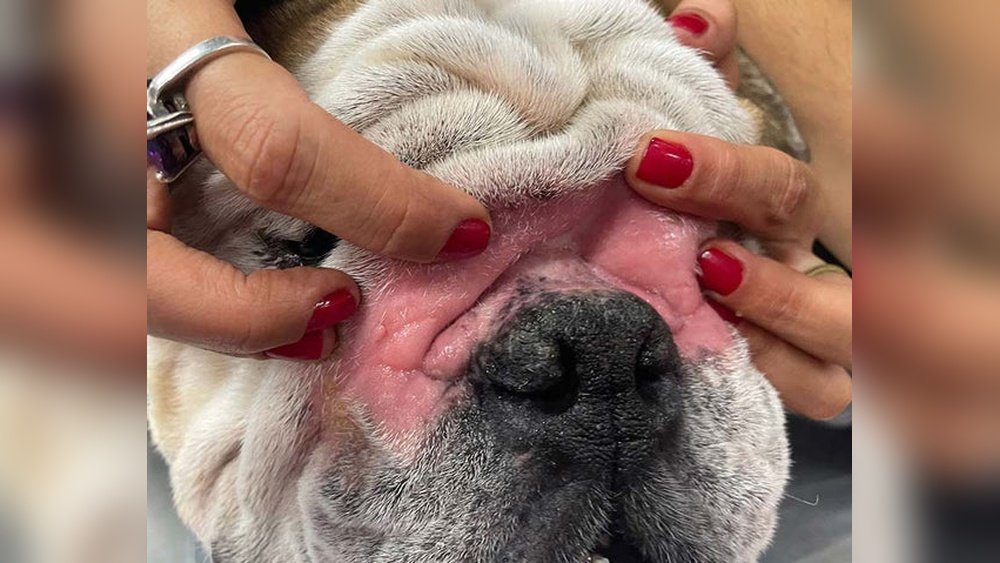
- Redness: Skin may look pink or bright red inside the folds
- Swelling: Wrinkles may appear puffy or enlarged
- Odor: A sour or musty smell is often a sign of infection
- Discharge: White, yellow, or green pus can appear in deep folds
- Crusting or scabs: Dry, flaky patches or scabs
- Excessive licking or scratching: Your bulldog may paw at their face or rear
- Pain: Your dog may flinch, whine, or resist cleaning
If you see any of these signs, it’s time to act quickly. Mild irritation can often be managed at home, but more severe cases need a vet’s help.
Example: How Fast An Infection Can Develop
Suppose your bulldog goes swimming and you forget to dry the facial folds. By the next day, you notice redness and a bad smell. This is the beginning of skin fold pyoderma—a bacterial infection. Without treatment, it can become a painful, deep infection within 2-3 days.

Credit: lavengel.com
Bulldog Skin Fold Infections: Types And Symptoms
When irritation is ignored, infection can develop. There are several types of skin fold infections in bulldogs:
1. Bacterial Infections
Usually caused by Staphylococcus bacteria, these infections create redness, swelling, pus, and pain. The area may ooze or bleed.
2. Yeast Infections
Yeast (especially Malassezia) loves warm, damp folds. Symptoms include greasy skin, a strong odor, and brownish discharge.
3. Mixed Infections
Sometimes, both bacteria and yeast are present. These are harder to treat and often need prescription medication.
4. Chronic Skin Fold Dermatitis
This is long-term inflammation. The skin becomes thick, dark, and scarred. Chronic cases can lead to ulcers and severe discomfort.
Comparing Types Of Skin Fold Problems
Here’s a quick comparison to help you identify what might be happening:
| Problem Type | Main Symptoms | Common Causes | Treatment |
|---|---|---|---|
| Irritation | Redness, mild swelling | Moisture, dirt, friction | Cleaning, drying, barrier creams |
| Bacterial Infection | Pus, odor, pain | Bacteria in wet folds | Vet-prescribed antibiotics |
| Yeast Infection | Greasy, smelly, brown discharge | Yeast overgrowth | Antifungal medication |
| Chronic Dermatitis | Thick, dark skin, ulcers | Repeated infections/irritation | Long-term vet care |
What To Do If You See Signs Of Infection
If you notice signs of infection, don’t wait. Infections can become serious quickly. Here’s what you should do:
- Stop home cleaning products and switch to plain saline if the skin is raw or bleeding.
- Contact your vet as soon as possible. Bring your dog for an exam.
- Follow your vet’s treatment plan. This may include antibiotics, antifungal creams, or medicated wipes.
- Don’t self-medicate. Human creams (like Neosporin) can be toxic to dogs.
Example: When To Go To The Vet
If your bulldog’s skin is bleeding, oozing pus, or your dog seems in pain, see a vet immediately. Waiting can lead to deep infections or even sepsis.
Preventing Bulldog Skin Fold Problems
Prevention is the best medicine. Bulldogs need a daily routine to keep their skin folds healthy. Here are proven tips to help:
1. Daily Cleaning Routine
Make cleaning a habit, not a chore. Dogs get used to routines and are less likely to resist if you’re consistent.
2. Healthy Diet
Feed a balanced diet with high-quality protein and omega fatty acids. Good nutrition strengthens the skin and immune system. Some bulldogs benefit from limited ingredient diets to reduce allergies.
3. Control Allergies
Work with your vet to manage environmental and food allergies. Less itching means fewer wounds in the folds.
4. Regular Grooming
Keep facial hair trimmed, especially around the eyes and nose. This reduces moisture and dirt.
5. Avoid Over-bathing
Too much bathing dries the skin. Bathe your bulldog only as needed, and always dry the folds completely afterward.
6. Monitor Weight
Overweight bulldogs have deeper, tighter folds. Keeping your dog at a healthy weight reduces fold depth and skin problems.
Daily, Weekly, And Occasional Care: At-a-glance
| Task | Frequency | Tips |
|---|---|---|
| Clean skin folds | Daily | Use dog-safe wipes, dry well |
| Check for irritation | Daily | Look for redness, odor, swelling |
| Trim facial hair | Weekly | Scissors or groomer |
| Bathe whole dog | Monthly or as needed | Dry all folds after |
| Vet check-up | Every 6-12 months | Discuss skin health |
Choosing The Right Products For Bulldog Skin Fold Care
Not all skin care products are safe for bulldogs. Here’s what to look for when choosing wipes, cleansers, or creams:
Safe Ingredients
- Chlorhexidine: Kills bacteria and yeast, gentle on skin
- Hypoallergenic, fragrance-free: Less chance of allergy or irritation
- Aloe or oatmeal: Soothes the skin (if your dog is not allergic)
Ingredients To Avoid
- Alcohol: Dries and stings the skin
- Fragrances or dyes: Can cause allergic reactions
- Human products: Not made for dog skin pH
Comparing Bulldog Skin Fold Products
Here’s a side-by-side look at three common bulldog skin fold care products:
| Product | Main Use | Pros | Cons |
|---|---|---|---|
| Chlorhexidine wipes | Daily cleaning | Antibacterial, easy to use | Can dry skin if overused |
| Hypoallergenic pads | Gentle cleaning | Safe for sensitive skin | Less effective on infection |
| Drying powder | Moisture control | Reduces wetness, easy to apply | May clump if overapplied |

Credit: lavengel.com
When Surgery Is Needed
In rare cases, bulldogs develop such deep or chronic infections that regular cleaning doesn’t help. If your bulldog has repeated infections in the same fold, your vet may suggest surgery to remove or reduce the fold. This is called a skin fold resection.
Surgery is a last resort, but it can greatly improve comfort and prevent further infections. Recovery usually takes a few weeks, with medication and special wound care. Most bulldogs recover well and have a better quality of life afterward.
Special Considerations For Different Bulldog Breeds
English Bulldogs
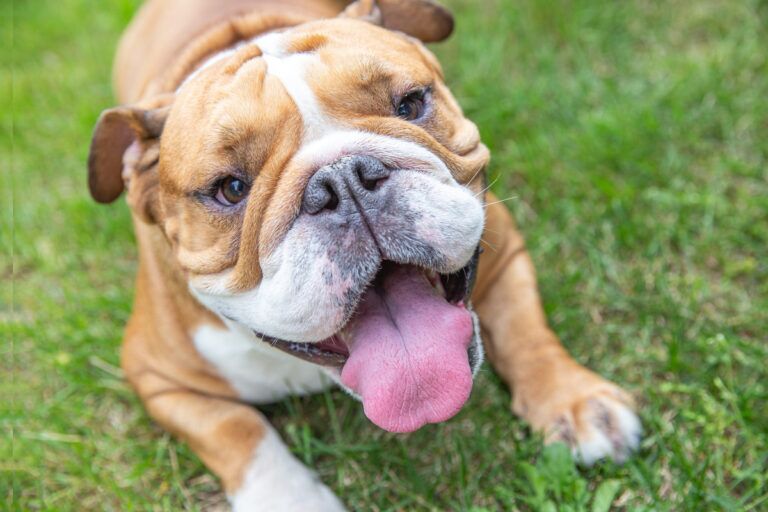
English Bulldogs are most famous for their deep facial folds and short, curled tails. They need extra attention around the nose rope (the thick fold above the nose) and the tail pocket. English Bulldogs are also prone to allergies, which can worsen skin problems.
French Bulldogs
Frenchies have fewer and shallower folds than their English cousins, but they can still develop problems, especially around the nose and tail. French Bulldogs tend to have sensitive skin, so gentle products are important.
American Bulldogs
American Bulldogs have looser, less dense wrinkles but can still develop fold issues, especially if overweight. Their tail pockets and neck folds are common trouble spots.
Olde English Bulldogges
This newer breed has fewer skin problems, but regular checks are still important, especially if the dog is overweight or has allergies.
Lifestyle Tips For Healthier Bulldog Skin Folds
- Keep your bulldog’s bed clean and dry. Wash bedding weekly to prevent bacteria buildup.
- Use stainless steel or ceramic bowls. Plastic bowls can trap bacteria and worsen skin fold infections.
- Limit time in water. Swimming is fun, but always dry folds afterward.
- Control fleas and ticks. Parasites can cause itching and broken skin in the folds.
- Exercise regularly. Fit bulldogs have shallower folds and fewer skin problems.
When To See A Veterinarian
While regular home care prevents most problems, some signs mean you need professional help:
- Deep wounds or bleeding in the folds
- A strong, foul odor that doesn’t go away with cleaning
- Yellow or green discharge
- Swelling that doesn’t improve in 2-3 days
- Your dog acts sick, won’t eat, or seems in pain
Your veterinarian may do a skin scraping, bacterial culture, or prescribe medication. In some cases, allergy testing or dietary changes are needed.
Supporting Your Bulldog’s Skin Health Year-round
Bulldog skin fold problems aren’t just a summer issue. Cold weather, dry air, or allergens can cause trouble all year. Adjust your care routine as needed:
- In summer, watch for sweat and heat rash in the folds.
- In winter, use a humidifier to prevent dry, cracked skin.
- During allergy season, wipe folds after walks to remove pollen.
Myths And Misunderstandings About Bulldog Skin Folds
Myth 1: “if It Looks Clean, It’s Fine.”
Not true. Problems often start deep in the fold before you can see them.
Myth 2: “you Don’t Need To Clean The Tail Pocket.”
The tail pocket is a hidden spot for moisture and bacteria. Always check it.
Myth 3: “human Baby Wipes Are Safe For Dogs.”
Most contain chemicals and fragrances that can irritate bulldog skin.
Myth 4: “only Old Or Overweight Bulldogs Get Skin Problems.”
Any bulldog can develop skin fold issues, even puppies or fit adults.
Credit: www.sacbroadwayvet.com
Real-life Example: How Care Prevents Big Problems
Consider Max, a three-year-old English Bulldog. His owner cleaned his face folds every few days, but not daily. One summer, Max developed redness and a sour odor in his nose rope. Within a week, the area became swollen and painful. The vet diagnosed a bacterial infection and prescribed antibiotics, but Max had to wear a cone and missed out on playtime. After that, his owner switched to daily cleaning and Max’s skin stayed healthy—even in hot weather.
Additional Resources For Bulldog Owners
Learning doesn’t stop here. For more in-depth information, the American Kennel Club offers a helpful guide on bulldog care: AKC Bulldog Health and Care.
Frequently Asked Questions
How Often Should I Clean My Bulldog’s Skin Folds?
It’s best to clean bulldog skin folds every day. If your dog is very active, lives in a humid area, or gets dirty often, you may need to clean twice daily. Always check folds after swimming, walks, or baths.
What Should I Do If My Bulldog’s Skin Folds Smell Bad?
A bad odor often means bacteria or yeast are present. First, clean and dry the area thoroughly. If the smell returns, or you see redness or discharge, contact your vet. Don’t use perfume or human wipes to cover the smell.
Can I Use Coconut Oil Or Human Creams In Bulldog Wrinkles?
It’s best to avoid coconut oil or human creams unless your vet recommends them. These can trap moisture or cause allergies. Use only vet-approved products designed for dog skin folds.
How Do I Clean My Bulldog’s Tail Pocket?
Lift the tail gently and use a dog-safe wipe or damp cloth to clean inside the pocket. Dry the area well. Some tail pockets are deep—be gentle and check for redness or swelling. If your dog resists, ask your vet for advice.
Are Skin Fold Infections Dangerous For Bulldogs?
Yes, skin fold infections can be serious. Left untreated, they can cause pain, abscesses, or even systemic illness. Early cleaning and prompt vet care prevent most complications.
Bulldog skin folds need daily attention, but your effort keeps your dog comfortable and healthy. By learning what to watch for, cleaning properly, and acting fast when problems appear, you can help your bulldog enjoy a happy, itch-free life.
We’re the dedicated team behind MyPawSafe.com, with over a decade of combined experience in veterinary care, pet emergency response, and animal behavior. While we prefer to let our work speak for itself, our mission is clear: to provide science-backed, vet-approved advice that helps pet owners prevent accidents and save lives.