German Shepherd Coat Types: Single, Double, Plush, And Long Coat
German Shepherds are one of the world’s most popular and recognizable dog breeds. Their intelligence, loyalty, and versatility have made them favorites as family pets, working dogs, and service animals. Yet, one aspect that often surprises new owners is how much variety exists in their coat types. From the classic double coat to the rare long coat, each type affects not just how a German Shepherd looks but also its care, grooming needs, and suitability for different lifestyles. Understanding these differences is essential for anyone considering this breed.
This guide will walk you through the main German Shepherd coat types—single, double, plush, and long coat—explaining their unique features, pros and cons, and what you need to know to care for each. Along the way, you’ll learn practical tips, discover common mistakes, and see how coat type can influence everything from shedding to health. Whether you’re a first-time owner or a lifelong fan, this complete overview will help you make the best decisions for your German Shepherd.
The History Behind German Shepherd Coats
To understand why German Shepherds have different coat types, it helps to look at their origins. The breed was first developed in Germany in the late 1800s by Captain Max von Stephanitz. His goal was to create the ideal working dog—smart, agile, and able to handle tough weather.
The breed’s coat was critical to this mission. In Germany, shepherds needed dogs that could work in snow, rain, or sun. This led to the selection of dogs with weather-resistant double coats. Over time, as German Shepherds spread worldwide, different coat varieties appeared due to genetics, climate adaptation, and selective breeding.
Today, the American Kennel Club (AKC) and other breed registries recognize certain coat types for the show ring, while others are more common among working lines or as pets. Understanding where your dog’s coat fits in this history can help you appreciate its unique needs.
Overview Of German Shepherd Coat Types
Before diving into the details of each coat, it’s helpful to see how they compare. The table below highlights the main types you’ll encounter.
| Coat Type | Length | Texture | Undercoat | AKC Standard |
|---|---|---|---|---|
| Single Coat | Short/Medium | Straight/Harsh | No | Not Preferred |
| Double Coat | Medium | Straight/Dense | Yes | Accepted |
| Plush Coat | Medium/Long | Thicker/Softer | Yes | Show Disqualified |
| Long Coat | Long | Flowing/Soft | Sometimes | Show Disqualified |
Now, let’s explore each type in detail.
Credit: www.centralcoastgermanshepherds.com
Single Coat German Shepherds
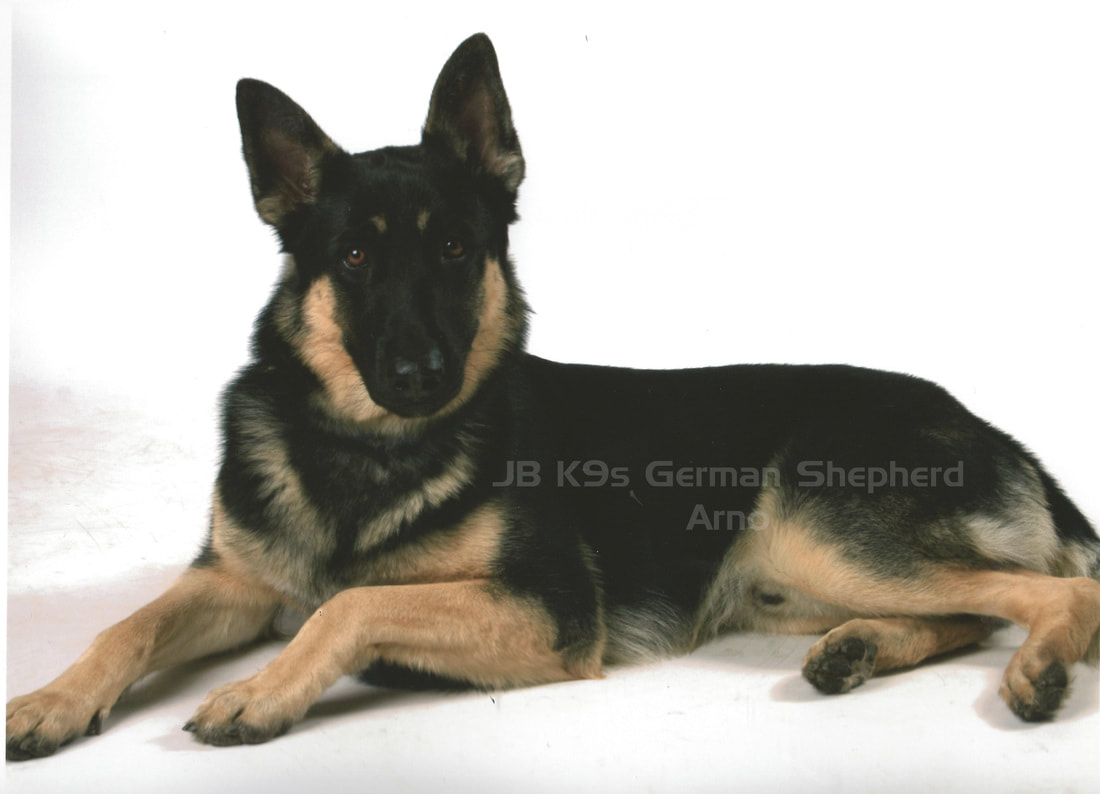
A single coat means the dog has one layer of fur, usually short to medium in length. This is less common in German Shepherds but does occur, especially in lines bred for warmer climates.
Features
- No undercoat: Lacks the dense, soft underlayer typical in most Shepherds.
- Short, straight hair: Easier to maintain and less likely to mat.
- Less shedding: Sheds less than double coats, especially in spring and fall.
Pros And Cons
Advantages:
- Lower grooming needs.
- More comfortable in hot climates.
- Less fur in the house.
Disadvantages:
- Less weather protection. Not ideal for cold or wet environments.
- Not accepted in AKC shows as it’s not part of the breed standard.
Care Tips
While grooming is easier, don’t skip regular brushing. Single-coated German Shepherds can still develop dry skin if not cared for. Use a soft brush weekly to remove loose hair and distribute natural oils.
Non-obvious insight: Single-coated Shepherds may be more prone to sunburn, especially on thinner areas like the nose and ears. If your dog spends much time outdoors, consider pet-safe sunscreen.
Double Coat German Shepherds
The double coat is the classic look most people associate with German Shepherds. It consists of a short, dense undercoat and a harsher, medium-length topcoat.
Features
- Two layers: Soft, insulating undercoat and protective outer coat.
- Medium length: Hair is usually 1-2 inches long.
- Seasonal shedding: Heavy “blowouts” in spring and fall.
Why The Double Coat Matters
The double coat is designed for weather resistance. The undercoat traps warm air in winter and cool air in summer, while the topcoat repels water and dirt. This makes double-coated Shepherds highly adaptable to varying climates.
Grooming Needs
- Brushing: 2-3 times a week minimum, daily during shedding season.
- Bathing: Once every 6-8 weeks, or as needed.
- Tools: Slicker brushes, undercoat rakes, and de-shedding tools are helpful.
Shedding And Health
German Shepherds with double coats are famous for shedding—sometimes jokingly called “German Shedders. ” You’ll need to manage hair around the house, but regular grooming can keep it under control.
Non-obvious insight: Overbathing can strip the double coat of natural oils, making the undercoat less effective. Always use a gentle, dog-specific shampoo.
Plush Coat German Shepherds
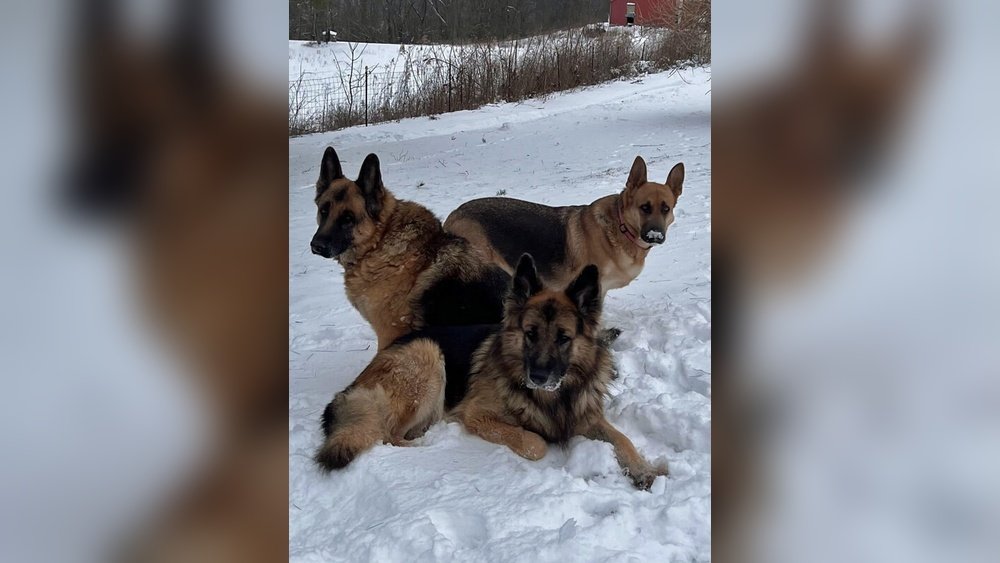
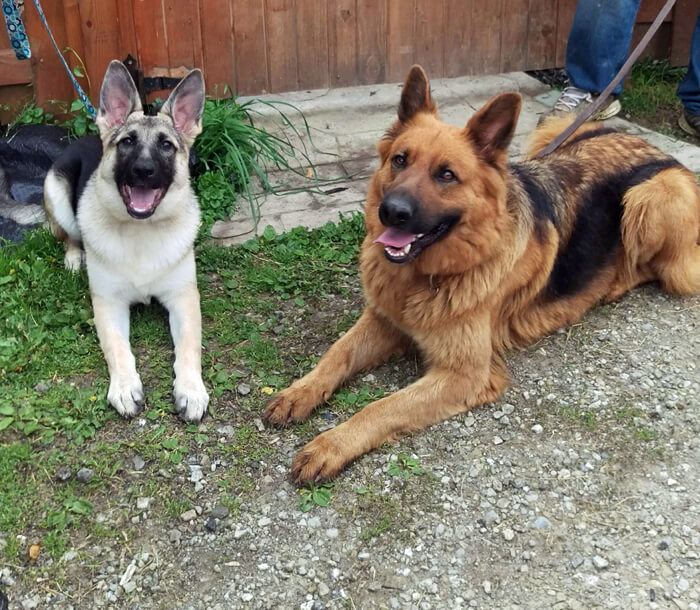
The plush coat is a longer, thicker version of the double coat. It’s not recognized in the AKC standard, but many people love the luxurious look and feel.
Features
- Medium to long length: Hair is fuller and stands out from the body.
- Extra dense undercoat: Creates a “stuffed animal” appearance.
- Soft texture: Feels silkier than standard coats.
The Confusion With Double And Long Coats
Plush coats are sometimes confused with long coats, but they have a clear difference: plush coats still have a full undercoat, while long coats may not. This gives plush Shepherds both the protection and the beauty of extra fur.
Care And Maintenance
- Daily brushing is recommended to prevent mats.
- Check behind ears, elbows, and tail: These areas mat quickly.
- More frequent trimming: Not for style, but to keep hair neat and healthy.
Show And Breeding Considerations
Plush coats are disqualified in AKC shows, but they’re popular in pet homes. Some breeders focus on plush lines for families who want a softer, more huggable Shepherd.
Special Considerations
The plush coat can trap more dirt and debris, so regular inspection is important, especially if your dog spends time outdoors.
Non-obvious insight: Plush-coated Shepherds are more likely to overheat in hot, humid climates. Always provide shade and water, and avoid strenuous activity during the hottest parts of the day.
Long Coat German Shepherds
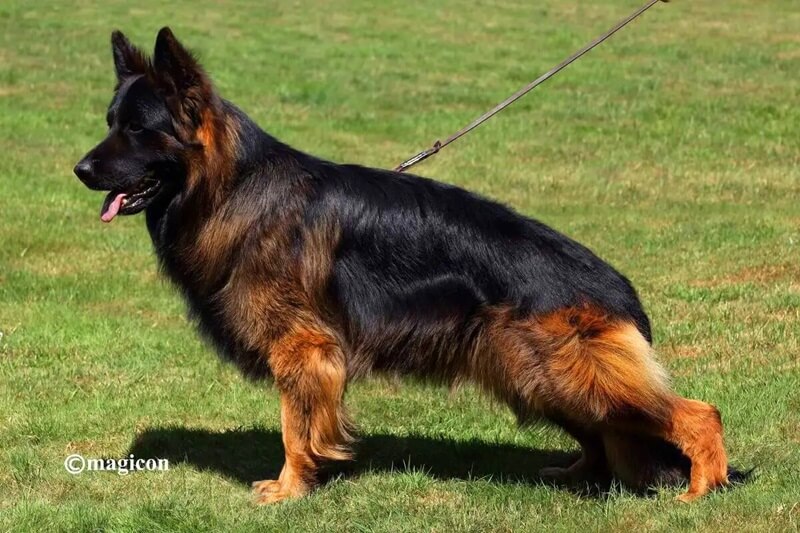
The long coat is the rarest and often the most striking. These dogs have flowing hair, feathering on the ears, legs, and tail, and sometimes lack a significant undercoat.
Features
- Long, soft hair: Can be 2+ inches, waving or feathered.
- Feathering: Noticeable on ears, legs, belly, and tail.
- Variable undercoat: Some have a thin undercoat, some none at all.
Genetic Background
Long coats are caused by a recessive gene. Even two standard-coated parents can produce a long-haired puppy if both carry the gene. This type was once considered a “fault,” but now many people seek them out for their beauty.
Grooming And Care
- Daily brushing is a must.
- Matting risk: High, especially in the “fringes” and behind the ears.
- Bathing: Every 6-8 weeks, but check for tangles after outdoor play.
Weather Tolerance
Long-coated Shepherds without an undercoat are less protected from cold and water. They may need a doggy sweater in winter or to avoid extended time outside in rain and snow.
Show And Working Suitability
The AKC and FCI do not allow long-coated Shepherds in conformation shows. However, they can excel in obedience, agility, or as therapy dogs. Some working lines in Europe value the long coat for its unique look.
Non-obvious insight: Long coats, especially those without an undercoat, are more likely to pick up burrs, twigs, and even insects. Always check your dog after hikes or outdoor play.
Comparing Coat Types: What You Need To Know
Choosing a German Shepherd is about more than looks. The coat type can affect care, health, and even your lifestyle. Here’s a side-by-side comparison of the four main types to help you decide what fits best.
| Feature | Single Coat | Double Coat | Plush Coat | Long Coat |
|---|---|---|---|---|
| Shedding Level | Low | High | High | Medium-High |
| Grooming Needs | Low | Medium | High | Very High |
| Weather Protection | Poor | Excellent | Good | Variable |
| Show Eligibility (AKC) | No | Yes | No | No |
| Heat Tolerance | Better | Average | Poor | Poor |
| Popularity | Rare | Very Common | Common | Rare |
Shedding: What To Expect
All German Shepherds shed, but the amount and timing depend on the coat type.
Shedding Cycles
- Single coat: Light, consistent shedding year-round.
- Double coat: Massive seasonal shedding (twice a year).
- Plush coat: Heavy, with mats if not brushed.
- Long coat: Less undercoat means lighter, but still steady, shedding.
If you dislike dog hair, a single-coated Shepherd may be best, but remember, no German Shepherd is completely “low shed. ”
Managing Shedding
- Daily brushing during peak shedding seasons.
- Use a de-shedding tool for double and plush coats.
- Bathe only as needed—overbathing increases shedding.
- Vacuum regularly and use washable covers for furniture.
Practical tip: Feed a high-quality diet rich in omega-3 fatty acids. This helps keep the coat shiny and reduces excessive shedding.
Grooming: Tools And Techniques
Proper grooming keeps your German Shepherd healthy and comfortable. The right approach depends on the coat type.
Essential Tools
- Slicker brush: Good for all coat types.
- Undercoat rake: Essential for double and plush coats.
- Pin brush: Helpful for long coats.
- De-matting comb: Needed for plush and long coats.
- Shears: For careful trimming (never shave).
Grooming Routine By Coat Type
- Single coat: Weekly brushing.
- Double coat: 2-3 times weekly, daily during shedding.
- Plush coat: Daily brushing, check for mats.
- Long coat: Daily brushing, focus on feathered areas.
Common mistake: Shaving a German Shepherd, even in hot weather. The coat protects against sunburn and heatstroke. Only shave if recommended by a vet for medical reasons.
Coat Type And Health
Coat type can impact your dog’s health in subtle ways.
Skin Problems
Dogs with long or plush coats are more prone to hot spots, fungal infections, and matting-related skin problems. Regular grooming and inspection prevent these issues.
Parasite Risks
Dense coats can hide ticks, fleas, or burrs. Check your dog after time outdoors, especially if the coat is thick or long.
Allergies
Some owners notice more dander with heavy-coated Shepherds. While no Shepherd is hypoallergenic, frequent brushing and bathing can help.
Heat Stress
Plush and long coats trap heat. In hot climates, walk your dog early or late in the day, and always provide shade and water.
Non-obvious insight: Shepherds with sparse undercoats may get cold indoors if air conditioning is set low. Provide a soft blanket or bed.
Coat Color Vs. Coat Type
Many people confuse coat color with coat type. German Shepherds can have many colors—black and tan, sable, solid black, white, even blue or liver—but this has nothing to do with how long or thick their fur is.
A plush-coated dog can be black and tan or sable; a long-coated Shepherd can be solid black or white. Focus on coat type for grooming and care, not color.
Coat Type And Activity Level
Some owners wonder if coat type affects energy or temperament. The answer is generally no—coat type is independent of personality. However, certain lines bred for work (police, military) may have more standard double coats, while “pet” lines may have more plush or long coats.
If you want a running companion or working dog, focus more on the breeder’s reputation and health testing than coat type.
Credit: www.mittelwest.com
How To Choose The Right Coat Type For You
Picking a German Shepherd is a big decision. Think about your lifestyle, home, and personal preferences.
Key Questions To Ask
- How much time can you devote to grooming?
- Little time: Choose single or standard double coat.
- Enjoy grooming: Plush or long coat could be rewarding.
- Do you have allergies or dislike hair on furniture?
- Single coats shed less, but all Shepherds shed.
- Will your dog live in hot or cold climate?
- Double coats thrive in varied weather.
- Plush/long coats can struggle in heat; single coats in cold.
- Are you interested in showing your dog?
- Only double coats meet AKC show standards.
- Is your dog mostly a companion or a working dog?
- Coat type matters less for activity; focus on health and temperament.
Common Buyer Mistakes
- Choosing based on looks alone.
- Believing myths (e.g., long coats are hypoallergenic—they’re not).
- Not researching breeder practices (some breed for “rare” coats without health testing).
- Underestimating grooming needs, especially with plush and long coats.
Practical advice: Meet dogs with different coat types before deciding. Talk to breeders and rescue groups, and ask about grooming and health.
Coat Types And The Akc Breed Standard
The American Kennel Club has strict rules for German Shepherds in the show ring. Only the standard double coat is accepted. Plush and long coats are considered faults and are not eligible for conformation classes. However, these dogs can still compete in obedience, agility, and other sports.
Outside the show world, plush and long coats are popular as pets and companions. If you’re not interested in showing, don’t let the AKC standard keep you from picking the coat you love.
For more on breed standards, see the AKC German Shepherd breed page.
Mythbusting: Common Misunderstandings
German Shepherd coats inspire plenty of myths. Let’s clear up a few:
- Myth: Long-haired Shepherds are a separate breed.
- Fact: They’re the same breed, just a different coat gene.
- Myth: Shaving helps in summer.
- Fact: It removes natural sun and heat protection.
- Myth: Coat type affects intelligence.
- Fact: There’s no link between coat and smarts.
Real-world Examples
- Bailey, a plush coat: Bailey’s owner spends 15 minutes a day brushing and uses a de-matting spray. Bailey stays indoors during summer afternoons but plays outside in the morning.
- Max, a double coat: Max sheds heavily in spring. His owner vacuums daily and uses an undercoat rake twice a week.
- Luna, a long coat: Luna’s family trims her “feathers” to keep them tidy. They check for ticks after every hike and avoid muddy fields to reduce mats.
These examples show that with the right care, any German Shepherd can thrive, no matter the coat.
Credit: vonshap.com
Frequently Asked Questions
What Is The Rarest Coat Type In German Shepherds?
The long coat is the rarest. It occurs when both parents carry the recessive gene for long hair. While once considered undesirable, long-coated Shepherds have become more popular as pets.
Do Plush Or Long Coat German Shepherds Shed More?
Both plush and long coats shed heavily, but plush coats often mat more due to their thickness. Long coats can appear to shed less if they lack an undercoat, but their fur tangles easily.
Can I Shave My German Shepherd In Summer?
No, you should not shave your German Shepherd except for medical reasons. The double coat protects against sunburn and overheating. Instead, brush regularly and provide shade and water.
Are Coat Types Linked To Health Problems?
Not directly, but plush and long coats are more prone to matting, which can cause skin infections. Single coats may offer less protection in cold or wet weather, leading to chills.
Which Coat Type Is Best For Families?
The double coat is the most versatile and requires moderate care. Plush and long coats are great for families who enjoy grooming. Single coats are low maintenance but less common.
Final Thoughts
Choosing a German Shepherd is about more than just picking a color or coat type. Each coat brings its own beauty, challenges, and rewards. Whether you love the classic double coat, the teddy bear plush, the elegant long coat, or the sleek single coat, your dog’s happiness and health depend on the care you provide. Remember to match your lifestyle to your Shepherd’s needs, invest in the right grooming tools, and enjoy the companionship of one of the world’s most remarkable breeds. With knowledge and preparation, you’ll have a loyal friend for life—no matter which coat type you choose.

We’re the dedicated team behind MyPawSafe.com, with over a decade of combined experience in veterinary care, pet emergency response, and animal behavior. While we prefer to let our work speak for itself, our mission is clear: to provide science-backed, vet-approved advice that helps pet owners prevent accidents and save lives.