The German Shepherd Husky mix, often called the Shepsky, is a striking hybrid that continues to captivate dog lovers around the world. When fully grown, these dogs combine the intelligence and loyalty of the German Shepherd with the energy and beauty of the Siberian Husky. But owning a Shepsky is not just about looks. Understanding their adult size, personality, training needs, health, and lifestyle requirements is essential for any potential owner. In this guide, you’ll discover what to expect from a Shepsky as they reach maturity, learn practical advice for raising them, and get expert insights that are often missed by beginners.
Shepsky Origins: Understanding The Hybrid
The Shepsky is a designer dog created by crossing a German Shepherd and a Siberian Husky. Both parent breeds have impressive histories—German Shepherds are famous for their roles in police and military work, while Huskies are renowned sled dogs from cold climates.
German Shepherds were developed in Germany in the late 19th century, selected for their intelligence, work ethic, and loyalty. They are often used in police forces, military units, and as search-and-rescue dogs because of their trainability and courage. On the other hand, Siberian Huskies originated with the Chukchi people of Siberia, bred to pull sleds over long distances in harsh conditions.
Their endurance, friendly temperament, and playful spirit are legendary.
Shepskies are not recognized as a pure breed by major kennel clubs, but they are popular in the United States, Canada, and Europe. The combination is intentional, aiming to produce a dog with the Shepherd’s trainability and the Husky’s endurance. The results can vary, and not every Shepsky will look or act the same. Their genetics are unpredictable, making each dog unique. For example, some litters can have puppies that look almost entirely like one parent, while others are a perfect mix.
A less obvious aspect is that first-generation Shepskies (with purebred parents) may differ quite a lot from second- or third-generation mixes. The further you go from the original cross, the more unpredictable the traits become.
Shepsky Appearance: What Does A Full Grown Shepsky Look Like?
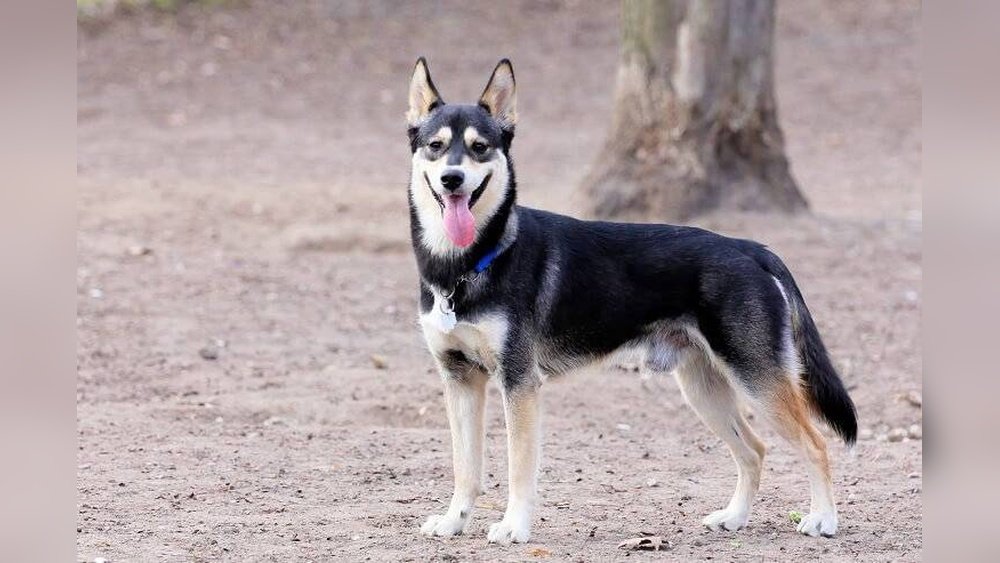
Adult Shepskies are often mistaken for wolves due to their striking features. Their appearance depends on which parent’s genes are dominant.
Size And Weight
A full grown Shepsky is a medium to large dog. Most Shepskies stand between 20–25 inches tall at the shoulder and weigh 50–80 pounds. Males are usually larger than females, but the difference is not huge.
Here’s a direct comparison:
| Breed | Height (inches) | Weight (pounds) |
|---|---|---|
| German Shepherd | 22–26 | 50–90 |
| Siberian Husky | 20–23.5 | 35–60 |
| Shepsky (Full Grown) | 20–25 | 50–80 |
It’s important to note that while most Shepskies fit these ranges, there are always exceptions. Diet, genetics, and exercise during puppyhood can all influence final size. Some Shepskies may even exceed 80 pounds if they inherit more from their German Shepherd parent.
Coat And Color
Shepskies have a double coat—thick and insulating. The fur can be straight or slightly wavy. Common colors include:
- Black and tan (like German Shepherds)
- Gray and white (like Huskies)
- Mixed patterns (unique to each dog)
The undercoat is soft and dense, while the topcoat is coarser, helping them tolerate both cold and heat better than some other breeds. The variety of color combinations is one reason Shepskies are so visually appealing. Some may have a mask pattern on their face, while others display a saddle pattern on their back.
Some Shepskies have blue or heterochromatic eyes (two different colors), a trait inherited from the Husky. Others have brown eyes, typical of Shepherds. It’s not unusual for a Shepsky to have one blue and one brown eye, which is a real conversation starter at the dog park.
Ears And Tail
Most Shepskies have pointed, upright ears. Their tails are usually bushy and curved, resembling the Husky’s tail. Occasionally, they inherit the Shepherd’s straighter tail.
The ears may start out floppy as puppies and gradually become more erect as the cartilage develops. The tail is not only expressive but also helps the dog balance, especially when running or making quick turns.
Non-obvious Insight
A Shepsky’s appearance can change dramatically during their first two years. Puppies might have floppy ears or lighter coats, but these traits often shift as they mature. For example, some puppies develop a darker coat as they age, and their eyes can change color in the first few months.
Owners sometimes worry about floppy ears, but patience pays off—many Shepskies’ ears will stand up by 7–12 months of age.
Shepsky Temperament: Personality Traits In Adulthood
Shepskies are known for their lively personalities. When fully grown, they display a mix of traits from both parent breeds.
- Intelligent and quick learners: Shepskies excel at problem-solving.
- Energetic and playful: They need daily exercise and mental stimulation.
- Loyal and protective: Like Shepherds, they bond closely with their families.
- Independent streak: Huskies are known for being stubborn, and Shepskies can inherit this trait.
Many Shepskies form strong attachments and show a desire to please, which helps in training. However, the Husky’s mischievousness can lead to some creative attempts at escaping the yard or getting extra treats.
Behavior With Families
Shepskies are usually good with children and other pets if they are socialized early. However, their size and energy can overwhelm smaller children, so supervision is important.
They thrive in active families who include them in daily life. Shepskies often become “shadows,” following their favorite people from room to room. Some owners even report their Shepsky acting as a gentle “protector” for children, always staying nearby during playtime.
Socialization
Adult Shepskies can be wary of strangers. Early exposure to different people, places, and animals helps reduce fearfulness and aggression.
Take your Shepsky for walks in various environments—parks, city streets, and pet-friendly stores. Invite friends over and let your dog meet new people in a positive way. This kind of exposure helps prevent nervousness and barking at guests later.
Non-obvious Insight
Shepskies often have a “talkative” nature. They may howl or “talk” like Huskies, especially when excited or bored. This vocalization isn’t typically aggressive—more a way of communicating their needs or sharing their moods with you. For apartment dwellers, this can be a consideration, as neighbors may not appreciate a chatty dog.
Growth Timeline: When Does A Shepsky Reach Full Size?
Understanding the Shepsky’s growth stages helps owners provide proper care.
Puppyhood (0–6 Months)
- Rapid growth phase
- Weight doubles every few weeks
- Ears may be floppy
During these early months, nutrition is critical. Puppies need quality puppy food to support bone and muscle growth. Avoid over-exercising young pups, as their joints are still developing.
Adolescence (6–18 Months)
- Growth slows down
- Muscles and bones strengthen
- Adult coat starts to develop
This is a time for teething, testing boundaries, and sometimes awkward “teenager” proportions. Adolescence is also when some behavioral challenges, like chewing and stubbornness, can increase. Consistent training helps manage these phases.
Full Grown (18–24 Months)
- Height and weight stabilize
- Personality traits become clearer
- May still fill out in muscle
Some Shepskies remain gangly until about two years old, then suddenly bulk up. Their temperament becomes more predictable, and habits (good or bad) are more established.
Here’s a typical growth timeline:
| Age | Height Range (inches) | Weight Range (pounds) |
|---|---|---|
| 6 Months | 15–18 | 30–45 |
| 12 Months | 18–22 | 40–65 |
| 18–24 Months | 20–25 | 50–80 |
Practical Tip
Do not judge your Shepsky’s adult size too early. Some dogs have growth spurts late, especially males. If your Shepsky appears a bit smaller than expected at one year, don’t worry—many continue to fill out until 2. 5 years.
Shepsky Training: Raising A Well-behaved Adult
Training a Shepsky requires patience and consistency. Their intelligence is a major advantage, but their stubbornness can create challenges.
Basic Obedience
Start with simple commands: sit, stay, come. Use positive reinforcement—treats, praise, and play.
Short, frequent sessions work better than long, repetitive ones. Shepskies get bored easily if you repeat the same drill over and over.
Advanced Training
Shepskies love learning tricks and tasks. They excel in agility, search-and-rescue, and even scent detection.
Consider enrolling in dog sports or obedience classes. Advanced training not only stimulates their mind but also deepens the bond between you and your Shepsky.
Socialization
Expose your Shepsky to:
- Other dogs
- Different environments
- Noisy places
This builds confidence and reduces unwanted behaviors. Socialization isn’t just about meeting other dogs—exposure to children, bicycles, or even vacuum cleaners can help your Shepsky stay calm in new situations.
Common Training Mistakes
- Inconsistent routines: Changing rules confuses your Shepsky.
- Harsh discipline: These dogs respond better to rewards than punishment.
- Neglecting mental exercise: Physical activity is not enough; puzzles and games are essential.
Non-obvious Insight
A Shepsky’s memory is sharp, but they may ignore commands if bored. Mix up training with new games to keep them engaged. For example, try scent games or obstacle courses to keep their mind active.
Exercise And Activity Requirements
A full grown Shepsky is not a couch potato. They need plenty of physical and mental activity.
Daily Exercise Needs
Aim for 60–90 minutes of exercise every day. This can include:
- Long walks
- Running or hiking
- Fetch and tug games
- Agility courses
These activities not only burn energy but also improve your Shepsky’s behavior at home. A tired Shepsky is a happy Shepsky.
Mental Stimulation
Shepskies thrive on challenges. Use puzzle toys, hide treats, or teach new tricks regularly.
Interactive toys that dispense food or require the dog to solve a problem are excellent. Rotate toys to keep things fresh, as Shepskies can lose interest in the same puzzles.
Shepsky Vs. Other Breeds: Energy Levels
| Breed | Exercise Need (minutes/day) | Activity Level |
|---|---|---|
| German Shepherd | 60–90 | High |
| Siberian Husky | 60–120 | Very High |
| Shepsky | 60–90 | High |
Practical Advisor Tip
If you have a busy schedule, consider dog walkers or daycare. Shepskies become destructive when bored. Chewed furniture or holes in the yard are common complaints from owners who underestimate their dog’s energy.

Credit: www.youtube.com
Shepsky Diet: Feeding A Full Grown Shepsky
A Shepsky’s diet affects their health, energy, and coat quality. Their needs change as they grow.
Adult Food Requirements
- Protein: Essential for muscle
- Fat: Keeps their coat shiny
- Carbohydrates: For energy
A typical adult Shepsky eats 2.5–3.5 cups of dry food per day, split into two meals.
The exact amount depends on age, activity level, and metabolism. Active Shepskies may need more calories, especially if they participate in sports or long hikes.
Recommended Food Types
- High-quality kibble with meat as the first ingredient
- Occasional wet food for variety
- Raw diets, if approved by your vet
Look for dog foods that list real meat, like chicken or salmon, as the first ingredient. Avoid foods with lots of fillers, artificial colors, or preservatives.
Foods To Avoid
- Corn, soy, and fillers
- Excessive treats
- Human food (especially chocolate, onions, grapes)
Some Shepskies are sensitive to grains, so grain-free options might be better for those with allergies. Always introduce new foods gradually to avoid stomach upset.
Non-obvious Insight
Shepskies can be prone to food allergies, especially grain-based products. If you notice itching or digestive issues, consult your vet. Also, watch for signs of bloat—never feed a large meal right before or after vigorous exercise, as deep-chested breeds can be at risk.
Health And Lifespan: What To Expect From A Full Grown Shepsky
Shepskies are generally healthy, but they can inherit conditions from both parent breeds. Proper care increases their lifespan.
Common Health Issues
- Hip dysplasia: Common in large breeds
- Eye problems: Huskies can pass down cataracts
- Allergies: Skin and food allergies are possible
- Degenerative myelopathy: Rare but possible in Shepherds
Regular checkups help catch issues early. Some Shepskies may develop joint stiffness as they age, so joint supplements may be useful—ask your vet for recommendations.
Lifespan
The average Shepsky lives 10–14 years. Good nutrition, regular exercise, and vet checkups help them reach their potential.
With attentive care, some Shepskies even live beyond 14 years, though this is less common. Keeping your dog at a healthy weight and managing their activity levels supports longevity.
Preventive Care
- Annual vet exams
- Vaccinations
- Dental care
- Flea and tick prevention
Teeth brushing and regular dental checkups are often overlooked but can prevent painful tooth and gum issues. Early detection of problems allows for better treatment and a happier life for your Shepsky.
Practical Advisor Tip
Ask breeders about the health history of both parents. Responsible breeding reduces the risk of inherited diseases. A good breeder will provide health certificates for hips, eyes, and other common issues.
Grooming And Maintenance
Shepskies shed a lot. Their double coat needs regular attention.
Brushing
- Brush 2–3 times per week
- During shedding season (spring and fall), daily brushing helps
Brushing removes dead hair, reduces mats, and spreads natural oils. Use an undercoat rake or slicker brush for best results.
Bathing
- Bathe every 2–3 months
- Use dog-friendly shampoo
Frequent baths aren’t necessary unless your Shepsky rolls in mud or something smelly. Over-bathing can dry out their skin.
Nail And Ear Care
- Trim nails monthly
- Clean ears weekly to prevent infections
Check for redness, odor, or discharge in the ears—these can be signs of infection.
Coat Health
A healthy coat is shiny and thick. If your Shepsky’s fur looks dull, review their diet or consult your vet. Poor coat condition can signal nutritional deficiencies or allergies.
Non-obvious Insight
Over-bathing can strip essential oils from their coat. Stick to recommended schedules. During heavy shedding, a bath can help loosen dead hair, but always brush thoroughly before and after bathing.
Living With A Full Grown Shepsky: Environment And Lifestyle
Shepskies adapt well to many environments, but some conditions suit them better.
Ideal Living Spaces
- Large fenced yards
- Active households
- Access to parks or trails
Shepskies can live in apartments if they get enough daily exercise. Without space and activity, they may develop unwanted behaviors like chewing or digging.
Family Life
Shepskies become deeply attached to their owners. They may suffer from separation anxiety if left alone too long.
Try leaving toys or puzzle feeders when you’re away. Gradually increase alone time to help them adjust to your absence.
Compatibility
Shepskies do well with other dogs if socialized early. They can chase cats or smaller animals due to their Husky prey drive.
If you have cats or small pets, early introductions are key. Don’t leave Shepskies unsupervised with small animals until you’re sure they won’t chase or roughhouse.
Practical Advisor Tip
If you have young children, teach them how to interact safely with a Shepsky. Supervision prevents accidents. Children should learn not to pull ears or tails and to respect the dog’s space.

Credit: antillespr.edu
Shepsky Cost: What Does It Take To Own One?
Owning a Shepsky is a long-term commitment. Costs include buying, raising, and maintaining your dog.
Purchase Price
- From breeders: $500–$1,500
- Adoption: Lower, often $150–$300
The price often depends on pedigree, location, and breeder reputation. Adoption is not only more affordable but also gives a dog in need a home.
Annual Expenses
- Food: $500–$700
- Vet care: $200–$500
- Grooming: $100–$250
- Training: $100–$400
- Toys and accessories: $100–$200
These are averages—costs can go higher, especially in the first year when you’re buying essentials like a bed, crate, and vaccinations.
Non-obvious Insight
Shepskies may require emergency medical care due to their active lifestyle. Set aside savings for unexpected vet bills. Pet insurance can be a wise investment if you want extra peace of mind.
Shepsky Adoption: Is It Right For You?
Before adopting a Shepsky, consider your lifestyle and experience.
Who Should Consider A Shepsky?
- Active families
- Experienced dog owners
- People with time for training and exercise
Shepskies are happiest with owners who enjoy spending time outdoors and can include their dog in family activities.
Who Should Avoid A Shepsky?
- Those with limited time or space
- People seeking a low-maintenance dog
- Families with very young children (unless supervised)
If you have a sedentary lifestyle, a Shepsky may not be the right fit. They can become frustrated and difficult if their needs are not met.
Practical Advisor Tip
Visit local shelters or breed-specific rescues. Many Shepskies need loving homes. Ask about the dog’s temperament and activity level before adopting.
Shepsky Vs. Other Popular Mixes
Shepskies are not the only German Shepherd mixes. Comparing them to other hybrids can help you decide.
| Mix | Main Traits | Activity Level |
|---|---|---|
| Shepsky (German Shepherd x Husky) | Intelligent, energetic, loyal | High |
| Gerberian Shepsky | Same as Shepsky | High |
| German Shepherd x Labrador | Friendly, obedient, easy to train | Moderate |
| German Shepherd x Golden Retriever | Gentle, affectionate, good with kids | Moderate |
| German Shepherd x Malamute | Strong, independent, needs space | High |
Practical Advisor Tip
Shepskies are best for owners who enjoy outdoor activities and hands-on training. If you prefer a calmer dog, a Shepherd mix with a retriever or lab may be better.
Shepsky Breeding: Responsible Practices
Breeding Shepskies requires knowledge and ethical standards.
What Makes A Good Breeder?
- Health testing for parents
- Socialization of puppies
- Clean and safe environments
A reputable breeder will let you visit, meet the puppies’ parents, and answer all your questions. They will also provide written health guarantees.
Avoid breeders who do not provide health records or who sell puppies too young.
Risks Of Irresponsible Breeding
- Health issues (hip dysplasia, eye problems)
- Behavioral challenges
- Shorter lifespans
Puppy mills and backyard breeders often skip essential health checks, increasing the risk of sick puppies.
Non-obvious Insight
Responsible breeders may ask you many questions. This is a good sign—they want their puppies to go to good homes. Expect to answer questions about your home, work schedule, and previous dog experience.
Shepsky Popularity: Why Are They So Loved?
Shepskies have gained fame on social media and pet forums. Their unique looks and personalities make them stand out.
Reasons For Popularity
- Wolf-like appearance
- Friendly yet protective nature
- High intelligence
- Adaptability
Many owners share photos and stories online, creating a strong community. If you want to connect with other Shepsky owners, join forums or local clubs.
Shepskies also frequently appear in videos showing off their playful antics or vocalizations. This viral exposure adds to their appeal but can also lead to impulse buying—always research before bringing one home.
Practical Advisor Tip
Popularity means more Shepskies in shelters. If you’re looking to adopt, check rescue groups first. Rescue volunteers can match you with a Shepsky that suits your lifestyle.
Shepsky Myths And Misconceptions
Many myths surround the Shepsky, especially online.
Myth: Shepskies Are “dangerous”
Reality: With proper training and socialization, Shepskies are no more dangerous than other breeds.
Myth: Shepskies Are “wolves”
Reality: Shepskies may look like wolves, but they are not related. Their behavior is typical of domestic dogs.
Myth: Shepskies Are “untrainable”
Reality: While stubborn, Shepskies are highly trainable with patience and consistency.
Some believe Shepskies are impossible to manage, but owners who invest in training often find them among the most rewarding companions.
Practical Advisor Tip
Research your sources. Not all information online is accurate. For reliable breed information, visit Wikipedia.
Shepsky Pros And Cons: Is This Breed Right For You?
Before making a decision, weigh the pros and cons.
Pros
- Intelligent and eager to learn
- Beautiful, wolf-like appearance
- Loyal and protective
- Good with active families
Shepskies also tend to be healthy and robust if bred responsibly.
Cons
- High energy and exercise needs
- Heavy shedding
- Can be stubborn
- Needs strong socialization
If you travel often or prefer a quiet, low-maintenance pet, the Shepsky may not fit your lifestyle.
Non-obvious Insight
Shepskies are not “starter dogs. ” They require owners with commitment and experience. If you’re new to dogs, consider working with a trainer or joining a breed club for extra support.
Frequently Asked Questions
What Is The Average Lifespan Of A Full Grown Shepsky?
A healthy Shepsky lives 10–14 years, with proper care. Genetics, diet, and exercise are key factors in longevity.
How Much Does A Shepsky Shed?
Shepskies shed heavily, especially during spring and fall. Regular brushing helps manage shedding and keeps their coat healthy.
Is The Shepsky Good For Families With Children?
Shepskies are good with children if socialized early. Their size and energy can overwhelm small kids, so supervision is always important.
How Much Exercise Does A Full Grown Shepsky Need?
A Shepsky needs 60–90 minutes of daily exercise. This includes walks, runs, and playtime. Mental stimulation is also essential.
Are Shepskies Easy To Train?
Shepskies are intelligent and trainable, but they can be stubborn. Consistency, patience, and positive reinforcement are crucial for success.

Credit: www.premierwellbeing.ie
Final Thoughts
Owning a full grown Shepsky is an adventure. Their mix of intelligence, beauty, and energy makes them wonderful companions for the right owner. If you’re active, patient, and ready to invest in training and care, the Shepsky could be your ideal dog.
Remember, this breed needs more than just love—they require time, attention, and a stimulating environment. By understanding their needs and personality, you’ll build a strong bond and enjoy years of loyalty and fun with your Shepsky.
With the right preparation, Shepskies thrive as family members, adventure partners, and loyal friends. If you’re up for the challenge, the rewards are well worth it—a dog who will keep you on your toes, make you laugh, and always have your back.
We’re the dedicated team behind MyPawSafe.com, with over a decade of combined experience in veterinary care, pet emergency response, and animal behavior. While we prefer to let our work speak for itself, our mission is clear: to provide science-backed, vet-approved advice that helps pet owners prevent accidents and save lives.