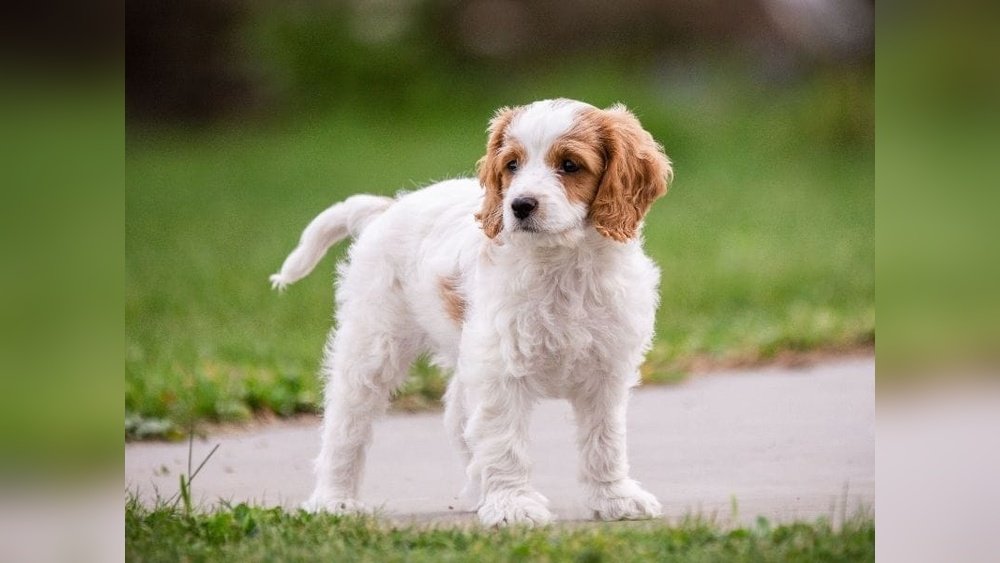
The King Charles Spaniel Poodle mix, also known as a Cavapoo, is a designer dog breed that has quickly become popular for its adorable looks and loving nature. If you’re thinking about welcoming one into your home, you may wonder how big they get when full grown and what daily care they need. Understanding these details is important to make sure you and your new friend are a perfect fit. This article will guide you through their adult size, growth patterns, grooming needs, exercise, health issues, and more. By the end, you’ll know exactly what to expect from a full grown King Charles Spaniel Poodle mix and how to give them the best life possible.
What Is A King Charles Spaniel Poodle Mix?
The King Charles Spaniel Poodle mix, commonly known as the Cavapoo, is a crossbreed dog. This breed combines the soft, sweet nature of the Cavalier King Charles Spaniel with the intelligence and low-shedding coat of the Poodle.
Background Of Parent Breeds
- Cavalier King Charles Spaniel: Known for their gentle temperament and loving personality, Cavaliers are small, friendly, and make excellent family pets. They usually weigh between 13–18 pounds and stand about 12–13 inches tall. Cavaliers are often described as “lap dogs” because of their desire to be close to their owners, and they adapt well to different home environments.
- Poodle (usually Miniature or Toy): Poodles are smart, playful, and have curly, hypoallergenic coats. Miniature Poodles generally weigh 10–15 pounds and stand 10–15 inches tall, while Toy Poodles are even smaller. Poodles are celebrated for their intelligence and ability to learn tricks quickly, which makes them a favorite for training and dog sports.
When these two breeds are combined, you get a dog that often has the best of both worlds: a friendly, affectionate companion with a smart, trainable mind and a coat that sheds very little. The mix aims to blend the Cavalier’s sweetness and the Poodle’s brain, creating a dog that is both loving and lively.
Full Grown Size: What To Expect
One of the first questions new owners ask is, “How big will my Cavapoo get? ” The answer depends on the size of the Poodle parent (Toy or Miniature), genetics, and sometimes even the sex of your dog. Knowing your Cavapoo’s potential adult size helps you plan everything from crate size to exercise needs.
Size Ranges
Here’s a breakdown of typical sizes for full grown King Charles Spaniel Poodle mixes:
| Parent Poodle Type | Height (inches) | Weight (pounds) |
|---|---|---|
| Toy Poodle | 9–12 | 8–15 |
| Miniature Poodle | 12–15 | 13–25 |
Most Cavapoos will reach between 10–15 inches in height at the shoulder and weigh 10–20 pounds. Females tend to be on the smaller end of the range, while males are sometimes a bit larger. Some Cavapoos, especially those from larger Miniature Poodle parents, can even surprise you by reaching up to 25 pounds, though this is less common.
Growth Timeline
- Birth to 6 Months: Rapid growth, most will reach 50–70% of their adult size. During these months, puppies seem to change almost daily, and you’ll notice their legs lengthen and their faces mature.
- 6–12 Months: Growth slows, but they still add muscle and fill out. This period is important for bone and muscle development, and you may see them become more coordinated and athletic.
- 12–18 Months: By this stage, most Cavapoos are fully grown. Some may gain a little weight or bulk after one year. Some owners notice a “teenage” phase with a bit of awkwardness, but the body settles into a final adult shape around 18 months.
Factors That Affect Size
Several factors can influence the adult size of your Cavapoo:
- Poodle Parent Size: A Miniature Poodle parent usually means a larger Cavapoo.
- Genetics: Traits from either parent can dominate. Some puppies are more Spaniel-like, others more Poodle-like.
- Diet and Exercise: Good nutrition and regular activity help them grow strong but not overweight.
- Generation: F1 (first generation) Cavapoos, with purebred parents, often have more size variety. F1b or later generations, bred back to Poodles, may be smaller and more predictable in size.
Non-obvious insight: If you want a specific size, meet both parents. The size of the parents is often a better predictor than breed averages. Also, ask the breeder about the size of past litters as this can give you clues.

Credit: puppiesupnorth.com
Coat Types And Grooming Needs
The Cavapoo’s coat is one of its standout features. It’s soft, often curly or wavy, and can be nearly hypoallergenic. But this beautiful coat comes with some grooming responsibilities. Some Cavapoos even change coat texture as they grow, with a puppy’s soft fur giving way to a thicker, sometimes curlier adult coat.
Common Coat Types
| Coat Type | Appearance | Shedding Level |
|---|---|---|
| Curly | Tight curls, like a Poodle | Very low |
| Wavy | Loose waves, mix of both breeds | Low |
| Straight | Long, silky hair, like a Spaniel | Moderate |
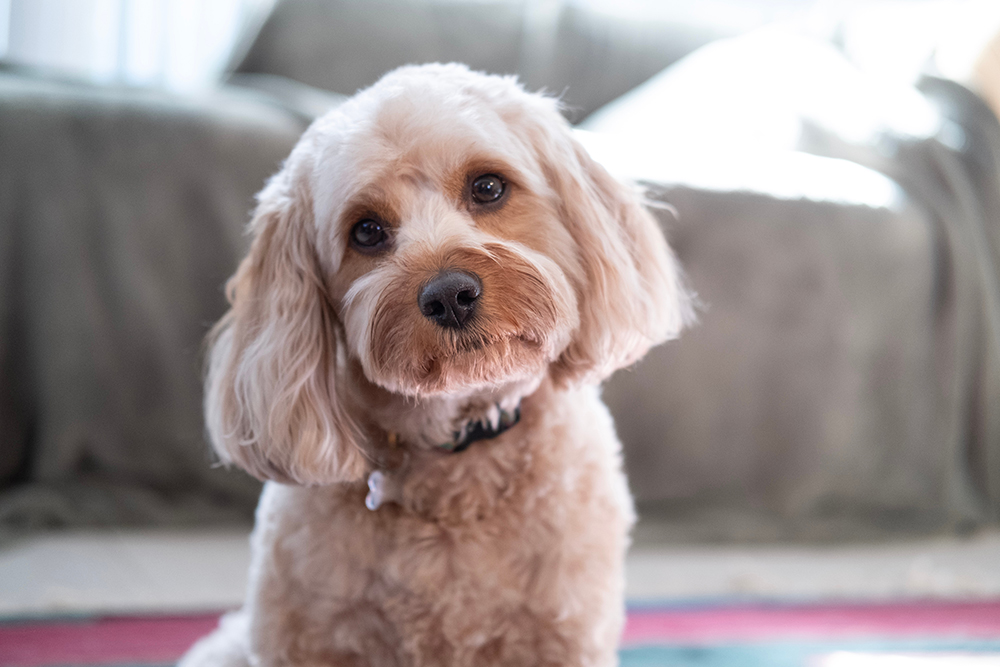
Most Cavapoos have a wavy or curly coat. Straight coats are less common but do happen, and these dogs may shed more. The color range is also broad, including cream, red, chocolate, gold, black, tricolor, and more. Some Cavapoos even have white markings or a “tuxedo” look, making each dog unique.
Grooming Routine
- Brushing: 3–4 times per week prevents tangles and mats. Daily brushing is best for curly coats. If mats form, they can be painful and difficult to remove, sometimes requiring a full shave.
- Professional Grooming: Every 6–8 weeks, a trim keeps their coat healthy and eyes clear of hair. Request a “teddy bear” cut for a classic Cavapoo look.
- Bathing: Once a month is enough unless they get muddy. Over-bathing can dry out their skin.
- Ears: Check weekly and clean gently. Cavapoos can get ear infections because of their floppy ears. Use a vet-approved ear cleaner and dry ears after baths.
- Nails: Trim every 3–4 weeks to prevent overgrowth. If you hear clicking on the floor, it’s time for a trim.
- Teeth: Brush 2–3 times per week to avoid dental issues. Small breeds are prone to tartar and gum disease, so dental chews also help.
Pro tip: Start grooming habits early. Puppies who are groomed from a young age are much easier to manage as adults. Make grooming a positive experience by using treats and gentle praise.
Common Grooming Mistakes
- Waiting too long between brushings, leading to mats.
- Not cleaning ears, which can cause infections.
- Using human shampoo, which can irritate their skin.
- Not trimming the hair around the eyes, which can block vision and cause discomfort.
- Ignoring dental care, which leads to bad breath and health problems.
Temperament And Personality
The Cavapoo is known for its friendly and gentle personality. They are great family dogs, good with children, and often get along well with other pets. Their easy-going nature means they adjust quickly to new situations, but they still love routine.
Key Traits
- Affectionate: Loves cuddling and being near their people. Cavapoos often follow you from room to room and may snuggle beside you on the couch or in bed.
- Intelligent: Quick learners, respond well to training. They enjoy learning new tricks and thrive on mental challenges.
- Playful: Enjoy games and playtime, especially as puppies. Even as adults, many Cavapoos keep a puppy-like spark.
- Social: Do best when they are part of family life. They like to greet visitors and rarely show aggression.
Are They Good For First-time Owners?
Yes, Cavapoos are usually a good choice for first-time dog owners. They are eager to please and easy to train, but they do need regular attention and care. Their sensitivity means harsh training methods are not effective—gentle guidance works best.
Non-obvious insight: While Cavapoos are usually not aggressive, their social nature means they don’t like being left alone for long hours. Separation anxiety can become a problem if they are often isolated. Early crate training and short absences can help them adjust.
Exercise And Activity Needs
Don’t be fooled by their small size—Cavapoos have energy! However, they don’t need as much exercise as a working breed. Their activity needs fit well with most families, but regular movement helps keep them healthy and prevents boredom.
Daily Exercise
- Walks: 30–45 minutes per day, split into two short walks. This helps with weight control and gives mental stimulation from new sights and smells.
- Playtime: Fetch, tug-of-war, or puzzle toys at home. Indoor games are perfect for rainy days or apartments.
- Socialization: Trips to the park or playdates with other dogs. Social dogs are less likely to develop fear or aggression.
Mental Stimulation
Cavapoos are smart and like to be challenged. Boredom can lead to chewing or other unwanted behaviors.
Ways to keep them busy:
- Puzzle feeders
- Basic obedience training
- Hide-and-seek with treats
- Learning new tricks or agility exercises
Exercise Precautions
- Puppies should not jump from heights or run long distances, as their joints are still developing. Avoid stairs and rough play until after one year old.
- In hot weather, exercise early or late to avoid overheating. Always bring water and watch for signs of heat stress, such as heavy panting or drooling.
Diet And Nutrition
A healthy diet is key for your Cavapoo’s growth and long-term health. Their needs change as they grow from puppy to adult. The right food helps build strong bones and a shiny coat.
Feeding Guidelines
- Puppies (2–12 months): 3–4 small meals a day. Choose a high-quality puppy food. Their small stomachs need frequent, nutrient-rich meals.
- Adults (1+ years): 2 meals per day. Use a food designed for small breeds. Avoid free-feeding, which can cause weight gain.
- Seniors (7+ years): Fewer calories, but keep up protein for muscle health. Senior foods are lower in fat and contain nutrients for joint support.
Portion Size
Most adult Cavapoos eat 1 to 1.5 cups of high-quality dry food per day, split into two meals. Adjust portion size based on activity level and weight. Always follow your vet’s advice, and check the feeding guide on the dog food package.
Foods To Avoid
- Chocolate, grapes, raisins, onions, garlic
- Fatty table scraps (can cause pancreatitis)
- Cooked bones
- Xylitol (a sweetener in some peanut butter and baked goods)
Healthy Treats
Try small pieces of carrot, apple (no seeds), or commercial dog treats made for small breeds. Treats should not make up more than 10% of daily calories.
Non-obvious insight: Cavapoos can be prone to weight gain, especially if they get too many treats. Always measure their food and use treats for training, not as a main part of their diet. Even small dogs can develop diabetes or joint problems if overweight.
Training And Socialization
Training your Cavapoo is usually a rewarding experience. Their Poodle heritage means they are quick to pick up new commands. Training builds a strong bond and helps prevent unwanted behaviors.
Basic Training Tips
- Start Early: Begin training at 8–10 weeks old. Early training sets good habits and prevents bad ones.
- Positive Reinforcement: Use treats, praise, and play to reward good behavior. Avoid yelling or punishment, which can make them anxious.
- Short Sessions: 5–10 minutes, 2–3 times a day. Puppies have short attention spans.
- Consistency: Use the same commands and routines. Family members should agree on rules and commands.
Socialization
Expose your puppy to different people, places, and situations between 8–16 weeks of age. This helps prevent fearfulness and anxiety. Take them for car rides, walks in busy areas, or visits to friends’ homes. Safe socialization is the best investment in your puppy’s future behavior.
Common Challenges
- Separation Anxiety: Train them to be alone for short periods. Leave toys or a safe chew to keep them busy.
- Barking: Some Cavapoos bark when bored or excited. Teach a “quiet” command and give enough stimulation. Reward calm behavior and ignore attention-seeking barks.
- House Training: Cavapoos generally learn quickly, but consistency is key. Take puppies out after eating, sleeping, or play.
Health And Lifespan
Cavapoos are generally healthy, but as a mixed breed, they can inherit health issues from either parent. Knowing what to watch for can help you keep your dog healthy. Responsible breeding and good care make a big difference.
Common Health Problems
| Health Issue | Symptoms | Prevention/Treatment |
|---|---|---|
| Mitral Valve Disease | Coughing, tiredness, fainting | Regular vet checks, early detection |
| Hip Dysplasia | Limping, stiffness | Healthy weight, joint supplements |
| Ear Infections | Head shaking, odor, redness | Clean ears, keep dry |
| Progressive Retinal Atrophy | Vision loss | Genetic testing, no cure |
| Patellar Luxation | Skipping, limping | Weight control, surgery in severe cases |
Lifespan
Most Cavapoos live 12–15 years with good care. Some even reach 16–18 years. Regular checkups, a proper diet, and daily exercise all help your dog live a longer, happier life.
Vet Care
- Vaccinations: Core shots at 8, 12, and 16 weeks, then yearly boosters.
- Parasite Prevention: Monthly flea, tick, and heartworm protection.
- Annual Checkups: Detect problems early. Blood tests and dental checks are important for older dogs.
Non-obvious insight: Request genetic health testing from breeders to reduce the risk of inherited diseases. Ask for results for both parents, not just the puppy.
Credit: www.dogster.com
Living Needs And Environment
Cavapoos are flexible and can adapt to many living situations, but there are a few things to keep in mind. Planning ahead helps prevent stress for you and your dog.
Apartment Or House?
- Apartments: Cavapoos do well in apartments as long as they get enough exercise. Their small size means they don’t need a big yard. Quiet walks and indoor games can meet their needs.
- Houses: A fenced yard is nice but not required. Cavapoos love exploring, but always supervise outside time.
Alone Time
Cavapoos love company. If left alone for long hours, they may become anxious or destructive. If you work all day, consider a dog walker or doggy daycare. Interactive toys and puzzle feeders can help, but they’re not a replacement for human attention.
Climate
Their coat protects them from mild cold, but not extreme temperatures. In very cold weather, a dog sweater helps during walks. In hot weather, keep walks short and provide fresh water. Never leave a Cavapoo outside unattended in extreme conditions.
Children And Other Pets
Cavapoos are gentle with children and can live happily with other pets if introduced properly. Always supervise play with young kids to prevent accidents. Early socialization helps Cavapoos accept cats or other dogs easily.
Non-obvious insight: Cavapoos are sensitive to loud noises and sudden changes. Calm, gentle introductions to new experiences build their confidence.
Finding A King Charles Spaniel Poodle Mix
If you’ve decided a Cavapoo is right for you, finding a healthy puppy is the next step.
Reputable Breeders
- Look for breeders who health test both parents for common issues.
- Ask to meet the parents and see where puppies are raised. Puppies raised in a home environment are better socialized.
- A good breeder will provide vaccination records and a health guarantee.
- Be prepared for waiting lists. Responsible breeders don’t have puppies available all the time.
Adoption
Many Cavapoos need homes through rescue groups or shelters. Adoption is a wonderful option and can save a life. Some breed-specific rescues focus on Poodle mixes, and older Cavapoos may be available for adoption as well.
Red flag: Avoid buying from pet stores or online sellers who can’t provide proof of health testing. Avoid breeders who always have puppies or can’t answer health questions.
For more details on ethical breeding, you can check the American Kennel Club guide on breed standards.

Credit: www.amazon.com
Cost Of Ownership
Owning a Cavapoo is a long-term commitment, both emotionally and financially. Here’s what to expect:
Initial Costs
- Puppy price: $1,500–$3,500 from a reputable breeder
- Adoption fee: $200–$600
- Supplies: $300–$600 (crate, bed, leash, bowls, etc.)
- First vet visits/vaccines: $100–$300
Ongoing Costs
- Food: $25–$40/month
- Grooming: $50–$100 every 6–8 weeks
- Vet care: $200–$500/year (routine)
- Insurance: $20–$50/month (optional but recommended)
- Miscellaneous: Toys, treats, training classes
Non-obvious insight: Budget for emergencies. Many pet owners are surprised by the cost of sudden vet bills or accidents. Setting aside a small emergency fund or getting pet insurance can save you stress later.
Is A Cavapoo Right For You?
Choosing a dog is a big decision. Cavapoos are best for families, singles, or seniors who want an affectionate, playful, and intelligent companion. They need regular grooming, daily exercise, and lots of love.
You might love a Cavapoo if:
- You want a small, friendly dog
- You’re ready for regular grooming and vet care
- You have time for walks, play, and training
- You don’t want a dog left alone all day
A Cavapoo may not be the best fit if:
- You want a dog that can be alone for long periods
- You want a completely hypoallergenic pet (no dog is 100% allergen-free)
- You want a guard dog (Cavapoos are too friendly!)
Frequently Asked Questions
How Big Do Full Grown King Charles Spaniel Poodle Mixes Get?
Most Cavapoos stand 10–15 inches tall at the shoulder and weigh 10–20 pounds as adults. The exact size depends on whether the Poodle parent was a Toy or Miniature, as well as genetics.
Are King Charles Spaniel Poodle Mixes Hypoallergenic?
Cavapoos are considered low-shedding and may be a good choice for people with mild allergies. However, no dog is completely hypoallergenic. Those with severe allergies should spend time with a Cavapoo before deciding.
How Much Exercise Does A Cavapoo Need?
A full grown Cavapoo needs about 30–45 minutes of exercise each day. This can be split into walks, playtime, and mental stimulation with puzzle toys.
What Health Problems Do Cavapoos Commonly Face?
Common health issues include mitral valve disease, hip dysplasia, ear infections, and progressive retinal atrophy. Responsible breeding and regular vet care help reduce these risks.
What Is The Best Way To Find A Healthy Cavapoo Puppy?
Choose a breeder who health tests both parents, offers a health guarantee, and lets you meet the puppies and parents. Adoption from rescue groups is another excellent option for finding a loving Cavapoo.
Bringing home a King Charles Spaniel Poodle mix is a joyful experience. With their charming personalities and manageable size, they make wonderful companions for many types of families. By understanding their full grown size and care needs, you’ll be ready to give your Cavapoo a happy, healthy life.

We’re the dedicated team behind MyPawSafe.com, with over a decade of combined experience in veterinary care, pet emergency response, and animal behavior. While we prefer to let our work speak for itself, our mission is clear: to provide science-backed, vet-approved advice that helps pet owners prevent accidents and save lives.