
The German Shorthaired Pointer is a breed that stands out for its energy, intelligence, and versatility. If you’re thinking about welcoming this dog into your home, or you already have one, you need to understand their unique temperament, physical traits, and daily needs. Many people love this breed because it fits well in active families, adapts to different lifestyles, and excels in both hunting and companionship. But there’s much more beneath the surface. This guide will give you everything you need to know—from personality quirks to health risks—so you can offer your German Shorthaired Pointer the best possible care.
History And Origins
The German Shorthaired Pointer’s story begins in 19th-century Germany. Breeders wanted a dog that could hunt game birds and mammals, retrieve from water, and live as a family companion. They combined old German hunting dogs with Spanish Pointers and other breeds, aiming for intelligence, stamina, and a gentle nature.
By the late 1800s, the breed’s characteristics were fixed: a muscular body, a keen nose, and a strong bond with humans. The American Kennel Club (AKC) officially recognized the breed in 1930. Today, the German Shorthaired Pointer is one of the most popular sporting breeds in the United States.
Temperament
The German Shorthaired Pointer is known for its lively personality, adaptability, and intelligence. Let’s dive deeper into what makes this breed special.
High Energy And Playfulness
These dogs have boundless energy. They love to run, play, and explore. If you’re an active person, they’ll keep up with you on hikes, jogs, or bike rides. Without enough exercise, they may become bored and destructive. For example, a German Shorthaired Pointer left alone all day might chew shoes, dig holes, or bark excessively.
Smart And Trainable
German Shorthaired Pointers are quick learners. They respond well to training, especially when you use positive reinforcement like treats or praise. Basic commands are easy for them, but they can also master advanced tasks such as agility, scent work, and hunting. Their intelligence can be a double-edged sword—if you don’t challenge them, they might invent their own games (sometimes involving your furniture).
Friendly And Social
This breed is affectionate and loves being with people. They enjoy children and usually get along well with other dogs. However, their enthusiasm can sometimes overwhelm small kids or shy animals. Early socialization helps prevent problems. Their friendly nature also means they aren’t the best guard dogs; they might greet strangers with a wagging tail instead of a warning bark.
Sensitive And Loyal
German Shorthaired Pointers form strong bonds with their families. They thrive on companionship and can develop separation anxiety if left alone for too long. They notice your moods and often try to comfort you when you’re sad. If you’re looking for a dog that will stick by your side, this breed is a great choice.
Non-obvious Insight: Mental Stimulation Matters
Many owners overlook the importance of mental stimulation. Physical activity is not enough. German Shorthaired Pointers need puzzles, training sessions, or games that make them think. Without mental challenges, they can become restless or develop bad habits.
Physical Characteristics
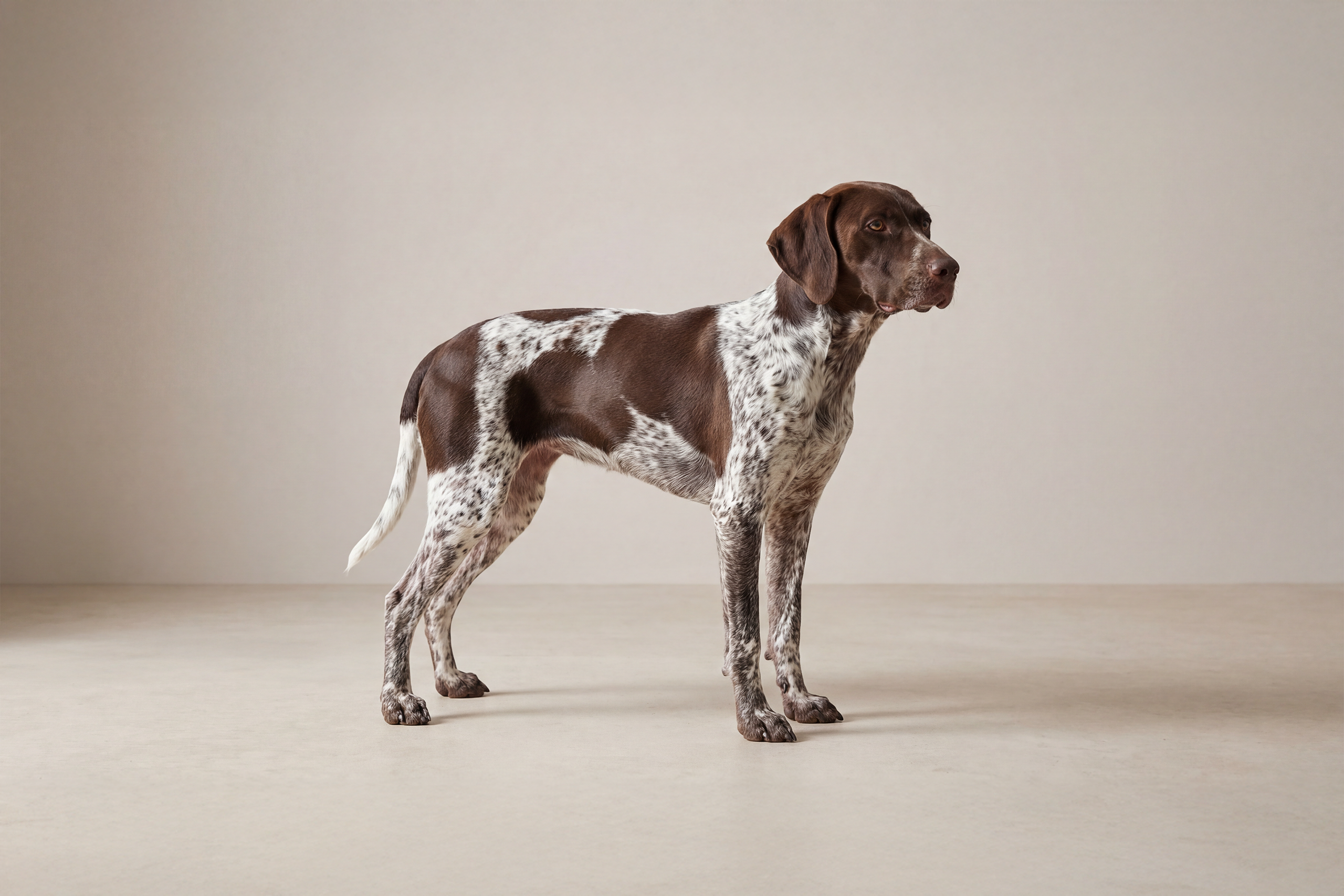
German Shorthaired Pointers have a distinctive look that combines elegance with athleticism. Here’s what you can expect:
| Trait | Male | Female |
|---|---|---|
| Height | 23–25 inches | 21–23 inches |
| Weight | 55–70 lbs | 45–60 lbs |
| Coat | Short, dense, water-repellent | |
| Color | Liver, liver & white, sometimes ticked or patched | |
| Life Expectancy | 12–14 years | |
Muscular Build
German Shorthaired Pointers are athletic. Their bodies are lean but muscular, built for endurance and speed. The chest is deep, the legs are strong, and the tail is often docked (shortened) in countries where this is allowed.
Distinctive Head And Ears
Their heads are long, with a broad muzzle and expressive eyes. Ears are large, floppy, and set high on the head, adding to their alert appearance.
Coat And Colors
The coat is short and dense, making grooming easy. Most German Shorthaired Pointers have a base color of liver (a deep brown) or liver and white, often with spots or patches. The coat protects them in rough terrain and cold water.
Non-obvious Insight: Coat Variations
Some dogs have a heavier ticking pattern (small spots), while others have large patches. Puppies’ coats often change as they mature. Don’t be surprised if your dog’s markings shift over time.
Size And Growth
Understanding the size and growth pattern helps you plan for feeding, exercise, and housing.
Puppy Growth Stages
German Shorthaired Pointer puppies grow quickly. At 8 weeks, they usually weigh 8–12 lbs. By 6 months, males may reach 40–50 lbs, and females about 30–40 lbs. Most dogs reach their adult height by 10–12 months, but fill out (gain muscle) until 18–24 months.
Adult Size
Adult males stand 23–25 inches at the shoulder and weigh 55–70 lbs. Females are slightly smaller: 21–23 inches and 45–60 lbs.
Comparison With Other Breeds
Let’s see how the German Shorthaired Pointer compares to other popular breeds:
| Breed | Height | Weight | Energy Level |
|---|---|---|---|
| German Shorthaired Pointer | 23–25 in | 55–70 lbs | Very High |
| Labrador Retriever | 22–24 in | 55–80 lbs | High |
| Golden Retriever | 21–24 in | 55–75 lbs | High |
| Vizsla | 21–24 in | 45–60 lbs | Very High |
German Shorthaired Pointers are similar in size to Labradors and Golden Retrievers, but often have more energy and need more exercise.
Credit: www.lemonade.com
Care And Maintenance
Proper care is essential for a happy, healthy German Shorthaired Pointer. Let’s break down the main areas.
Exercise Requirements
This breed needs vigorous daily exercise. Plan for at least 1–2 hours every day. Activities can include:
- Running or jogging
- Fetch games
- Swimming
- Hiking
- Dog sports (agility, flyball, dock diving)
If you have a fenced yard, that’s a bonus, but it’s not enough. They need structured activities and time with you. Lack of exercise can lead to obesity, anxiety, or bad behavior.
Diet And Nutrition
German Shorthaired Pointers need a balanced, high-quality diet. Look for foods with:
- 22–26% protein (chicken, beef, fish)
- 12–16% fat
- Whole grains or vegetables
Puppies need more calories and protein for growth. Adults require fewer calories unless they are highly active. Watch for food allergies, which are common in active breeds.
Feeding Schedule
- Puppies: 3–4 meals per day
- Adults: 2 meals per day
Avoid free-feeding (leaving food out all day). This breed can be prone to bloat, a dangerous stomach condition, so split meals and don’t exercise right after eating.
Grooming Needs
German Shorthaired Pointers are low maintenance. Their short coat needs brushing once or twice a week to remove loose hair and dirt. Bathing every 2–3 months is enough unless they get muddy.
Other grooming tasks:
- Check and clean ears weekly (floppy ears can trap moisture)
- Trim nails every 2–3 weeks
- Brush teeth regularly
Health And Medical Care
German Shorthaired Pointers are generally healthy, but there are some risks to watch for.
| Health Issue | Symptoms | Prevention/Treatment |
|---|---|---|
| Hip Dysplasia | Limping, stiffness | Choose breeders who test parents; maintain healthy weight |
| Bloat (GDV) | Swollen belly, restlessness | Feed small meals; avoid exercise after eating |
| Ear Infections | Redness, odor, scratching | Clean ears regularly |
| Eye Problems | Cloudiness, discharge | Annual vet checks |
Regular vet visits are crucial. Vaccinations, flea/tick prevention, and dental care are all part of your routine.
Training And Socialization
German Shorthaired Pointers are eager to please, but they need consistent training. Start early, using short sessions (10–15 minutes) with lots of rewards.
Tips For Success
- Use positive reinforcement—never harsh punishment.
- Socialize puppies with other dogs, people, and new environments.
- Teach basic commands (sit, stay, come) before moving to advanced tasks.
- Introduce new activities (hiking, swimming, agility) gradually.
Training isn’t just for obedience. It keeps their minds sharp and strengthens your bond.
Living Environment
This breed adapts to many settings, but there are best practices:
- Space: They need room to run and play. Small apartments work only if you commit to outdoor exercise.
- Safety: Always use a leash in public. German Shorthaired Pointers can chase small animals.
- Family: Good with children and other pets, but supervise play. Their excitement can knock over small kids.
Alone Time
German Shorthaired Pointers don’t like being alone. If you work long hours, consider dog daycare or hiring a dog walker. Leaving them alone too often can lead to anxiety and destructive behavior.
Pros And Cons Of Owning A German Shorthaired Pointer
Knowing both sides helps you decide if this breed fits your lifestyle.
Pros
- Energetic and fun: Great for active people.
- Smart and trainable: Learns quickly, enjoys challenges.
- Friendly: Good with families, kids, and other pets.
- Low grooming needs: Easy coat care.
- Versatile: Excels in hunting, sports, and companionship.
Cons
- Needs lots of exercise: Not good for sedentary owners.
- Can be destructive if bored: Chewing, digging, barking.
- Sensitive to alone time: Prone to separation anxiety.
- May chase small animals: Instinct to hunt.
- Health risks: Hip dysplasia, bloat, ear infections.
Non-obvious Insight: Not A Couch Potato
Many people assume a dog will calm down after a walk. German Shorthaired Pointers need both physical and mental activities. A tired dog is a happy dog, but tiredness must come from both exercise and thinking.
Activities And Enrichment Ideas
Keeping your German Shorthaired Pointer busy is key. Here are some ways to engage them:
- Hide treats in the yard for scent games.
- Teach new tricks every week.
- Enroll in dog sports (agility, tracking, dock diving).
- Let them swim—most love water.
- Use puzzle toys to make meals more interesting.
- Go for long hikes in new places.
Variety is important. Changing routines prevents boredom and helps your dog stay sharp.
Breeding, Adoption, And Buying Tips
If you want a German Shorthaired Pointer, choose wisely.
Finding A Responsible Breeder
Look for breeders who:
- Test for genetic diseases (hip dysplasia, eye conditions).
- Socialize puppies from birth.
- Provide health guarantees.
Avoid buying from pet stores or online ads without background checks.
Adoption
Many German Shorthaired Pointers end up in shelters because owners underestimate their energy. Adopting from a breed-specific rescue is a good option. The dog may need extra training, but you’ll provide a loving home.
Costs
Owning a German Shorthaired Pointer isn’t cheap. Initial costs (puppy, vaccinations, gear) can reach $1,000–$2,000. Yearly expenses (food, vet care, insurance) are around $800–$1,200.
German Shorthaired Pointer Vs. Other Pointers
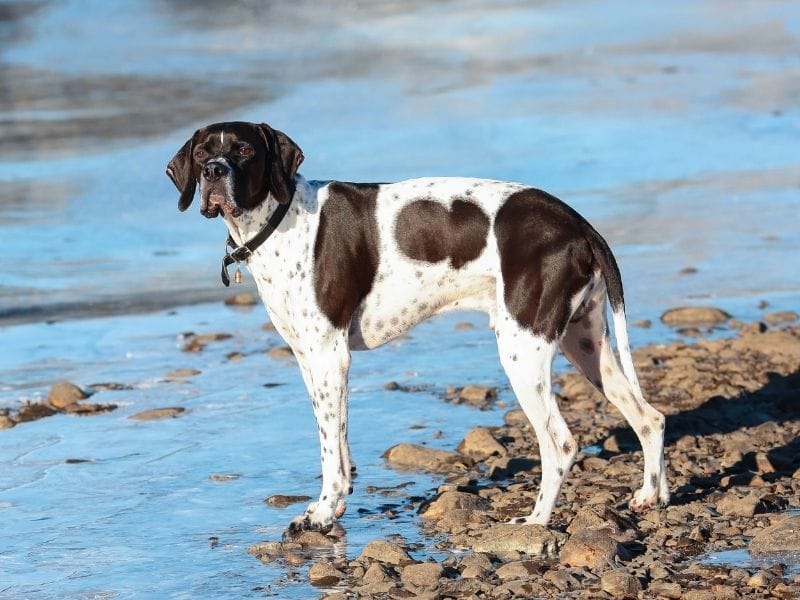
German Shorthaired Pointers are not the only pointer breed. Here’s how they compare to others:
| Breed | Key Differences |
|---|---|
| German Shorthaired Pointer | Versatile, strong swimmer, more sociable |
| English Pointer | Sleeker build, more focused on hunting |
| Wirehaired Pointer | Thicker coat, more rugged, higher grooming needs |
| Vizsla | Red coat, slightly smaller, very affectionate |
German Shorthaired Pointers are favored for their balance between work and family life.
Common Mistakes With German Shorthaired Pointers
- Underestimating exercise needs: Many owners think a short walk is enough. These dogs need much more.
- Ignoring mental stimulation: Physical activity isn’t everything. Use games and training to keep their minds busy.
- Too much alone time: This breed needs company. Leaving them alone leads to behavioral problems.
- Not securing yard or leash: Their hunting instinct is strong. They may run off to chase birds or squirrels.
- Skipping health checks: Regular vet visits prevent bigger problems.
If you avoid these mistakes, you’ll have a happier, healthier dog.

Credit: www.borrowmydoggy.com
Life Stages And Aging
German Shorthaired Pointers go through distinct life stages:
- Puppy (0–12 months): Fast growth, needs training and socialization.
- Young Adult (1–3 years): Peak energy, learning new skills.
- Adult (4–8 years): Stable personality, reliable behavior.
- Senior (9+ years): Slower pace, needs gentle exercise and health monitoring.
Older dogs may develop arthritis or vision problems. Adjust exercise and diet as your dog ages.
Traveling With Your German Shorthaired Pointer
If you like to travel, this breed can join you on many adventures. They adapt well to car trips, hiking, and even camping. Here are tips for safe travel:
- Use a crate or seatbelt harness in cars.
- Bring water, food, and toys.
- Check hotel pet policies.
- Never leave your dog alone in unfamiliar places.
Traveling together strengthens your bond and keeps your dog stimulated.
Credit: www.borrowmydoggy.com
The German Shorthaired Pointer In Sports And Hunting
The breed shines in dog sports and hunting. They’re known for their versatility:
- Excellent at pointing and retrieving game birds.
- Strong swimmers—can hunt waterfowl.
- Quick learners in agility, obedience, and tracking competitions.
If you’re a hunter, this dog is a reliable partner. If not, dog sports are a great way to use their skills.
Advanced Insights: Genetic Health And Longevity
New research shows that German Shorthaired Pointers have above-average genetic diversity, which helps protect against inherited diseases. However, hip dysplasia and bloat remain concerns. Choose breeders who participate in health screening programs.
Life expectancy is 12–14 years, but with good care, some dogs live longer. Regular exercise, proper diet, and early medical checks make a big difference.
Frequently Asked Questions
What Is The Typical Temperament Of A German Shorthaired Pointer?
German Shorthaired Pointers are energetic, intelligent, and friendly. They love being with people and other dogs. They need lots of exercise and mental stimulation. Without this, they can become bored or destructive.
How Big Do German Shorthaired Pointers Get?
Adult males are 23–25 inches tall and weigh 55–70 lbs. Females are 21–23 inches and 45–60 lbs. They reach their full size by 10–12 months, but continue to fill out until about 2 years old.
What Are Common Health Problems In German Shorthaired Pointers?
The main health risks are hip dysplasia, bloat (GDV), ear infections, and some eye problems. Choosing a breeder who tests for genetic issues and regular vet visits help reduce risks.
How Much Exercise Do German Shorthaired Pointers Need?
They need 1–2 hours of vigorous exercise every day. Activities should include running, fetch, swimming, and dog sports. Mental stimulation is also important, using training and games.
Are German Shorthaired Pointers Good Family Dogs?
Yes, they’re affectionate and friendly. They do well with kids and other pets, but need supervision with small children due to their enthusiasm. Early socialization and training help ensure a good fit.
Final Thoughts
The German Shorthaired Pointer is a wonderful breed for people who enjoy an active, engaging lifestyle. Their energy, intelligence, and social nature make them great companions, but they do require commitment. Daily exercise, training, and mental challenges are essential. If you’re ready for the adventure, this dog will reward you with loyalty and joy for many years.
For more detailed breed standards and history, you can visit the German Shorthaired Pointer Wikipedia page.
Remember, the key to a happy German Shorthaired Pointer is understanding their needs and providing the right environment. With knowledge and effort, you’ll have a loyal friend who’s always ready for the next adventure.

We’re the dedicated team behind MyPawSafe.com, with over a decade of combined experience in veterinary care, pet emergency response, and animal behavior. While we prefer to let our work speak for itself, our mission is clear: to provide science-backed, vet-approved advice that helps pet owners prevent accidents and save lives.