The greyhound is a breed that often surprises people. With their slim bodies and fast legs, they look like they belong on a racetrack. But these dogs are gentle, calm, and loving companions at home. If you are thinking about adopting a greyhound, or just want to learn more, this guide will walk you through every important detail—temperament, size, and care. You will discover not only the basics, but also some less obvious facts that many new owners miss. By the end, you’ll understand what it takes to keep a greyhound happy and healthy, and why they are such unique dogs.
Greyhound Temperament
The temperament of a greyhound is often misunderstood. People see their racing history and expect high energy or aggressive behavior. In reality, greyhounds are one of the most relaxed breeds around.
Calm And Gentle Nature
Greyhounds are known for their gentle temperament. At home, they enjoy quiet time and are often called “couch potatoes.” Many owners notice their greyhound spends most of the day sleeping. Unlike other breeds that bark or demand attention, greyhounds are usually calm and polite. They are friendly to strangers, but not overly enthusiastic. This makes them good pets for people who don’t like noisy or overly active dogs.
Sensitive Souls
These dogs are surprisingly sensitive. Loud noises, harsh words, or sudden changes can stress them. If you have a busy home or small children, your greyhound may need a quiet space to retreat. They respond best to gentle training and positive reinforcement. Harsh discipline does not work well, and may even cause fear.
Social Behavior
Greyhounds are social but not clingy. They love being near their humans, but are happy to rest alone if needed. They usually get along with other dogs, especially other greyhounds. However, their strong prey drive means they may chase cats, rabbits, or small pets.
Many retired racing greyhounds have never met small animals, so introductions must be slow and supervised.
Non-obvious Insight: Emotional Memory
One thing many new owners miss is that greyhounds have a strong emotional memory. If something scares them, they may remember it for years. A single bad experience with a loud noise or rough handling can affect their confidence. Creating a safe, predictable routine helps them feel secure.
Adaptability
Greyhounds adapt well to new homes, but need time to settle. After years of racing or kennel life, they may be nervous at first. With patience, they learn to trust and become loyal companions. Their adaptability also means they can live in apartments or houses, as long as they get daily walks.
Greyhound Size And Physical Features
The greyhound’s shape and size are part of what makes them famous. But their body is more than just fast legs—it’s designed for speed, comfort, and health.
Height And Weight
Adult greyhounds stand between 27–30 inches tall at the shoulder. Females are usually at the lower end, males at the higher. Their weight ranges from 60–85 pounds, but because they have slim bodies, they often appear lighter than other breeds of similar height.
| Sex | Height (inches) | Weight (pounds) |
|---|---|---|
| Male | 28–30 | 70–85 |
| Female | 27–28 | 60–70 |
Body Shape
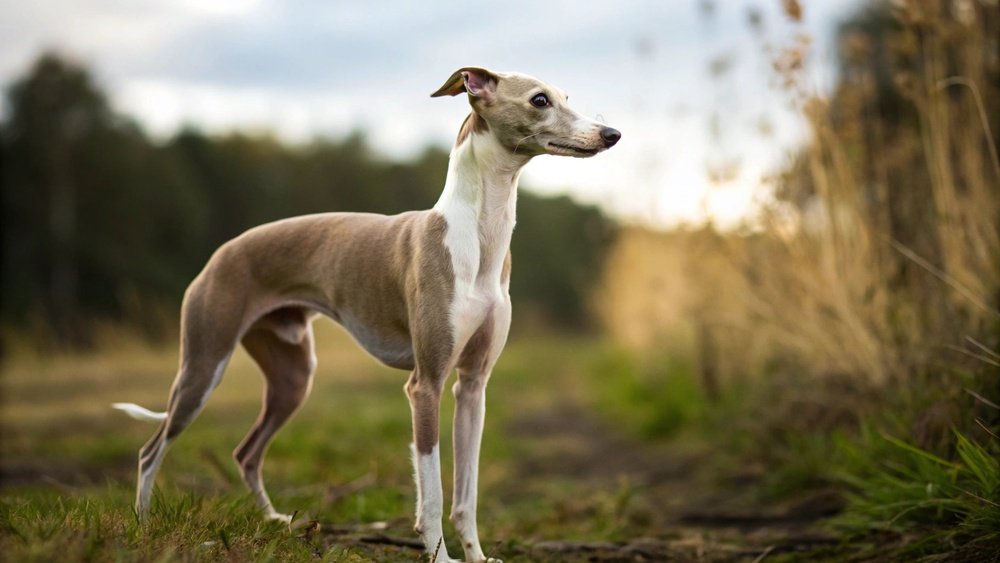
Greyhounds have a long, narrow head, deep chest, and very slim waist. This shape is not just for looks—it helps them run up to 40 miles per hour. Their long legs and flexible spine allow them to stretch out with each stride.
Coat And Colors
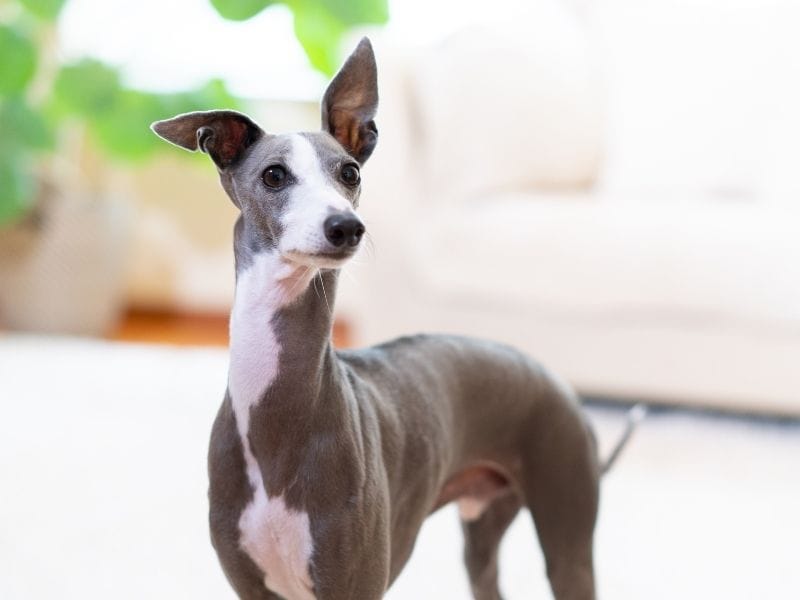
Their coat is short and smooth, making grooming easy. Greyhounds come in many colors: black, white, fawn, brindle, blue, red, or combinations. They shed very little compared to other breeds.
Unique Features
A non-obvious feature is their thin skin. Unlike other dogs, greyhounds have very little body fat and thin skin. This makes them sensitive to cold weather and bumps. They often need sweaters or coats in winter and soft bedding to avoid pressure sores.
Lifespan
Greyhounds live 10–14 years on average. With good care, many reach their teens. Because they are bred for racing, their bodies are strong, but retired racers may have old injuries.
Credit: www.borrowmydoggy.com
Greyhound Care Essentials
Proper care is the secret to a happy greyhound. Their needs are different from many breeds, so it’s important to understand what matters most.
Feeding And Nutrition
Greyhounds have fast metabolisms, but do not eat as much as people expect. Most need 2–3 cups of high-quality dry food daily, split into two meals. It’s important to feed them food designed for active dogs, but not to overfeed. Their slim bodies do not hide weight gain well.
Common Feeding Mistakes
- Feeding too much: Greyhounds can quickly become overweight, which harms their joints.
- Giving table scraps: Human food can upset their sensitive stomachs.
- Not providing enough water: Their bodies need regular hydration, especially after exercise.
Exercise Needs
Despite their speed, greyhounds need moderate exercise. A daily walk plus a chance to run in a secure area is enough. They enjoy short sprints, not long jogs. After a quick run, they are happy to rest.
| Activity | Duration | Frequency |
|---|---|---|
| Walk | 20–30 minutes | Daily |
| Sprint/play | 5–10 minutes | 2–3 times a week |
Non-obvious Insight: Over-exercising Risks
Many new owners think greyhounds need hours of exercise. Too much running can cause injuries, especially in older or retired racers. Watch for limping, stiffness, or tiredness after activity.
Grooming And Hygiene
Greyhounds are low-maintenance. Their short coat only needs weekly brushing. Bathing can be done every few months unless they get dirty. Check their skin for sores or cuts, as it heals slowly.
Nail Care
Their nails grow quickly and must be trimmed every 2–3 weeks. Long nails can cause pain and affect their walking.
Dental Care
Dental disease is common in greyhounds. Brush their teeth several times a week and provide dental chews. Bad breath or bleeding gums need a vet visit.
Health And Medical Needs
Greyhounds have some unique health concerns:
- Anesthesia sensitivity: They need special anesthesia when having surgery, due to low body fat.
- Heart and lung health: Their athletic bodies have strong hearts, but checkups are important.
- Arthritis and joint pain: Retired racers often develop arthritis. Supplements and soft beds help.
- Skin injuries: Their thin skin is easily scraped or cut.
Vaccinations And Parasite Control
Keep vaccinations up to date, including rabies, distemper, and parvo. Use flea and tick prevention monthly.
Regular Vet Visits
Schedule checkups twice a year. Greyhounds hide pain well, so regular exams catch problems early.
Living Environment
Greyhounds adapt to many homes. They can live in apartments if walked daily. Because they are quiet, they rarely disturb neighbors. However, they need soft beds and warm spaces, as cold floors or drafts can make them uncomfortable.
Non-obvious Insight: Height Hazards
Due to their height, greyhounds can reach countertops or tables. Keep food, medicines, and dangerous items out of reach.
Training And Socialization
Greyhounds are smart but may not respond to training like other breeds. They are not eager to please, but learn routines quickly.
House Training
Most retired racers are already crate-trained, but may need help adjusting to new homes. Consistent schedules and positive reinforcement work best.
Basic Commands
Teach “sit,” “stay,” “come,” and “leave it. ” Use treats and praise, not harsh correction. Greyhounds can be stubborn, so patience is key.
Socialization
Expose your greyhound to different people, places, and sounds. Start slowly and avoid overwhelming situations. Meeting other dogs helps with confidence.
Non-obvious Insight: Leash Training
Greyhounds must always be walked on a leash. Their prey drive means they may chase moving objects without warning. Even the best-trained greyhound can run off if something catches their eye.
Greyhound History And Racing Background
Understanding the greyhound’s history explains much about their temperament and needs.
Ancient Origins
Greyhounds are one of the oldest dog breeds. Ancient Egyptians kept them as hunting and companion dogs. Their speed made them valuable for chasing game.
Racing Culture
In the 20th century, greyhounds became famous for racing. Thousands were bred for tracks, and many retired greyhounds are now available for adoption. Racing life is strict, with little socialization, so retired racers need time to adjust.
Adoption And Rescue
Many organizations help find homes for retired racers. Adopting a greyhound is rewarding, but requires patience as they learn household routines.
Comparing Greyhounds To Other Breeds
If you are deciding between a greyhound and other breeds, it helps to see how they compare.
| Breed | Energy Level | Shedding | Size | Temperament |
|---|---|---|---|---|
| Greyhound | Low–Moderate | Low | Large | Gentle, Calm |
| Labrador Retriever | High | Moderate | Large | Friendly, Active |
| German Shepherd | Moderate–High | High | Large | Loyal, Protective |
| Whippet | Moderate | Low | Medium | Friendly, Sensitive |
Greyhounds stand out for their calmness and low grooming needs. If you want a quiet dog that does not demand constant activity, they are a good choice.
Greyhound Adoption: What To Expect
Adopting a greyhound is different from buying a puppy or another breed. Here’s what you need to know.
Retired Racers
Most greyhounds available for adoption are retired from the racetrack. They may be between 2–6 years old and have basic training. However, they need time to adjust to home life.
First Weeks
Expect your greyhound to be shy and confused at first. They may not understand stairs, mirrors, or household noises. Gentle guidance and routine help them settle.
Home Preparation
- Buy a soft bed and blankets.
- Use a harness and leash for walks.
- Keep small pets away until you are sure about their prey drive.
- Remove breakable items from areas your greyhound will explore.
Adoption Organizations
Many groups specialize in greyhound adoption. They provide support, advice, and sometimes training. Ask about the dog’s history, health, and temperament before adopting.

Credit: www.amazon.com
Common Myths About Greyhounds
Greyhounds are surrounded by myths. Let’s clear up a few:
1. Myth: Greyhounds Are Hyperactive.
Reality: Most are calm and lazy at home.
2. Myth: They Need Lots Of Space.
Reality: Greyhounds adapt to apartments or small homes.
3. Myth: Greyhounds Are Aggressive.
Reality: They are gentle and rarely aggressive.
4. Myth: They Cannot Live With Other Pets.
Reality: With careful introduction, many greyhounds live with cats and small dogs.
Non-obvious Greyhound Care Tips
Experienced owners often discover tips that beginners miss:
- Use martingale collars: Greyhounds have narrow heads, so regular collars can slip off.
- Provide raised food and water bowls: Their height makes bending uncomfortable.
- Watch for “zoomies”: Short bursts of running indoors are normal, but clear the space to avoid injuries.
- Check for pressure sores: Thin skin means elbows and hips can develop sores on hard surfaces.
- Monitor temperature: Greyhounds overheat in hot weather and get cold easily in winter.
Activities Greyhounds Enjoy
Greyhounds have unique interests. Here are some activities they love:
- Short runs in fenced areas.
- Sniffing walks—let them explore smells at their own pace.
- Puzzle toys and treat games.
- Learning new routines—greyhounds thrive on predictable schedules.
Non-obvious Insight: Mental Exercise
Greyhounds need mental stimulation as much as physical activity. Boredom can lead to anxiety or destructive behavior. Rotate toys and introduce new challenges to keep them engaged.
Traveling With Greyhounds
If you travel, greyhounds are good companions. Their quiet nature makes them comfortable in cars or hotels. Always use a seatbelt harness and bring their bed for comfort.
Travel Tips
- Avoid leaving your greyhound in hot cars.
- Carry water and snacks for long trips.
- Use a soft blanket or familiar item to help them relax.

Credit: askavet.com
Greyhound Health Insurance
Medical costs can be high for greyhounds, especially with unique health needs. Consider pet insurance to cover emergencies, surgeries, and regular care. Compare plans to find coverage for dental, skin, and joint issues.
Useful Resources
To learn more, visit Wikipedia for breed history and facts. Adoption organizations, vet clinics, and online communities are also great sources for advice and support.
Frequently Asked Questions
What Is The Typical Lifespan Of A Greyhound?
Greyhounds usually live 10–14 years. With good care, some reach 15 or more. Diet, exercise, and regular vet visits help them live longer and healthier.
Are Greyhounds Good With Children?
Most greyhounds are gentle with children. However, they prefer calm environments and can be startled by sudden movements. Teach kids to approach slowly and avoid rough play.
Can Greyhounds Be Left Alone During The Day?
Greyhounds are independent and can stay alone for 4–6 hours. Make sure they have a comfortable bed, toys, and water. For longer periods, a dog walker or pet sitter is recommended.
Do Greyhounds Need To Wear Coats In Winter?
Because of their thin skin and low body fat, greyhounds need warm coats in cold weather. Sweaters or jackets help protect them from chills during walks.
Is It Hard To Train A Greyhound?
Greyhounds are smart but may be stubborn. Use positive reinforcement and keep training sessions short. Patience and consistency work best—avoid harsh discipline.
Greyhounds are truly special dogs. Their calm temperament, elegant size, and unique care needs make them rewarding companions for the right owners. With knowledge and patience, you can enjoy many wonderful years with your greyhound. Whether you live in a busy city or quiet country, these gentle dogs will fill your life with quiet joy and loving loyalty.

We’re the dedicated team behind MyPawSafe.com, with over a decade of combined experience in veterinary care, pet emergency response, and animal behavior. While we prefer to let our work speak for itself, our mission is clear: to provide science-backed, vet-approved advice that helps pet owners prevent accidents and save lives.