Shiba Inu Complete Guide: Temperament, Size, And Care
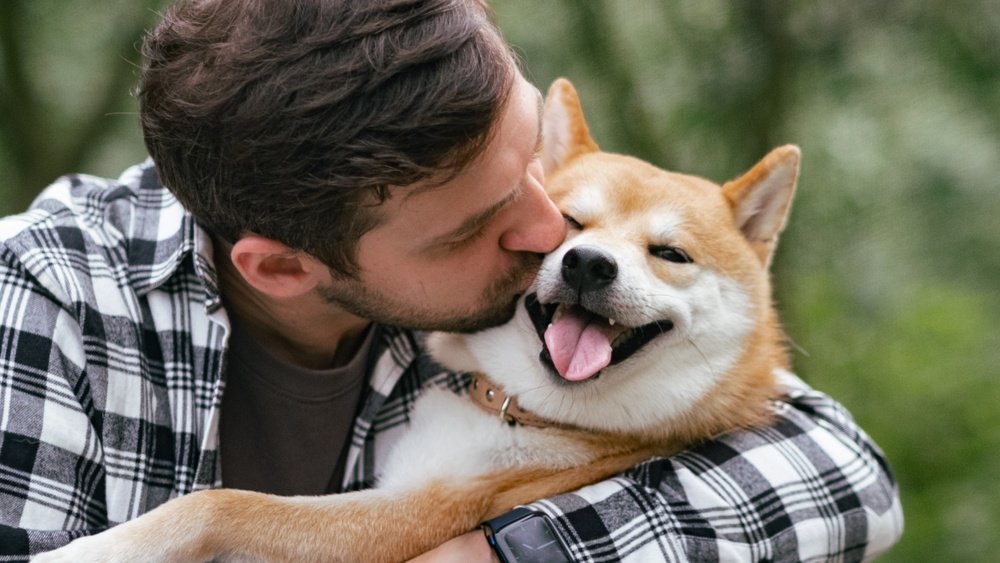
If you’ve ever seen a Shiba Inu, you know why people fall in love with them. Their fox-like faces, curled tails, and confident walk make them stand out. But the Shiba Inu is more than just a cute dog. This breed has a unique personality, special care needs, and a history that goes back centuries in Japan.
If you want to understand Shiba Inus—how they act, how big they get, and how to keep them healthy—this guide is for you. Whether you’re thinking about getting one, or already own a Shiba Inu, you’ll find everything you need right here.
Shiba Inu Origins And History
The Shiba Inu is one of Japan’s oldest dog breeds. The name “Shiba Inu” translates to “brushwood dog,” referring to the bushes where they hunted small game. Originally, Shibas were bred for hunting birds and rabbits in the mountains. Their sharp instincts and agility made them excellent hunters.
After World War II, the breed almost disappeared. Disease and war threatened their survival. Japanese breeders worked hard to save them, using three surviving bloodlines. This effort created the Shiba Inu we know today—alert, independent, and resilient.
Shibas arrived in the United States in the late 1950s. The American Kennel Club recognized them in 1992. Now, they’re one of the most popular dog breeds in both Japan and the US. Despite their fame, Shibas still hold on to their wild roots.
Their personality and behaviors show traces of their hunting past.
Shiba Inu Temperament
Many people are attracted to Shibas because of their appearance, but their temperament is what really defines them. Shibas are often described as “cat-like” because they are independent, clean, and sometimes aloof. But their personality is much more complex.
Independence And Confidence
Shibas are highly independent. Unlike some dogs that want constant attention, Shibas like their space. They can entertain themselves and don’t always seek approval. This can be charming, but it also means they may not be the easiest breed for beginners.
Alertness And Intelligence
Shibas are very smart and aware of their surroundings. They notice everything, from a falling leaf to a stranger passing by the window. This makes them good watchdogs. They will bark to alert you, but usually not without reason.
Loyalty And Affection
Despite their independence, Shibas are loyal to their families. They often form strong bonds with one or two people. They may not be as openly affectionate as some breeds, but their devotion is real. Owners often notice their Shiba following them from room to room, just to keep an eye on things.
Playfulness
Shibas enjoy playtime, especially games that challenge their minds. Puzzle toys, scent games, or hide-and-seek are favorites. They love running and chasing, thanks to their hunting background.
Caution With Strangers
Shibas can be wary of new people. They usually take time to warm up. Socialization from a young age helps them become more comfortable with visitors, children, and other pets.
The Shiba Scream
A unique trait is the “Shiba scream. ” When frightened, excited, or unhappy, Shibas may let out a loud, high-pitched yelp. It’s not a bark—it’s a scream that can surprise new owners. This is normal and part of their expressive nature.
Non-obvious Insights
- Shibas often show selective hearing. If they don’t want to come when called, they may pretend not to hear you. This isn’t stubbornness—it’s their independent streak.
- Shibas are very clean. They groom themselves like cats. This means they rarely smell “doggy,” and some even dislike getting dirty.
Credit: www.infinibandta.org
Shiba Inu Size And Physical Characteristics
Shiba Inus are compact, muscular, and agile. Their look is both cute and powerful. Understanding their size and physical traits helps you prepare for life with a Shiba.
Height And Weight
Shiba Inus are considered small-to-medium dogs. Here’s a comparison of male and female Shiba Inu size:
| Gender | Height (inches) | Weight (pounds) |
|---|---|---|
| Male | 14.5–16.5 | 18–24 |
| Female | 13.5–15.5 | 15–20 |
These numbers show Shibas are not toy-sized, but they’re small enough for apartments.
Coat And Color
Shibas have a double coat—a soft undercoat and a stiff, straight topcoat. This protects them from weather and dirt. Common colors are:
- Red (most popular)
- Sesame (red with black-tipped hairs)
- Black and tan
- Cream
The tail curls tightly over the back, another signature trait.
Lifespan
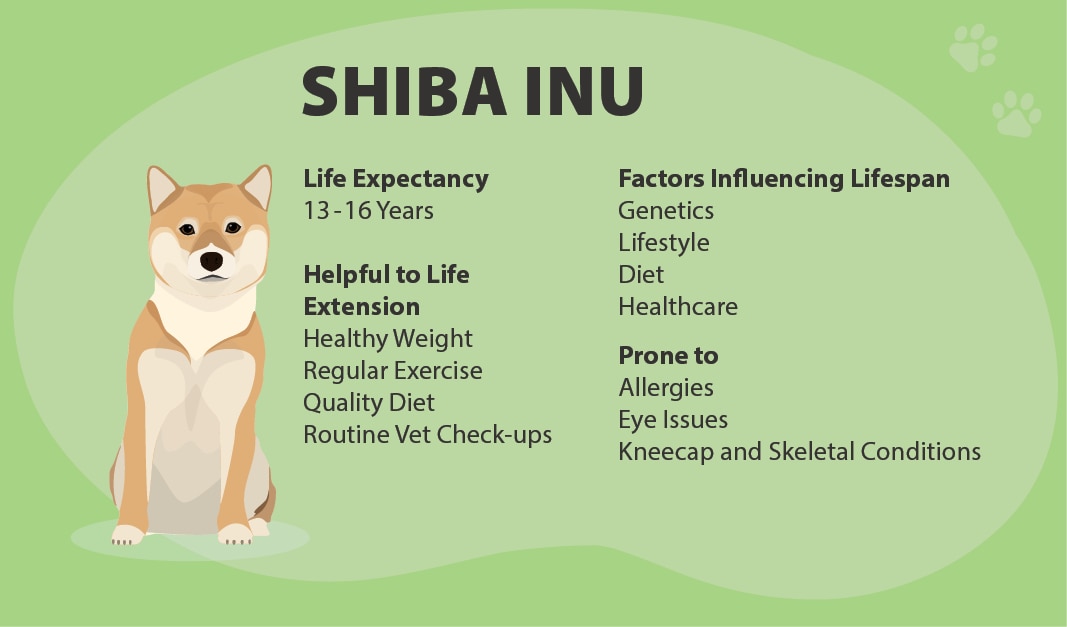
Shiba Inus live about 12–15 years. With good care, many reach the upper end of that range. They’re generally healthy, but some genetic issues exist.
Non-obvious Insights
- Shibas shed heavily twice a year (“blowing coat”). During this time, you’ll see tufts of fur everywhere. Outside of these periods, shedding is moderate.
- Their compact build means they’re agile climbers and jumpers. Shibas can easily escape fences lower than 5 feet.
Shiba Inu Care Guide
Owning a Shiba Inu is rewarding, but it’s not always easy. Their independence and energy require special attention. Here’s a complete look at how to care for your Shiba Inu.
Feeding And Nutrition
Shibas need a balanced diet to stay healthy and active. High-quality dog food, either commercial or homemade with a vet’s guidance, is best. Protein should be the main ingredient.
| Life Stage | Recommended Calories/Day | Protein (%) | Fat (%) |
|---|---|---|---|
| Puppy | 400–500 | 22–28 | 8–15 |
| Adult | 350–450 | 18–25 | 5–15 |
| Senior | 300–400 | 16–22 | 5–12 |
Monitor weight and adjust portions as needed. Shibas tend to stay fit, but overfeeding can lead to obesity.
Exercise Needs
Shiba Inus are energetic and need daily exercise. Aim for:
- 30–60 minutes of activity per day
- Walks, runs, or play sessions
- Mental games (puzzles, training)
Shibas love to explore, so use a leash or secure yard. Their hunting instinct means they may run off if they see a squirrel or bird.
Grooming
Shibas are low-maintenance compared to some breeds. They clean themselves often, but you still need to brush them:
- Brush weekly during normal times
- Daily brushing during shedding seasons
Baths are needed every 3–4 months, or when dirty. Too many baths can dry their skin.
Trim nails, clean ears, and brush teeth regularly. Dental care is important, as Shibas can develop tartar quickly.
Health Checks
Regular vet visits are important. Shibas can have some health problems:
- Hip dysplasia
- Allergies
- Patellar luxation (kneecap problems)
- Glaucoma
- Progressive retinal atrophy (PRA)
Ask your vet about genetic testing. Early detection helps manage problems.
Vaccinations, flea/tick prevention, and heartworm medicine are essential.
Socialization And Training
Shibas are smart, but training can be challenging. They’re independent and sometimes stubborn. Positive reinforcement works best. Be patient and consistent.
Socialize your Shiba from puppyhood:
- Meet other dogs, people, and children
- Visit parks and new places
- Use treats and praise to reward calm behavior
Shibas can be aggressive toward other dogs, especially of the same sex. Early socialization reduces this risk.
Living Environment
Shibas adapt well to apartments or houses. They need a secure yard and supervision. Fences should be tall and escape-proof.
They do well in families or with single owners. Shibas can live with other pets, but may chase cats or small animals.
Alone Time
Shibas tolerate being alone better than most dogs. Still, don’t leave them for more than 6–8 hours. Provide toys and safe spaces.
Common Mistakes
- Underestimating their escape skills—Shibas can open doors and jump fences.
- Ignoring socialization—unsocialized Shibas can be fearful or aggressive.
- Using harsh training methods—Shibas respond poorly to punishment.
Non-obvious Insights
- Shibas are sensitive to changes in routine. Moving furniture or changing feeding times can stress them.
- They dislike being held or cuddled by strangers. Respect their space to build trust.
Shiba Inu Behavior Problems And Solutions
Every breed has challenges, and Shibas are no exception. Understanding common behavior issues helps you prevent and solve them.
Aggression
Shibas can show aggression, especially toward other dogs. This is usually due to:
- Lack of socialization
- Fear or guarding behavior
Solution: Early and frequent socialization, reward calm behavior, and avoid situations that trigger aggression.
Separation Anxiety
While Shibas handle alone time, some develop anxiety. Signs include whining, destructive behavior, or accidents.
Solution: Gradually increase alone time, use puzzle toys, and create a safe space.
Excessive Barking
Shibas aren’t usually loud, but some bark at strangers or noises.
Solution: Teach the “quiet” command, reward calm behavior, and block triggers.
Escaping
Shibas are escape artists. They can dig, jump, or squeeze through fences.
Solution: Use tall, secure fences. Supervise outside time. Microchip your dog for safety.
Chewing And Digging
Bored Shibas may chew furniture or dig in the yard.
Solution: Provide plenty of exercise and mental stimulation. Use chew toys and digging boxes.
Non-obvious Insights
- Shibas sometimes play rough. They use their mouths during play, which can look like aggression but is normal.
- Shibas may ignore commands if distracted. Practice training in low-distraction environments first.
Shiba Inu For Families And Children
Shibas can be great family dogs, but there are special considerations.
With Children
Shibas are patient with older children who respect their space. They may not tolerate rough handling from younger kids. Teach children:
- How to approach gently
- Not to pull ears or tail
- To leave the dog alone when eating or sleeping
Supervise all interactions, especially with small children.
With Other Pets
Shibas get along with other dogs if socialized early. They may chase cats or small animals. Introduce pets slowly and supervise until trust builds.
Non-obvious Insights
- Shibas sometimes “resource guard”—they protect their food, toys, or space. This is more common in multi-pet homes.
- Shibas are sensitive to loud noises and chaos. Calm homes suit them best.
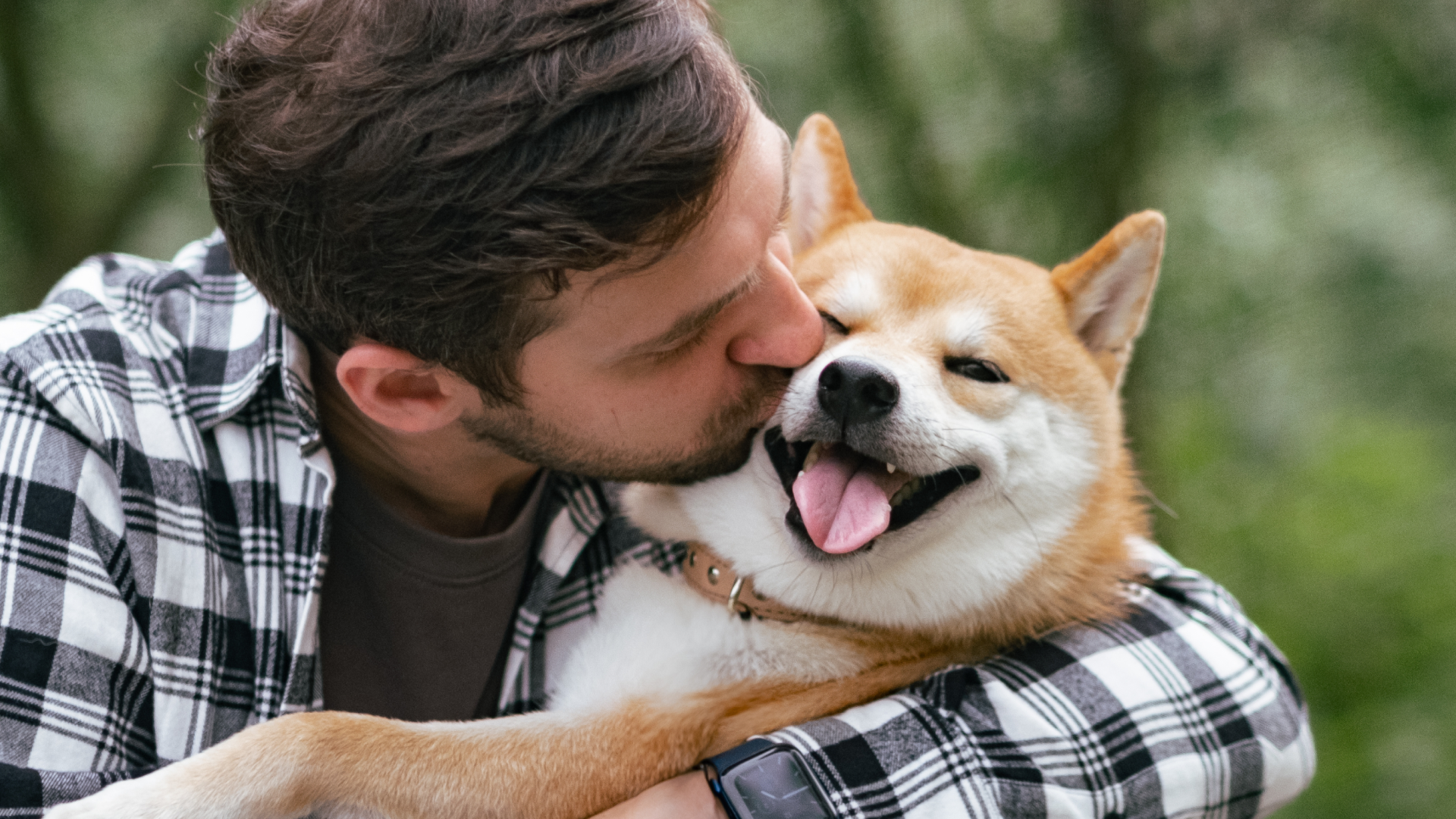
Credit: vetnique.com
Choosing And Adopting A Shiba Inu
If you’re ready for a Shiba Inu, choosing the right one is important. Here are some tips:
Finding A Breeder
Look for breeders who:
- Provide health certificates for both parents
- Allow you to visit and meet puppies
- Screen for genetic problems
- Encourage questions and offer support
Avoid breeders with many litters or who refuse visits.
Adopting From Shelters
Many Shibas end up in shelters. Adoption is a great option. Ask about the dog’s history, temperament, and health. Meet the dog several times before deciding.
Puppy Vs. Adult
- Puppies need more training and socialization, but adapt quickly.
- Adults may be calmer and already trained. Rescue dogs often need patience.
Costs
Shiba Inu puppies from breeders usually cost $1,500–$3,000. Adoption fees are lower, $200–$500. Factor in:
- Food and supplies: $500/year
- Vet care: $300–$700/year
- Grooming: $200/year
Non-obvious Insights
- Many Shibas end up in shelters because owners underestimate their independence. Be honest about your ability to handle their personality.
- Shiba Inu rescue groups can help you find adoptable dogs and offer advice.
Shiba Inu Health And Wellness
Staying healthy is a lifelong goal for Shibas. Here’s what to watch for.
Common Health Problems
- Hip dysplasia: Causes pain and difficulty walking.
- Patellar luxation: Kneecap moves out of place.
- Allergies: Often food or environmental.
- Eye diseases: PRA, glaucoma.
Preventive Care
- Regular vet checks
- Vaccinations
- Dental cleanings
- Weight management
Signs Of Illness
Watch for:
- Limping
- Eye redness or discharge
- Excessive scratching
- Changes in appetite
Early action is best. Shibas hide pain, so subtle changes matter.
Non-obvious Insights
- Shibas can develop “Shiba shake syndrome”—a rare neurological condition causing tremors. It’s not well understood, but vets can help manage symptoms.
- Shibas are prone to flea allergies. Even one flea can trigger itching.
Shiba Inu Training Tips
Training a Shiba Inu is possible, but you’ll need patience and creativity.
Start Early
Begin training as soon as you bring your Shiba home. Use:
- Positive reinforcement (treats, praise)
- Short sessions (5–10 minutes)
- Clear commands
Basic Commands
Focus on:
- Sit
- Stay
- Come
- Leave it
Shibas may ignore commands if bored. Change routines to keep them interested.
Socialization
Expose your Shiba to:
- New people and dogs
- Different environments
- Noises and situations
Reward calm behavior.
Advanced Training
Some Shibas enjoy agility or obedience classes. This builds confidence and burns energy.
Handling Stubbornness
If your Shiba refuses to listen:
- Stay calm; don’t yell or punish
- Try a different reward
- Practice in a quiet place
Non-obvious Insights
- Shibas respond well to clicker training. The clear sound helps them focus.
- Shibas often learn routines quickly. They’ll know when it’s mealtime or walk time without being told.
Shiba Inu Social Life
Shibas need a balanced social life. Too much isolation can cause problems.
Dog Parks
Shibas enjoy dog parks, but may be selective about playmates. Watch for signs of stress or aggression.
Meetups
Many cities have Shiba Inu meetups. These are good for socializing and sharing tips. Owners often swap stories about “Shiba moments. ”
Social Media
Shibas are popular on Instagram and TikTok. Many owners share photos and advice. Connecting online helps build a support network.
Non-obvious Insights
- Shibas sometimes ignore other dogs at parks, preferring to watch or explore alone.
- Shibas are happiest with a consistent group of canine friends.
Shiba Inu In Popular Culture
Shibas have become famous worldwide. Their expressive faces appear in memes, commercials, and movies.
The “doge” Meme
The “Doge” meme features a Shiba Inu with funny captions. It began in 2010 and made the breed famous online. The meme even inspired a cryptocurrency, Dogecoin.
Movies And Tv
Shibas appear in Japanese films and cartoons. Their roles often reflect their clever and brave nature.
Non-obvious Insights
- The popularity of Shibas has increased demand, leading to puppy mills. Always check breeder reputation.
- Shibas are sometimes mistaken for Akitas—a larger Japanese breed. They share some traits, but Shibas are smaller and more independent.
Shiba Inu Comparison With Other Breeds
If you’re deciding between Shiba Inus and other similar breeds, here’s a quick comparison:
| Breed | Size | Temperament | Care Difficulty | Popularity |
|---|---|---|---|---|
| Shiba Inu | Small/Medium | Independent, alert | Moderate | High |
| Akita | Large | Loyal, protective | High | Medium |
| Corgi | Small | Friendly, playful | Low | High |
| Basenji | Small/Medium | Quiet, smart | Moderate | Medium |
Shibas stand out for their independence and alertness. If you want a dog that thinks for itself, the Shiba is a top choice.

Credit: www.infinibandta.org
Frequently Asked Questions
What Is The Average Lifespan Of A Shiba Inu?
Shiba Inus live about 12–15 years. With good nutrition, exercise, and regular vet care, many reach the upper end of this range.
Are Shiba Inus Good For First-time Dog Owners?
Shibas are not usually recommended for beginners. Their independent nature and stubbornness can be challenging. If you’re patient and willing to learn, they can be rewarding.
How Much Do Shiba Inu Puppies Cost?
Shiba Inu puppies from reputable breeders usually cost $1,500–$3,000. Adoption fees are lower, around $200–$500. Always check breeder reputation to avoid puppy mills.
Do Shiba Inus Get Along With Other Pets?
With early socialization, Shibas can live with other dogs and cats. However, they may chase small animals due to their hunting instincts. Slow introductions and supervision are key.
How Much Exercise Does A Shiba Inu Need?
Shibas need 30–60 minutes of exercise daily. This includes walks, playtime, and mental stimulation. Without enough activity, they may develop behavior problems.
If you’re looking for a dog with personality, intelligence, and style, the Shiba Inu is a top pick. Their independent nature and unique charm make them unforgettable. With the right care and attention, your Shiba Inu will be a loyal companion for many years. For more detailed breed information, visit the Wikipedia Shiba Inu page.
Whether you’re just starting your journey or already have a Shiba by your side, understanding their temperament, size, and care needs ensures a happy, healthy life together.

We’re the dedicated team behind MyPawSafe.com, with over a decade of combined experience in veterinary care, pet emergency response, and animal behavior. While we prefer to let our work speak for itself, our mission is clear: to provide science-backed, vet-approved advice that helps pet owners prevent accidents and save lives.