The Siberian Husky is one of the most recognizable and admired dog breeds in the world. Their striking appearance, lively temperament, and endurance have made them favorites with families, adventure seekers, and dog lovers everywhere. But owning a Siberian Husky is not just about enjoying their beauty—these dogs have unique needs, personalities, and care requirements that make them very different from many other breeds. Whether you are thinking of adopting a Husky or already share your home with one, understanding their temperament, size, and care is essential. In this complete guide, you will discover everything you need to know about the Siberian Husky, from their origins to daily life, health, training, and more.
The History And Origin Of The Siberian Husky
The Siberian Husky comes from Northeast Asia, where the Chukchi people bred them for sledding and companionship. Their history is rich and goes back thousands of years. Huskies were designed to survive and work in extreme cold conditions, pulling sleds over long distances with limited food. Their endurance, intelligence, and ability to live with families made them valuable to the Chukchi.
In the early 1900s, Huskies were introduced to Alaska during the gold rush. They quickly became famous for their speed in sled races and their heroic roles in delivering medicine, such as the legendary 1925 serum run to Nome. This history shapes their temperament and physical traits, making them both hardworking and friendly.
Siberian Husky Temperament
Understanding the temperament of a Siberian Husky is key to a happy relationship. These dogs are known for their playful, energetic, and sometimes stubborn personalities. But there’s much more beneath the surface.
Friendly And Social Nature
Siberian Huskies are highly social animals. They enjoy being around people and other dogs. Unlike many breeds, they are not usually aggressive or possessive, making them great for families with children. A Husky will often greet strangers with a wagging tail rather than suspicion. This friendliness means they are not ideal guard dogs—they are more likely to welcome visitors than to protect property.
High Energy And Playfulness
One of the most noticeable traits is their high energy level. Huskies love to run, play, and explore. They need regular physical activity, or they may become bored and destructive. Owners often notice their Husky digging, chewing, or escaping if they are not mentally and physically stimulated.
Independent And Intelligent
Siberian Huskies are intelligent but also very independent. This means they can learn quickly, but they may choose when to follow instructions. Training a Husky requires patience and consistency. Unlike some breeds that aim to please, Huskies often think for themselves. This independent streak can be challenging for beginners.
Strong Pack Instinct
Huskies have a strong pack mentality. They thrive in environments where they feel part of a group, whether it’s with people, other dogs, or both. They do not like being alone for long periods and may develop separation anxiety. Having another dog or spending extra time with your Husky can help prevent loneliness.
Vocal And Expressive
These dogs are known for their vocal nature. They often howl, “talk,” or make amusing sounds rather than bark. This is part of their communication and can be entertaining, but sometimes it can be loud for neighbors.
Notable Temperament Insights
Many beginners miss two important points about Husky temperament:
- They are escape artists. Huskies can jump fences, dig under barriers, and slip out of collars. If you don’t secure your yard, you may find your Husky exploring the neighborhood.
- They do not always listen. Even with training, their independent nature means they may ignore commands, especially if distracted or bored.
Siberian Husky Size And Physical Characteristics
The size and appearance of the Siberian Husky are part of what makes them so attractive. But there are details to understand beyond their eye-catching looks.
Adult Size And Weight
Here’s a quick comparison of typical male and female Husky sizes:
| Gender | Height (inches) | Weight (lbs) |
|---|---|---|
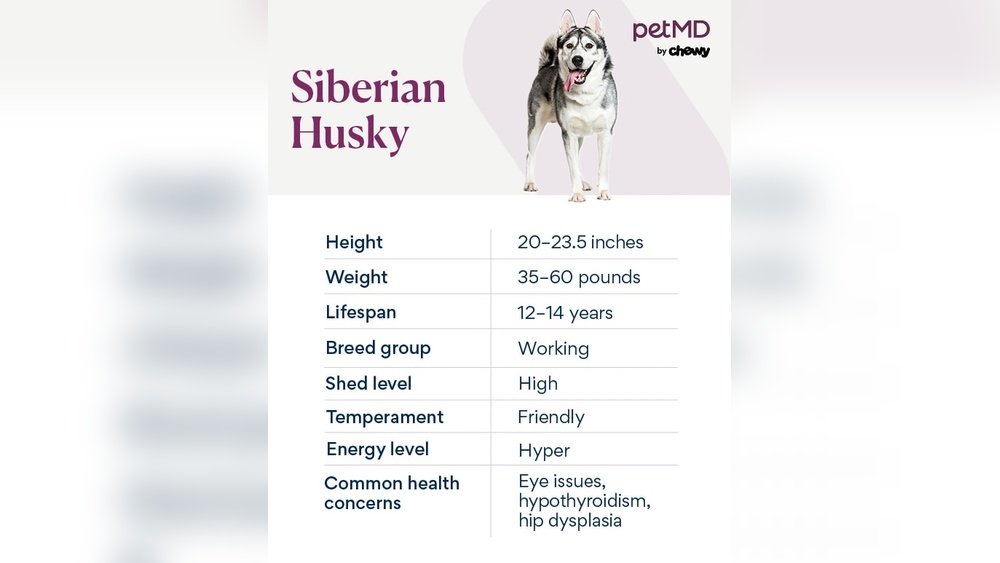
| Male | 21–23.5 | 45–60 |
| Female | 20–22 | 35–50 |
Most Huskies are medium-sized dogs. They are strong but not bulky, with a lean and athletic build.
Coat And Colors
Siberian Huskies have a double coat—a dense undercoat and a longer topcoat. This helps them stay warm in cold weather, but it also means they shed heavily, especially twice a year. Huskies come in a range of colors, including:
- Black and white
- Gray and white
- Red and white
- Pure white
Their markings are unique, with masks, spots, and patterns that make every Husky different.
Eyes And Facial Features
One of the most captivating features is their eyes. Huskies can have brown, blue, or even heterochromia (different colored eyes). Their almond-shaped eyes and expressive faces make them stand out.
Strength And Endurance
Huskies are built for endurance. They can run for miles, pull sleds, and withstand harsh weather. Their muscular legs, deep chest, and bushy tail are all designed for work and comfort.
Non-obvious Size Insights
- Huskies are surprisingly lightweight for their size. Many people expect them to be heavier because of their thick fur and muscular build.
- Their body shape is built for efficiency, not brute strength. They are fast and agile, not strong like a Rottweiler or Mastiff.
Living With A Siberian Husky: Daily Life
Owning a Husky is an adventure—every day brings new challenges and joys. Here’s what daily life looks like:
Exercise Needs
Siberian Huskies require at least 1–2 hours of exercise every day. Without enough activity, they can become restless and destructive. Walking, running, hiking, or playing in a secure area are all important.
Social Interaction
Huskies need regular interaction with their family or other dogs. They do not like being left alone for long. If you work long hours, consider dog daycare or having another dog as a companion.
Home Environment
Huskies adapt well to different homes, but they are best suited for houses with secure yards. Apartments are possible if you commit to daily exercise and mental stimulation.
Grooming Routine
Their double coat needs regular brushing, especially during shedding seasons. Weekly brushing is enough most of the year, but daily brushing is needed when they “blow” their coat (usually spring and fall).
Feeding
Siberian Huskies have efficient metabolisms and do not eat as much as other breeds of similar size. Overfeeding can lead to weight problems. Feeding them high-quality dog food in measured amounts is important.
Training And Discipline
Training a Husky is not always easy. They respond best to positive reinforcement and consistency. Early socialization and obedience training help prevent behavioral issues.
Non-obvious Daily Life Tips
- Mental stimulation is as important as physical exercise. Puzzle toys, training games, and new activities keep Huskies happy.
- Routine matters. Huskies do best with a regular schedule for feeding, exercise, and rest.
Care And Health Of Siberian Huskies
Keeping your Husky healthy requires understanding their unique needs.
Common Health Issues
Siberian Huskies are generally healthy, but they can have some breed-specific issues:
- Hip dysplasia: A genetic condition that affects mobility.
- Eye problems: Including cataracts and progressive retinal atrophy.
- Autoimmune diseases: Sometimes seen in Huskies.
Regular vet check-ups and early detection are important.
Lifespan
The average lifespan is 12–14 years. With good care, many Huskies live well into their teens.
Vaccinations And Preventive Care
Regular vaccinations, flea and tick prevention, and dental care are important. Huskies are tough, but they are not immune to common dog illnesses.
Grooming And Hygiene
Brushing, nail trimming, ear cleaning, and bathing are part of Husky care. They are generally clean dogs and do not have a strong “dog smell. ”
Nutrition And Feeding
Huskies need balanced nutrition. Here’s a comparison of typical daily food needs:
| Activity Level | Food per Day (cups) | Caloric Intake |
|---|---|---|
| Low | 1.5–2 | 800–1000 |
| Moderate | 2–2.5 | 1000–1200 |
| High | 2.5–3 | 1200–1500 |
It’s important not to overfeed. Huskies can gain weight quickly if given too many treats or table scraps.
Health Maintenance Tips
- Monitor weight and activity. Adjust food as needed for age and exercise level.
- Routine vet visits. Annual check-ups and preventive care keep your Husky healthy.
Non-obvious Health Insights
- Huskies are prone to zinc deficiency. Some Huskies develop skin problems if their diet lacks enough zinc.
- They have a unique tolerance for cold, but not heat. Hot climates can be dangerous—always provide shade and water.
Training A Siberian Husky
Training a Husky is both rewarding and challenging. Their intelligence and independence require a specific approach.
Puppy Training
Start early with socialization and basic commands. Positive reinforcement works best—use treats, praise, and games.
Obedience And Recall
Recall (coming when called) is often difficult with Huskies. They may ignore commands if distracted, so practicing in safe, fenced areas is important.
House Training
Huskies learn house training quickly, but consistency matters. Crate training can help with accidents and provide a safe space.
Advanced Training
Agility, obedience classes, and sledding are great ways to channel their energy and intelligence. Huskies love learning new tricks and tasks.
Common Training Mistakes
- Inconsistent rules: Changing routines confuses Huskies and leads to bad habits.
- Punishment: Negative methods can cause fear or aggression. Always use positive reinforcement.
Training Tips
- Short sessions are best. Huskies lose interest if training lasts too long.
- Be patient and firm. Do not give in to stubbornness.
Siberian Husky Puppy Vs Adult: What To Expect
Choosing between a puppy and an adult Husky changes your experience. Here’s a breakdown:
| Stage | Energy Level | Training Needs | Care Challenges |
|---|---|---|---|
| Puppy | Very High | Extensive | Chewing, house training |
| Adult | High | Ongoing | Exercise, mental stimulation |
Puppy Insights
- Expect lots of chewing and digging.
- Early training shapes adult behavior.
Adult Insights
- May be calmer, but still require lots of activity.
- Easier to manage, but still need mental stimulation.
Siberian Husky And Families
Huskies can be excellent family dogs if you understand their needs.
Children
They are gentle and playful with children. Supervision is needed for small kids, as Huskies can be energetic and may knock over toddlers.
Other Pets
Huskies usually get along with other dogs, but they have a strong prey drive. Small animals like cats or rabbits may not be safe, especially without early socialization.
Family Activities
Running, hiking, and playing in the yard are favorite activities. Huskies love being part of the family routine.
Non-obvious Family Tips
- Huskies can be too energetic for elderly owners. Their exercise needs are high.
- They often bond with all family members, not just one person.
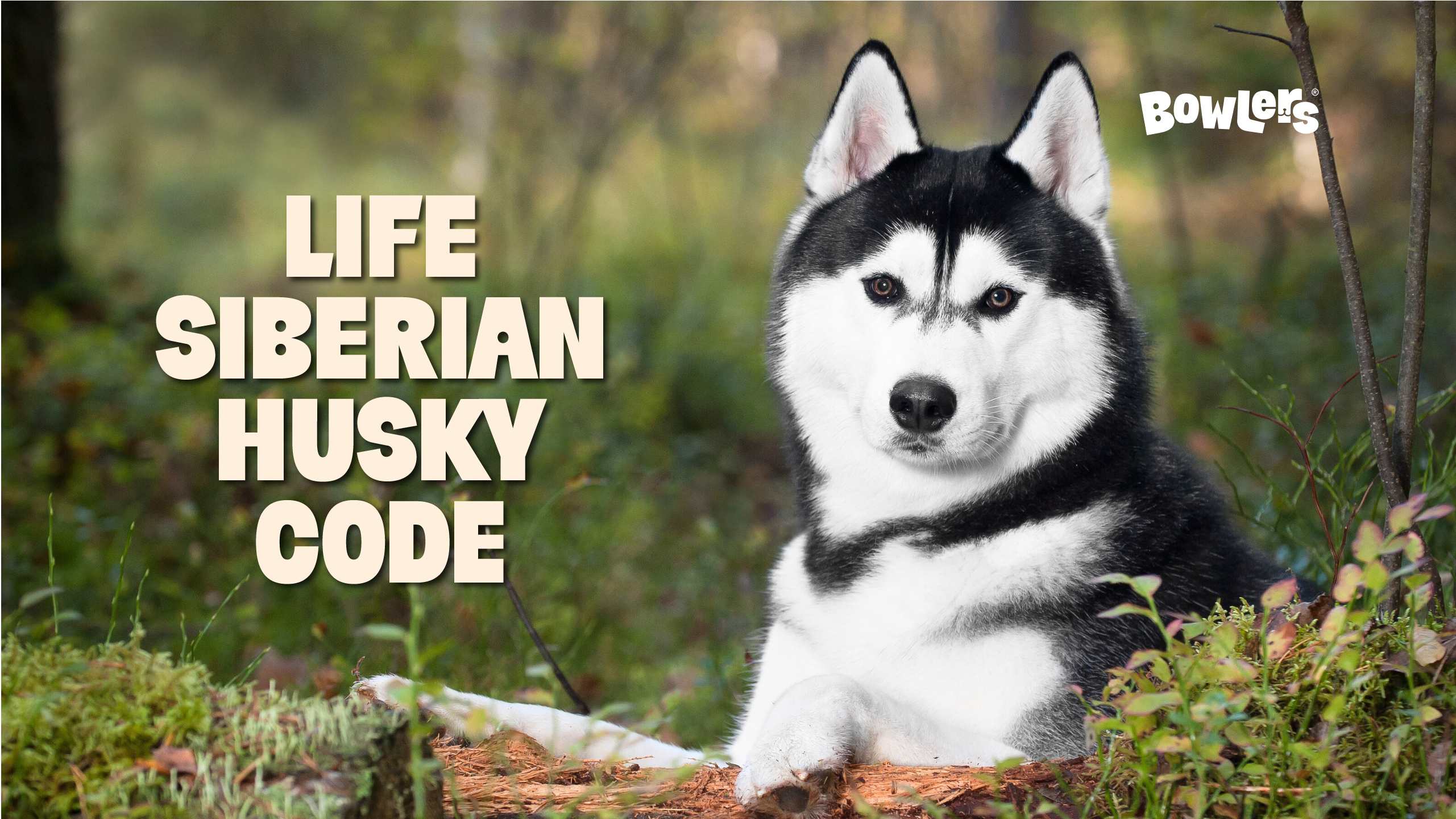
Credit: www.bowlerspets.com
Siberian Husky In Different Climates
Siberian Huskies are famous for their ability to handle cold, but many owners live in warmer regions. Here’s what you need to know:
Cold Weather
Huskies thrive in cold climates. Their double coat protects them from snow and ice. Outdoor activities like sledding, hiking, and snow play are ideal.
Hot Weather
Heat is dangerous for Huskies. They can overheat quickly, so:
- Provide shade and fresh water
- Avoid exercise during hottest hours
- Never leave them in cars or hot rooms
Urban Vs Rural Living
Huskies adapt to both city and country life with the right care. Secure yards, daily walks, and socialization are necessary in all environments.
Non-obvious Climate Insights
- Shedding increases in warm climates. Extra grooming is needed.
- Huskies may dig to find cool spots. Providing shaded areas helps.
Grooming And Shedding
Siberian Huskies are famous for their heavy shedding. Here’s how to manage it:
Shedding Seasons
Twice a year, Huskies “blow” their coat. This means massive shedding over weeks. Daily brushing removes loose fur and prevents matting.
Grooming Tools
- Slicker brush for daily use
- Undercoat rake for heavy shedding
- Nail clippers and ear cleaner
Bathing
Huskies are clean dogs and rarely need baths. Over-bathing removes natural oils and can dry their skin. Bathing every few months is enough unless they get dirty.
Grooming Tips
- Never shave a Husky’s coat. The double coat protects from sun and cold.
- Regular brushing prevents hair buildup in the home.
)
Credit: magazine.joovy.com
Siberian Husky Exercise: Keeping Them Active
Exercise is one of the most important parts of Husky care.
Types Of Exercise
- Running and jogging
- Hiking
- Fetch and tug-of-war
- Sledding and carting (in cold climates)
- Dog sports like agility
Exercise Safety
Always use a secure leash and harness. Huskies may chase animals or run off if not restrained.
Indoor Activities
Puzzle toys, obedience games, and indoor play help during bad weather or limited space.
Non-obvious Exercise Tips
- Mental games tire Huskies as much as running.
- Vary activities to prevent boredom.
Choosing A Siberian Husky: What Matters
If you’re thinking of adopting or buying a Husky, consider these key points:
Breeder Vs Shelter
Reputable breeders test for health and temperament. Shelters often have adult Huskies needing homes. Both options require research.
Health Checks
Ask for hip, eye, and autoimmune disease screenings. Healthy parents increase your Husky’s chances for a long life.
Lifestyle Match
Huskies need active owners. If you cannot commit to daily exercise and grooming, another breed may be better.
Common Buyer Mistakes
- Underestimating exercise needs
- Ignoring Husky independence
- Not securing the yard or home
Adoption Tips
- Meet the dog’s parents if possible
- Ask about temperament and health history
- Prepare your home before arrival
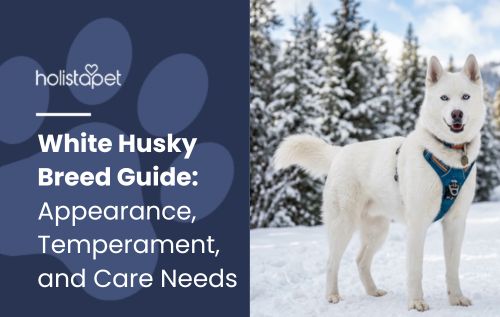
Credit: www.holistapet.com
Siberian Husky: Famous Stories And Popularity
Siberian Huskies are not only beloved pets—they are heroes and icons.
Balto And The Serum Run
The most famous Husky is Balto, who led his team on the final leg of the 1925 serum run to Nome. This heroic journey saved many lives and made Huskies famous worldwide.
Popularity
According to the American Kennel Club, Siberian Huskies rank in the top 15 most popular breeds in the US. Their looks and personality drive their popularity, but many owners underestimate their needs.
Movies And Media
Huskies have appeared in movies like “Snow Dogs,” “Eight Below,” and “Balto. ” Media often shows them as gentle, loyal, and adventurous.
Non-obvious Popularity Insights
- Popularity leads to overbreeding. Some Huskies have health or temperament issues from poor breeding practices.
- Many Huskies end up in shelters. Owners underestimate their care needs.
Siberian Husky: Unique Traits And Fun Facts
Huskies are full of surprises. Here are some unique traits:
- No doggy odor. Unlike many breeds, Huskies have little natural smell.
- Howling instead of barking. Their wolf-like howl is part of their charm.
- Snow nose. In winter, some Huskies’ noses turn pink—a harmless change.
- Fast runners. Huskies can run up to 30 miles per hour for short distances.
- Escape artists. They can open gates, jump fences, and dig under barriers.
Siberian Husky: Comparing With Other Breeds
How does the Siberian Husky compare to other similar breeds? Here’s a quick look:
| Breed | Size | Energy Level | Trainability | Shedding |
|---|---|---|---|---|
| Siberian Husky | Medium | High | Moderate | High |
| Alaskan Malamute | Large | High | Moderate | High |
| Samoyed | Medium | Moderate | High | High |
| German Shepherd | Large | High | High | Moderate |
Huskies are lighter and more independent than Malamutes, friendlier than German Shepherds, and shed as much as Samoyeds.
Frequently Asked Questions
What Is The Ideal Home For A Siberian Husky?
The best home for a Husky is one with a secure yard, active owners, and lots of opportunity for exercise. Apartments can work if daily activity and mental stimulation are provided.
How Much Grooming Does A Husky Need?
Huskies need weekly brushing most of the year, and daily brushing during heavy shedding seasons. They rarely need baths and should never be shaved.
Are Siberian Huskies Good With Children?
Yes, Huskies are gentle and playful with children. Supervision is important, especially with small kids, because Huskies are energetic and may accidentally knock them over.
What Are Common Health Problems In Huskies?
Common issues include hip dysplasia, eye diseases, and zinc deficiency. Regular vet visits and a balanced diet are important for prevention.
Can Huskies Live In Hot Climates?
Huskies can live in warmer areas, but you must provide shade, water, and limit exercise during the hottest times. They are built for cold and can overheat easily.
Owning a Siberian Husky is a rewarding journey full of adventure, laughter, and challenges. Their unique temperament, striking size, and special care needs make them different from any other breed. With the right knowledge, commitment, and love, your Husky will become a loyal companion for years to come. For more breed details, visit the Siberian Husky Wikipedia page. If you are ready for the energy, intelligence, and beauty of a Husky, you are in for an unforgettable experience.
We’re the dedicated team behind MyPawSafe.com, with over a decade of combined experience in veterinary care, pet emergency response, and animal behavior. While we prefer to let our work speak for itself, our mission is clear: to provide science-backed, vet-approved advice that helps pet owners prevent accidents and save lives.