The Vizsla is often called the “Velcro dog” for good reason. Their deep loyalty, high energy, and loving nature make them unique among dog breeds. If you’re considering a Vizsla, or just want to know more, this guide explains everything: temperament, size, and care. You’ll also find specific numbers, expert advice, and practical tips to help you understand what life with a Vizsla is really like.
Vizsla Overview
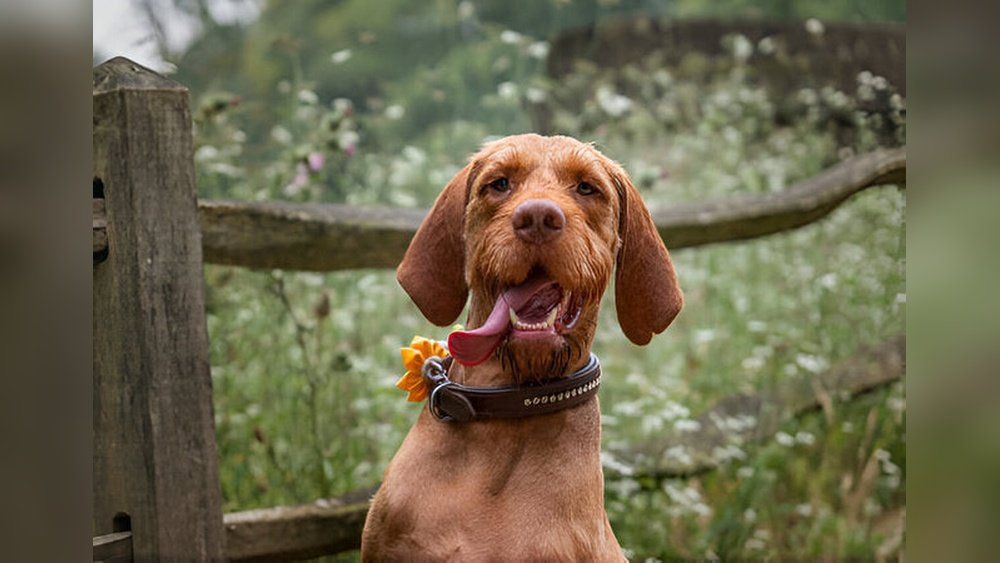
The Vizsla is a Hungarian breed known for its athletic build and beautiful golden-rust coat. These dogs were originally bred for hunting, but today, they shine as companions for active families. Vizslas stand out for their intelligence, sensitivity, and need for human contact.
Breed History
Vizslas have roots going back over a thousand years in Hungary. Used as pointers and retrievers, they were prized for their speed and stamina. After near extinction during World War II, breeders worked to bring them back, and today, Vizslas are popular in Europe and North America.
General Appearance
The Vizsla is a medium-sized, muscular dog with a short, sleek coat. Their eyes are expressive, and their ears hang low. The breed’s appearance reflects its athleticism and grace.
Temperament: What Makes Vizslas Unique
Understanding Vizsla temperament is crucial before adopting one. These dogs are not like Labradors or German Shepherds; their personality is more intense and sensitive.
Affectionate And Loyal
Vizslas are extremely loyal. They want to be with their humans all the time, often following you from room to room. This loyalty means they’re happiest as indoor dogs, not left alone outside for long periods.
High Energy
If you’re not active, a Vizsla will quickly become bored. They need regular exercise—think running, hiking, or agility sports. Without it, they may develop behavioral problems, like chewing or digging.
Intelligent And Trainable
Vizslas learn quickly. They respond well to positive reinforcement and enjoy tasks that challenge their minds. Because they’re smart, basic obedience training is easy, but advanced activities (like scent work or flyball) keep them engaged.
Sensitive Nature
A Vizsla’s sensitivity is both a strength and a weakness. They react strongly to harsh discipline. Gentle, consistent training works best. Loud noises and chaotic environments can stress them, so early socialization is important.
Good With Kids And Families
Vizslas are usually good with children, especially if raised with them. They’re gentle, playful, and protective. However, their high energy means supervision is needed around small kids to prevent accidents.
Social With Other Pets
Most Vizslas do well with other dogs, especially if socialized early. Their hunting instincts can trigger chasing behavior with cats or small animals, but many learn to coexist peacefully.
Common Misconceptions
Some believe Vizslas are hyperactive or “too much” dog for most families. In reality, with the right environment and care, they are calm indoors and energetic outdoors. Another myth is that Vizslas are standoffish; they are actually one of the most affectionate breeds.
Size: Physical Characteristics And Growth
The Vizsla’s size is ideal for many lifestyles. Not too big, not too small—just right for active families or individuals.
Adult Size
| Gender | Height (inches) | Weight (pounds) |
|---|---|---|
| Male | 22–24 | 55–65 |
| Female | 21–23 | 45–55 |
Most Vizslas reach their adult size by 12–18 months. Their build is lean, muscular, and athletic. Unlike bulky breeds, Vizslas look slim, but their muscles are dense and strong.
Puppy Growth
Vizsla puppies grow quickly in their first year. At 8 weeks, most weigh 8–12 pounds. By 6 months, they reach about half their adult weight.
Comparison With Other Breeds
| Breed | Average Height | Average Weight |
|---|---|---|
| Vizsla | 22 inches | 55 pounds |
| Labrador Retriever | 23 inches | 70 pounds |
| German Shorthaired Pointer | 23 inches | 60 pounds |
| Weimaraner | 25 inches | 75 pounds |
Vizslas are lighter than Labradors or Weimaraners, making them agile and easy to handle.
Coat And Color
The Vizsla’s coat is short, smooth, and golden rust in color. There’s little variation in coat color; most are a rich, warm shade. Unlike some breeds, Vizslas do not have undercoats, which means they shed less but need protection in cold weather.
Care: Daily Needs And Long-term Health
Caring for a Vizsla means meeting their mental, physical, and emotional needs. Their health and happiness depend on proper care and understanding.
Exercise Requirements
Vizslas need at least 1–2 hours of vigorous activity daily. Simple walks are not enough; they need running, swimming, or games that let them burn energy.
Ideas for Vizsla Exercise:
- Off-leash running in safe areas
- Agility or obedience classes
- Fetch and frisbee games
- Hiking with the family
Many owners underestimate how much exercise Vizslas need. Without enough activity, they may become destructive or anxious.
Mental Stimulation
Physical exercise is important, but mental challenges are equally vital. Vizslas thrive when they have puzzles, training sessions, or scent games.
Mental Activities:
- Hide-and-seek with treats
- Training for new tricks
- Interactive toys
A bored Vizsla is a recipe for trouble. These dogs are happiest when their brains are busy.
Feeding And Nutrition
Vizslas need high-quality dog food suited to active breeds. Protein and fat are important for muscle and energy. Most adults eat 2–3 cups of dry food daily, split into two meals.
Typical Nutrition Guidelines:
- Protein: 20–30%
- Fat: 10–20%
- Carbohydrates: 30–50%
Always adjust food amounts based on activity level, age, and weight. Avoid fillers and low-quality ingredients. Fresh water should be available all the time.
Grooming Needs
Vizslas are low-maintenance in grooming. Their short coat needs brushing once a week to remove loose hairs and keep the skin healthy.
Grooming Checklist:
- Brush weekly with a soft bristle brush
- Check ears for redness or debris
- Trim nails every 2–3 weeks
- Bathe only when dirty (about once a month)
Because they lack an undercoat, Vizslas are sensitive to cold. In winter, a dog coat or sweater is recommended for walks.
Health And Common Issues
Vizslas are generally healthy, but some conditions are more common in the breed.
Typical Health Concerns:
- Hip dysplasia – a joint issue affecting mobility
- Epilepsy – can cause seizures
- Allergies – skin or food allergies are possible
- Eye problems – such as progressive retinal atrophy
Regular vet checks help catch issues early. Most Vizslas live 12–15 years with proper care.
Vaccinations And Preventive Care
Vaccinations are essential, especially for puppies. Core vaccines include:
- Rabies
- Distemper
- Parvovirus
- Hepatitis
Annual checkups, flea and tick prevention, and dental care are important for long-term health.
Training And Socialization
Early training is key for a well-adjusted Vizsla. Start with basic commands, then move to advanced tasks.
Training Tips:
- Use positive reinforcement, like treats and praise
- Keep sessions short (10–15 minutes)
- Socialize puppies with people, places, and other dogs
Vizslas respond best to gentle, consistent leadership. Harsh methods damage trust and cause anxiety.
Living Environment
Vizslas are indoor dogs. They crave human contact and do poorly if left alone for long periods. Apartment living is possible if you provide enough exercise, but a fenced yard is ideal.
Key Insights:
- Vizslas are not guard dogs; they are watchdogs who alert but rarely attack.
- They may develop separation anxiety if left alone too often.
Traveling With Vizslas
Vizslas adapt well to travel, as long as their humans are with them. They enjoy new experiences and can handle car trips, hiking, and vacations.
Travel Tips:
- Use a secure harness or crate in the car
- Bring familiar toys and bedding
- Plan for exercise breaks during long trips
Unique Vizsla Traits
Some characteristics are less obvious but important to understand:
- Smell sensitivity – Vizslas have a strong sense of smell and may become fixated on scents outdoors.
- Heat sensitivity – Their short coat means they can overheat easily. Provide shade and water during warm months.
Social Life And Activities
Vizslas shine in dog sports and family activities. Their energy and intelligence make them stars in competitions.
Dog Sports
They excel in:
- Agility
- Field trials
- Scent work
- Rally obedience
Dog sports are not only fun—they provide needed mental and physical stimulation.
Family Life
Vizslas want to be involved in everything. They’re happiest when included in family outings, games, and daily routines.
Examples:
- Jogging with owners
- Playing in the yard
- Attending dog-friendly events
Vizsla Clubs And Community
Joining a Vizsla club connects you with other owners and provides access to training and events. The Vizsla Club of America offers resources for new owners.
Comparing Vizslas To Similar Breeds
Choosing the right breed means understanding differences. Here’s a direct comparison with other popular hunting and companion breeds.
| Breed | Energy Level | Affection | Trainability | Grooming |
|---|---|---|---|---|
| Vizsla | Very High | Very Affectionate | Easy | Low |
| Labrador Retriever | High | Affectionate | Easy | Medium |
| German Shorthaired Pointer | High | Affectionate | Medium | Medium |
| Weimaraner | Very High | Moderate | Medium | Low |
Vizslas are one of the most loving breeds, but their energy is unmatched. If you want a calm dog, consider a different breed. If you’re ready for an active, devoted companion, the Vizsla is perfect.

Credit: www.houndsy.com
Costs And Ownership Realities
Owning a Vizsla involves more than just the purchase price. There are ongoing costs for health, food, and activities.
Initial Costs
- Purchase price: $1,000–$2,500 from reputable breeders
- Puppy supplies: $200–$500 (crate, toys, bedding)
- Initial vet visits: $100–$300
Ongoing Costs
- Food: $400–$700 per year
- Vet care: $200–$500 annually
- Grooming: $100–$200 annually
- Training and sports: $100–$500 per year
Hidden costs can include emergency vet care, travel gear, and specialized training. Always budget extra for unexpected expenses.
Adoption And Rescue
Vizsla rescues exist for those who prefer adoption. Rescue Vizslas may need extra patience and training, but they can be wonderful pets.
Common Mistakes When Owning A Vizsla
Beginners often make mistakes that hurt the dog’s quality of life. Here are common errors:
- Underestimating exercise needs – Too little activity leads to behavior problems.
- Neglecting mental stimulation – Boredom causes destructive habits.
- Using harsh training methods – Vizslas are sensitive and respond badly to negative discipline.
- Leaving dogs alone too long – Separation anxiety is common.
- Ignoring grooming and health checks – Even low-maintenance breeds need regular care.
- Feeding poor-quality food – Cheap diets can cause health issues.
Avoid these mistakes for a happier, healthier Vizsla.

Credit: www.amazon.com
Non-obvious Insights: What Most Beginners Miss
Many guides skip subtle but important points. Here are two insights most beginners miss:
- Vizslas bond deeply with one or two people. If you’re not ready for a “shadow,” this breed may not suit you. Their emotional dependence is stronger than most dogs.
- Vizslas need variety in exercise. Running alone is not enough. Change up activities, locations, and routines to keep them mentally sharp and happy.
A third insight: Vizslas can be vocal, but not in a loud barking sense. They whine, “talk,” and use soft sounds to communicate. This can surprise new owners.
Vizsla Lifespan And Aging
Vizslas live 12–15 years. With good care, many reach old age still active and healthy.
Aging Signs
- Slower movement
- Graying muzzle
- Less stamina
Older Vizslas need softer bedding, joint supplements, and shorter walks.
End-of-life Care
Quality of life matters. Regular vet checks, pain management, and emotional support help older Vizslas stay comfortable.

Credit: www.amazon.com
Finding A Reputable Breeder Or Rescue
Getting a Vizsla from a good source is crucial. Look for breeders who:
- Provide health guarantees
- Allow you to meet parents
- Show proof of genetic testing
Avoid puppy mills and pet stores. Consider rescue groups for adults needing homes.
For more breed information, visit the Wikipedia Vizsla page.
Frequently Asked Questions
What Is The Typical Temperament Of A Vizsla?
Vizslas are known for being affectionate, loyal, and energetic. They form strong bonds with their owners and thrive on companionship. Their sensitive nature means they respond best to positive training and gentle handling. Vizslas are playful and good with children, but their high energy requires active families.
How Big Do Vizslas Get?
Adult male Vizslas stand 22–24 inches tall and weigh 55–65 pounds. Females are slightly smaller, at 21–23 inches and 45–55 pounds. Their build is lean and athletic, with a short, smooth coat. Vizslas reach full size by 12–18 months.
Are Vizslas Easy To Train?
Yes, Vizslas are intelligent and eager to please. They learn quickly with positive reinforcement. Basic commands are easy, and they excel at advanced tasks like agility or scent work. Early socialization and consistent training are important for best results.
What Are Common Health Problems In Vizslas?
Vizslas are generally healthy but can be prone to hip dysplasia, epilepsy, allergies, and eye issues. Regular vet visits, proper nutrition, and preventive care help minimize risks. Most Vizslas live 12–15 years with good care.
Do Vizslas Shed And Need Grooming?
Vizslas have a short, smooth coat that sheds lightly. Weekly brushing removes loose hairs and keeps their skin healthy. They don’t need frequent baths, but ear checks and nail trims are important. Their coat offers little protection in cold weather, so use a dog coat for winter walks.
Final Thoughts
The Vizsla is a breed for those who want an active, loving, and intelligent companion. Their need for exercise and human contact is high, but so is their reward—deep loyalty and endless affection. If you’re ready for a dog that will be your shadow and your adventure partner, few breeds match the Vizsla.
With the right care, training, and understanding, your Vizsla will become not just a pet, but a true member of your family.

We’re the dedicated team behind MyPawSafe.com, with over a decade of combined experience in veterinary care, pet emergency response, and animal behavior. While we prefer to let our work speak for itself, our mission is clear: to provide science-backed, vet-approved advice that helps pet owners prevent accidents and save lives.