
The Akita is a breed that commands attention. With its strong build, keen intelligence, and dignified presence, the Akita stands out among dogs. Yet beneath its impressive exterior is a complex temperament and unique care needs that often surprise new owners.
Many people are drawn to the Akita’s beauty and loyalty, but few understand what it truly means to live with one. This guide helps you discover the real Akita—its personality, size, and how to care for it. Whether you’re thinking about getting an Akita or already have one, you’ll find practical advice, surprising insights, and clear explanations to help you make the best decisions.
Akita Temperament: What To Expect
The Akita’s temperament is shaped by centuries of history. Originally bred in Japan for hunting and guarding, the Akita is both bold and calm. Understanding its personality is key to raising a happy, well-adjusted dog.
Loyalty And Attachment
Akitas are known for their deep loyalty. They often form a strong bond with one person or family. This bond can be intense, sometimes leading to protective behavior. An Akita may stay close to its owner, follow them from room to room, and show affection in quiet ways—like leaning against your legs or gently nudging your hand.
But loyalty has a flip side. Akitas can be wary of strangers. They don’t usually greet visitors with wagging tails and playful jumps. Instead, they observe new people carefully. Some Akitas ignore strangers, while others may bark or stand between their owner and the visitor. This trait makes them excellent watchdogs, but it also means socialization is very important.
Independence
Akitas are independent thinkers. Unlike some breeds that always seek approval, Akitas often make their own decisions. They may pause before obeying a command, as if considering it. This doesn’t mean they are stubborn—it’s just their nature. Training must be consistent and patient.
Forceful methods rarely work; respect and positive reinforcement are key.
Quiet Demeanor
Most Akitas are quiet dogs. They rarely bark without reason. This calmness is part of their dignity. If your Akita is barking, it’s likely something important is happening. Some owners notice their Akita communicates with low grumbles or expressive looks rather than loud noises.
Aggression And Dominance
Akitas have a reputation for dog aggression. While not all Akitas are aggressive, many do not tolerate other dogs—especially those of the same sex. This behavior stems from their history as hunters and guardians. Early socialization helps, but some Akitas prefer to be the only dog in a household.
Akitas can also be dominant. They may try to assert themselves with other pets or people. Setting clear boundaries is essential, especially when raising an Akita with children or other animals.
Intelligence And Sensitivity
The Akita is a smart breed. They learn quickly, remember routines, and notice subtle changes in their environment. But they are also sensitive—harsh words or punishment can hurt their feelings. Positive reinforcement, gentle corrections, and clear communication help build trust.
Surprising Insights
- Akitas often dislike hugs. Many people assume all dogs enjoy being hugged, but Akitas may feel trapped or threatened by this gesture. Instead, they prefer calm petting or sitting near their owner.
- They can sense emotions. Owners report that Akitas seem to know when someone is sad or stressed. The dog may quietly stay close, offering silent support.
Akita Size And Physical Traits
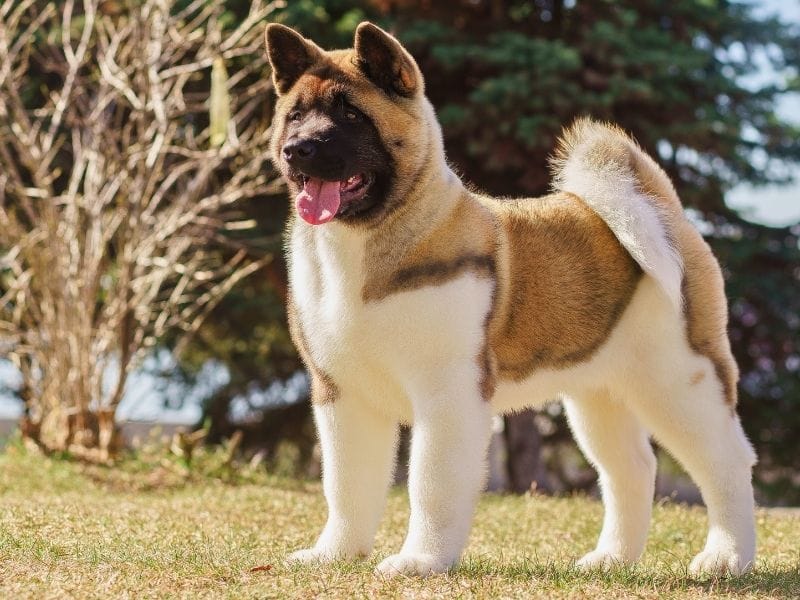
The Akita’s appearance is striking. With a powerful build, thick fur, and curled tail, the breed is easy to recognize. Understanding its size and features helps you prepare for life with an Akita.
Height And Weight
Akitas are among the largest Japanese breeds. Here’s a comparison of Akita size with similar breeds:
| Breed | Average Height (inches) | Average Weight (lbs) |
|---|---|---|
| Akita | 24-28 | 70-130 |
| Shiba Inu | 13-17 | 17-23 |
| Alaskan Malamute | 23-25 | 75-85 |
| Siberian Husky | 20-23.5 | 35-60 |
Male Akitas are usually larger, reaching up to 130 pounds. Females are smaller, often weighing 70-100 pounds. Height ranges from 24 to 28 inches at the shoulder. The Akita’s size requires space, sturdy equipment, and careful handling.
Body Structure
Akitas have a broad chest, strong legs, and thick neck. Their build is muscular but not bulky. The tail is a key feature—it curls over the back in a tight loop. This tail is both decorative and functional, helping balance and warmth.
Coat And Colors
The Akita’s coat is double-layered. The outer layer is straight and harsh, protecting from weather. The undercoat is soft and dense, providing insulation. Coat colors include:
- White
- Brindle (striped)
- Red
- Fawn
- Sesame (red with black tips)
- Black
Some Akitas have mask markings—dark fur on the face. Others are solid-colored. The coat sheds heavily twice a year (“blowing coat”), requiring extra grooming.
Facial Features
Akitas have a broad head, small eyes, and erect ears. The expression is alert and dignified. Their face often shows emotion through subtle movements. Owners learn to read their Akita’s moods by watching the eyes and ears.
Size Considerations
Living with a large dog brings challenges. Akitas need strong leashes, spacious beds, and secure fences. They can be intimidating to guests. Their size also affects health; joint issues, hip dysplasia, and obesity are common concerns.
Akita Care: Daily Needs And Best Practices
Caring for an Akita goes beyond basics. This section covers feeding, grooming, exercise, health, and living arrangements—everything you need to keep your Akita healthy and happy.
Feeding And Nutrition
Akitas require a balanced diet to maintain their muscular build. Adult Akitas eat 2-3 cups of high-quality dry food per day, split into two meals. Puppies need smaller, frequent meals.
Key points:
- Choose dog food with real meat as the first ingredient.
- Avoid fillers like corn or soy.
- Look for formulas with glucosamine for joint health.
- Fresh water must always be available.
Akitas can be picky eaters. Some refuse food if stressed or bored. If your Akita loses appetite, check for illness or changes in routine.
Grooming Needs
The Akita’s coat needs regular care. Here’s a grooming comparison with other breeds:
| Breed | Brushing Frequency | Shed Level | Baths per Year |
|---|---|---|---|
| Akita | 2-3 times/week | Heavy (seasonal) | 4-6 |
| Labrador Retriever | 1-2 times/week | Medium | 6-8 |
| Poodle | Daily | Low | 12+ |
During shedding, daily brushing is needed. Use slicker brushes and undercoat rakes. Baths help remove loose fur, but too many can dry the skin. Trim nails every few weeks, check ears for dirt, and clean teeth for good health.
Akitas are naturally clean. Many groom themselves like cats, licking paws and keeping fur tidy. But they still need help with heavy shedding.
Exercise And Mental Stimulation
Akitas are active but not hyper. Adults need 45-60 minutes of exercise each day. This can be split into walks, playtime, or training.
- Long walks or hikes are ideal.
- Games like fetch or tug-of-war help burn energy.
- Training sessions keep the mind sharp.
Akitas can be bored easily. Boredom leads to chewing, digging, or destructive behavior. Mental stimulation is as important as physical exercise—teach new tricks, offer puzzle toys, and vary routines.
One non-obvious insight: Akitas enjoy structured routines. They feel secure with set times for walks, meals, and play. Sudden changes can cause stress or confusion.
Health And Common Issues
Akitas are generally healthy, but some conditions are more common:
- Hip Dysplasia: A joint problem leading to pain and stiffness.
- Hypothyroidism: Slow thyroid can cause weight gain, hair loss, and lethargy.
- Progressive Retinal Atrophy (PRA): Eye disease that leads to blindness.
- Autoimmune Disorders: Akitas are prone to immune system issues.
Regular vet checkups are essential. Early detection helps manage health problems. Vaccinations, parasite control, and dental care are part of routine maintenance.
Living Arrangements
Akitas need space. They are not suited to tiny apartments unless you provide frequent outdoor exercise. A fenced yard is best—Akitas are escape artists, able to jump or dig under weak fences.
Akitas are sensitive to heat. Their thick coat makes them prone to overheating. Provide shade, fresh water, and avoid intense exercise in hot weather.
Socialization And Training
Early socialization shapes the Akita’s temperament. Introduce puppies to:
- Different people (children, adults)
- Other dogs (supervised)
- Noisy environments (traffic, vacuum cleaners)
- New places (parks, stores)
Training must be clear and consistent. Use positive reinforcement—treats, praise, or play. Avoid harsh corrections. Akitas respect confident, calm leaders.
Training tips:
- Start young; puppies learn faster.
- Keep sessions short and fun.
- Teach “leave it,” “come,” and “stay”—these commands help in emergencies.
- Practice leash manners; Akitas are strong and can pull hard.
Common mistake: Some owners skip socialization, thinking the Akita’s loyalty is enough. But unsocialized Akitas can be fearful or aggressive.
Akita And Children
Akitas can be good with children, but supervision is key. They are patient but dislike rough play. Teach kids to respect the dog’s space, avoid hugging, and never tease. Many Akitas protect children, but accidents can happen if boundaries are unclear.
Akita And Other Pets
Most Akitas prefer to live alone. With early socialization, some accept other dogs or cats, but there’s always risk. Watch for signs of dominance or aggression—stiff posture, staring, or growling. Separate pets if conflict arises.
Travel And Activities
Traveling with an Akita requires planning. Their size makes airline travel difficult. Car trips are easier—use sturdy crates and secure harnesses. Bring water, familiar toys, and regular breaks.
Akitas enjoy activities like hiking, running, and dog sports (obedience, agility). But they dislike chaotic environments—busy dog parks can be stressful.
Akita History And Breed Origins
The Akita’s story starts in Japan. Its history affects temperament and care.
Ancient Hunters
Akitas were bred in the northern region of Japan (Akita Prefecture) for hunting big game—bears, boar, deer. Their strength and courage made them valuable. They worked alone or in pairs, tracking animals through snow and forests.
Royal Status
Akitas were once reserved for nobles and samurai. Owning an Akita was a sign of status. The breed became a symbol of loyalty—the famous Hachiko, an Akita, waited for his deceased owner at a Tokyo train station for years.
Modern Developments
After World War II, Akitas were imported to the US. The American Akita is larger, with a broader head and heavier build. Japanese Akitas are slimmer, with fox-like faces. Both types share similar temperament but differ in appearance.
Here’s a comparison of Japanese vs. American Akita:
| Trait | Japanese Akita | American Akita |
|---|---|---|
| Head Shape | More fox-like | Broad, bear-like |
| Size | Smaller, lighter | Larger, heavier |
| Coat Colors | White, red, brindle | All colors allowed |
| Temperament | Reserved, calm | Bold, sometimes more outgoing |
Both types require similar care and training.
Choosing An Akita: What Matters Most
Selecting an Akita is not just about looks. You must consider temperament, health, and lifestyle.
Key Factors
- Temperament: Look for puppies or adults with stable, calm personalities. Avoid overly aggressive or fearful dogs.
- Health: Ask breeders for health clearances—hips, eyes, thyroid. Reputable breeders test parents for common issues.
- Socialization: Well-socialized Akitas adjust better to new homes.
- Activity Level: Match the dog’s energy to your lifestyle.
Finding A Breeder Or Rescue
Choose breeders who follow ethical practices. Visit their facility, meet the dogs, and ask questions. Avoid puppy mills or online sellers with no background checks.
Rescue organizations offer Akitas needing homes. These dogs may have special needs but can be wonderful companions. Make sure you understand their history and temperament.
Costs
Owning an Akita is expensive. Costs include:
- Purchase price: $800–$2,000 for a puppy
- Food: $50–$100 per month
- Vet care: $300–$600 per year
- Grooming: $50–$200 per year
- Training: $200–$500 for classes
Unexpected costs (emergencies, boarding) also occur.
Common Mistakes
- Ignoring temperament: Some buyers focus on appearance, not behavior.
- Skipping health checks: Hidden health issues can be costly.
- Underestimating size: Akitas need strong equipment and large spaces.
- Inadequate training: Untrained Akitas can be stubborn and difficult.
Living With An Akita: Daily Life Insights
Akitas change your routine. They require attention, respect, and structure. Here are some daily life tips:
Morning Routine
Akitas like consistency. Set a schedule for walks and meals. They wake up quietly, ready for a brief walk and breakfast. Avoid loud noises or chaos—Akitas prefer calm mornings.
Home Environment
Keep the house tidy. Akitas dislike clutter and loud activity. They choose a favorite spot, often near a window or door, to watch outside. Provide a comfortable bed, toys, and water.
Handling Visitors
Warn guests that Akitas may be aloof. Ask visitors not to approach the dog suddenly. Let your Akita observe new people at their own pace. If the dog is nervous, offer treats or praise for calm behavior.
Evening Routine
Akitas settle down after dinner. A short walk or play session helps burn energy. Avoid late-night excitement; Akitas sleep deeply and dislike interruptions.
Surprising Insight
Most Akitas dislike dog parks. The chaotic energy and strange dogs can trigger aggression or anxiety. Instead, find quiet places for walks or play.

Credit: www.amazon.com
Akita Training: Effective Methods
Training an Akita requires patience and skill. The breed learns quickly but needs motivation.
Basic Commands
Teach “sit,” “stay,” “come,” and “leave it. ” Use treats, praise, or toys as rewards. Keep sessions short (10-15 minutes). Akitas respond best to calm, confident trainers.
Leash Training
Akitas are strong. Start leash training early. Use sturdy leashes and harnesses. Teach “heel”—walking calmly beside you.
Socialization
Expose your Akita to different environments, sounds, and people. Start with quiet places, then move to busier areas. Reward calm behavior.
Advanced Training
Some Akitas enjoy advanced tasks—agility, obedience, or scent work. These activities challenge the mind and build confidence.
Common Mistakes
- Using harsh corrections: Akitas shut down if punished.
- Inconsistent rules: Mixed signals confuse the dog.
- Skipping socialization: Untrained Akitas may become fearful or aggressive.
Akita Health And Longevity
Akitas live 10-14 years on average. With good care, some reach 15 years or more.
Preventive Care
- Regular vet checkups (twice a year)
- Vaccinations (distemper, rabies, parvovirus)
- Parasite control (fleas, ticks, worms)
- Dental cleaning
Signs Of Illness
Watch for:
- Limping or stiffness
- Loss of appetite
- Lethargy
- Skin problems
- Eye or ear discharge
Early treatment prevents serious issues.
Senior Akitas
Older Akitas slow down. Provide softer beds, gentle exercise, and joint supplements. Monitor weight—obesity worsens joint problems.
Health Data
According to the American Kennel Club, common health issues include hip dysplasia (affecting 20-30% of Akitas), hypothyroidism, and eye diseases. Responsible breeding reduces risks.
Credit: www.borrowmydoggy.com
Akita Grooming: Step-by-step Guide
Grooming keeps your Akita healthy and comfortable.
Brushing
- Use a slicker brush for outer coat.
- Undercoat rake removes dead fur.
- Brush 2-3 times a week; daily during shedding.
Bathing
- Bathe every 2-3 months.
- Use dog shampoo—avoid human products.
- Dry thoroughly; damp fur can cause skin problems.
Nail Trimming
- Trim every 2-4 weeks.
- Use dog nail clippers.
- Avoid cutting too short—bleeding is painful.
Ear Cleaning
- Check ears weekly.
- Use cotton balls and dog ear cleaner.
- Avoid deep cleaning; only wipe visible areas.
Teeth Cleaning
- Brush teeth twice a week.
- Use dog toothpaste.
- Dental treats help but don’t replace brushing.
Practical Tip
Akitas tolerate grooming best when calm. Start sessions after exercise or play.
Akita Exercise: Keeping Your Dog Fit
Exercise prevents boredom and obesity.
Daily Activities
- Walks: 45-60 minutes per day
- Playtime: Fetch, tug, puzzle toys
- Training: New commands, tricks
Special Activities
Akitas enjoy hiking, running, and swimming. Some dislike water, so introduce gently.
Exercise Cautions
Avoid intense activity in hot weather. Akitas overheat easily. Monitor for limping or fatigue.
Non-obvious Insight
Mental games (hide-and-seek, scent work) tire Akitas faster than physical activity alone.

Credit: conafovicer.com
Akita Nutrition: Feeding Tips
Nutrition affects health and energy.
Best Foods
- High-quality kibble with real meat
- Limited fillers (corn, soy)
- Joint supplements (glucosamine, chondroitin)
Feeding Schedule
- Adults: 2 meals per day
- Puppies: 3-4 meals per day
Treats
Use healthy treats for training. Avoid table scraps—Akitas gain weight easily.
Water
Fresh water must be available at all times.
Common Mistake
Overfeeding is a risk. Monitor weight and adjust food as needed.
Akita Behavior: What Owners Should Know
Akitas have unique behaviors.
Guarding
They may protect their home and owner. Teach boundaries—don’t encourage aggressive guarding.
Stubbornness
Akitas make their own choices. Consistent training helps.
Social Preference
Most Akitas prefer calm environments. They dislike chaos and loud noises.
Surprising Insight
Akitas sometimes mimic owner routines—waking, eating, or sitting at the same times.
Akita Breed Standards
Breed standards help identify true Akitas.
American Kennel Club (akc) Standards
- Height: 24-28 inches (male), 22-25 inches (female)
- Weight: 70-130 pounds (male), 70-100 pounds (female)
- Coat: Double, harsh outer layer
- Colors: All colors allowed
See full standards at the AKC website.
Frequently Asked Questions
What Is The Akita’s Lifespan?
Most Akitas live 10–14 years. With good care, some reach 15 years or more. Regular vet visits, healthy food, and exercise help increase lifespan.
Are Akitas Good With Children?
Akitas can be patient with kids but need supervision. Teach children to respect the dog’s space. Avoid rough play and never leave young kids alone with any dog.
How Much Exercise Does An Akita Need?
Adult Akitas need 45–60 minutes of daily exercise. This includes walks, play, and training. Puppies need shorter, more frequent sessions.
Do Akitas Shed A Lot?
Yes, Akitas shed heavily twice a year (“blowing coat”). Regular brushing helps manage loose fur. Daily grooming is needed during shedding season.
Are Akitas Easy To Train?
Akitas are intelligent but independent. They learn quickly but need motivation. Use positive reinforcement and keep sessions short and consistent.
Living with an Akita is rewarding but requires knowledge and commitment. Their loyalty, intelligence, and beauty make them wonderful companions for the right owner. By understanding their temperament, size, and care needs, you can enjoy a deep bond and a happy, healthy dog.
The Akita is not a breed for everyone, but for those who value respect, dignity, and a unique canine friend, the journey is unforgettable.

We’re the dedicated team behind MyPawSafe.com, with over a decade of combined experience in veterinary care, pet emergency response, and animal behavior. While we prefer to let our work speak for itself, our mission is clear: to provide science-backed, vet-approved advice that helps pet owners prevent accidents and save lives.