The Bichon Frise is a small dog with a big personality. Known for its fluffy white coat and cheerful spirit, the Bichon Frise has captured hearts around the world. But behind the cute looks lies a dog breed that needs the right care, training, and attention to thrive. If you are thinking about bringing a Bichon Frise into your home, or just want to learn more about this breed, you’re in the right place. In this complete guide, you’ll discover what makes the Bichon Frise unique, how to care for one, and what life is really like with this joyful companion.
The Bichon Frise At A Glance
The Bichon Frise is a member of the non-sporting group in the American Kennel Club (AKC). With their round eyes, black noses, and soft, white curls, they look almost like living toys. But these dogs are more than just pretty faces. They are clever, adaptable, and surprisingly tough for their size.
Quick Facts
- Origin: Mediterranean region (possibly Tenerife, Canary Islands)
- AKC Classification: Non-sporting group
- Life Expectancy: 12–15 years
- Weight: 12–18 pounds (5.4–8.2 kg)
- Height: 9.5–11.5 inches (24–29 cm) at the shoulder
Temperament: What Is The Bichon Frise Really Like?
The Bichon Frise is famous for its happy attitude and playful energy. But what else should you know about its temperament before deciding to own one?
Cheerful And Friendly
Bichons are among the most cheerful companion dogs. They love spending time with their family and will greet you with excitement, even if you have only stepped out for a minute. Their happy-go-lucky attitude makes them great pets for families, singles, and seniors.
Intelligent And Trainable
These dogs are smart and eager to please, which makes training easier than with many other small breeds. They can learn tricks, basic commands, and even advanced obedience. However, their intelligence also means they can get bored if not mentally stimulated.
Social Butterflies
Bichons are very social and do best when they are not left alone for long periods. They love meeting new people, children, and other pets. Early socialization is important to ensure they remain friendly and confident as adults.
Sensitive Nature
While they are generally outgoing, Bichons can be sensitive to harsh words or loud noises. Positive reinforcement works best with them. If treated roughly, they may become shy or anxious.
Good With Children And Other Pets
Bichons are known for being gentle with children and usually get along well with other dogs and cats. Their playful nature means they enjoy games and activities, but their small size means playtime with very young children should be supervised to avoid accidental injuries.
Alert But Not Yappy
Unlike many small breeds, the Bichon Frise is not overly yappy. They will bark to alert you to someone at the door but are not known for constant barking. This makes them good choices for apartment living.
Non-obvious Insights On Temperament
- Emotional Bonding: Bichons often form a very strong emotional bond with one family member, sometimes following them from room to room. This can be sweet but may lead to separation anxiety if not managed.
- Empathy: Many owners report that Bichons can sense their moods. If you are sad or unwell, your Bichon may stay close by, offering comfort.
Size And Physical Characteristics
The Bichon Frise may look delicate, but they are surprisingly sturdy for their small size. Let’s break down what to expect.
Average Size
| Gender | Height (inches) | Weight (pounds) |
|---|---|---|
| Male | 10.5–11.5 | 13–18 |
| Female | 9.5–10.5 | 12–15 |
Bichons have a compact, balanced build. They move with a cheerful, bouncy gait and have a proud, confident posture.
Coat And Appearance
- Coat: Soft, dense undercoat with a curly, plush outer coat
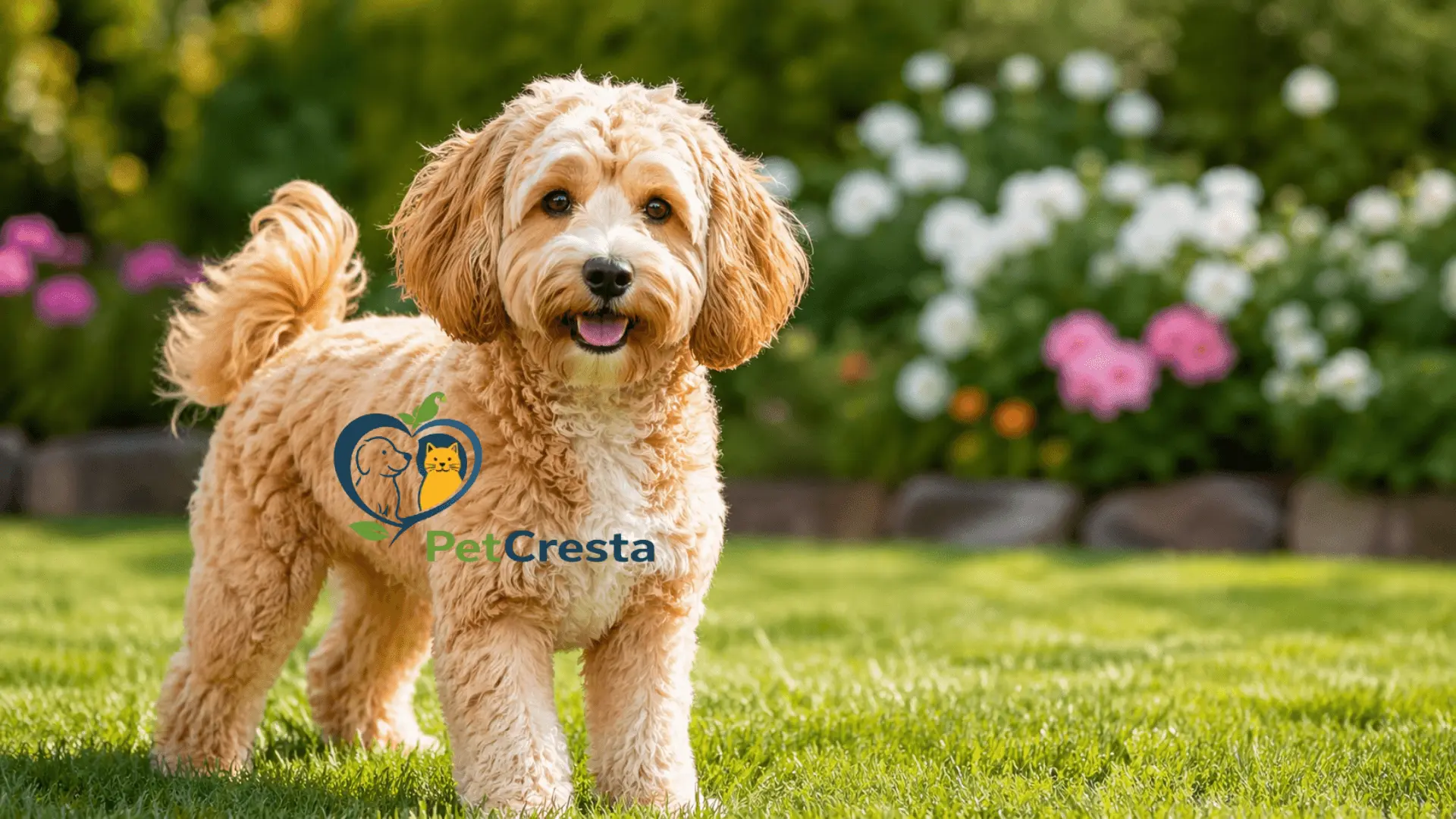
- Color: Pure white is most common; some puppies have cream or apricot shadings that fade with age
- Eyes: Dark, round, and expressive
- Nose: Black and prominent
Hypoallergenic Qualities
Bichon Frises are often called hypoallergenic dogs. While no dog is 100% hypoallergenic, Bichons shed very little and produce less dander, making them a good choice for people with mild allergies. Regular grooming is still important to keep allergens under control.
Durability
Despite their small size, Bichons are not fragile like some toy breeds. Their sturdy body allows them to enjoy active play without being easily injured. However, their small bones can still be hurt by rough handling or accidental falls.
Grooming And Coat Care
The Bichon Frise’s distinctive white curls are beautiful, but they require dedication. Grooming is a big part of Bichon care, and skipping it can lead to health problems.
Daily And Weekly Grooming Needs
- Brushing: Daily brushing is ideal to prevent mats and tangles. Their curly coat traps dirt and loose hair, so a slicker brush or pin brush works best.
- Bathing: Every 3–4 weeks. Use a gentle, dog-specific shampoo.
- Trimming: Professional grooming every 4–6 weeks is recommended to maintain their signature “powder puff” look.
Grooming Table: Key Tasks And Frequency
| Task | How Often | Tools Needed |
|---|---|---|
| Brushing | Daily | Slicker brush, comb |
| Bathing | Every 3–4 weeks | Dog shampoo, conditioner |
| Hair trimming | Every 4–6 weeks | Scissors, clippers |
| Ear cleaning | Weekly | Ear cleaner, cotton balls |
| Nail clipping | Every 2–3 weeks | Nail clippers |
| Dental care | 2–3 times/week | Dog toothbrush, toothpaste |
Tear Stains And Facial Care
Bichons are prone to tear stains, which show up as reddish-brown marks under their eyes. Keeping the face clean and trimming hair around the eyes helps reduce staining. Some owners use filtered water or special wipes for extra help.
Grooming Tips For Beginners
- Always brush before bathing; wet mats get tighter.
- Start grooming routines early, ideally as a puppy.
- Use treats and praise to make grooming a positive experience.
- If you are unsure, schedule professional grooming.
Common Grooming Mistakes
- Skipping regular brushing: This leads to painful mats that may need shaving.
- Using human shampoo: This can irritate a dog’s skin.
- Neglecting ears and teeth: Bichons are prone to ear infections and dental disease.
:strip_icc()/bichon-frise-dog-breed-profile-1117940_FINAL-3a7c731f06f2484c8fdad5ff1735d788.jpg)
Credit: www.thesprucepets.com
Exercise And Activity Needs
The Bichon Frise is playful and lively but does not have extreme exercise needs. Still, regular activity is important for their health and happiness.
How Much Exercise Does A Bichon Frise Need?
Bichons need about 30–60 minutes of activity per day. This can be a mix of walks, playtime, and indoor games. They are happy to join you in the yard or on short trips but are not built for long-distance running.
Good Activities For Bichons
- Walks: Two short walks daily are ideal.
- Fetch or tug games: Great for burning energy.
- Puzzle toys: Keep their minds active.
- Dog sports: Some Bichons enjoy agility or obedience competitions.
Indoor Vs. Outdoor Play
Bichons adapt well to apartment living as long as they get daily exercise. They love outdoor play but should be supervised—small dogs can slip through fences or be at risk from larger animals.
Non-obvious Insights On Activity
- Mental exercise is as important as physical exercise. Bichons enjoy learning tricks and solving puzzles, which helps prevent boredom.
- Weather sensitivity: Their white coat can stain easily in muddy conditions. Also, their small size means they can get cold quickly, so sweaters may be needed in winter.
Nutrition And Feeding
A healthy diet is key to a long and happy life for your Bichon Frise. But what should you feed them, and how much?
What Should A Bichon Frise Eat?
- High-quality commercial dog food (kibble or wet) is a good base.
- Some owners choose home-cooked or raw diets, but this should be done with help from a vet or canine nutritionist.
- Bichons may have food sensitivities, so watch for signs of allergies (itching, upset stomach).
How Much To Feed
The amount depends on age, weight, and activity level, but a typical adult Bichon needs about 1/2 to 1 cup of food per day, split into two meals.
Feeding Table: Typical Daily Amounts
| Life Stage | Food Amount (cups/day) | Meals per Day |
|---|---|---|
| Puppy | 1/2 – 1 | 3–4 |
| Adult | 1/2 – 1 | 2 |
| Senior | 1/2 – 3/4 | 2 |
Foods To Avoid
- Chocolate, grapes, raisins, onions, garlic
- Fatty or salty foods
- Cooked bones
Treats And Obesity
Bichons love treats, but too many can cause weight gain. Use small, healthy treats and account for them in the daily food total. Regular weigh-ins help catch weight gain early.
Water Needs
Fresh water should always be available. Some owners use filtered water to help reduce tear stains.

Credit: puppyheaven.com
Health And Common Medical Issues
The Bichon Frise is generally healthy, but like all breeds, they have some risk of genetic and age-related health problems.
Lifespan
With good care, Bichons often live 12–15 years, and some reach 16 or older.
Common Health Problems
- Allergies: Food and environmental allergies can cause itchy skin and ear infections.
- Dental disease: Small breeds are prone to tartar buildup and gum problems.
- Bladder stones: Bichons are at higher risk for urinary tract stones, which may require surgery.
- Patellar luxation: The kneecap slips out of place, causing limping.
- Hip dysplasia: Less common in Bichons, but still possible.
- Eye problems: Cataracts and tear staining are fairly common.
- Ear infections: Due to their floppy ears and hair growth inside the ear canal.
Regular Vet Care
- Annual checkups: At least once a year
- Vaccinations: As recommended by your vet
- Dental cleanings: Professional cleaning may be needed yearly
Non-obvious Health Insights
- Early dental care makes a big difference. Starting tooth brushing as a puppy can prevent most dental problems later.
- Watch for subtle changes: Bichons hide pain well. Reduced playfulness or small changes in bathroom habits can be early signs of illness.
Training And Socialization
Bichons are bright and eager to learn, which makes them fun to train. But their sensitive nature means you need patience and positive methods.
Potty Training
Bichons can be slow to house-train compared to some other breeds. Consistency, positive rewards, and crate training are helpful. Small bladders mean they need frequent bathroom breaks, especially as puppies.
Obedience And Tricks
These dogs pick up basic commands quickly and often enjoy learning tricks. Use food rewards, praise, and short sessions to keep them engaged.
Socialization
Expose your Bichon to new people, pets, and places from a young age. This builds confidence and helps prevent shyness or fearfulness.
Crate Training
A crate offers a safe space and can help with house training. Make the crate comfortable and never use it for punishment.
Common Training Mistakes
- Using harsh discipline: This can damage trust and make the dog anxious.
- Being inconsistent: Bichons need clear, consistent rules.
- Skipping socialization: Leads to a fearful or reactive adult.
Living With A Bichon Frise
Before you decide on a Bichon Frise, think about how this breed fits your lifestyle.
Is A Bichon Right For You?
- Great for families: They love children and other pets.
- Good for seniors: Low-shedding, cheerful, and not too demanding.
- Apartment-friendly: Small size and moderate exercise needs.
- Needs company: Not ideal if left alone all day.
Home Environment
Bichons do well in both houses and apartments, as long as they have company and daily play. Puppy-proof your home to keep them safe from hazards.
Time Commitment
Grooming, play, and companionship are daily needs. If you travel a lot or work long hours, consider if you have enough time for a Bichon.
Traveling With Your Bichon
Bichons are small enough to travel easily. They fit in airline-approved carriers and enjoy trips, but always check pet policies and make sure your dog is comfortable with travel.
Puppy And Adoption Considerations
Getting a Bichon Frise puppy or adopting an adult dog is a big decision. Here’s what to keep in mind.
Finding A Reputable Breeder
- Look for breeders who health-test their dogs for common issues.
- Visit the breeder’s home to see how puppies are raised.
- Ask about socialization and early training.
- Avoid pet stores or puppy mills.
Adoption Options
Many Bichons need homes through rescue groups and shelters. Adopting an adult dog can be a great choice, especially if you want to skip the puppy stage.
Bringing Your Bichon Home
- Prepare your house with a bed, crate, toys, food, and bowls.
- Schedule a vet visit in the first week.
- Set up a routine to help your dog adjust.
Costs Of Ownership
Owning a Bichon means regular expenses:
- Food and treats
- Grooming (professional grooming every 4–6 weeks)
- Vet visits and vaccinations
- Pet insurance (recommended)
- Toys, beds, and supplies
Bichons are not the cheapest breed to own, mainly due to grooming needs.
Social Life And Activities
The Bichon Frise thrives on attention and fun. They are happiest when they are part of family life.
Activities To Enjoy Together
- Walks in the park
- Playdates with other friendly dogs
- Training classes (obedience or tricks)
- Dog-friendly events
Traveling And Outings
Bichons enjoy outings as long as they are safe. Bring water and shade in hot weather, and protect them from cold or rain.
Community And Support
Join local or online Bichon groups to share tips and experiences. Meeting other Bichon owners can help you learn and find support.
Bichon Frise Vs. Similar Breeds
Many people confuse the Bichon Frise with other small white dogs. Here’s a quick comparison to help you spot the differences.
| Breed | Size | Coat | Temperament |
|---|---|---|---|
| Bichon Frise | 9.5–11.5 in., 12–18 lbs | Curly, plush, low-shedding | Cheerful, social, playful |
| Maltese | 7–9 in., 4–7 lbs | Long, silky, pure white | Gentle, affectionate, lively |
| Poodle (Toy) | 10 in. or under, 4–6 lbs | Curly, dense, low-shedding | Intelligent, active, alert |
| Havanese | 8.5–11.5 in., 7–13 lbs | Silky, wavy, varied colors | Friendly, smart, adaptable |
Key Differences
- Bichons have a rounder, puffier look compared to the Maltese’s straight coat or the Poodle’s tighter curls.
- Bichons are usually a little larger and sturdier than a Maltese.
- The Bichon’s temperament is generally more playful and social than the quieter Maltese.
Frequently Asked Questions
How Often Does A Bichon Frise Need To Be Groomed?
A Bichon Frise needs daily brushing at home to prevent mats and tangles. In addition, professional grooming is recommended every 4–6 weeks to maintain their coat and keep them healthy.
Are Bichon Frises Good For Allergy Sufferers?
Bichon Frises are considered a good choice for people with mild dog allergies. They shed very little and produce less dander than many other breeds. However, no dog is completely hypoallergenic. Regular grooming helps reduce allergens even more.
Can Bichon Frises Be Left Alone During The Day?
Bichons do not do well if left alone for long periods. They are very social and can develop separation anxiety if left by themselves all day. If you work full-time, consider doggy daycare, hiring a dog walker, or having a family member check in.
Are Bichon Frises Easy To Train?
Yes, Bichon Frises are intelligent and eager to please, making them generally easy to train. However, they can be sensitive, so positive reinforcement works best. House-training can take time, so patience and consistency are important.
What Are Common Health Issues In Bichon Frises?
Common health issues include allergies, dental disease, bladder stones, and ear infections. Regular vet care, a good diet, and proper grooming help prevent many problems. Always choose a breeder who health-tests their dogs.
Final Thoughts
The Bichon Frise is a charming, lively, and affectionate companion. With their playful spirit and loving nature, they fit well into many types of homes. However, their beautiful coat requires regular care, and they do best with owners who can give them plenty of attention. Whether you are a family looking for a friendly pet or a single person seeking a cheerful friend, the Bichon Frise brings joy and laughter to any household. As you make your decision, remember that the right care, training, and love will help your Bichon live a happy, healthy life for many years. For further reading, explore the detailed breed profile on the Wikipedia Bichon Frise page to deepen your understanding.
Credit: petcresta.com
We’re the dedicated team behind MyPawSafe.com, with over a decade of combined experience in veterinary care, pet emergency response, and animal behavior. While we prefer to let our work speak for itself, our mission is clear: to provide science-backed, vet-approved advice that helps pet owners prevent accidents and save lives.