Basset Hound Complete Guide: Temperament, Size, And Care
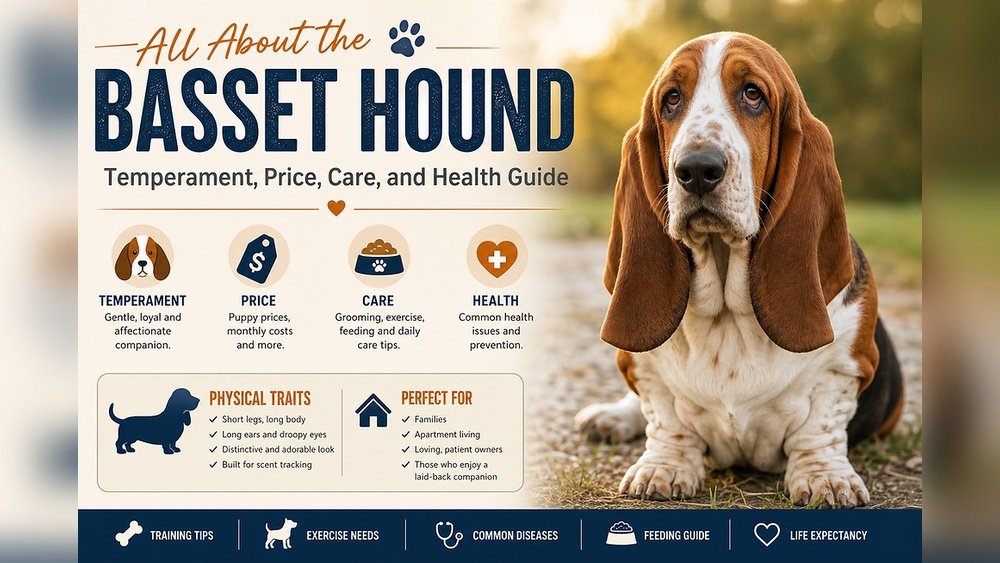
If you’re searching for a loyal, gentle companion with a big personality and adorable droopy ears, the Basset Hound may be your perfect match. Famous for their unique look and soulful eyes, Basset Hounds have captured hearts around the world. But before you bring one home, it’s important to understand everything from their temperament and size to their specific care needs. This guide will walk you through all the essentials and even share some lesser-known insights about this special breed.
Basset Hound Origins And History
The Basset Hound has roots that go deep into French history. The name “Basset” comes from the French word “bas,” meaning low, which fits their short-legged appearance. These dogs were bred by French monks in the Middle Ages to track small game, especially rabbits. Their excellent sense of smell and deliberate pace made them favorites among hunters who preferred to hunt on foot.
By the 19th century, Basset Hounds had made their way to England, where breeders refined the look we recognize today. Their popularity grew thanks to Queen Alexandra, who owned several Basset Hounds. Over time, they became cherished family pets, admired for their charm and calm nature.
Today, the Basset Hound remains a popular companion, known for its distinctive appearance and friendly personality. They are also one of the most recognizable breeds, thanks to their long ears, wrinkled skin, and expressive faces.
Appearance And Physical Characteristics
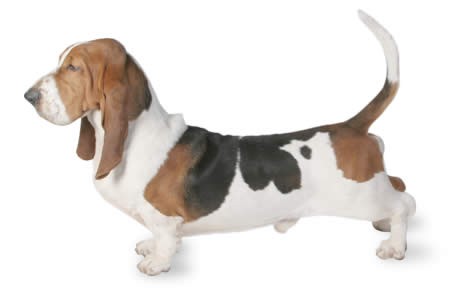
Basset Hounds are instantly recognizable. Their look is both adorable and unique, combining a sturdy body with features designed for scent tracking.
Size And Build
Basset Hounds are considered medium-sized dogs. Despite their short stature, they are heavier and more muscular than many expect. Here’s a quick overview:
| Characteristic | Male | Female |
|---|---|---|
| Height (at shoulder) | 12–15 inches | 11–14 inches |
| Weight | 55–75 lbs | 45–65 lbs |
| Body Length | Longer than tall | |
| Life Expectancy | 10–12 years | |
Their bodies are long and sturdy, with short, strong legs. This build helps them stay close to the ground, making scent tracking easier.
Coat And Colors
The Basset Hound’s short, dense coat is easy to care for. Most are tri-colored (black, white, and brown), but combinations like red and white or lemon and white also exist. Their skin is loose and wrinkled, especially around the face and neck. These wrinkles, along with their long, velvety ears, help trap scent particles close to the nose—a feature developed for hunting.
Key Features
- Ears: Extremely long, often reaching past their nose.
- Eyes: Large, sad-looking, often with a hint of red showing.
- Tail: Medium length, carried high with a slight curve.
- Feet: Large and well-padded, built for endurance.
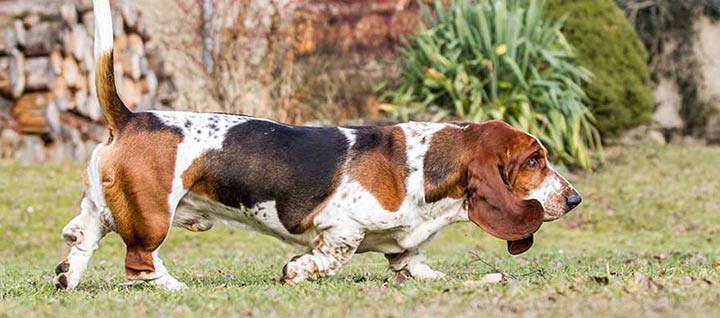
Credit: www.nylabone.com
Temperament And Personality
The Basset Hound is more than just a pretty face. Their temperament is often described as:
- Gentle
- Affectionate
- Patient
- Laid-back
But don’t let their calm nature fool you; Basset Hounds can be stubborn and independent. This combination of traits makes them unique among dog breeds.
Family Life
Basset Hounds are excellent family dogs. Their gentle nature means they get along well with children, and they rarely show aggression. They are tolerant of noise and chaos, often remaining calm even in busy households.
Interaction With Other Pets
Most Basset Hounds are friendly toward other dogs and pets. Their hunting background means they may chase smaller animals outdoors, but with proper introductions, they usually coexist peacefully with cats and other family pets.
Intelligence And Trainability
Basset Hounds are intelligent, but their independent streak can make training a challenge. They were bred to follow their noses, sometimes ignoring commands if they catch an interesting scent. Patience and consistency are essential. Positive reinforcement, such as treats and praise, works best.
Barking And Vocalization
Bassets have a deep, melodious bark, sometimes called a “bay. ” While they aren’t yappy, they will bark to alert you or if they’re bored. Their howl is distinctive and can carry over long distances—a trait that once helped hunters locate them.
Emotional Sensitivity
Basset Hounds are sensitive to their owner’s mood. They form strong bonds with their families and dislike being left alone for long periods. Separation anxiety is common if they’re ignored or left isolated.
Non-obvious Insight: Scent Obsession
Many beginners underestimate how powerful a Basset Hound’s sense of smell is. Their noses are second only to the Bloodhound. This means that even a small scent can distract them completely, so always keep them on a leash or in a secure area outdoors.
Non-obvious Insight: Laziness Is Deceptive
Basset Hounds are often called “couch potatoes,” but they actually need mental stimulation and moderate exercise. If they become bored, they might get into mischief or develop destructive habits.
Basset Hound Health And Common Issues
While Basset Hounds are generally robust, their unique shape and genetics lead to some specific health concerns.
Common Health Problems
| Health Issue | Description | Frequency |
|---|---|---|
| Ear Infections | Long ears trap moisture and debris | Very common |
| Obesity | Prone to weight gain due to low activity | Common |
| Hip/Elbow Dysplasia | Joint problems due to body structure | Moderate |
| Intervertebral Disc Disease (IVDD) | Back problems from long spine | Moderate |
| Eye Issues (Glaucoma, Ectropion) | Loose eyelids and droopy eyes | Occasional |
| Bloat (Gastric Dilatation) | Stomach expansion, can be life-threatening | Rare but serious |
Lifespan
The typical lifespan for a Basset Hound is 10–12 years. With good care, some live even longer.
Weight Management
Obesity is a major concern for this breed. Their laid-back nature and love for food make them prone to weight gain. Excess weight can worsen joint and back problems, so regular exercise and portion control are vital.
Non-obvious Insight: Watch The Stairs
Because of their long backs and short legs, Basset Hounds are at higher risk for spinal injuries. Limit stair climbing and jumping on/off furniture to protect their spines.
Preventive Care Tips
- Regular ear cleaning to prevent infections
- Annual vet check-ups, including eye and joint exams
- Maintain a healthy weight
- Use ramps or steps if needed
Credit: canna-pet.com
Grooming And Maintenance
Basset Hounds are not high-maintenance in terms of grooming, but they do require regular care to stay healthy and comfortable.
Coat Care
Their short coat needs brushing once or twice a week to remove loose hair. Basset Hounds shed year-round, but not excessively.
Bathing
Basset Hounds have oily skin, which can lead to a “doggy” smell. Bathing every 4–6 weeks helps keep odors under control. Use a gentle dog shampoo to avoid skin irritation.
Ears
Long, floppy ears are a Basset’s trademark, but they also trap dirt and moisture. Clean ears weekly with a vet-approved solution to prevent infections.
Wrinkles And Eyes
Check and gently wipe their facial wrinkles to remove dirt and moisture. Eyes may develop discharge; use a damp cloth to keep them clean.
Nails
Trim nails regularly, as Basset Hounds don’t wear them down naturally. Overgrown nails can cause pain and affect walking.
Dental Care
Brush teeth several times a week to prevent gum disease, which is common in this breed.
Grooming Checklist
- Brush coat weekly
- Bathe every 4–6 weeks
- Clean ears weekly
- Wipe wrinkles and eyes as needed
- Trim nails monthly
- Brush teeth 2–3 times a week
Exercise Needs And Activity Level
Basset Hounds have a reputation for being lazy, but they require daily exercise to stay healthy and happy.
Recommended Exercise
Aim for 30–60 minutes of activity each day. This can include:
- Leisurely walks
- Playtime in a secure yard
- Puzzle toys for mental stimulation
- Low-impact games (fetch, scent games)
Non-obvious Insight: Leash Is A Must
Never underestimate a Basset Hound’s ability to follow a scent. Even the best-trained Basset may ignore recall commands if something interesting catches their nose. Always use a leash or a fenced area.
Avoid Overexertion
While exercise is important, avoid strenuous activity, especially in hot weather or for puppies. Their heavy bodies and short legs make them overheat easily.
Fun Activities
Basset Hounds enjoy nose work, tracking games, and even agility (with modifications for their body type). These activities tap into their natural instincts and provide mental stimulation.
Feeding And Nutrition
Proper nutrition is essential for a Basset Hound’s long-term health.
Diet Overview
Feed a high-quality dog food formulated for medium breeds. Pay attention to portion size, as Basset Hounds are prone to overeating.
Feeding Guidelines
| Age | Meals per Day | Daily Amount (cups) |
|---|---|---|
| Puppy (2–6 months) | 3–4 | 1.5–2.5 |
| Adult (6 months+) | 2 | 1.5–2 |
| Senior (7 years+) | 2 | 1.25–1.75 |
Adjust amounts based on your dog’s activity level, age, and metabolism. Always provide fresh water.
Treats And Snacks
Limit treats to 10% of daily calories. Use low-calorie options, like carrots or apple slices, as rewards.
Non-obvious Insight: Watch For Allergies
Basset Hounds can be sensitive to some ingredients, like corn or wheat. If you notice itching, digestive upset, or ear infections, talk to your vet about possible food allergies.
Training And Socialization
Training a Basset Hound requires patience and understanding of their unique mindset.
Early Training
Start training as soon as you bring your puppy home. Focus on:
- House training
- Basic commands (sit, stay, come)
- Socialization with people and animals
Positive Reinforcement
Basset Hounds respond best to rewards-based training. Harsh corrections or punishment can make them shut down or become stubborn.
Consistency Is Key
Use the same cues and rewards every time. Short, frequent training sessions work better than long, repetitive ones.
Crate Training
Crate training helps with housebreaking and gives your Basset a safe place to rest. Make sure the crate is comfortable and not used as punishment.
Socialization
Expose your Basset to different environments, sounds, and people from a young age. Well-socialized Bassets are less likely to develop fears or aggression.
Common Training Challenges
- Stubbornness: Use high-value treats and make training fun.
- Distraction by scents: Train in quiet areas at first, then add distractions slowly.
- Barking: Teach a “quiet” command and reward calm behavior.
Non-obvious Insight: Scent Games Build Confidence
Scent-based games, like hide-and-seek with treats, help Basset Hounds use their natural skills and build confidence during training.

Credit: www.vetsaglik.com
Living With A Basset Hound: Daily Life
Bringing a Basset Hound into your home means adapting to their unique needs and personality.
Space Requirements
Basset Hounds do well in both apartments and houses, as long as they get daily walks. They are not escape artists, but their noses can lead them astray, so secure fencing is a must.
Alone Time
This breed doesn’t like being left alone for long hours. If you work long days, consider a pet sitter or dog walker.
Family Compatibility
Basset Hounds are gentle with children and patient with elderly family members. Their calm demeanor makes them ideal for households of all ages.
Non-obvious Insight: Slobber And Shedding
Basset Hounds drool more than many breeds, especially after eating or drinking. They also shed more than you might expect for a short-haired dog. Keep towels handy and invest in a good vacuum.
Travel And Outings
Basset Hounds are good travelers, but their size and weight make lifting them into cars a challenge. Use ramps and consider harnesses for car rides.
Choosing A Basset Hound: Puppy Or Rescue?
Deciding where to get your Basset Hound is a big step. Each option has its own benefits.
Buying A Puppy
Look for a reputable breeder who:
- Tests breeding dogs for common health issues
- Raises puppies in a home environment
- Provides early socialization
Ask to see health clearances and meet the puppy’s parents if possible.
Adopting From A Rescue
Many wonderful Basset Hounds are waiting for homes in shelters and rescues. Adoption can be a rewarding way to give a dog a second chance. Adult dogs may already be trained, and rescue organizations often provide health histories.
Red Flags
Avoid breeders or sellers who:
- Have multiple litters available at once
- Won’t show you where puppies are raised
- Lack health documentation
Cost Overview
The price for a Basset Hound puppy from a reputable breeder ranges from $800–$2,000, depending on pedigree and location. Adoption fees typically range from $100–$500.
Basset Hound Vs. Similar Breeds
If you’re considering a Basset Hound, you might also look at similar breeds. Here’s a comparison to help you decide:
| Breed | Height | Weight | Temperament | Activity Level |
|---|---|---|---|---|
| Basset Hound | 12–15 in | 45–75 lbs | Gentle, stubborn | Low–moderate |
| Beagle | 13–15 in | 20–30 lbs | Friendly, curious | Moderate–high |
| Dachshund | 8–9 in | 16–32 lbs | Playful, brave | Moderate |
| Bloodhound | 23–27 in | 80–110 lbs | Independent, affectionate | Moderate |
Basset Hounds are the best choice if you want a low-key, affectionate dog with a strong nose and a quirky personality.
Is The Basset Hound Right For You?
Owning a Basset Hound is a special experience, but they’re not the right breed for everyone. Consider these points before making your decision:
- Do you have time for daily walks and play?
- Are you patient with training and independent thinking?
- Can you handle some drool, shedding, and doggy odor?
- Will you keep up with regular grooming and vet visits?
- Are you ready for a loyal friend who needs lots of companionship?
If you answered “yes,” the Basset Hound could be a wonderful addition to your family.
Frequently Asked Questions
What Is The Average Lifespan Of A Basset Hound?
Most Basset Hounds live 10–12 years. With good care, some reach 13 or even 14 years, but this depends on genetics, diet, and regular vet visits.
Are Basset Hounds Good With Children?
Yes, Basset Hounds are known for their gentle and patient nature. They usually get along well with kids and rarely show aggression. Always supervise young children around any dog to prevent accidental injuries.
How Much Exercise Does A Basset Hound Need?
Basset Hounds need about 30–60 minutes of daily exercise. This includes walks and playtime. While they love to relax, regular activity helps prevent obesity and keeps them healthy.
Do Basset Hounds Shed A Lot?
Basset Hounds shed year-round, but their short coat makes it manageable. Weekly brushing helps reduce loose hair. Be prepared for some shedding on furniture and clothes.
Where Can I Learn More About Basset Hounds?
For more detailed breed information, health advice, and history, visit the Basset Hound Wikipedia page.
A Basset Hound’s loyalty, charm, and unique appearance make them unforgettable companions. With the right care and understanding, they can bring years of joy and laughter to your life. If you’re ready for a friend with a big heart and even bigger ears, the Basset Hound may just be your perfect match.
We’re the dedicated team behind MyPawSafe.com, with over a decade of combined experience in veterinary care, pet emergency response, and animal behavior. While we prefer to let our work speak for itself, our mission is clear: to provide science-backed, vet-approved advice that helps pet owners prevent accidents and save lives.