The Papillon is a breed that captures attention with its butterfly-like ears and lively personality. Many dog lovers are drawn to this small, elegant companion, but there’s much more to these dogs than their appearance. If you’re considering adding a Papillon to your home, or simply want to know what makes them unique, this guide covers everything you need: temperament, size, care, history, and more. You’ll discover not just facts, but also insights that help you decide if the Papillon matches your lifestyle.
Papillon Origins And History
The Papillon is one of the oldest toy breeds. Its name comes from the French word for “butterfly,” inspired by the breed’s large, fringed ears that resemble butterfly wings. But this breed’s history goes far beyond its elegant appearance.
Paintings from the 16th century often show small spaniel-type dogs with noble families. These early Papillons were loved by European royalty, including Marie Antoinette. The breed likely descends from toy spaniels brought from Asia to Europe, then refined in France and Belgium.
For centuries, Papillons were bred to be companions. Their friendly, lively nature was perfect for court life, but also made them popular among artists and commoners. The breed standard was formalized in the 20th century, and Papillons became known worldwide for their intelligence and beauty.
Papillon Appearance And Size
The Papillon’s look is both refined and playful. They are small dogs, but their posture and energy make them appear larger than their size.
| Trait | Details |
|---|---|
| Height | 8–11 inches at the shoulder |
| Weight | 5–10 pounds (typically 7–9 pounds) |
| Coat | Single, silky, straight, medium-length |
| Colors | White with patches of any color; always with some white on the body |
| Ear Type | “Papillon” (erect) or “Phalène” (dropped) |
| Lifespan | 12–16 years (some live longer with good care) |
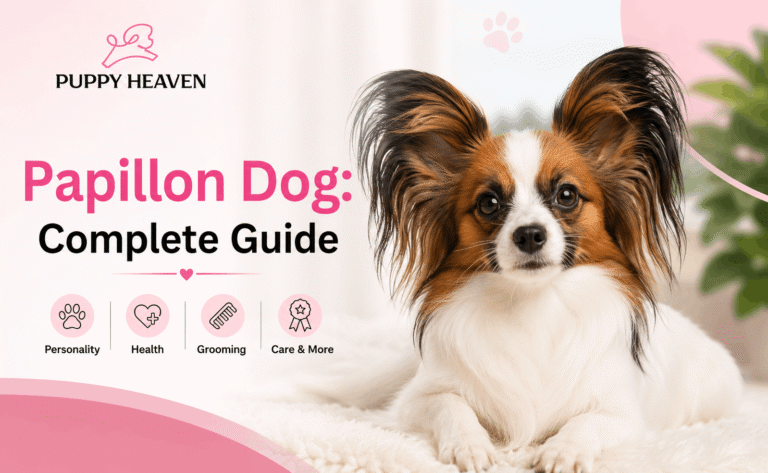
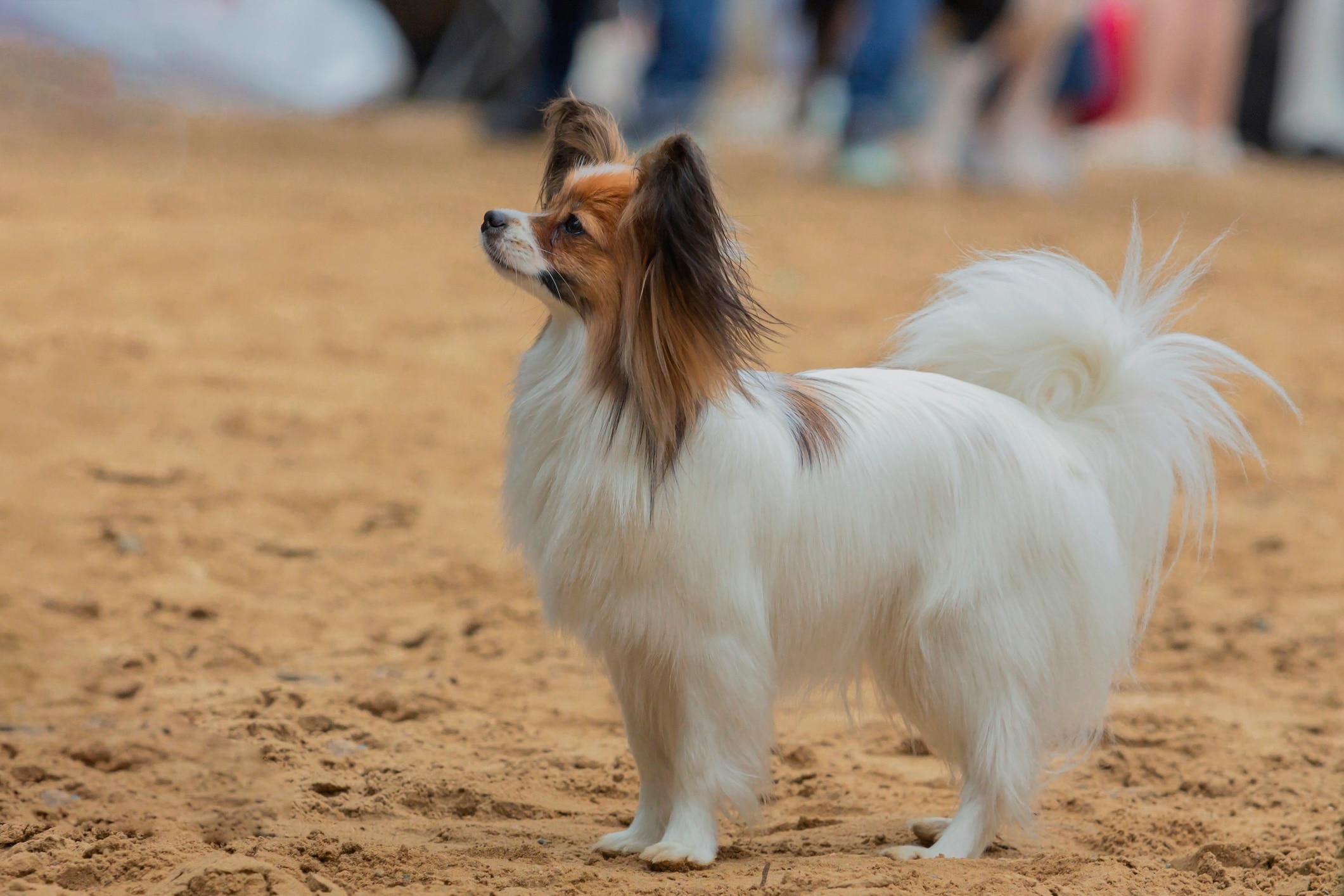
Papillons stand out because of their fringed, upright ears and long tail, which curls over their back. Some Papillons, called Phalènes, have dropped ears. Both types are considered part of the same breed. The coat is soft and does not mat easily, but regular brushing is still needed.
Papillon Temperament: What To Expect
Papillons are often described as lively, alert, and intelligent. These dogs are not just lap dogs—they are full of energy and curiosity.
Key Personality Traits
- Highly Intelligent: Papillons often excel in obedience and agility competitions. They learn commands quickly and enjoy mental challenges.
- Friendly and Social: They usually get along well with people and other pets. Socialization is important, especially with children.
- Alert and Watchful: Papillons notice everything. They make good watchdogs, but their bark can become annoying if not managed.
- Affectionate: They form strong bonds with their family and love attention.
- Confident and Outgoing: Papillons are not shy. They often approach new situations with curiosity, not fear.
Living With A Papillon
Despite their small size, Papillons are not fragile or timid. They enjoy being part of family activities and need both physical and mental stimulation. Boredom can lead to unwanted behaviors, such as barking or chewing.
Papillons are also sensitive to their owner’s mood. They thrive in homes where positive reinforcement is used. Harsh discipline can damage their trust.
Temperament Table: Papillon Vs. Other Toy Breeds
Understanding how Papillons compare to similar breeds helps you decide if their energy and personality fit your life.
| Trait | Papillon | Pomeranian | Cavalier King Charles Spaniel |
|---|---|---|---|
| Intelligence | Very high | High | Average |
| Energy Level | High | Medium | Medium |
| Friendliness | Very friendly | Friendly | Very friendly |
| Watchdog Ability | Good | Good | Low |
| Trainability | Excellent | Moderate | Good |
Papillon Care: Daily Needs And Long-term Health
Caring for a Papillon is not complex, but it does require attention to certain details. Their small size can fool some owners into thinking they need little exercise or training, but the opposite is true.
Exercise Requirements
Papillons are active. They enjoy walks, playtime, and learning new tricks. A daily walk plus play sessions at home will keep them happy. Puzzle toys or agility activities are also great. Without enough activity, Papillons can develop behavioral problems.
Nutrition And Feeding
A healthy Papillon needs a balanced diet. High-quality dry kibble or fresh food with proper nutrients is important. Because they are small, it’s easy to overfeed them. Measure portions carefully and avoid too many treats.
Feeding Tips:
- Puppies (2–6 months): 3–4 meals per day
- Adults: 2 meals per day
- Always provide fresh water
Some Papillons have sensitive stomachs. Introduce new foods slowly and watch for allergies or digestive issues.
Grooming
Papillons are considered low-maintenance compared to some long-haired breeds, but regular grooming keeps them looking and feeling their best.
- Brush the coat 2–3 times per week to prevent tangles.
- Bathe as needed, usually every 1–2 months.
- Trim nails every 2–3 weeks.
- Clean ears regularly to avoid infections.
The Papillon’s coat does not have an underlayer, so they shed less than double-coated breeds. However, shedding does occur, especially in spring and fall.
Dental Care
Small dogs like Papillons are prone to dental disease. Brush their teeth several times a week with a dog-safe toothpaste. Dental chews and regular vet checkups help prevent problems.
Health Concerns
Papillons are generally healthy, but some conditions are more common in the breed:
- Patellar luxation (knee cap slips out of place)
- Dental disease
- Progressive retinal atrophy (PRA) (eye disease)
- Collapsed trachea
- Heart issues (like mitral valve disease)
Responsible breeders test for these issues. Always ask for health clearances when getting a Papillon puppy.
Lifespan And Aging
With good care, Papillons live 12–16 years, and some reach 17 or more. They age gracefully but may develop arthritis or vision issues later in life. Senior Papillons often remain active and playful, but they need more rest and softer food as they age.
Credit: puppyheaven.com
Training And Socialization
Papillons are easy to train if you use positive methods. They love to please and are motivated by treats, play, or praise.
House Training
Start house training early. Papillons are quick learners, but their small bladders mean they need frequent bathroom breaks. Use a regular schedule and reward good behavior.
Obedience And Tricks
These dogs excel in obedience. Teach them basic commands (“sit,” “stay,” “come”) and advance to tricks or agility if you like. Training sessions should be short and fun.
Socialization
Expose your Papillon to new people, pets, and environments from a young age. Early socialization builds confidence and prevents shyness or fear-based aggression.
Common Training Mistakes
- Using harsh punishment: Papillons may become fearful if yelled at or handled roughly.
- Skipping socialization: Without exposure, they may bark at strangers or other dogs.
- Inconsistent routines: Clear, simple rules help Papillons learn faster.
A non-obvious tip: Papillons often respond better to food rewards in the morning, when they’re hungrier, so schedule training sessions before breakfast for best results.
Living Environment: Is A Papillon Right For You?
Papillons adapt well to various homes, but there are important factors to consider.
Apartment Or House?
Papillons are ideal for apartment life because of their size and cleanliness. But they are not “purse dogs” who are happy with no activity. They need daily walks and playtime, even in a small space.
If you have a yard, secure it well. Papillons are curious and can slip through small gaps in fences.
Children And Other Pets
Papillons usually get along with other pets if introduced properly. They are gentle with respectful children, but their small size means rough handling can cause injury. Teach kids how to play gently.
Papillons may chase small animals outdoors, so always use a leash or supervise in open areas.
Alone Time
Papillons want to be with their family. They may develop separation anxiety if left alone for long periods. If you work long hours, consider doggy daycare or a pet sitter.
Weather Concerns
Because they are small and single-coated, Papillons are sensitive to extreme cold. In winter, use a dog sweater or jacket for walks. In hot weather, provide shade and water, and avoid midday exercise.
Credit: pizzavilleusa.com
Choosing A Papillon: What To Look For
Finding a healthy, well-bred Papillon is essential for a happy relationship. Not all breeders are equal, and puppy mills or irresponsible sellers can lead to serious problems.
Responsible Breeders
Choose breeders who:
- Health test their breeding dogs for common Papillon issues
- Allow you to visit and meet the puppies and parents
- Provide clear health records and contracts
- Socialize puppies from an early age
Avoid breeders who won’t answer questions, sell multiple breeds, or have many litters at once.
Adoption And Rescue
Many Papillons need homes through rescue groups. Adoption is a great option if you don’t require a puppy. Older dogs may be calmer and already trained.
Puppy Or Adult?
Puppies require more time and training, but you can shape their behavior from the start. Adults are often easier for first-time owners, as their personality is clear.
Price And Costs
Papillon puppies from reputable breeders usually cost $1,000–$3,000 in the US, depending on pedigree and location. Adoption fees are lower, usually $200–$500.
Annual costs (food, vet, grooming, supplies) can reach $800–$1,200. Unexpected medical costs may add more.
Papillon Activities: Keeping Them Happy
Papillons love to be active. Their small size doesn’t mean they like to sit still all day. Here’s how to keep them engaged and healthy.
Exercise And Games
- Daily walks: At least 30 minutes, broken into two sessions if needed.
- Fetch: Papillons love to chase small balls or toys.
- Agility: Many Papillons compete in agility events. You can set up a mini-course at home.
- Puzzle toys: These challenge their mind and prevent boredom.
Dog Sports
Papillons are top performers in dog sports. They often win ribbons in agility, obedience, and even canine freestyle (dog dancing). If you want a dog that enjoys learning and showing off, the Papillon is a great choice.
Social Outings
Papillons enjoy going to pet-friendly cafes, parks, and even on short trips. They love being with you and experiencing new things. Be sure to carry water and a travel carrier for safety.
A less obvious benefit: Many Papillons are comfortable in public because they have been socialized in different environments. Take your Papillon to new places early to build confidence.
Common Papillon Myths And Truths
It’s easy to believe some myths about small dogs like the Papillon. Here are facts that might surprise you.
- Myth: Papillons are fragile and can’t play roughly.
- Truth: While small, Papillons are sturdy for their size. Supervise play with larger dogs or young children to prevent accidental injury.
- Myth: Papillons are nervous or yappy.
- Truth: Properly socialized Papillons are alert but not anxious. Excessive barking usually means boredom or lack of training.
- Myth: Papillons don’t need much exercise.
- Truth: They need daily activity and mental challenges to avoid boredom and destructive habits.
- Myth: Papillons are only for experienced dog owners.
- Truth: They are suitable for first-time owners if you commit to training and regular care.
- Myth: Papillons shed all the time.
- Truth: They shed moderately, mainly during seasonal changes, and are not as high-maintenance as some long-haired breeds.
Papillon Health And Longevity: What Owners Should Know
Papillons have a reputation for good health and long lives. Still, there are unique aspects about their health that many people overlook.
Preventive Health Care
- Annual checkups: These catch early signs of heart or dental issues.
- Vaccinations: Keep up to date, especially for dogs who travel or meet others.
- Parasite control: Flea, tick, and worm prevention are important, even for indoor dogs.
Spaying And Neutering
Spaying or neutering helps prevent unwanted litters and some health issues, such as uterine infections or testicular cancer.
Recognizing Early Signs Of Illness
Papillons often hide discomfort. Watch for:
- Changes in appetite or drinking
- Coughing, sneezing, or trouble breathing
- Limping or reluctance to move
- Changes in behavior or energy
Early vet visits can prevent small problems from becoming big ones.
Vaccination And Vet Visits Table
Here’s a quick reference for common Papillon health checks:
| Age | Health Needs |
|---|---|
| 8–16 weeks | Puppy vaccines, deworming, first vet exam |
| 6–12 months | Spay/neuter, booster vaccines, dental check |
| 1–7 years | Annual checkups, routine vaccines, dental cleaning |
| 8+ years | Senior bloodwork, arthritis checks, heart monitoring |

Credit: www.holistapet.com
Traveling With A Papillon
Papillons are great travel companions thanks to their size and adaptability. Still, you need to prepare for trips to keep your dog safe and comfortable.
Car Travel
- Use a secure carrier or dog seat belt.
- Bring water, a familiar blanket, and toys.
- Stop every 2–3 hours for a bathroom break and exercise.
Air Travel
Most airlines allow Papillons in the cabin if they fit under the seat. Check airline rules before booking. Make sure your dog is calm and comfortable in their carrier before flying.
Hotels And Rentals
Look for pet-friendly places. Bring your dog’s food, bed, and health records. Never leave a Papillon alone in a new place—they may bark or become anxious.
A helpful tip: Always carry a recent photo of your Papillon and a microchip registration in case you become separated during travel.
Papillon Community And Resources
Papillon owners are passionate and connected. Joining breed clubs, online forums, or attending meetups can help you learn more and share experiences.
The Papillon Club of America offers advice, rescue contacts, and health updates. There are also many social media groups where you can ask questions and see photos from other owners.
For more background and breed information, visit the Papillon Wikipedia page.
Frequently Asked Questions
What Is The Difference Between Papillon And Phalène?
Both are the same breed. The Papillon has upright, butterfly-like ears. The Phalène has dropped, moth-like ears. They can even appear in the same litter and are judged together in most dog shows.
Are Papillons Hypoallergenic?
No, Papillons are not hypoallergenic. They shed, but less than some breeds. Regular brushing reduces loose hair. If you have mild allergies, you may still be comfortable, but severe allergy sufferers should spend time with the breed before adopting.
How Much Exercise Does A Papillon Need?
Papillons need at least 30–45 minutes of exercise daily. This includes walks, indoor play, and mental challenges like puzzle toys or learning tricks. They enjoy more activity if you’re willing to provide it.
Are Papillons Good With Children?
Papillons can be excellent with gentle, respectful children. Their small size means they can be injured by rough play, so always supervise. Teach kids to handle the dog carefully and avoid chasing or grabbing.
How Long Do Papillons Usually Live?
Papillons often live 12–16 years, and many reach 17 or even 18 with good care. Regular vet visits, dental care, and a healthy lifestyle help your Papillon enjoy a long, active life.
A Papillon is more than a pretty face—it’s an energetic, loving, and intelligent companion. If you’re ready to meet their needs for activity, training, and attention, this breed will reward you with years of joy, loyalty, and fun. Whether you live in a city apartment or a house with a yard, Papillons adapt to your life and fill it with energy and affection.
With the right care, your Papillon will be your shadow and your best friend for many years to come.

We’re the dedicated team behind MyPawSafe.com, with over a decade of combined experience in veterinary care, pet emergency response, and animal behavior. While we prefer to let our work speak for itself, our mission is clear: to provide science-backed, vet-approved advice that helps pet owners prevent accidents and save lives.