
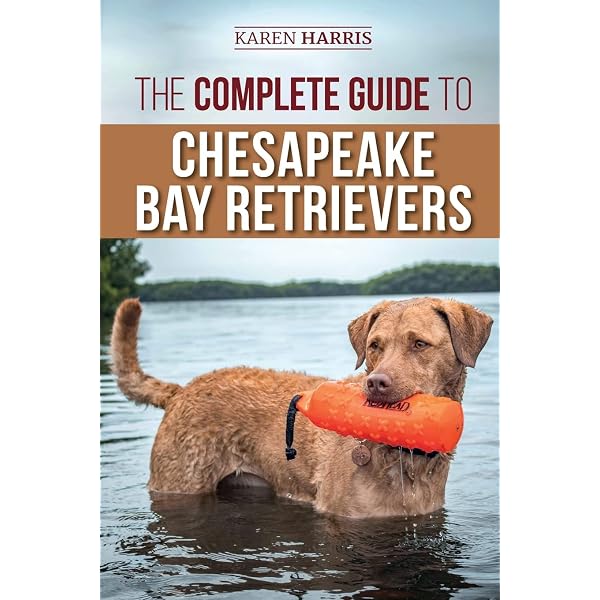
The Chesapeake Bay Retriever stands as a symbol of strength, intelligence, and loyalty among American dog breeds. Sometimes called the “Chessie,” this dog is more than just a skilled retriever—it’s a devoted companion and a hardworking guardian. Whether you are looking for a family dog, a sporting companion, or a working helper, the Chesapeake Bay Retriever has unique traits that set it apart from other breeds.
But what truly defines the Chessie? How big do they get? What is daily life like with one? And, most importantly, what should you know to care for this breed properly?
This guide will answer these questions and more, giving you a full picture of the Chesapeake Bay Retriever’s temperament, size, and care needs. If you are considering welcoming a Chessie into your life, or you simply want to understand this American classic, you’ll find all you need below—plus practical insights that even experienced owners sometimes overlook.
The Chesapeake Bay Retriever: Origins And History
To understand the Chessie’s temperament and needs, it helps to know where this breed comes from. The Chesapeake Bay Retriever traces its roots to the early 19th century along the Chesapeake Bay in Maryland, USA. Its ancestors were two Newfoundland dogs rescued from a shipwreck in 1807, who were then bred with local retrievers, setters, and possibly hounds. The goal? To create a dog that could work in icy waters, retrieving waterfowl for hunters in harsh winter conditions.
Chessies quickly gained fame for their endurance, strength, and determination. Unlike many retrievers bred mainly for companionship, the Chessie’s job was tough: break through ice, swim in freezing water, and bring back ducks or geese, sometimes hundreds in one day. This working background still shapes the breed’s personality and abilities today.
Breed Overview At A Glance
Before diving deeper, let’s look at some fast facts about the Chesapeake Bay Retriever.
| Trait | Details |
|---|---|
| Origin | United States (Maryland, Chesapeake Bay) |
| Breed Group | Sporting/Working |
| Weight | Females: 55–70 lbs, Males: 65–80 lbs |
| Height | Females: 21–24 in, Males: 23–26 in (shoulder) |
| Life Expectancy | 10–13 years |
| Coat | Short, dense, water-resistant, wavy |
| Main Uses | Hunting, search & rescue, family companion, therapy |

Credit: magazine.joovy.com
Temperament: What Makes A Chessie Unique?
The Chesapeake Bay Retriever is not your average retriever. While they share some traits with Labradors and Goldens, Chessies have their own distinct personality.
Confidence And Loyalty
One of the first things people notice about the Chessie is its confidence. These dogs are not shy. They are alert, aware of their environment, and quick to assess new people or situations. However, this confidence comes with deep loyalty to their family. Chessies often form a tight bond with their owners and can be reserved—sometimes even aloof—with strangers.
Protective Instincts
Unlike some retrievers, Chessies have a strong protective streak. They will not hesitate to alert you if something seems off, and many act as natural watchdogs. This doesn’t mean they are aggressive, but their serious nature makes them less likely to welcome everyone with open paws. Early socialization is key to ensure they grow into well-mannered adults.
Intelligence And Problem Solving
Chessies are highly intelligent and independent thinkers. They like to figure things out on their own, which is a double-edged sword. On one hand, they learn commands quickly. On the other, they sometimes question why they should follow them. This trait means that training should be consistent, positive, and respectful of their clever minds.
Work Ethic And Energy Level
This breed was made to work. Chessies have a strong work ethic and high energy. They need daily physical and mental exercise—simple walks are not enough. Without enough stimulation, a Chessie may become bored, which can lead to unwanted behaviors like digging or chewing.
Family Compatibility
Chessies are excellent family dogs for active households. They are usually gentle with children, patient, and protective. However, their strength and exuberance mean supervision is wise, especially with small kids. They also tend to get along well with other pets if raised together, but their dominant side may appear with unfamiliar dogs.
Notable Insights
- Many new owners expect Chessies to act like Labradors—friendly with everyone. In reality, Chessies are more discerning, which can be misunderstood as stubbornness or aloofness.
- They are often highly sensitive to their owner’s emotions, offering comfort or space as needed.
Size And Appearance: More Than Meets The Eye
The Chesapeake Bay Retriever is a muscular, powerful dog—built for stamina and tough conditions. Their appearance is functional, and every part of them has a purpose.
General Size
- Males: 65–80 pounds, 23–26 inches at the shoulder
- Females: 55–70 pounds, 21–24 inches at the shoulder
This makes the Chessie one of the larger retriever breeds, but not the heaviest.
Body Structure
Chessies have a broad chest, strong legs, and a slightly wavy coat. Their tail is medium length and thick at the base, helping them steer in water. Their feet are webbed, which adds to their swimming power.
| Feature | Chesapeake Bay Retriever | Labrador Retriever | Golden Retriever |
|---|---|---|---|
| Weight (Male) | 65–80 lbs | 65–80 lbs | 65–75 lbs |
| Coat Texture | Short, dense, wavy | Straight, dense, short | Long, wavy, thick |
| Protective Instinct | High | Low | Low |
Coat And Color
Their double coat is one of the breed’s defining features. The outer layer is harsh, short, and oily, which repels water, while the undercoat is dense and woolly for insulation. Common coat colors include brown, sedge (reddish), and deadgrass (tan to straw). Small white spots on the chest or toes are allowed but not encouraged by breed standards.
Head And Expression
A Chessie’s head is broad with a medium stop (the point where the forehead meets the muzzle). Their eyes are clear and often amber or yellowish, giving an intelligent and direct look.
Common Misconceptions
Some people think all retrievers look and act the same. In truth, the Chessie’s rugged build, wavy coat, and serious expression set them apart from their more popular cousins.
Exercise And Activity Needs
A Chesapeake Bay Retriever is not a couch potato. If you’re looking for a low-energy breed, this is not the dog for you.
Daily Exercise Requirements
Most Chessies need at least 1–2 hours of vigorous activity every day. This includes:
- Swimming: Their favorite! Chessies love water and are natural swimmers.
- Fetching: They excel at retrieving games, especially in water.
- Hiking or Running: Long walks, jogs, or hikes keep them happy.
- Dog Sports: Activities like agility, dock diving, or tracking challenge their minds and bodies.
Mental Stimulation
Chessies get bored easily. Mental challenges are as important as physical ones. Try:
- Puzzle toys and food-dispensing balls
- Scent games (hide-and-seek with treats)
- Obedience or trick training
Notable Insight
A Chessie without enough exercise can develop destructive habits. Many “behavior problems” in the breed are actually signs of boredom or pent-up energy.
Training: Bringing Out The Best
Training a Chesapeake Bay Retriever is both rewarding and demanding. Their intelligence and independence require a thoughtful approach.
Early Socialization
Expose your Chessie puppy to many people, dogs, sounds, and places during the first 16 weeks of life. This helps prevent fearfulness and teaches them to handle new situations calmly.
Consistent, Positive Training
- Use positive reinforcement (treats, praise, toys) instead of harsh corrections.
- Set clear rules and stick to them. Chessies respect consistency.
- Short, frequent training sessions (5–10 minutes) work best.
- Practice patience; Chessies may question commands, but they’re not being stubborn—they’re thinking.
Advanced Training
Because of their intelligence, Chessies excel at:
- Advanced obedience
- Search and rescue
- Hunting and field trials
- Therapy or service work
Common Training Mistakes
- Using forceful or angry training methods. Chessies may shut down or become stubborn.
- Letting them get bored. If training isn’t fun or challenging, they lose interest quickly.
Grooming And General Care
The Chesapeake Bay Retriever is a low-maintenance dog in terms of grooming, but regular care is still important.
Coat Care
- Brushing: Once a week is usually enough. Use a slicker brush or undercoat rake.
- Bathing: Only when truly dirty (every 2–3 months). Too much bathing strips the natural oils that make their coat water-resistant.
- Shedding: Chessies shed year-round, with heavier “blowouts” in spring and fall.
Ear, Nail, And Dental Care
- Ears: Check weekly for redness, odor, or wax buildup. Dry ears after swimming to prevent infection.
- Nails: Trim every 3–4 weeks. Chessies are active, but not all wear their nails down naturally.
- Teeth: Brush 2–3 times a week, or use dental chews.
Special Care Tips
- Avoid heavy shampoos or conditioners; these can ruin their coat’s water-repellent quality.
- Inspect paws for cuts or debris after outdoor activity.
Living Environment
Chessies can adapt to many homes, but they thrive with space to run. A house with a yard is ideal. Apartment living is possible only with a serious commitment to daily exercise.
Nutrition And Feeding
Feeding a Chesapeake Bay Retriever means giving them enough energy without overfeeding—a balance that takes some attention.
Basic Diet Guidelines
- High-quality kibble or a balanced homemade/raw diet
- Protein: At least 22% for adults, higher for puppies
- Fat: At least 8% for adults
Daily Amount
Adult Chessies usually eat 2.5 to 3.5 cups of food per day, split into two meals. Adjust based on age, activity level, and metabolism.
Foods To Avoid
- High-fat table scraps
- Grapes, raisins, chocolate, onions, garlic
- Cooked bones
Weight Management
Chessies have a tendency to gain weight if overfed or under-exercised. Monitor their body condition—ribs should be easy to feel but not visible.
Water Needs
Always provide fresh, clean water—especially after exercise or swimming.
Health And Lifespan
The Chesapeake Bay Retriever is generally a hardy breed, but they are prone to some specific health concerns.
Common Health Issues
- Hip Dysplasia: Malformation of the hip joint, which can cause pain or arthritis.
- Progressive Retinal Atrophy (PRA): A genetic eye disease that leads to vision loss.
- Elbow Dysplasia: Similar to hip dysplasia but in the elbow joint.
- Degenerative Myelopathy: A neurological disorder affecting older dogs.
- Gastric Dilatation-Volvulus (Bloat): A serious, sometimes fatal twisting of the stomach.
Preventive Measures
- Choose a breeder who tests for hips, elbows, and eyes.
- Keep your Chessie at a healthy weight.
- Avoid vigorous exercise right after meals to reduce bloat risk.
Routine Vet Care
- Annual check-ups
- Vaccinations
- Parasite prevention (fleas, ticks, heartworm)
Lifespan
Most Chessies live 10–13 years, with some reaching 14 or more with proper care.
Notable Insight
Regular joint supplements (like glucosamine and chondroitin) can help support Chessies as they age, especially if they are very active in their younger years.
Living With A Chesapeake Bay Retriever: Is It The Right Dog For You?
The Chessie is not for everyone. They’re best for owners who want an active, loyal companion and are ready to meet the breed’s needs.
Pros
- Loyal and protective family member
- Excellent with kids (if well socialized)
- Outstanding swimming and retrieving ability
- Low grooming needs
Cons
- Can be headstrong or stubborn
- High exercise requirements
- Not always friendly with strangers or unfamiliar dogs
- Needs plenty of mental stimulation
Who Should Consider A Chessie?
- Outdoor enthusiasts, hunters, or people with active lifestyles
- Families with space and time for exercise
- Those looking for a dog who will bond deeply and offer protection
Who Should Avoid?
- First-time dog owners who want an “easy” breed
- People with little time for training or exercise
- Apartment dwellers who cannot commit to daily outings
Comparing The Chesapeake Bay Retriever To Similar Breeds
Choosing a retriever? Here’s how the Chessie stacks up against the Labrador and Golden Retriever:
| Breed | Energy Level | Protectiveness | Friendliness to Strangers | Coat Maintenance |
|---|---|---|---|---|
| Chesapeake Bay Retriever | Very High | High | Moderate/Low | Low |
| Labrador Retriever | High | Low | Very High | Low |
| Golden Retriever | High | Low | Very High | Moderate |
This table shows why Chessies are sometimes called “the thinking person’s retriever”—they’re less social, more protective, and more independent than their cousins.
Common Owner Mistakes And How To Avoid Them
Even experienced dog owners can make mistakes with Chessies. Here are a few to watch for:
- Underestimating exercise needs: A bored Chessie will find its own “work”—often things you don’t want, like digging up the yard or chewing furniture.
- Skipping socialization: This can lead to shyness, fearfulness, or unneeded protectiveness.
- Using harsh training: Chessies are sensitive, and heavy-handed methods create distrust.
- Overfeeding: Because they love food, it’s easy for Chessies to get overweight, which can worsen joint issues.
Credit: www.amazon.com
Activities And Jobs For Chessies
If you want to truly see a Chessie shine, give them a job. Here are some favorite activities:
- Water retrieving (ducks, bumpers, toys)
- Search and rescue
- Therapy or service dog work
- Agility and obedience sports
- Tracking and scent detection
- Hiking, backpacking, or camping trips
Chessies love to feel useful. Even simple daily “jobs” like carrying groceries or helping with chores can satisfy their drive.
Finding A Chesapeake Bay Retriever: Responsible Adoption And Breeding
If you’ve decided a Chessie is right for you, the next step is finding a healthy, well-bred dog.
Choosing A Breeder
Look for breeders who:
- Health test their dogs (hips, elbows, eyes, PRA, DM)
- Socialize puppies with people and other animals
- Are members of breed clubs, like the American Chesapeake Club
- Provide references from past puppy buyers
Avoid breeders who:
- Sell puppies without papers or health guarantees
- Always have multiple litters available (puppy mills)
- Do not ask you questions about your lifestyle
Rescue And Adoption
Chessies sometimes appear in rescue. Consider adoption, especially if you prefer an adult dog or want to give a second chance to a dog in need. Breed-specific rescues can help match you with the right Chessie.
For more on breed standards and health, see the Chesapeake Bay Retriever Wikipedia page.
Credit: magazine.joovy.com
Frequently Asked Questions
Is The Chesapeake Bay Retriever Good With Children?
Yes, Chessies are usually excellent with children, especially when raised together. They are gentle, patient, and protective. However, because of their size and enthusiasm, supervision is important with small kids. Teach children how to interact respectfully, and always monitor play.
How Much Exercise Does A Chesapeake Bay Retriever Need Each Day?
Chessies need at least 1–2 hours of vigorous exercise daily. This can include swimming, running, hiking, or active play. Mental stimulation, like training or puzzle games, is equally important. Without enough activity, Chessies may develop unwanted habits.
Are Chesapeake Bay Retrievers Easy To Train?
They are smart and learn quickly, but their independent thinking means they sometimes question commands. Positive reinforcement, consistency, and early socialization are key. Harsh methods do not work. With the right approach, Chessies excel in obedience and many canine sports.
Do Chesapeake Bay Retrievers Shed A Lot?
Chessies shed year-round, with heavier periods in spring and fall. Weekly brushing helps manage shedding. Their coat is easy to care for and rarely mats, but avoid over-bathing, as it removes the natural oils that make their coat water-resistant.
What Health Issues Are Common In Chesapeake Bay Retrievers?
Common health concerns include hip and elbow dysplasia, progressive retinal atrophy (PRA), degenerative myelopathy, and bloat. Responsible breeders test for these conditions. Regular vet checkups, a healthy weight, and preventive care help keep Chessies happy and healthy.
Bringing a Chesapeake Bay Retriever into your life is a commitment to adventure, companionship, and mutual respect. With the right care, the Chessie will reward you with loyalty, laughter, and many unforgettable moments by your side.

We’re the dedicated team behind MyPawSafe.com, with over a decade of combined experience in veterinary care, pet emergency response, and animal behavior. While we prefer to let our work speak for itself, our mission is clear: to provide science-backed, vet-approved advice that helps pet owners prevent accidents and save lives.