
The Flat-Coated Retriever is a breed that radiates joy, energy, and friendliness. With their shiny black or liver-colored coats, wide smiles, and ever-wagging tails, these dogs capture hearts wherever they go. But owning a Flat-Coated Retriever is not just about having a beautiful companion. It’s about sharing your life with a highly intelligent, playful, and sometimes mischievous partner. Whether you’re considering adding a Flat-Coat to your family, or you already share your home with one, understanding their temperament, ideal size, and proper care is essential for a happy and healthy life together.
This guide explores every aspect of the breed, from personality quirks to grooming needs. You’ll also find data tables, practical tips, and answers to common questions. If you’re ready for a lively, loyal, and loving dog, read on to discover if the Flat-Coated Retriever is your perfect match.
Flat-coated Retriever Breed Overview
The Flat-Coated Retriever, sometimes called the “Peter Pan” of the dog world, is known for staying puppy-like well into adulthood. Originating in 19th-century England, this breed was developed as a dual-purpose gundog, skilled in both land and water retrieving.
Today, Flat-Coats are cherished for their happy personalities, intelligence, and versatility. They fit well with active families, hunters, and those seeking a companion for outdoor adventures.
Breed Origins And History
Flat-Coats were developed from a mix of Newfoundland, Setter, and older retriever types. Their ancestors were prized for their ability to retrieve game from both land and water, making them valuable partners for hunters. The breed nearly disappeared after World War II due to the popularity of the Labrador Retriever, but dedicated enthusiasts revived their numbers.
Their friendly demeanor has made them popular as family pets, therapy dogs, and even search and rescue workers. Despite their many talents, Flat-Coats remain a relatively rare breed compared to other retrievers.
Temperament: What Makes Flat-coated Retrievers Unique
The Forever Young Spirit
Flat-Coated Retrievers are famous for their eternal youthfulness. Even as adults, they love to play, explore, and greet people with excitement. This means you’ll never have a dull day with a Flat-Coat around, but it also requires patience and humor to handle their high energy.
Social And Outgoing
These dogs are naturally friendly and sociable. They adore meeting new people and animals. Flat-Coats are rarely shy or aggressive, making them poor guard dogs but ideal for families who entertain guests or have other pets.
Intelligence And Trainability
Flat-Coats are highly intelligent and eager to please, which makes training relatively easy—if you use positive reinforcement. They respond best to rewards, play, and praise, rather than harsh corrections. Their intelligence also means they can become bored with repetitive training, so variety is key.
Sensitivity And Emotional Needs
This breed is sensitive to their owner’s emotions. They thrive on attention and dislike being left alone for long periods. Flat-Coats can develop separation anxiety if isolated, so they do best in homes where someone is around most of the day.
Playfulness And Mischief
Flat-Coats are known for their sense of humor and mischief. They often carry objects in their mouths, greet you with a toy, or invent their own games. If you leave food or interesting items within reach, don’t be surprised if your Flat-Coat “retrieves” them for you!
Child And Pet Friendliness
Their gentle and tolerant nature makes them excellent companions for children. They generally get along well with other dogs and even cats, especially if socialized from a young age. However, their enthusiasm can sometimes be overwhelming for very small children or timid pets.
Credit: www.houndsy.com
Size, Appearance, And Physical Traits
The Flat-Coated Retriever is an athletic, medium-to-large breed with a graceful outline and a distinctive, glossy coat.
Height And Weight
Adult males typically stand 23–24.5 inches at the shoulder, while females are slightly smaller at 22–23.5 inches. Males usually weigh 60–80 pounds, with females ranging from 55–70 pounds.
Here’s a quick size comparison with other retriever breeds:
| Breed | Height (inches) | Weight (pounds) |
|---|---|---|
| Flat-Coated Retriever | 22–24.5 | 55–80 |
| Labrador Retriever | 21.5–24.5 | 55–80 |
| Golden Retriever | 21.5–24 | 55–75 |
| Chesapeake Bay Retriever | 21–26 | 55–80 |
Coat And Colors
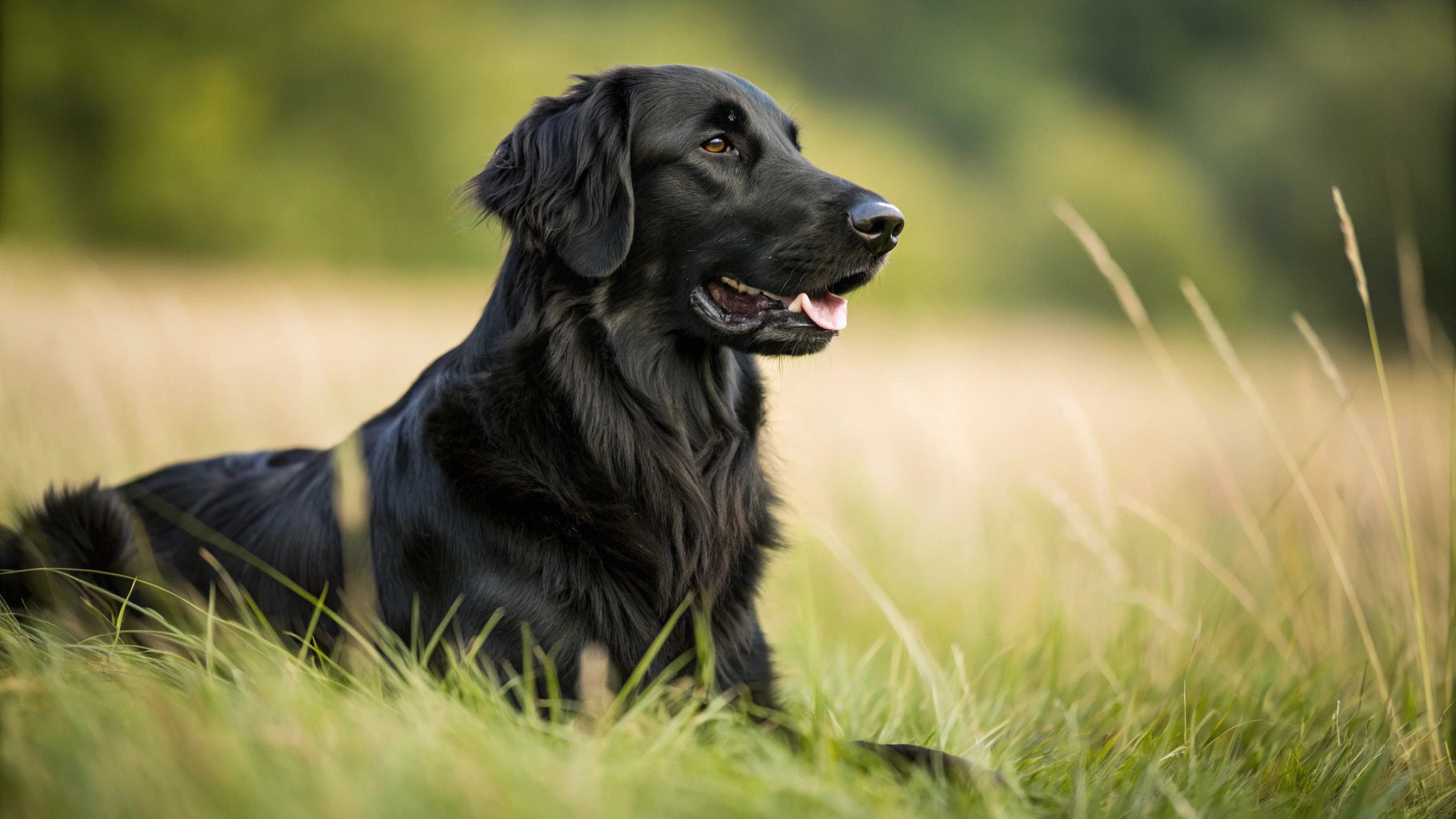
The Flat-Coat’s most iconic feature is its long, straight, and glossy coat. The fur is dense but not overly heavy, with feathering on the legs, tail, chest, and underbelly. Flat-Coats come in two colors: solid black and liver (a rich, dark brown).
Their coat is water-resistant, which helps them excel in retrieving from lakes and rivers. Unlike some breeds, their fur rarely mats, but regular brushing is still needed.
Distinctive Features
- Long, strong head with a gentle expression
- Well-feathered tail carried straight out when moving
- Almond-shaped eyes full of intelligence and mischief
- Athletic build suited for stamina and agility
Living With A Flat-coated Retriever
Home Environment
Flat-Coats adapt well to various living situations, but they thrive in homes with yards or access to safe outdoor spaces. Apartment living is possible if their exercise needs are met, but a bored Flat-Coat can become destructive.
Activity Level
This breed needs at least 1–2 hours of exercise daily. Walks, runs, swimming, fetch, and agility sports are all excellent outlets for their energy. Without enough activity, Flat-Coats may develop unwanted behaviors like chewing, digging, or excessive barking.
Family Compatibility
Flat-Coated Retrievers are true family dogs. They love being involved in every activity, from picnics to road trips. They want to be where you are, and they usually bond equally with all family members.
However, their exuberance can lead to accidental knocks or spills, especially around young children or elderly family members. Training and supervision help manage their enthusiasm.
Alone Time
Flat-Coats do not do well when left alone for long stretches. If your lifestyle requires being away much of the day, consider doggy daycare, a pet sitter, or another dog for company.
Grooming And Coat Care
Caring for a Flat-Coat’s coat is straightforward but important for their health and comfort.
Brushing And Bathing
Brush your Flat-Coat 2–3 times a week to remove loose hair and prevent tangles, especially in the feathered areas. During shedding seasons (spring and fall), daily brushing may be needed to manage extra hair.
Bathe your dog every 1–2 months or when they get especially dirty. Use a gentle dog shampoo to preserve the natural oils in their coat.
Ear, Teeth, And Nail Care
- Ears: Check weekly for debris, redness, or odor. Clean with a vet-approved ear cleaner.
- Teeth: Brush 2–3 times a week to prevent tartar buildup.
- Nails: Trim every 3–4 weeks or as needed to prevent cracking and overgrowth.
Shedding
Flat-Coats are moderate shedders. Regular grooming helps control hair in your home, but expect some shedding year-round. Their coat is less prone to matting than some other long-haired breeds.
Coat Care Table
Here’s a summary of Flat-Coat grooming tasks and frequency:
| Grooming Task | Frequency | Tips |
|---|---|---|
| Brushing | 2–3 times/week | Focus on feathered areas |
| Bathing | Every 1–2 months | Use mild shampoo |
| Ear Cleaning | Weekly | Check for redness or odor |
| Teeth Brushing | 2–3 times/week | Use canine toothpaste |
| Nail Trimming | Every 3–4 weeks | Trim to avoid cracking |
Non-obvious Grooming Insights
- Flat-Coats’ feathering can collect burrs, seeds, and mud during outdoor play, so a quick “spot check” after walks prevents mats and skin irritation.
- Their black or liver coat can fade in strong sunlight over time. Limiting sun exposure during peak hours helps preserve coat color.
Exercise And Activity Needs
Flat-Coated Retrievers are high-energy dogs bred for athletic work. Meeting their exercise needs is crucial for their health and happiness.
Daily Exercise Requirements
Flat-Coats need at least 1–2 hours of vigorous activity every day. This can include:
- Long walks or runs
- Off-leash play in a secure area
- Fetch or frisbee games
- Swimming (they are natural water lovers)
- Agility, obedience, or scent work
A bored Flat-Coat will invent their own entertainment, which often means mischief in the house or yard.
Mental Stimulation
Physical exercise alone is not enough. Flat-Coats crave mental challenges. Puzzle toys, scent games, and new tricks help keep their minds sharp and prevent boredom.
Activities They Excel At
- Retrieving sports: Like dock diving and field trials
- Canine agility: Navigating obstacle courses
- Therapy work: Visiting hospitals or schools
- Search and rescue: Thanks to their intelligence and nose
Common Exercise Mistakes
Many new owners underestimate a Flat-Coat’s need for variety. Doing the same walk every day leads to boredom. Change routes, introduce new games, and let your dog explore different environments safely.
Training A Flat-coated Retriever
Early Socialization
Expose your Flat-Coat puppy to a wide range of people, pets, places, and sounds between 8–16 weeks. This builds confidence and prevents anxiety later.
Training Methods
Use positive reinforcement such as treats, toys, or praise. Flat-Coats respond poorly to harsh corrections. Keep sessions short (5–10 minutes) and fun to match their playful nature.
House Training
Be consistent with schedules and rewards. Flat-Coats are quick learners but can be distracted by play. Supervise puppies and give frequent bathroom breaks.
Obedience And Advanced Training
Teach basic commands like sit, stay, come, down, and leave it early. Flat-Coats enjoy advanced tricks, retrieving, and canine sports. Their intelligence means you can teach complex behaviors with patience.
Handling Distractions
Flat-Coats are curious and can be easily distracted. Practice training in low-distraction areas first, then gradually introduce more challenging environments.
Common Training Challenges
- Jumping up in excitement: Teach “off” and reward calm greetings.
- Mouthing: Offer chew toys and redirect from hands or clothes.
- Pulling on leash: Use a no-pull harness and reinforce walking politely.
Non-obvious Training Insights
- Flat-Coats thrive on games like hide-and-seek or “find the treat,” which use both mind and body.
- Their sensitive nature means they may sulk if scolded harshly. Quick recovery with positive attention keeps training on track.
Health And Lifespan
Average Lifespan
Flat-Coated Retrievers live 8–10 years on average, which is a bit shorter than some other retrievers. However, many live healthy, active lives well into their senior years.
Common Health Issues
Flat-Coats are generally robust, but they are prone to certain health conditions:
- Cancer: The breed has a higher risk for cancers like hemangiosarcoma and lymphoma.
- Hip dysplasia: Abnormal hip joint development.
- Patellar luxation: Kneecap instability.
- Gastric torsion (bloat): Stomach twisting, a medical emergency.
- Ear infections: Due to floppy ears and love of water.
Health Screening
Reputable breeders screen for hip/elbow dysplasia, eye diseases, and certain cancers. Always request health clearances before adopting or purchasing a puppy.
Preventive Care Tips
- Annual veterinary checkups and vaccinations.
- Regular parasite prevention (flea, tick, heartworm).
- Maintain a healthy weight and active lifestyle.
Lifespan Comparison Table
Here’s how Flat-Coated Retrievers compare to other retrievers in terms of typical lifespan:
| Breed | Average Lifespan (years) |
|---|---|
| Flat-Coated Retriever | 8–10 |
| Labrador Retriever | 10–12 |
| Golden Retriever | 10–12 |
| Chesapeake Bay Retriever | 10–13 |
Non-obvious Health Insights
- Flat-Coats are slow to show pain or illness; regular checkups can catch problems early.
- Because of their cancer risk, some owners choose annual ultrasounds or blood panels after age six as a preventive measure.
For more information on canine health, check the Flat-Coated Retriever Wikipedia page.
Nutrition And Feeding
Diet Requirements
Feed your Flat-Coat a high-quality, balanced diet appropriate for their age, weight, and activity level. Most adult Flat-Coats need 2.5–3.5 cups of dry food per day, split into two meals.
Puppies
Flat-Coat puppies grow quickly but should not be overfed. Feed a large-breed puppy formula to support healthy joint development and avoid rapid weight gain.
Adults
Active adult Flat-Coats burn a lot of calories. Adjust portions based on exercise and body condition. You should be able to feel your dog’s ribs but not see them.
Seniors
Older dogs may need fewer calories to prevent weight gain. Senior formulas with joint support can help maintain mobility.
Foods To Avoid
- Grapes and raisins (toxic to dogs)
- Chocolate
- Onions and garlic
- Cooked bones (can splinter and cause injury)
- High-fat table scraps
Water
Flat-Coats are prone to dehydration, especially after vigorous exercise or in hot weather. Always provide clean, fresh water.
Feeding Insights
- Slow-feed bowls help prevent gulping and reduce the risk of bloat—a serious risk for deep-chested breeds like Flat-Coats.
- Adding water or low-sodium broth to kibble can encourage hydration and ease digestion for older dogs.
Finding A Flat-coated Retriever Puppy Or Rescue
Choosing A Responsible Breeder
Look for breeders who:
- Health test all breeding dogs for common diseases
- Provide clean, social environments for puppies
- Welcome your questions and offer lifelong support
- Do not sell puppies through pet stores or online ads without meeting you
Adoption And Rescue
Flat-Coated Retrievers are rare in shelters, but breed-specific rescues exist. Adopting an older dog can be rewarding and often comes with basic training.
Cost Of Ownership
Expect to pay $1,500–$2,500 for a puppy from a reputable breeder. Adoption fees are usually lower ($200–$500), but veterinary care, food, grooming, and training are ongoing costs.
Puppy Preparation Checklist
- Safe, escape-proof yard or leash for walks
- Crate and bedding
- Food and water bowls
- High-quality puppy food
- Chew toys and training treats
- Grooming tools (brush, nail clippers)
- Veterinary appointment for a wellness check

Credit: www.badmarthabeer.com
Living With A Senior Flat-coated Retriever
Physical Changes
Senior Flat-Coats often slow down but remain youthful at heart. Watch for stiffness, slower movement, or changes in appetite.
Health Maintenance
- Regular vet checkups (at least twice a year)
- Monitor for lumps or bumps
- Support joints with soft bedding and ramps if needed
Mental Stimulation
Even older Flat-Coats enjoy gentle games, new toys, and short walks. Keeping their minds active helps prevent cognitive decline.
Common Senior Dog Issues
- Arthritis and joint pain
- Hearing and vision loss
- Dental disease
Early intervention and regular care extend your Flat-Coat’s quality of life.
Flat-coated Retriever Vs Other Retrievers
Flat-Coats are often compared to Labradors, Goldens, and Chesapeakes. Here’s what sets them apart:
- Playful, puppy-like personality into adulthood
- Sleek, straight coat (not wavy like Goldens or curly like Chesapeakes)
- Rarer breed with smaller gene pool—health screening is especially important
- Less prone to obesity than Labradors, but still need portion control
Flat-Coats are ideal for those seeking an energetic, social, and sometimes clownish companion with a love for adventure.

Credit: www.vetsaglik.com
Is A Flat-coated Retriever Right For You?
Ask yourself these questions:
- Do you have time for at least 1–2 hours of exercise daily?
- Can you provide companionship and supervision most of the day?
- Are you ready for a playful, sometimes mischievous dog?
- Do you enjoy regular grooming?
- Is your home active and busy?
If you answered yes, a Flat-Coated Retriever could be your ideal match. Their loyalty, intelligence, and joyful nature bring years of happiness to the right home.
Frequently Asked Questions
How Much Exercise Does A Flat-coated Retriever Need Each Day?
Flat-Coated Retrievers need at least 1–2 hours of vigorous activity every day. This can include walks, play, swimming, or sports. Without enough exercise, they may develop behavioral issues.
Are Flat-coated Retrievers Good With Children And Other Pets?
Yes, Flat-Coats are gentle, tolerant, and playful with children. They usually get along well with other dogs and even cats, especially if socialized early.
How Often Should I Groom My Flat-coated Retriever?
Brush your Flat-Coat 2–3 times a week and bathe every 1–2 months. Check ears, trim nails, and brush teeth regularly to prevent problems.
What Is The Average Lifespan Of A Flat-coated Retriever?
The average lifespan is 8–10 years. With good care and regular vet visits, many Flat-Coats live healthy, active lives into their senior years.
Do Flat-coated Retrievers Make Good Apartment Dogs?
Flat-Coats can live in apartments if their exercise needs are met. However, they are happiest with a yard or regular access to large outdoor spaces.
A Flat-Coated Retriever brings energy, humor, and love into your life. With the right care, training, and environment, they make wonderful companions for families and active individuals alike. If you’re ready to embrace their playful spirit and meet their needs, you’ll find the Flat-Coat to be one of the most joyful breeds you could ever know.

We’re the dedicated team behind MyPawSafe.com, with over a decade of combined experience in veterinary care, pet emergency response, and animal behavior. While we prefer to let our work speak for itself, our mission is clear: to provide science-backed, vet-approved advice that helps pet owners prevent accidents and save lives.