Bloodhound Complete Guide: Temperament, Size, And Care
The Bloodhound is one of the world’s most recognizable dogs. With its loose skin, long ears, and droopy eyes, this breed has captured hearts for centuries. But Bloodhounds are more than just a unique look—they are famous for their tracking ability, gentle nature, and deep loyalty. Whether you want a Bloodhound as a companion, a working dog, or are simply curious, this guide will explain their temperament, size, and how to care for them. You’ll learn what makes Bloodhounds special, what to expect as an owner, and how to keep your dog happy and healthy. You’ll also gain practical advice and unique insights that many first-time Bloodhound owners miss, helping you avoid common mistakes and confidently welcome this amazing breed into your life.
Bloodhound Origins And History
Bloodhounds have a rich history stretching back over a thousand years. They were first bred in medieval France, where monks developed them for tracking scents. The name “Bloodhound” comes from their noble heritage, meaning “hound of pure blood.” These dogs became known for their superior scent-tracking skills, able to follow trails that were days old.
Over time, Bloodhounds were brought to England, where their reputation as scent hounds grew. Royalty and nobility prized them not just for hunting but for their ability to track lost people or criminals. By the 19th century, Bloodhounds were exported to other countries, including the United States, where their abilities were quickly recognized by law enforcement.
Today, Bloodhounds are used by police and search-and-rescue teams worldwide. Their scenting ability is so reliable, courts sometimes accept their evidence. While they are working dogs at heart, their gentle nature makes them popular pets.
One detail many people miss is the way Bloodhounds have influenced other breeds. Their bloodlines helped create other scent hounds, so their legacy is found across many dogs used for tracking and hunting. Their historical importance is not just in their work, but in shaping the world of scent hounds as a whole.
Bloodhound Temperament
Bloodhounds have a personality that surprises many new owners. While their size and deep voice may seem intimidating, they are gentle giants. Understanding their temperament is key to a happy relationship.
Friendly And Gentle
Bloodhounds are known for their kindness and patience. They are often great with children and other pets. Despite their size, they rarely show aggression. Instead, they prefer to be calm and affectionate. This makes them wonderful family dogs, especially in homes where children are taught to respect their space.
Many Bloodhounds enjoy leaning against their favorite people or sitting close by. Their affectionate nature means they often follow family members from room to room, wanting to be part of everyday life. They are not typically pushy, but they do appreciate gentle attention and petting.
Stubborn But Intelligent
Bloodhounds are intelligent, but they can be stubborn. This comes from their background as independent trackers. When they pick up a scent, their focus can be so strong that they ignore commands. Training requires patience and consistency. Owners should understand that Bloodhounds are not being difficult on purpose; their brains are wired to follow smells.
Some Bloodhounds may try to test boundaries, especially during adolescence. They might pretend not to hear commands if they are busy sniffing. This is a sign of their strong will, not lack of intelligence.
Highly Driven By Scent
The biggest part of a Bloodhound’s temperament is their scent drive. When outside, Bloodhounds often follow their nose, sometimes forgetting everything else. Owners must be ready for sudden stops or changes in direction. It’s not unusual for a Bloodhound to press its nose to the ground and ignore everything else for minutes at a time.
A common beginner mistake is thinking you can train this out of them. In reality, scent-following is part of their deepest instinct. The best approach is to channel this drive into games and activities, rather than trying to suppress it.
Not Natural Guard Dogs
While Bloodhounds are large and have a loud bark, they are not natural protectors. They may alert you to visitors, but they are more likely to greet strangers with curiosity than aggression. Their friendly nature means they do not have a strong guarding instinct.
That being said, their size and bark can still act as a deterrent to unwanted visitors, even if the Bloodhound’s intention is not to protect.
Social Needs
Bloodhounds dislike being alone for long periods. They thrive on companionship, both from humans and other dogs. If left alone too often, they may develop separation anxiety or destructive behaviors. Bloodhounds are happiest when included in family activities and given plenty of interaction throughout the day.
Some Bloodhounds can become vocal if lonely, barking or howling to get attention. Arranging playdates or having another dog as a companion can help reduce loneliness.
Non-obvious Insights
- Bloodhounds can be sensitive to harsh tones. Using gentle, positive reinforcement works better than strict discipline.
- Their stubbornness is not defiance—it’s focus. If your Bloodhound ignores you, it may simply be following a scent, not being naughty.
- Bloodhounds can also be quite sensitive to the moods of their owners. If you are stressed, they may become uneasy too, showing their strong bond with their family.
Bloodhound Size And Physical Characteristics
Bloodhounds are large, muscular dogs. Their size is impressive, but it’s their unique features that set them apart.
Height And Weight
Adult Bloodhounds typically measure:
- Males: 25–27 inches at the shoulder
- Females: 23–25 inches at the shoulder
Weight varies:
- Males: 90–110 pounds
- Females: 80–100 pounds
This makes them one of the heavier scent hounds.
Some Bloodhounds may be larger or smaller than these averages, but it’s important not to overfeed in hopes of making your dog bigger. Extra weight stresses their joints and can shorten their lifespan.
Physical Features
Bloodhounds are famous for:
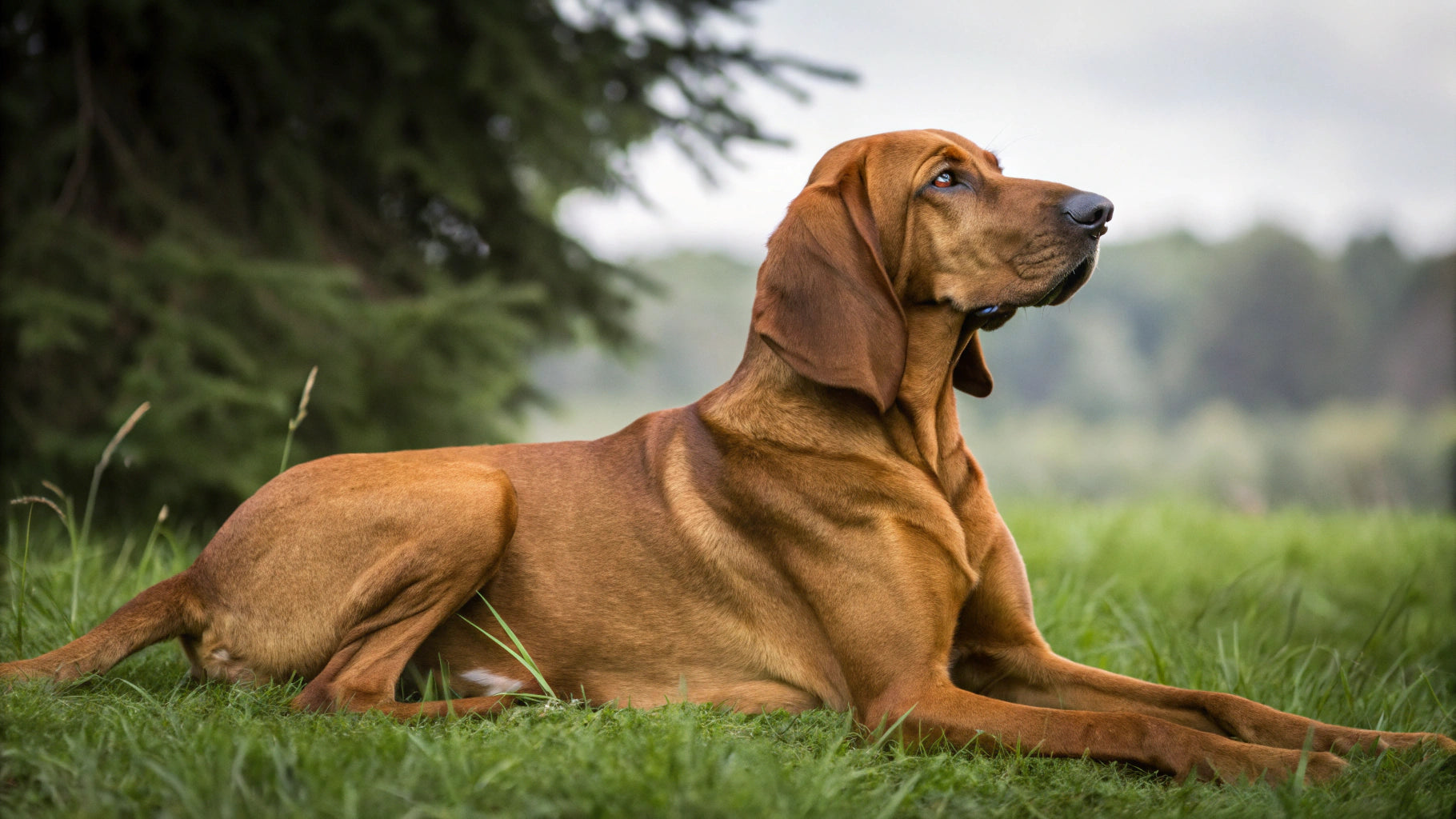
- Loose, wrinkled skin around the face and neck
- Long, drooping ears that help trap scent particles
- Deep, sunken eyes that can give a sad appearance
Their coat is short and dense, usually in colors like black and tan, liver and tan, or red. The wrinkles on a Bloodhound’s face actually serve a purpose: they help funnel scents towards the nose, while the ears sweep scent particles up from the ground.
Their strong, long tail is often carried high and can be used for balance while tracking. Bloodhounds also have large, padded feet to handle rough terrain.
Growth And Development
Bloodhounds grow quickly as puppies but take up to two years to reach full maturity. Their bones and joints develop slowly, so too much exercise early can cause problems. It’s important to avoid letting young Bloodhounds jump from heights or run on hard surfaces for long periods.
During the growth stage, their legs may appear awkward or “knock-kneed. ” This is normal and usually evens out as they mature. Providing the right nutrition and gentle exercise supports healthy growth.
Comparison Table: Bloodhound Vs Other Large Hounds
Here’s how Bloodhounds compare to similar breeds:
| Breed | Height (inches) | Weight (pounds) | Main Purpose |
|---|---|---|---|
| Bloodhound | 25–27 | 90–110 | Scent tracking |
| Basset Hound | 14–15 | 40–65 | Companion, scent tracking |
| Black and Tan Coonhound | 23–27 | 65–110 | Hunting |
| Otterhound | 24–27 | 80–115 | Hunting, scent tracking |
Lifespan
Bloodhounds have a lifespan of 7–10 years. This is average for large breeds. Care, diet, and genetics can influence longevity.
Some Bloodhounds live longer, especially with regular exercise, healthy weight, and routine vet care. It’s not uncommon to meet a 12-year-old Bloodhound, but these are exceptions.
Unique Insights
- Their wrinkles can trap moisture and dirt, which means regular cleaning is needed.
- Their long ears are prone to infections if not checked and cleaned weekly.
- Bloodhounds have a distinctive “hound smell,” which is natural and not a sign of poor hygiene. Regular cleaning helps, but the scent is part of the breed.
Bloodhound Care Guide
Owning a Bloodhound is rewarding, but it requires special knowledge. Their size, temperament, and health needs demand careful attention.
Nutrition
Bloodhounds need a balanced diet:
- High-quality dog food with protein as the first ingredient
- Careful portion control to prevent obesity
- Avoiding “free-feeding” due to their tendency to overeat
Puppies need food designed for large breeds to support joint health.
A common mistake is giving too many treats or table scraps. Bloodhounds are food-motivated and can gain weight easily, so treats should be used sparingly and as part of training.
Feeding Schedule Example
| Age | Meals per Day | Portion per Meal |
|---|---|---|
| 2–6 months | 3 | 1–1.5 cups |
| 6–12 months | 2 | 1.5–2 cups |
| Adult | 2 | 2–3 cups |
Bloodhounds are prone to bloat (gastric torsion). To reduce risk, feed smaller meals, avoid vigorous exercise right after eating, and keep water available. Some owners use raised food bowls, but this is controversial—ask your vet for advice.
Exercise And Activity
Bloodhounds need daily activity:
- 60–90 minutes of moderate exercise per day
- Walking, hiking, and scent games are ideal
- Avoid overexertion in puppies due to growing joints
Bloodhounds are not built for speed but for endurance. They enjoy sniffing and exploring more than running.
Bloodhounds can become bored if not exercised enough. A bored Bloodhound may start digging, chewing, or barking. They are happiest when their minds and noses are kept busy.
Practical Exercise Tips
- Use a sturdy leash; Bloodhounds can pull strongly if they catch a scent.
- Allow time for slow, sniff-focused walks rather than brisk walks.
- Try puzzle toys or hide treats to stimulate their mind.
- Vary your walking route to give your Bloodhound new scents to explore.
Grooming
Bloodhounds have simple coats but need regular care:
- Weekly brushing to remove loose hair
- Cleaning face wrinkles daily to prevent infection
- Checking and cleaning ears weekly
Bloodhounds drool a lot. Keep towels handy and clean their face often.
Regular dental care is also important. Bloodhounds can develop bad breath or dental disease if teeth are not brushed several times a week.
Grooming Comparison Table
| Task | Frequency | Special Notes |
|---|---|---|
| Brushing | Weekly | Use a soft brush |
| Wrinkle cleaning | Daily | Check for redness or odor |
| Ear cleaning | Weekly | Use gentle ear wash |
| Nail trimming | Monthly | Trim carefully to avoid bleeding |
| Bathing | Every 2–3 months | Use mild dog shampoo |
Health And Medical Needs
Bloodhounds need regular veterinary care. They are prone to certain health problems:
- Hip dysplasia: Common in large breeds, causes pain and mobility issues
- Ear infections: Due to long, floppy ears
- Bloat: Life-threatening if not treated quickly
- Skin infections: Wrinkles can trap bacteria
Bloodhounds should get annual check-ups and vaccinations. Early detection of health issues increases their quality of life.
Bloodhounds are also sensitive to extreme heat. Their thick skin and size make them prone to overheating, so always provide shade and cool water in warm weather.
Non-obvious Health Tips
- Bloodhounds may not show pain clearly. Subtle changes in behavior, such as less activity or appetite, can signal problems.
- They may develop eye conditions like entropion, where the eyelid rolls inward. Watch for redness or discharge.
- Bloodhounds can be prone to allergies, which may appear as itchy skin or ear infections. Regular vet checks help catch these early.
Training And Socialization
Training a Bloodhound takes patience. Their independent nature means they respond best to positive reinforcement.
- Start training early, using treats and praise
- Keep sessions short and fun
- Avoid harsh corrections
Socialization is important. Bloodhounds should meet different people, animals, and environments as puppies. This builds confidence and prevents fearfulness.
Bloodhounds can excel in scent work, tracking, and even some obedience tasks if training is consistent and fun.
Common Mistakes
- Letting your Bloodhound off-leash in open areas. If they pick up a scent, they may ignore recall commands and wander far.
- Not starting socialization early enough. Bloodhounds can become shy or nervous if not exposed to new situations when young.
- Expecting quick obedience. Bloodhounds learn at their own pace, so patience is essential.
Living Space Needs
Bloodhounds are adaptable but need space:
- A large yard is ideal, but not required if daily walks are provided
- Secure fencing is a must—they can follow scents and escape easily
- Indoor space should be roomy; Bloodhounds dislike cramped areas
They are not suited for apartments unless owners commit to frequent exercise. Bloodhounds are happiest when they have a soft bed and a quiet corner to rest.
Bloodhound As A Family Pet
Bloodhounds are good family dogs if their needs are met. They are gentle with children, but their size means supervision is important. Toddlers may be knocked over accidentally.
Bloodhounds get along with other dogs, especially if raised together. With cats, early introduction is best.
Bloodhounds often become very attached to their family. They may try to comfort family members who are upset and sometimes act silly to cheer people up.
Unique Family Insights
- Bloodhounds are sometimes too gentle, letting children or other pets steal their food or toys.
- Their drool can get on furniture, walls, and clothing—be prepared for frequent cleaning.
- Because of their size, it’s important to teach children not to climb on or pull at their ears and wrinkles.
Credit: www.houndsy.com
Bloodhound Working Roles
Bloodhounds are famous for their job as tracking dogs. Their nose is the best in the canine world, capable of following trails over long distances and time.
Search And Rescue
Bloodhounds are used by police and rescue teams to find lost people. Their ability to follow human scent is unmatched. They work in forests, cities, and disaster zones.
Handlers often use an item with the missing person’s scent to start the search. Bloodhounds can follow trails through water, over roads, and even days after the person passed by.
Law Enforcement
Bloodhounds track criminals or missing persons. Their evidence is sometimes used in court. They are not used to apprehend suspects, only to locate them.
Bloodhounds have helped solve crimes and find lost children, making them heroes in many communities.
Scent Work And Dog Sports
Bloodhounds enjoy scent games and competitions. These activities use their natural abilities and provide mental stimulation.
At home, you can create scent trails in your yard, hiding favorite toys or treats for your Bloodhound to find. This kind of play builds confidence and strengthens the bond between dog and owner.
Non-obvious Working Insights
- Bloodhounds require specialized training for tracking work. Not every Bloodhound will excel in professional roles.
- Their stamina is high, but their focus means handlers must manage their attention during searches.
- Bloodhounds can work in challenging environments, but they need breaks and hydration during long searches.
Bloodhound Adoption And Buying Tips
Choosing a Bloodhound requires careful thought. Whether adopting or buying from a breeder, consider these factors:
Finding A Good Breeder
- Look for breeders who provide health tests and socialization
- Visit the breeder, meet the puppies and parents
- Avoid breeders with too many litters or poor conditions
Bloodhound puppies can cost $1,000–$2,500 depending on pedigree and location.
Ask for references and check if the breeder is a member of a reputable club. Responsible breeders care about the breed’s health and will ask you questions about your lifestyle.
Adoption
Many Bloodhounds need homes. Rescue organizations offer adult dogs, often already trained. Adopting can be rewarding and helps reduce overbreeding.
Rescue Bloodhounds may need extra patience as they adjust, but they often make wonderful, grateful companions.
Key Questions To Ask
- What health tests have been done?
- How are puppies socialized?
- What is the temperament of the parents?
- Are there any common health issues in the line?
Common Buyer Mistakes
- Choosing based on appearance alone. Bloodhounds require time and patience.
- Not preparing for their drool, size, and exercise needs.
- Failing to research the breed’s health challenges before committing.

Credit: www.vetsaglik.com
Bloodhound Pros And Cons
Before deciding, weigh the advantages and challenges.
Pros
- Gentle temperament with children and pets
- Amazing scent abilities for tracking games or work
- Loyal and loving
- Unique, striking appearance
Cons
- Heavy drooling and cleaning needs
- Stubbornness in training
- Prone to specific health issues
- Needs space and regular exercise
- Shorter average lifespan than some breeds
Is A Bloodhound Right For You?
Bloodhounds are best for owners who enjoy outdoor activities, have patience for training, and are ready for big, messy love. If you want a dog that is gentle, unique, and has a world-class nose, the Bloodhound is a great choice.
Bloodhound Care Costs
Owning a Bloodhound requires budgeting. Here’s an estimate of annual costs:
- Food: $500–$800
- Vet care: $300–$600
- Grooming supplies: $100–$200
- Training classes: $100–$300
- Miscellaneous (toys, cleaning): $200–$400
Unexpected health issues can add to costs. Insurance is recommended for large breeds.
It’s wise to set aside extra funds for emergencies or special diets, as Bloodhounds’ medical bills can be higher than smaller breeds.
Bloodhound Behavior Problems And Solutions
Bloodhounds can develop issues if their needs are not met.
Common Problems
- Excessive barking if bored or lonely
- Destructive chewing when left alone
- Wandering or escaping when following scents
Some Bloodhounds may also dig in the yard or become stubborn if routines are not followed.
Solutions
- Provide daily exercise and scent games
- Use puzzle toys and chews
- Secure yard fencing
- Never punish scent-driven behavior—redirect instead
If your Bloodhound shows problem behaviors, first check that their physical and mental needs are being met before assuming it’s a training issue.
Non-obvious Solutions
- Bloodhounds respond well to “nose work” activities. Hide treats or objects for them to find.
- If your Bloodhound is restless at night, increase daytime activity and mental stimulation.
- Consider crate training to keep your Bloodhound safe when unsupervised, especially during puppyhood.
Bloodhound Community And Support
Bloodhound owners often join clubs and online groups. These communities share advice, training tips, and organize meetups. The American Bloodhound Club is a good resource for breed-specific information.
Connecting with experienced owners helps solve problems and makes owning a Bloodhound more enjoyable. Many Bloodhound communities welcome new owners and can recommend trainers, vets, or activities in your area.
Credit: www.houndsy.com
Frequently Asked Questions
What Makes Bloodhounds So Good At Tracking?
Bloodhounds have 300 million scent receptors—more than almost any other breed. Their loose skin and long ears help trap scent particles, allowing them to follow trails that are days old.
Are Bloodhounds Safe Around Children?
Yes, Bloodhounds are gentle and patient with children. Their size means supervision is needed, especially with small kids, but aggression is rare.
How Much Exercise Does A Bloodhound Need?
Bloodhounds need 60–90 minutes of daily exercise. They prefer slow walks and scent games. Puppies require less intense activity to protect their growing joints.
Do Bloodhounds Drool A Lot?
Yes, Bloodhounds are heavy droolers. Their loose lips and skin produce lots of saliva, especially after eating or drinking. Regular cleaning is necessary.
Where Can I Learn More About Bloodhound Health Issues?
The American Kennel Club offers detailed breed health information. For more, visit AKC Bloodhound Breed Information.
Final Thoughts
Bloodhounds are one of the most unique and fascinating dog breeds. Their gentle temperament, striking looks, and unmatched scent abilities make them loved by families and professionals alike. Owning a Bloodhound is not for everyone—they require time, patience, and special care.
But for those who understand their needs, Bloodhounds offer loyalty, fun, and a lifetime of companionship. If you’re ready for a big-hearted dog with a world-class nose, the Bloodhound is waiting to join your adventure. With the right approach, you’ll discover a friend who sees the world through their nose and loves with all their heart.

We’re the dedicated team behind MyPawSafe.com, with over a decade of combined experience in veterinary care, pet emergency response, and animal behavior. While we prefer to let our work speak for itself, our mission is clear: to provide science-backed, vet-approved advice that helps pet owners prevent accidents and save lives.