
The Boxer Bulldog Mix Guide
Meet the Boxer Bulldog mix—a unique blend of two beloved breeds, each with its own story and strengths. If you’re considering this hybrid dog, or already share your home with one, you’ll want to know what makes them special, how to care for them, and what to expect day-to-day.
This guide will help you understand the Boxer Bulldog mix, from their personality and health to training, diet, and more. You’ll also find practical advice, real-world examples, and answers to the most common questions. Whether you’re a first-time dog owner or looking to add another furry friend to your family, this article will give you clear, honest insights to make the right choice for both you and your pet.
What Is A Boxer Bulldog Mix?
A Boxer Bulldog mix, also known as a Bulloxer, combines the muscular Boxer with the sturdy English Bulldog. This crossbreed is gaining popularity for its loyal nature, playful spirit, and strong build. Unlike purebred dogs, mixes like the Bulloxer can inherit qualities from either parent, making each one a little different.
Boxers are known for their energy and intelligence. Bulldogs are famous for their calm attitude and love of cuddling. When you mix these two, you get a dog that’s often friendly, energetic, and affectionate, but sometimes stubborn. The Bulloxer’s appearance and personality can vary, but most owners report a fun-loving, loyal companion.
Common Names
- Bulloxer
- Boxer Bulldog
- Boxerbulldog
- Sometimes called Bulldog Boxer Mix
These names are used interchangeably, but all refer to the same crossbreed.
Physical Appearance
The Boxer Bulldog mix has a look that stands out. Their body is athletic, with a strong chest and muscular legs. Let’s look at the typical features you’ll see.
Size And Weight
Most Bulloxers are medium to large dogs. Their size depends on which parent breed is dominant.
| Breed | Height (inches) | Weight (lbs) |
|---|---|---|
| Boxer Bulldog Mix | 20–25 | 50–80 |
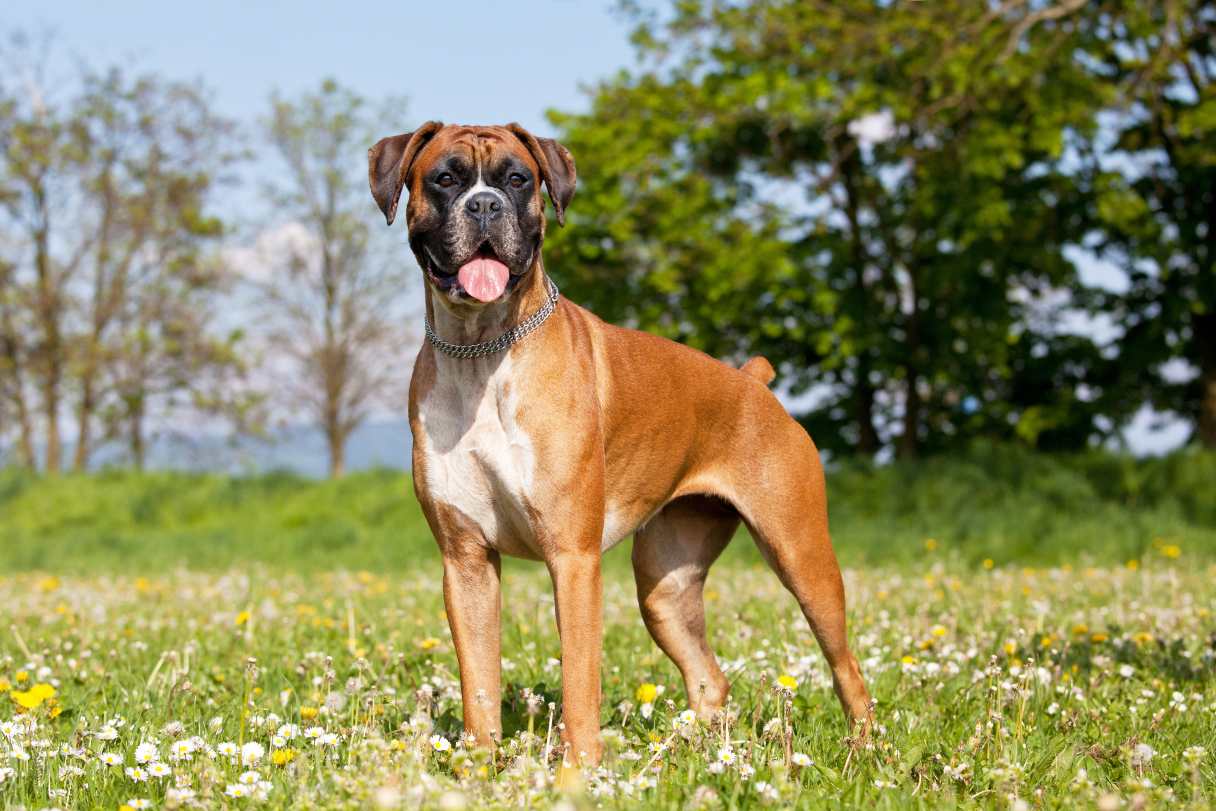
| Boxer | 21–25 | 55–80 |
| English Bulldog | 14–15 | 40–50 |
Bulloxers often have the Boxer’s tall frame and the Bulldog’s stocky build.
Coat And Colors
Their coat is usually short and smooth, making grooming easy. Common colors include:
- Brindle
- Fawn
- White
- Brown
- Black patches
Some Bulloxers have unique patterns, like the Boxer’s stripes or the Bulldog’s solid colors.
Facial Features
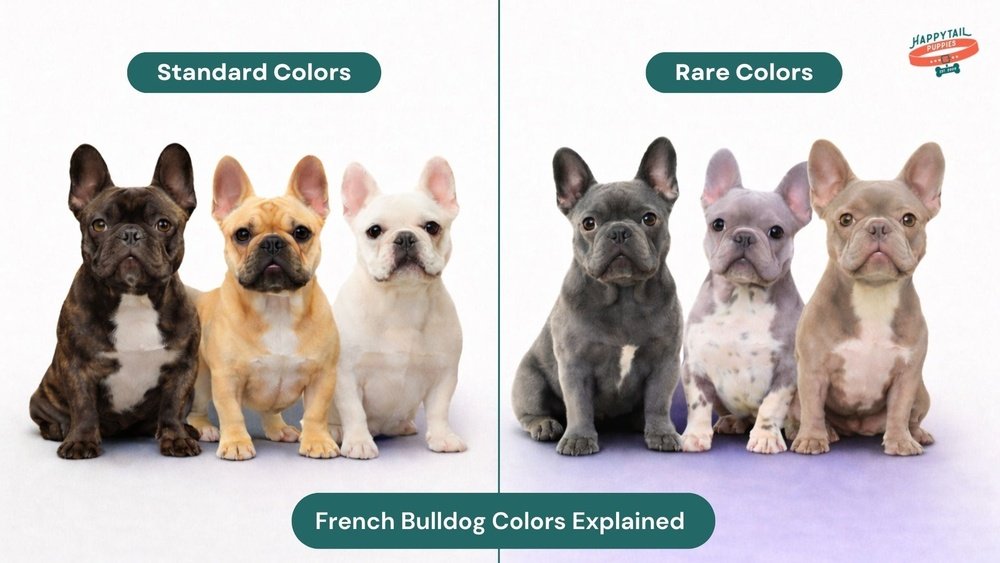
Bulloxers usually have a broad head, strong jaw, and expressive eyes. The muzzle may be shorter than a Boxer’s, but longer than a Bulldog’s. Some have slight wrinkles, especially around the face, reflecting their Bulldog heritage.
Non-obvious Insight
Many Bulloxers have a slightly longer nose than Bulldogs, which can help reduce breathing problems often seen in pure Bulldogs.
Credit: www.infinibandta.org
Temperament And Personality
The Boxer Bulldog mix is known for being loyal, playful, and good with families. But their behavior can change based on upbringing, training, and genetics.
Energy Levels
Boxers are high-energy dogs, while Bulldogs are more laid-back. Bulloxers are often somewhere in between. They enjoy playtime, walks, and games but also love relaxing with their family.
Social Behavior
- Friendly with kids: Bulloxers are gentle and patient, making them ideal for families.
- Good with other pets: They usually get along with other dogs, especially when socialized young.
- Protective: They may be wary of strangers, but not aggressive unless provoked.
Intelligence And Trainability
Bulloxers are smart but can be stubborn. They respond well to positive reinforcement and enjoy learning new tricks. Consistency is key—short, fun training sessions work best.
Common Mistake
Some owners expect Bulloxers to be as calm as Bulldogs. However, many have Boxer energy and need regular exercise. Without it, they may become bored and destructive.
Health And Lifespan
Every dog breed has its own health risks. The Boxer Bulldog mix is generally healthy but can inherit issues from both parent breeds.
Life Expectancy
Bulloxers live about 10–13 years, depending on care and genetics.
Common Health Problems
Bulloxers may face these health challenges:
- Hip dysplasia: Joint pain, common in larger breeds.
- Heart issues: Boxers are prone to heart conditions.
- Breathing problems: Bulldogs often have short noses, leading to snoring or difficulty breathing.
- Skin allergies: Both breeds can have sensitive skin.
- Obesity: Bulldogs are prone to weight gain; owners must watch diet and exercise.
Health Comparison
Here’s a quick look at health risks in both parent breeds:
| Condition | Boxer | Bulldog | Bulloxer |
|---|---|---|---|
| Hip Dysplasia | Common | Moderate | Common |
| Heart Disease | High | Low | Medium |
| Breathing Issues | Rare | Common | Moderate |
| Skin Allergies | Moderate | High | High |
Preventive Care
Regular vet check-ups, a balanced diet, and exercise can help prevent many issues. Early detection is important—watch for changes in behavior, appetite, or movement.
Non-obvious Insight
Mixes often have fewer inherited health issues than purebreds, but owners should still screen for common problems, especially hip and heart conditions.
Feeding And Nutrition
A healthy diet is key to a Bulloxer’s well-being. Their food needs depend on age, size, and activity level.
Recommended Diet
Bulloxers need protein for muscle and healthy fats for energy. Most adults eat 2–3 cups of high-quality dry food daily, split into two meals.
Choosing Dog Food
Look for these features:
- Meat as the main ingredient
- No artificial colors or preservatives
- Balanced minerals and vitamins
- Low grain content
Sample Feeding Plan
- Morning: 1–1.5 cups dry kibble
- Evening: 1–1.5 cups dry kibble
Puppies and young dogs may need more frequent, smaller meals.
Treats And Supplements
Use treats for training, but avoid overfeeding. Some Bulloxers benefit from joint supplements (glucosamine, chondroitin), especially as they age.
Common Mistake
Owners often give table scraps, which can cause obesity and allergies. Stick to dog-approved foods.
Exercise Needs
Bulloxers have moderate to high energy. Regular activity keeps them fit and happy.
Daily Exercise
Most Bulloxers need 30–60 minutes of activity daily. Activities can include:
- Walks: 1–2 per day, 20–30 minutes each
- Playtime: Fetch, tug-of-war, or dog park visits
- Training games: Mental stimulation (hide-and-seek, puzzle toys)
Sample Exercise Routine
- Morning walk
- Afternoon play session
- Evening walk or training
Indoor Activities
If weather is bad, try indoor games like hide-and-seek, obstacle courses, or interactive toys.
Common Mistake
Some owners think short walks are enough. Bulloxers need more to prevent boredom and bad behavior.
Non-obvious Insight
Mental exercise is as important as physical activity. Puzzle toys and training challenges can reduce stress and improve behavior.
Credit: www.carecredit.com
Grooming And Maintenance
Bulloxers are low-maintenance compared to long-haired breeds, but regular care helps keep them healthy.
Coat Care
- Brushing: 1–2 times per week to remove loose hair
- Bathing: Once every 1–2 months, or as needed
- Wipe wrinkles: If your Bulloxer has facial wrinkles, clean them weekly to prevent infection
Nail, Ear, And Teeth Care
- Nails: Trim every 3–4 weeks
- Ears: Check weekly for wax or infection
- Teeth: Brush 2–3 times per week
Grooming Supplies
- Soft brush
- Dog shampoo
- Nail clippers
- Ear cleaning solution
- Dog toothpaste
Common Mistake
Some owners neglect wrinkle cleaning. This can cause skin infections, especially in humid climates.
Training And Socialization
Training a Boxer Bulldog mix is rewarding if you use the right methods. Early socialization shapes their behavior for life.
Training Tips
- Start young: Begin training at 8–10 weeks old
- Use positive rewards: Treats, praise, and toys work best
- Keep sessions short: 10–15 minutes, several times a day
- Be consistent: Use the same commands
Socialization
Expose your Bulloxer to new people, pets, and places. This helps prevent fearfulness and aggression.
- Puppy classes: Great for basic skills and meeting other dogs
- Dog parks: Supervised playtime builds confidence
Common Mistake
Owners sometimes punish bad behavior, which can make dogs nervous or aggressive. Positive reinforcement is more effective.
Non-obvious Insight
Bulloxers respond well to routine. A fixed schedule for walks, meals, and play helps reduce stress and improve learning.

Credit: www.barkbusters.com
Living Environment
Bulloxers adapt well to different homes, but some environments suit them better.
Apartment Vs. House
They can live in apartments if exercised daily. However, a fenced yard is ideal for playtime.
Family Fit
Bulloxers are great for families with children and other pets. They also do well with single owners, as long as they get enough attention.
Climate
Bulloxers are sensitive to extreme heat due to their Bulldog genes. Keep them cool in summer and avoid long walks during hot weather.
Safety Tips
- Secure yard: Bulloxers may jump fences if bored
- Safe toys: Use durable toys to prevent choking
- Avoid stairs: Older Bulloxers may struggle with stairs due to joint issues
Adoption And Buying Guide
Deciding to bring a Bulloxer home is a big step. Here’s how to find the right dog and avoid common mistakes.
Breeder Vs. Rescue
- Breeders: Look for reputable breeders who screen for health issues. Ask for health certificates and meet the parents.
- Rescues: Many Bulloxers need homes. Rescue organizations can help you find adult or puppy mixes.
What To Ask
- What health tests have been done?
- Can I meet the parents?
- What is the puppy’s temperament?
- Are vaccinations up to date?
Costs
Bulloxers from breeders cost $500–$1,500, depending on pedigree and location. Rescue dogs are often less expensive, with fees from $100–$400.
Common Mistake
Some buyers choose based on appearance alone. Personality and health are more important. Always meet the dog before deciding.
External Link
For more about responsible dog adoption, visit the ASPCA Adoption Tips.
Pros And Cons Of Boxer Bulldog Mix
Bulloxers have many strengths, but they’re not for everyone.
Pros
- Loyal companion: Great with families
- Easy grooming: Short coat, low maintenance
- Playful: Loves games and activities
- Adaptable: Fits different living spaces
Cons
- Stubborn: Can be hard to train if not consistent
- Health risks: Prone to joint and breathing issues
- Needs exercise: Not suited for inactive owners
- Heat sensitivity: Struggles in hot climates
Boxer Bulldog Mix Vs. Other Popular Mixes
How does the Bulloxer compare to similar crossbreeds? Here’s a side-by-side look.
| Mix Breed | Size | Energy Level | Trainability | Health Risks |
|---|---|---|---|---|
| Boxer Bulldog Mix | Medium–Large | Moderate–High | Medium | Hip, Heart, Breathing |
| Boxer Lab Mix | Large | High | High | Hip, Eye |
| Bulldog Pitbull Mix | Medium–Large | High | Medium | Skin, Joint |
| Boxer Husky Mix | Large | Very High | Medium | Hip, Eye |
The Bulloxer stands out for its balance of energy and gentle temperament.
Real-life Stories
Hearing from owners is helpful. Here are some stories from Bulloxer families.
Example 1: Max, The Family Dog
Max is a Bulloxer living with two kids and a cat. His owner says, “Max is gentle with the kids and playful with our cat. He loves running in the yard but also enjoys naps. We had to work on training, but treats helped a lot.
”
Example 2: Bella, The Apartment Pup
Bella lives in a city apartment. Her owner shares, “She adapts well, but needs two walks a day. Puzzle toys keep her busy when I’m at work. She’s stubborn sometimes, but very affectionate. ”
Example 3: Rocky, The Rescue Success
Rocky was adopted from a shelter. His new family says, “Rocky was shy at first, but with patience, he became friendly and confident. He’s healthy, and regular vet visits keep him in good shape. ”
Tips For First-time Owners
If you’ve never owned a Boxer Bulldog mix, here are some practical tips:
- Set routines: Dogs feel secure with regular schedules for meals, walks, and play.
- Socialize early: Introduce your dog to new people and animals while young.
- Be patient: Training takes time. Use positive rewards and avoid punishment.
- Choose the right vet: Find a vet with experience in large breeds.
- Watch for allergies: If your dog scratches or licks a lot, check for skin problems.
- Keep cool: Avoid hot weather; provide shade and water during summer.
- Secure your home: Bulloxers are curious and may chew or explore. Remove hazards.
Frequently Asked Questions
What Is The Average Lifespan Of A Boxer Bulldog Mix?
Most Bulloxers live 10–13 years. Good care, regular vet visits, and a healthy diet can help them reach the higher end of this range.
Are Boxer Bulldog Mixes Good With Children?
Yes, Bulloxers are gentle and patient with kids. They enjoy playing and are protective of their family. Always supervise interactions, especially with young children.
How Much Exercise Does A Boxer Bulldog Mix Need?
Bulloxers need 30–60 minutes of daily exercise. This includes walks, playtime, and mental activities. Without enough activity, they can become bored and develop bad habits.
Do Boxer Bulldog Mixes Have Health Problems?
They can face issues like hip dysplasia, heart disease, breathing difficulties, and skin allergies. Regular vet check-ups and preventive care are important.
Is A Boxer Bulldog Mix Right For Apartment Living?
Yes, if you provide enough daily exercise. Bulloxers adapt well to apartments, but a yard is ideal for play. Make sure they get walks and mental stimulation.
Final Thoughts
The Boxer Bulldog mix offers a rare blend of energy, loyalty, and affection. They suit many homes, from active families to solo owners, as long as their needs are met. Caring for a Bulloxer means understanding their unique personality, health risks, and training challenges.
With proper routines, patience, and love, you’ll enjoy a rewarding relationship with this special crossbreed. If you’re ready for a playful, loyal companion who brings joy and fun, the Boxer Bulldog mix could be the perfect addition to your life.

We’re the dedicated team behind MyPawSafe.com, with over a decade of combined experience in veterinary care, pet emergency response, and animal behavior. While we prefer to let our work speak for itself, our mission is clear: to provide science-backed, vet-approved advice that helps pet owners prevent accidents and save lives.