
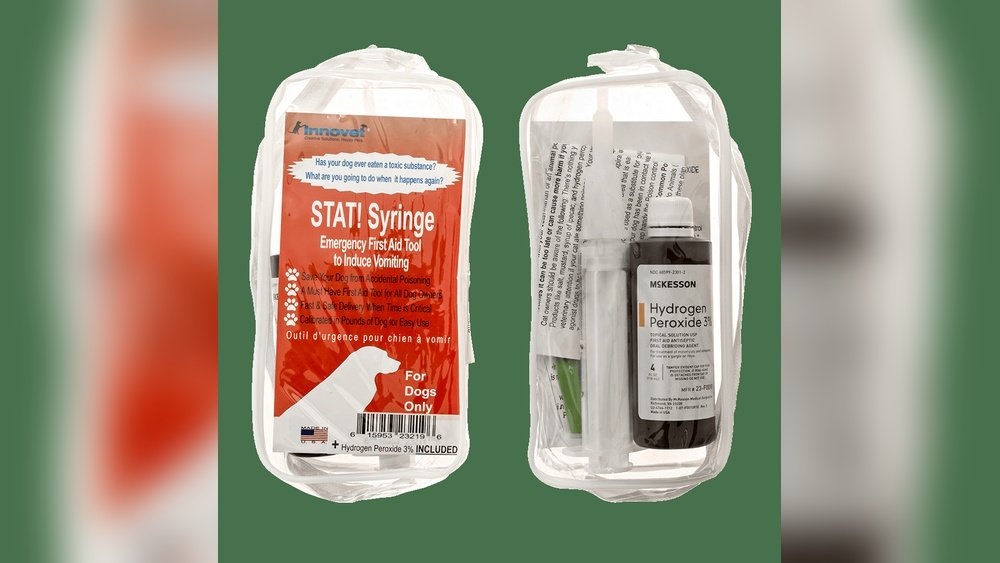
When a dog eats something dangerous—like chocolate, certain plants, or human medicine—acting fast can save its life. Sometimes, inducing vomiting is the best option. But making a dog vomit is not as simple as it seems. Doing it wrong can cause harm or make the situation worse. Many pet owners panic and search for solutions online, but most guides miss important details or use unsafe advice. This article explains, step by step, how to induce vomiting in a dog safely, when it’s really needed, and what mistakes to avoid.
You’ll learn how to decide if vomiting is the right choice, which methods are safe, and how to support your dog afterward. We’ll cover real examples, common misconceptions, and give you confidence to handle emergencies. If you want clear, trustworthy guidance, you’re in the right place.
When Should You Induce Vomiting In A Dog?
Before making your dog vomit, you must decide if it’s the right action. Vomiting can help remove dangerous substances, but it’s not always safe.
Situations Where Vomiting Helps
Vomiting works best when:
- The ingestion was recent—usually within 1-2 hours.
- The item is non-corrosive and non-sharp.
- Your vet tells you to proceed.
Examples:
- Chocolate: Dogs are sensitive to theobromine, a compound in chocolate. Quick vomiting can reduce absorption.
- Grapes or raisins: These can cause kidney failure. Vomiting may help if eaten recently.
- Human medications: Many pills are toxic to dogs. If swallowed, vomiting can be lifesaving.
Other cases include accidental ingestion of foods like xylitol (a sugar substitute), which is extremely toxic. Some household products like certain soaps or mild detergents may also be candidates, but always confirm with a vet first. Many people don’t realize that even small amounts of some substances can be deadly, so knowing exactly what your dog ate is crucial.
Situations Where Vomiting Is Dangerous
Never make your dog vomit if it:
- Ate caustic substances (bleach, drain cleaner)
- Swallowed sharp objects (needles, bones)
- Is unconscious or lethargic
- Has trouble swallowing or breathing
- Is a brachycephalic breed (like bulldogs or pugs), which have higher risk of aspiration
Other risky situations include dogs with a history of seizures or dogs that recently had abdominal surgery. Sometimes, people overlook mild symptoms, thinking it’s safe to induce vomiting, but even mild lethargy or heavy drooling can signal danger. If you’re ever unsure, do not guess—contact a professional.
Why Timing Matters
After 2 hours, most substances move from the stomach to the intestines. Inducing vomiting after this window is less effective and can be risky. This timing is especially strict for fast-absorbing toxins like xylitol or some medications. Even chocolate starts to absorb quickly, so acting fast is key.
If unsure about timing, call your vet for guidance. They may suggest other treatments if the window has passed.
How To Evaluate The Situation
Acting quickly is important, but not every emergency needs vomiting. Let’s break down how to assess your dog’s risk.
Step 1: Identify The Substance
Find out exactly what your dog ate. Check packaging for ingredients, dosage, and warnings. If you’re unsure, bring the packaging to your vet.
If your dog ate a plant, try to identify it. Take photos or a sample to the vet. Many plants look alike, but only some are toxic. For pills, count how many are missing and note the strength (mg) on the label.
Even common medications like ibuprofen and acetaminophen are highly toxic to dogs.
Step 2: Estimate The Amount
How much did your dog ingest? Small amounts of some foods (like chocolate) are less dangerous, but large amounts can be deadly. Use online toxicity calculators for rough guidance, but always confirm with a vet.
For example, a tiny bite of chocolate may only cause mild stomach upset, while a whole bar can be fatal for a small dog. Don’t forget to consider your dog’s weight and age—puppies and small breeds are at higher risk even with small amounts.
Step 3: Check Your Dog’s Condition
Look for signs like:
- Alertness
- Ability to swallow
- Normal breathing
If your dog is acting strange, do not induce vomiting.
Also, check for signs of drooling, trembling, or shaking. These can signal that the toxin is already affecting your dog. Some owners miss subtle signs, like unsteady walking or heavy panting, which can mean the situation is already serious.
Step 4: Contact Your Vet
Even if you plan to induce vomiting at home, call your vet. They can confirm if it’s safe, and may recommend coming in for professional care.
Many vets offer quick phone advice and can tell you if your situation is urgent. It’s common for pet owners to feel embarrassed or worried about “overreacting,” but it’s always better to be cautious. Your vet can also tell you what to watch for after vomiting and when to seek more help.

Credit: jetpetresort.com
Safe Methods To Induce Vomiting In Dogs
There are only a few safe and effective ways to make a dog vomit at home. Most methods found online are dangerous or outdated. Let’s look at the best options.
Using Hydrogen Peroxide Solution
Hydrogen peroxide (3%) is the only home method most vets recommend. It causes mild irritation in the stomach, leading to vomiting.
How To Use Hydrogen Peroxide
- Check concentration: Only use 3% hydrogen peroxide. Stronger solutions can cause harm.
- Measure correct dose: Give 1 teaspoon (5 ml) per 10 pounds (4.5 kg) of body weight. Maximum dose is 3 tablespoons (45 ml) for larger dogs.
- Administer orally: Use a syringe or turkey baster. Squirt the solution into the back of the dog’s mouth.
- Wait and observe: Vomiting usually starts within 10-15 minutes.
If your dog does not vomit after the first dose, you can repeat once after 15 minutes. Do not exceed two doses.
Make sure your dog is standing or in an upright position when you give the solution. This reduces the risk of choking. If you have a helper, one person can gently hold the dog’s head while the other gives the liquid.
Example Dosage Table
Here’s a quick reference for common dog weights:
| Dog Weight (lbs) | Hydrogen Peroxide Dose (ml) | Hydrogen Peroxide Dose (tsp) |
|---|---|---|
| 10 | 5 | 1 |
| 20 | 10 | 2 |
| 30 | 15 | 3 |
| 40+ | 20-45 | 4-9 |
What Not To Use
Many home remedies are unsafe. Do NOT use:
- Salt: Can cause salt poisoning.
- Syrup of ipecac: Toxic to dogs, can cause heart problems.
- Mustard, baking soda, or other kitchen items: Ineffective and dangerous.
- Finger or physical stimulation: Can injure the throat.
Some guides online suggest mixing hydrogen peroxide with milk or bread. This is not necessary and can make dosing inaccurate. Only use plain 3% hydrogen peroxide.
Professional Methods
Veterinarians can use injectable drugs like apomorphine. These are fast, reliable, and safer. If possible, take your dog to a clinic for treatment.
At the clinic, the vet may also use medications that protect the stomach lining or intravenous fluids to help flush out toxins. Veterinary care is especially important if your dog has health issues or if you’re unsure what was eaten.
Step-by-step Guide: Inducing Vomiting Safely
If your vet confirms it’s safe to induce vomiting at home, follow these steps.
Step 1: Prepare Your Supplies
- 3% hydrogen peroxide
- Syringe or turkey baster
- Towels or cleaning supplies
- Gloves (optional)
- Leash (to keep dog steady)
A calm, quiet space helps reduce stress for both you and your dog. Remove other pets or distractions.
Step 2: Measure The Dose
Calculate the correct amount based on your dog’s weight. Use the table above for reference.
Double-check your math. Giving too much hydrogen peroxide can be harmful. If you’re unsure, give a little less rather than more and call your vet.
Step 3: Administer The Solution
Hold your dog gently but firmly. Squirt the solution into the back of their mouth. It’s normal for dogs to resist, so be patient and gentle.
Some dogs may spit out part of the dose. If that happens, wait a moment and try again. Don’t force open their mouth too wide—this can cause injury or stress. Be sure not to tilt the head back too far, to avoid choking.
Step 4: Monitor Closely
Watch your dog for 10-15 minutes. Signs of vomiting include drooling, gagging, and retching. If nothing happens, repeat the dose once.
Stay nearby and don’t let your dog run around. Movement may delay vomiting or increase the risk of inhaling vomit.
Step 5: Check What Comes Up
Look for the item your dog swallowed in the vomit. If you don’t see it, or your dog still seems unwell, call your vet immediately.
Sometimes, not all of the substance comes up. In these cases, your vet may recommend further treatment or observation.
Step 6: Offer Water
After vomiting, let your dog drink a small amount of water. Do not feed food yet.
If your dog refuses water, don’t force it. They may need time for their stomach to settle.
Step 7: Clean Up And Observe
Clean the area and watch your dog for further symptoms. If your dog seems weak or continues vomiting, seek medical help.
Keep your dog in a safe, comfortable space for the next few hours. Take note of any changes in behavior or appearance, such as pale gums or heavy breathing.
Risks And Side Effects Of Inducing Vomiting
Inducing vomiting is not risk-free. Here’s what to watch for:
Possible Side Effects
- Aspiration pneumonia: Vomit entering the lungs can cause infection.
- Prolonged vomiting: More than two episodes can lead to dehydration.
- Bleeding or irritation: Hydrogen peroxide can inflame the stomach lining.
- Failure to vomit: Sometimes, dogs won’t vomit even after two doses.
Other signs to watch for include excessive drooling, pawing at the mouth, or coughing after vomiting. These may indicate irritation or that some vomit entered the airway. Even if your dog seems fine, complications can develop hours later.
Risk Comparison Table
See how risks vary by method:
| Method | Risk Level | Common Side Effects |
|---|---|---|
| Hydrogen Peroxide | Moderate | Stomach irritation, aspiration |
| Apomorphine (Vet) | Low | Mild sedation, vomiting |
| Salt | High | Salt toxicity, seizures |
| Syrup of Ipecac | High | Heart toxicity, vomiting |
What If Vomiting Fails?
If your dog does not vomit after two doses, do NOT try more. This increases risks. Take your dog to a vet. They can use other drugs or perform stomach pumping.
Sometimes, even at the vet, vomiting may not work, especially if the substance has already left the stomach. In these cases, the vet may use activated charcoal to bind toxins or give intravenous fluids to support your dog’s organs.
Aftercare: Helping Your Dog Recover
Vomiting stresses the body. Here’s how to help your dog after inducing vomiting:
Monitor For Symptoms
Watch for:
- Lethargy
- Continued vomiting
- Difficulty breathing
- Coughing
If any of these occur, call your vet.
Also check your dog’s gums—they should be pink and moist. Pale or blue gums can signal poor oxygen or shock, which is an emergency.
Rehydration Tips
Offer water in small amounts. If your dog refuses, do not force. Wait 1-2 hours before offering food.
If your dog vomits water, withhold all food and water and call your vet. Dehydration can worsen quickly, especially in puppies or seniors.
Feeding After Vomiting
Feed bland food—like boiled chicken and rice—after 6 hours if your dog seems normal. Avoid fatty or spicy foods.
Start with a small amount and watch for further vomiting. If your dog keeps food down, slowly return to their normal diet over the next day.
When To See A Vet
Go to the clinic if:
- Your dog vomits more than twice.
- You see blood in vomit.
- Your dog is weak or confused.
Other warning signs include shaking, heavy drooling, or collapse. Even if your dog seems to recover, a check-up is wise if you have any doubts.
Common Mistakes Pet Owners Make
Many mistakes happen because of panic or bad advice. Here are the main ones:
Mistake 1: Using Unsafe Substances
Some owners use salt or ipecac. These are dangerous and can cause more harm than good.
Salt can cause seizures or even death. Ipecac is no longer safe for people and is even worse for dogs.
Mistake 2: Waiting Too Long
Delaying action means the substance has already entered the intestines. Vomiting will not help.
Some toxins, like xylitol, absorb in minutes. Waiting to “see if the dog gets sick” is a common but risky mistake.
Mistake 3: Not Checking Breed Risks
Flat-faced breeds are more likely to inhale vomit, leading to pneumonia.
Other breeds with a history of breathing problems (like boxers or Boston terriers) are also at higher risk.
Mistake 4: Ignoring Medical Advice
Always confirm with a vet. Online advice is not a substitute for professional guidance.
Even if your dog seems healthy, there may be hidden risks you don’t see. Vets can check for complications and give specific advice for your situation.
Mistake 5: Overdosing Hydrogen Peroxide
Giving too much can burn the stomach and cause ulcers.
Some owners think “more is better,” but excess hydrogen peroxide increases the risk of stomach bleeding and other complications.
Special Cases: Puppies, Seniors, And Health Issues
Inducing vomiting in puppies or senior dogs needs extra care. Their bodies are more sensitive.
Puppies
- Use smaller doses.
- Monitor closely for dehydration.
- Puppies are more likely to choke or inhale vomit.
Also, puppies have less body fat and can become weak quickly. Always call your vet before giving any home treatment.
Senior Dogs
- Check for underlying health problems.
- Older dogs may have weaker reflexes and slower recovery.
Older dogs may also be on medications that interact with vomiting or hydrogen peroxide. Even if they seem healthy, ask your vet first.
Dogs With Medical Conditions
Avoid inducing vomiting if your dog has:
- Heart disease
- Epilepsy
- Respiratory issues
Always consult your vet before proceeding.
Some conditions, like megaesophagus (an enlarged esophagus), make vomiting extremely dangerous. If you know your dog has special needs, never try to induce vomiting without expert advice.

Credit: www.protrainings.uk
What To Do If You Can’t Induce Vomiting
Sometimes, inducing vomiting is not possible or safe. Here’s what you should do:
Call Poison Control
The ASPCA Animal Poison Control Center (888-426-4435) offers guidance. They can help you decide what to do next.
You’ll need to give them details: your dog’s age, weight, what and how much was eaten, and when. They may give you an emergency number or instructions for your vet.
Go To The Vet
Veterinarians have tools and medications not available at home. They can:
- Use apomorphine
- Perform gastric lavage (stomach pumping)
- Give activated charcoal to absorb toxins
Some clinics can even do blood tests to check for organ damage if the toxin is severe.
Keep The Dog Calm
Stress makes symptoms worse. Keep your dog in a quiet place. Don’t let them run or play.
If you’re traveling to the vet, bring the packaging or a sample of what your dog ate. This helps the vet act faster.
Prevention: How To Stop Accidental Poisoning
Avoiding emergencies is better than treating them. Here are practical tips:
1. Dog-proof Your Home
Keep dangerous items out of reach. This includes:
- Medicines
- Cleaning products
- Chocolate and grapes
- Small objects
Consider child-proof latches for cabinets. Dogs can be clever and persistent.
2. Teach Commands
Training your dog to “leave it” or “drop it” can prevent ingestion.
Practice these commands with safe objects first, then with treats or toys. Reward your dog for obeying.
3. Know Toxic Foods
Some foods are safe for humans but deadly to dogs. Common examples:
- Onions and garlic
- Xylitol (found in sugar-free gum)
- Alcohol
Be careful with leftovers, candy, and gum. Visitors may not know what’s dangerous, so remind guests not to feed your dog.
4. Regular Vet Checkups
Annual checkups help spot health issues that may increase risk.
Your vet can also advise about new toxins or dangers in your area, like certain plants or seasonal chemicals.
5. Emergency Kit
Keep hydrogen peroxide, syringes, and your vet’s phone number handy.
Store your kit in a known, easy-to-reach place. Include a list of emergency contacts and instructions.
Real-life Example: Chocolate Ingestion
Let’s walk through a real scenario.
Case: A 30-pound dog eats a bar of dark chocolate.
Action steps:
- Owner checks the amount—dark chocolate is more dangerous than milk chocolate.
- Calls vet, who confirms it’s safe to induce vomiting.
- Measures 15 ml of hydrogen peroxide.
- Administers dose, dog vomits within 10 minutes.
- Owner finds chocolate in vomit, offers water, monitors for symptoms.
- Dog recovers with no side effects.
Insight: Many owners miss the importance of checking the type and amount of chocolate. Dark chocolate contains more theobromine. Small amounts may not need vomiting, but large amounts can be deadly.
If the dog had eaten white chocolate (which contains much less theobromine), the vet might have suggested just monitoring for symptoms instead of vomiting.
Comparing Home And Veterinary Methods
Which is better: home methods or veterinary care? Here’s a comparison.
| Method | Speed | Safety | Cost | Effectiveness |
|---|---|---|---|---|
| Hydrogen Peroxide (Home) | Fast | Moderate | Low | Good (if recent) |
| Apomorphine (Vet) | Very Fast | High | Medium-High | Excellent |
| Gastric Lavage (Vet) | Moderate | High | High | Very Good |
| Activated Charcoal (Vet) | Slow | High | Medium | Good (for certain toxins) |
Home methods are faster and cheaper but come with more risk. Veterinary care is more expensive but much safer, especially for complicated cases. If you’re unsure, err on the side of caution and go to the vet.
Non-obvious Insights: What Most Guides Miss
- Breed and age matter: Flat-faced, young, or old dogs have higher risk when vomiting. Guides rarely mention this.
- Check for pre-existing conditions: Dogs with heart or lung problems can suffer worse outcomes. Always check before inducing vomiting.
- Timing is critical: Some toxins absorb very fast. If you miss the window, vomiting doesn’t help.
- Professional follow-up is important: Even if your dog seems fine after vomiting, hidden damage may exist. Always call your vet for advice.
Another insight: Many pet owners do not realize that some substances—like batteries or sharp objects—should never be vomited up. For these, surgery or special procedures are needed.
Frequently Asked Questions
What Should I Do If My Dog Ate Something Toxic But More Than 2 Hours Ago?
If it’s been over 2 hours, vomiting usually won’t help. The substance has likely moved past the stomach. Call your vet for advice—they may use activated charcoal or other treatments.
Is Hydrogen Peroxide Safe For All Dogs?
Hydrogen peroxide (3%) is safe for most healthy dogs but not for puppies, seniors, or those with health issues. Never use it in flat-faced breeds. Always check with your vet before use.
Can I Use Salt Or Ipecac To Induce Vomiting?
No. Both salt and syrup of ipecac are dangerous for dogs. They can cause serious health problems, including seizures and heart failure.
How Long Should I Wait To Feed My Dog After Vomiting?
Wait at least 6 hours. Offer bland food like boiled chicken and rice. Monitor for symptoms before returning to normal diet.
What’s The Best Way To Prevent Accidental Poisoning?
Keep toxic items out of reach, train your dog with “leave it” commands, and know which foods are dangerous. Store medicines and chemicals safely. For more tips, see ASPCA Animal Poison Control.

Credit: www.ellicottvets.com
Final Thoughts
Inducing vomiting in a dog is a serious action. It can save lives but must be done carefully. Always check the situation, consult your vet, and use only safe methods. Hydrogen peroxide is the best home option, but it’s not suitable for all dogs or all situations. Never use unsafe substances or try to force vomiting physically.
Many emergencies can be prevented by keeping toxic items out of reach and training your dog. If you’re ever unsure, call your vet or poison control for guidance. Remember, quick thinking and safe actions make all the difference. Your dog’s health is worth the extra care.

We’re the dedicated team behind MyPawSafe.com, with over a decade of combined experience in veterinary care, pet emergency response, and animal behavior. While we prefer to let our work speak for itself, our mission is clear: to provide science-backed, vet-approved advice that helps pet owners prevent accidents and save lives.