If you’re looking for a dog with a big personality in a small body, the Dachshund stands out as a truly unique breed. Famous for their long, low silhouette and playful spirit, Dachshunds have captured hearts for centuries. But there’s much more to this bold, clever dog than meets the eye. From their ancient hunting roots to their modern role as loving companions, understanding the Dachshund is essential if you want a happy, healthy relationship with this special breed.
This guide will walk you through everything you need to know: their temperament, size and physical traits, daily care, health considerations, and how to make life with a Dachshund rewarding for both of you. Whether you’re considering your first dog or adding another friend to your pack, you’ll find clear, practical advice here. Let’s dive in and discover what makes the Dachshund such a remarkable companion.
Dachshund History And Origins
The story of the Dachshund begins in Germany over 600 years ago. Bred to hunt badgers, their name literally means “badger dog” in German—“Dachs” for badger and “Hund” for dog. Their unique body shape wasn’t just for looks. The long, low design helped them dig into tunnels and chase prey underground. Over time, breeders refined two sizes: one for badgers and one for smaller animals like rabbits and weasels.
By the 19th century, Dachshunds had become popular beyond Germany, spreading across Europe and reaching the United States. Their courage, intelligence, and charm made them favorites not only for hunting but also as family companions. Today, Dachshunds are among the most recognized breeds worldwide, with a presence in dog shows, households, and even pop culture.
Physical Traits: Size, Coat, And Color
Height And Weight
Dachshunds come in two main sizes:
| Type | Height (at shoulder) | Weight | Common Use |
|---|---|---|---|
| Standard | 8-9 inches | 16-32 lbs | Badger hunting, pets |
| Miniature | 5-6 inches | Up to 11 lbs | Rabbit hunting, pets |
Some countries recognize a third, less common “rabbit” size, but in the US, only Standard and Miniature are official.
Body Shape
The most obvious feature is the elongated back and short legs. This design helps them move through tunnels, but it also means their spine is sensitive. Dachshunds should never be overweight, as extra pounds put stress on their back.
Coat Types
Dachshunds have three coat varieties:
- Smooth – Short, shiny, and easy to maintain.
- Longhaired – Silky, flowing coat that needs regular brushing.
- Wirehaired – Thick, rough coat with a bushy beard and eyebrows.
Each type sheds differently and needs its own grooming routine.
Common Colors And Patterns
Dachshunds show off a wide range of colors:
- Red (most common)
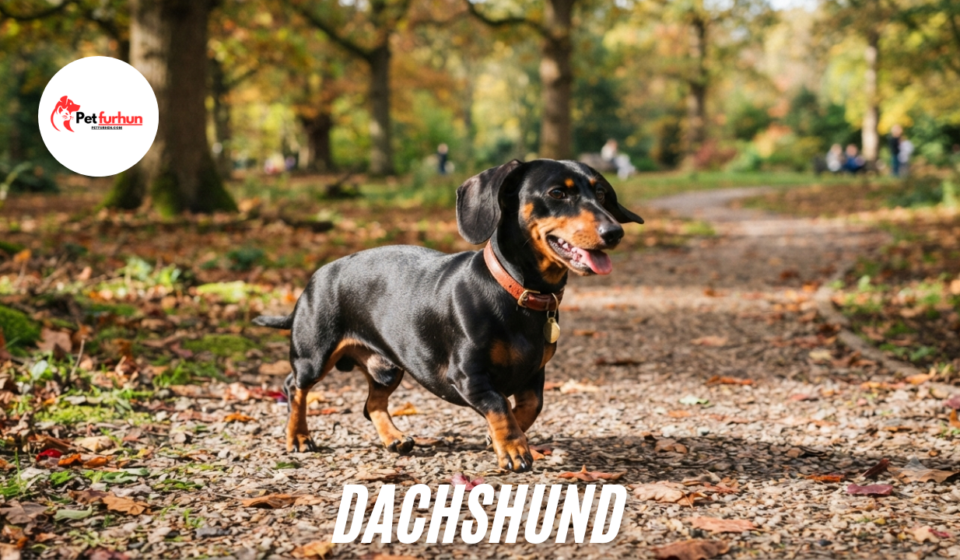
- Black and tan
- Chocolate
- Cream
- Blue
- Isabella (fawn)
Their coats can also have patterns like dapple (spots), brindle (stripes), or piebald (large white areas with color patches). Some color patterns, like double-dapple, can be linked to health problems, so responsible breeding is important.
Dachshund Temperament: What To Expect
The Dachshund’s personality is full of surprises. Owners describe them as brave, stubborn, loving, and sometimes mischievous. Here’s what you need to know about their temperament.
Intelligence And Trainability
Dachshunds are smart and quick learners, but they’re also independent thinkers. Sometimes, they like to do things their own way. Training can be a test of patience, so short, fun sessions with plenty of rewards work best. Consistency is key—once they know you mean business, they’ll follow your lead.
Loyalty And Attachment
Dachshunds often pick a favorite person and become very attached. They like to stay close, whether you’re watching TV or going for a walk. Separation anxiety can be an issue if left alone too long, so crate training and keeping a routine helps.
Courage And Hunting Instincts
Despite their small size, Dachshunds are fearless. They were bred to face badgers, so they won’t back down easily—even with bigger dogs. This bravery can sometimes turn into stubbornness or even bossy behavior, especially if they’re not properly socialized.
Sociability And Behavior With Other Pets
Dachshunds can get along well with other dogs, especially if raised together. However, their hunting background means they may chase smaller pets like rabbits or rodents. Careful introductions and supervision are important. They also can be protective of their territory and family.
Playfulness And Energy
Dachshunds love to play. Games that tap into their instincts, like “find the treat” or gentle tug-of-war, are favorites. They enjoy walks and even short hikes, but their legs aren’t built for long-distance running.
Barking
Many Dachshunds have a strong, deep bark for their size. They’ll let you know if someone is at the door or if anything seems unusual. Early training can help manage excessive barking, but you should expect some noise—this is part of their watchdog nature.
Dachshund Care: Daily Needs And Best Practices
Caring for a Dachshund means understanding their unique body, mind, and needs. This section covers everything from feeding to grooming.
Nutrition And Feeding
A balanced diet is critical for Dachshunds, especially because extra weight can harm their back. Feed high-quality dog food designed for their age, size, and activity level. Standard Dachshunds usually need 1 to 1. 5 cups of food per day, split into two meals.
Miniatures need less—about ½ to 1 cup daily.
Tips for healthy feeding:
- Monitor their weight often.
- Limit treats (no more than 10% of daily calories).
- Avoid feeding table scraps.
- Use slow feeders if they eat too fast.
Exercise And Activity
Dachshunds are energetic but not hyperactive. They need daily walks (20–30 minutes is usually enough for most adults) plus some playtime. Lack of exercise can lead to obesity and boredom, which often results in destructive behavior.
Activities Dachshunds enjoy:
- Short walks
- Scent games (hide treats in the house or yard)
- Puzzle toys
- Supervised digging in a sandbox
Because of their spine, avoid activities that involve jumping from heights or climbing too many stairs.
Grooming Routine
Grooming needs depend on coat type:
| Coat Type | Brushing Frequency | Bathing | Other Needs |
|---|---|---|---|
| Smooth | Weekly | Every 2-3 months | Wipe with a damp cloth between baths |
| Longhaired | 2-3 times/week | Every 2 months | Check for mats, trim around feet and ears |
| Wirehaired | Weekly | Every 2-3 months | Hand-stripping 2-3 times/year |
All Dachshunds need regular nail trims, ear checks, and dental care. Their floppy ears can collect dirt, so check for redness or odor weekly.
Training And Socialization
Start training early. Dachshunds are eager to please, but also stubborn. Positive reinforcement—using treats, praise, or play—works best. Avoid harsh corrections, as these can make them fearful or resistant.
Key training areas:
- Housebreaking: Can be tricky; crate training helps.
- Basic commands: Sit, stay, come, and leave it.
- Socialization: Introduce new people, animals, and places early and often.
A non-obvious tip: Teach your Dachshund to use ramps or pet stairs to reach furniture. This small habit can save their back from injury over time.
Home Safety
Because of their body shape, Dachshunds are at risk for intervertebral disc disease (IVDD), a back problem. Take these steps to keep your dog safe:
- Use ramps instead of stairs or jumps.
- Keep them at a healthy weight.
- Lift them by supporting both chest and rear—never just the front legs.
- Block off steep stairs or high beds.

Credit: puppyheaven.com
Health And Lifespan
Dachshunds are generally healthy and can live 12–16 years. Still, they are prone to certain health issues.
Common Health Problems
- Intervertebral Disc Disease (IVDD): This spinal issue can cause pain, weakness, or even paralysis. Keeping your dog slim and avoiding jumps is the best prevention.
- Obesity: Even a few extra pounds can be dangerous.
- Dental problems: Small breeds often have crowded teeth. Brush regularly and offer dental chews.
- Heart disease: Especially in older Dachshunds.
- Diabetes and Cushing’s disease: More likely in overweight dogs.
- Epilepsy: Some lines are prone to seizures.
- Progressive Retinal Atrophy (PRA): A genetic eye problem that can lead to blindness.
A non-obvious insight: Some coat color genes (like double-dapple) are linked to deafness and vision problems. If you’re buying a puppy, ask the breeder about the parents’ health and genetics.
Vet Visits And Vaccinations
Annual check-ups are a must. Puppies need more frequent visits for vaccines and growth checks. Ask your vet about:
- Heartworm prevention
- Flea and tick control
- Dental cleanings
- Regular bloodwork after age 7
Spaying And Neutering
Most vets recommend spaying or neutering unless you plan to breed responsibly. This reduces the risk of certain cancers and unwanted behaviors.
Dachshund Life Stages
Understanding what to expect at each stage helps you support your Dachshund’s health and happiness.
Puppy (0–12 Months)
Dachshund puppies are lively and curious. They need lots of socialization and gentle training. Their bones are still developing, so avoid rough play or high-impact exercise.
Crate training is especially useful at this stage, both for housebreaking and to prevent injury.
Adult (1–7 Years)
By adulthood, their personality is well-formed. Regular exercise and consistent routines help avoid boredom and weight gain. This is the easiest time for training, and most health problems can be prevented with good care.
Senior (8+ Years)
Older Dachshunds slow down, but many remain playful. Watch for signs of arthritis, back pain, or dental trouble. Adjust exercise to match their energy and consider senior dog food with fewer calories.
A ramp or padded bedding can make life easier as they age.
Living With A Dachshund: Home Life And Family
Dachshunds fit well into many households, but there are a few things to keep in mind.
Best Home Environments
They adapt well to apartments or houses, as long as they get daily walks. They’re not suited for living outside or being left alone for long periods. Dachshunds need companionship and like to be part of family activities.
Children And Dachshunds
With proper introductions, Dachshunds can do well with respectful children. Teach kids to avoid picking them up roughly or pulling their tail/ears. Always supervise young children around any dog.
A common mistake is thinking Dachshunds are “toy dogs” because of their size. They’re tough, but their spine is delicate.
Dachshunds And Other Pets
Early socialization helps them accept other dogs. Be cautious with small pets like rabbits or hamsters, since Dachshunds may see them as prey.
Traveling With Your Dachshund
They’re small enough for car rides, and many enjoy travel. Use a secured crate or dog seatbelt. Bring a portable ramp for hotel beds or stairs. Some Dachshunds love to burrow, so pack their favorite blanket for comfort.
Choosing A Dachshund: Puppy, Adult, Or Rescue
If you’re ready to bring a Dachshund into your life, consider your options carefully.
Finding A Responsible Breeder
Look for breeders who:
- Test for genetic diseases (like PRA, IVDD).
- Socialize puppies with people and other pets.
- Provide health guarantees and vaccination records.
- Allow you to meet the puppy’s parents.
Avoid breeders who always have puppies available or won’t answer your questions.
Adopting From Rescue Or Shelter
Many Dachshunds need new homes through breed rescues and shelters. Adults can be easier to care for, with known personalities. Ask about their health history and behavior.
A non-obvious benefit: Adopting an older dog can skip the demanding puppy stage and give a second chance to a dog in need.
Puppy Vs. Adult
Puppy:
- Requires more time for training and socialization.
- May not show full personality right away.
Adult:
- Known temperament.
- May already be house-trained.
Both can make wonderful companions, but consider your lifestyle and experience.
Dachshund Activities And Enrichment
Keeping your Dachshund mentally and physically active prevents boredom and problem behaviors.
Fun Activities
- Scent work: Hide treats under cups and let your dog find them.
- Earthdog trials: Simulated hunting events for Dachshunds.
- Agility (with caution): Low jumps and tunnels can be fun, but avoid high-impact obstacles.
- Fetch and tug: Use soft toys to protect their teeth.
Training Challenges
Dachshunds like to solve puzzles, but they can get bored with repetition. Mix up your training with new tricks or games. Keep sessions short—about 5-10 minutes at a time.
Social Outings
Take your Dachshund to dog-friendly parks or meetups. They enjoy being around other dogs, but always supervise play, especially with larger breeds.
Grooming Deep Dive: Special Considerations
While basic grooming was covered earlier, some special needs are worth mentioning.
Dealing With Shedding
All Dachshunds shed, but the amount varies by coat type. Longhaired and wirehaired types shed more, especially during seasonal changes. Regular brushing helps control loose hair and keeps the coat shiny.
Bathing Tips
Use a gentle dog shampoo. Be careful not to get water in their ears, as this can lead to infections. Dry their ears thoroughly after each bath.
Nail And Dental Care
Short nails are essential—long nails can change their walking posture and add stress to their back. Brush teeth a few times a week, and start this habit when they’re young.
Credit: petfurhen.com
Common Mistakes Dachshund Owners Make
Learning from others can save you trouble later. Here are mistakes to avoid:
- Letting them jump from furniture: This is the number one cause of back injuries.
- Overfeeding: Even a small weight gain can lead to health issues.
- Skipping socialization: A bored or unsocialized Dachshund can become aggressive or fearful.
- Ignoring dental care: Dental disease is common and expensive to treat.
- Not providing mental stimulation: They need games and puzzles, not just walks.
A less obvious mistake: Expecting Dachshunds to behave like other small breeds. Their hunting instincts and stubborn streak make them very different from, for example, a Maltese or Shih Tzu.
Dachshund Myths And Truths
Dachshunds are surrounded by myths. Let’s clear up a few:
- Myth: Dachshunds are just “lap dogs.”
Truth: They need exercise and mental challenges.
- Myth: Their long back always means health problems.
Truth: Many Dachshunds live long, healthy lives with proper care.
- Myth: They can’t live with kids or other pets.
Truth: With socialization and supervision, most adapt well.
- Myth: They’re impossible to train.
Truth: They learn quickly with positive methods; it just takes patience.

Credit: www.latimes.com
Dachshund Breed Comparison
How does the Dachshund stack up against similar breeds? Here’s a quick look:
| Breed | Size | Temperament | Exercise Needs | Health Concerns |
|---|---|---|---|---|
| Dachshund | Small | Brave, stubborn, affectionate | Moderate | IVDD, obesity, dental |
| Corgi | Small/Medium | Friendly, alert, active | High | Back, eye, hip issues |
| Beagle | Small/Medium | Curious, gentle, independent | High | Obesity, ear infections |
| Miniature Schnauzer | Small | Smart, outgoing, alert | Moderate | Pancreatitis, eye issues |
This comparison shows Dachshunds are unique, especially in their body shape and hunting instincts. They’re not as high-energy as some small breeds, but they need careful handling to protect their spine.
Dachshund Community And Resources
Owning a Dachshund connects you to a vibrant community. Breed clubs, rescue groups, and online forums offer support and events. Consider joining:
- The Dachshund Club of America for breed information and events.
- Local breed-specific meetups for socialization and fun.
- Rescue organizations if you’re interested in volunteering or adopting.
For more in-depth breed info, check out the Dachshund Wikipedia page.
Frequently Asked Questions
How Long Do Dachshunds Usually Live?
Most Dachshunds live 12–16 years if cared for well. Some even reach 17 or 18 years. Good nutrition, regular exercise, and vet visits make a big difference.
Are Dachshunds Good With Children?
Yes, with supervision and training. Teach children to handle them gently and never let a child pick up a Dachshund without help. Early socialization helps them become friendly family dogs.
Do Dachshunds Shed A Lot?
Shedding depends on coat type. Smooth Dachshunds shed less, while longhaired and wirehaired shed more, especially during seasonal changes. Regular brushing helps control hair in the home.
What Are The Main Health Issues In Dachshunds?
The most serious is intervertebral disc disease (IVDD), but obesity, dental disease, heart problems, and some genetic eye issues are also seen. Buying from a responsible breeder and proper care reduce risks.
Can Dachshunds Live In Apartments?
Absolutely. Their small size makes them good apartment dogs as long as they get daily walks and playtime. They do not need a large yard but do need mental stimulation and companionship.
Dachshunds are truly one-of-a-kind. With their bold spirit, loving nature, and special body, they require thoughtful care—but the reward is a loyal friend for years to come. Whether you’re a first-time owner or a Dachshund enthusiast, understanding their unique needs ensures a happy, healthy life together.

We’re the dedicated team behind MyPawSafe.com, with over a decade of combined experience in veterinary care, pet emergency response, and animal behavior. While we prefer to let our work speak for itself, our mission is clear: to provide science-backed, vet-approved advice that helps pet owners prevent accidents and save lives.