
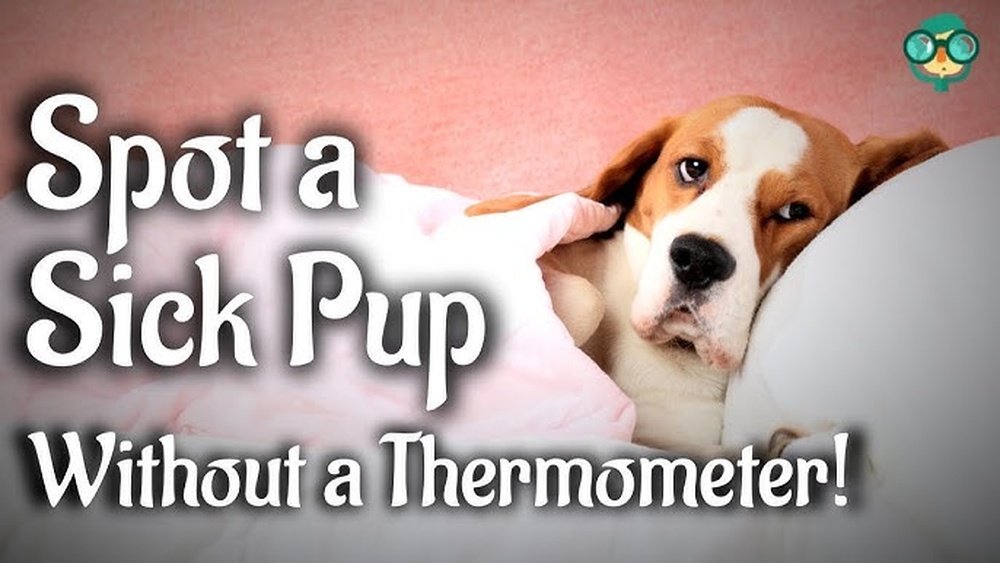
Every dog owner worries when their pet seems unwell. You might notice your dog acting differently—maybe they’re less playful, sleep more, or refuse food. One common concern is fever. But what if you don’t have a thermometer at home? Understanding how to tell if a dog has a fever without a thermometer is crucial for early action and peace of mind. This guide will help you recognize signs, understand what’s normal, avoid common mistakes, and know when professional help is needed. Let’s dive into the subtle clues and smart steps you can use to care for your furry friend—even without special tools.
What Is A Dog’s Normal Body Temperature?
Before learning to spot a fever, it helps to know what’s normal. For dogs, the typical body temperature ranges from 101°F to 102.5°F (38.3°C to 39.2°C). This is a bit higher than for humans, whose average is about 98.6°F (37°C). A temperature above 103°F (39.4°C) in dogs is considered a fever. If the temperature climbs above 106°F (41.1°C), it can be dangerous and even life-threatening.
Because you can’t measure this without a thermometer, you must rely on observable signs. But knowing the numbers helps you understand why certain symptoms matter and how quickly you should respond.
Why Do Dogs Get Fevers?
A fever is not a disease—it’s a symptom. Fever is the body’s way to fight infection or inflammation. The most common reasons include:
- Bacterial or viral infections: This could be from wounds, ear infections, or respiratory illnesses.
- Ingestion of toxic substances: Eating something poisonous can trigger a fever.
- Vaccination reactions: Sometimes, dogs get mild fevers after shots.
- Heatstroke: Overheating can mimic fever symptoms but is a medical emergency.
- Immune system diseases: Rarely, a dog’s own body causes inflammation.
Knowing the cause can help you explain your dog’s symptoms to a vet. But for home care, your main focus is noticing the clues that something is wrong.

Credit: www.dogwheelchairsindia.com
Common Signs Of Fever In Dogs
Without a thermometer, you must use your eyes, hands, and observation skills. Dogs rarely show all symptoms at once. Instead, look for a pattern or combination of changes in behavior and appearance.
1. Warm Ears And Nose
Touch your dog’s ears and nose. Warm or hot ears—especially at the base—can mean a high temperature. A dry, hot nose (instead of moist and cool) may also indicate fever. However, a dog’s nose can be dry for other reasons too, so don’t rely on this alone.
2. Shivering Or Trembling
Dogs with a fever may shiver, even if the room is warm. Shivering can also be caused by anxiety, pain, or being cold, so check for other symptoms before you worry.
3. Lethargy And Weakness
A sudden drop in energy is a big red flag. If your dog is sleeping more, moving slowly, or seems uninterested in favorite activities, it could be due to fever.
4. Loss Of Appetite
Most dogs love to eat. If your dog refuses food or treats for more than a meal or two, pay attention. Fever often causes loss of appetite.
5. Coughing Or Nasal Discharge
Coughing, sneezing, or a runny nose may mean an infection is present. If the discharge is thick, yellow, or green, your dog could be fighting off bacteria or viruses.
6. Red Or Glassy Eyes
Red, bloodshot, or glassy eyes often come with fever. Some dogs also get swelling around the eyes.
7. Rapid Breathing Or Panting
A dog’s normal breathing rate is about 18-34 breaths per minute at rest. Fast or heavy breathing—when not caused by play or heat—can be a sign of fever.
8. Warm, Dry Gums
Healthy dog gums are pink and moist. With a fever, gums may feel warm and dry to the touch. Gently lift your dog’s lip to check.
9. Dehydration
Fever pulls water out of your dog’s body. Signs include sticky gums, less skin elasticity (the skin stays up when gently pinched), and less urination.
10. Behavioral Changes
Some dogs become clingy or seek quiet places when sick. Others may whine, hide, or seem irritable. Trust your instincts—owners often notice “something’s off” before obvious symptoms appear.
Simple At-home Checks For Dog Fever
You don’t need special tools to gather useful information. Try these safe, practical checks:
Ear And Belly Touch Test
Use the back of your hand to feel your dog’s ears and belly. Compare the temperature to other parts of the body, like the paws or back. The ears and belly may feel noticeably warmer if fever is present.
Gum Check
Gently press your finger against your dog’s gums. They should be pink and moist. If they’re dry, sticky, or redder than usual, this could mean fever or dehydration.
Skin Turgor Test
Pinch a small section of skin on your dog’s neck or back. In a healthy, hydrated dog, the skin will snap back quickly. If it stays up or moves slowly, dehydration and fever may be present.
Monitor Breathing Rate
Count your dog’s breaths while sleeping or resting. Breathing faster than usual, especially when relaxed, is a subtle fever sign.
Watch For Shivering
If your dog shivers without a cold environment or other cause (like excitement), consider fever as a possibility.
Visual Guide: Comparing Healthy Vs Fever Symptoms
It helps to see how normal and fever symptoms differ. The table below summarizes some key differences:
| Symptom | Healthy Dog | Dog With Fever |
|---|---|---|
| Ears | Cool or slightly warm | Hot to the touch |
| Nose | Moist and cool | Dry, warm, or cracked |
| Appetite | Normal, eager to eat | Lack of interest in food |
| Gums | Pink, moist | Red, dry, or sticky |
| Energy | Playful, alert | Lethargic, weak |
| Breathing | Normal rate | Rapid, shallow, or heavy |
| Eyes | Clear, bright | Red, glassy, or swollen |
How Reliable Are These Signs?
No at-home method is perfect. Dogs can have warm ears or dry noses for harmless reasons—like after a nap or play session. Multiple symptoms together are much more reliable than a single sign. For example, a hot nose AND loss of appetite AND lethargy is more concerning than just one of these.
Some breeds also show symptoms differently. For example, dogs with naturally dry noses (like Bulldogs) may not show a clear change. Puppies and older dogs can hide illness better, so subtle changes matter more.

Credit: www.youtube.com
Myths And Mistakes When Checking For Dog Fever
Pet owners often hear advice that sounds scientific but isn’t always accurate. Let’s clear up some common myths:
- Myth: A dry nose always means fever. In reality, a dog’s nose can change from wet to dry many times a day.
- Myth: Panting equals fever. Dogs pant when hot, excited, stressed, or after exercise—not just from fever.
- Myth: All sick dogs shiver. Some dogs never shiver, even with high fever.
- Myth: You can “feel” a fever every time. Mild fevers may not change how your dog feels to the touch.
It’s easy to overlook real problems by trusting just one sign. Combine checks for a more accurate picture.
What To Do If You Suspect Your Dog Has A Fever
If you think your dog has a fever, here’s what to do:
- Keep your dog calm and comfortable. Move them to a quiet, cool place away from direct sunlight or drafts.
- Offer fresh water. Encourage small sips but don’t force drinking.
- Remove extra blankets or clothing. Let your dog’s body cool naturally.
- Check for wounds or swelling. Look for cuts, bites, or other injuries that may need cleaning.
- Monitor for changes. Write down symptoms, when they started, and anything unusual. This helps your vet.
- Avoid giving human medicine. Some drugs, like acetaminophen or ibuprofen, are toxic to dogs.
- Call your veterinarian. If symptoms are severe, last more than 24 hours, or you see vomiting, seizures, or collapse, seek help immediately.
If you must travel to the vet, carry your dog gently and keep them cool.
When Is Fever An Emergency?
Some situations are urgent and need immediate vet care. Go to the clinic if your dog:
- Has a seizure
- Collapses or cannot stand
- Has a temperature above 106°F (if you later get a thermometer)
- Shows severe vomiting or diarrhea
- Has trouble breathing
- Refuses all food and water for more than 24 hours
- Has a swollen, painful belly
Young puppies, seniors, or dogs with chronic illness are at higher risk and need quicker attention.
How Vets Diagnose And Treat Dog Fever
Understanding what happens at the vet can ease your worries. Here’s what to expect:
Step 1: Physical Exam
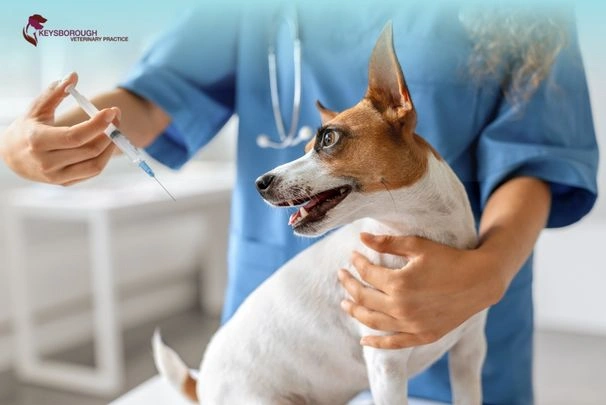
The vet checks your dog’s temperature (using a rectal thermometer), heart rate, and breathing. They look for infection, injury, or swelling.
Step 2: Lab Tests
Bloodwork, urine tests, and sometimes x-rays help find the cause. If an infection is suspected, the vet may take samples from wounds, ears, or other areas.
Step 3: Treatment
Treatment depends on the cause:
- Antibiotics for bacterial infections
- Fluids to prevent dehydration
- Anti-inflammatories for pain or swelling
- Hospitalization for severe cases
Most dogs recover well with early treatment.
Credit: keysivet.com.au
Prevention Tips: Lowering Your Dog’s Fever Risk
While not all fevers can be prevented, you can lower the risk:
- Vaccinate on schedule. Vaccines protect against common diseases.
- Keep your dog’s environment clean. Remove waste, wash bowls, and clean bedding.
- Check for ticks and fleas. Parasites can cause infections and fever.
- Avoid toxic foods and plants. Keep chocolate, grapes, and household chemicals out of reach.
- Regular vet checkups. Early detection prevents many problems.
- Monitor wounds. Clean cuts promptly to prevent infection.
Some fevers are unavoidable, but good care makes a big difference.
Comparing Dog Fever To Human Fever
You might wonder how dog fever compares to human fever. Here’s a quick comparison:
| Factor | Dog | Human |
|---|---|---|
| Normal Temperature | 101–102.5°F (38.3–39.2°C) | 97.6–99.6°F (36.4–37.6°C) |
| Fever Threshold | Above 103°F (39.4°C) | Above 100.4°F (38°C) |
| Common Symptoms | Warm ears/nose, lethargy, loss of appetite | Chills, sweating, headache, tiredness |
| Measurement | Rectal thermometer, observation | Oral, ear, or forehead thermometer |
| Dangers of High Fever | Organ damage, seizures, death | Delirium, seizures, organ damage |
Dogs show illness differently and often hide discomfort better than people. That’s why early observation is so important.
Two Insights Most Owners Miss
Many dog owners—especially beginners—miss these key points:
- Mild fevers can be hard to spot. Dogs are good at hiding illness. Subtle changes, like being slightly less playful or eating a little less, can be early warning signs. Don’t wait for dramatic symptoms.
- Dehydration is a big risk. Fever makes dogs lose water fast. Even if your dog is only a little sick, always check for signs of dehydration (sticky gums, slow skin snap) and offer water often.
Practical Examples: Real-life Scenarios
Let’s look at two examples to make things clearer.
Example 1: The Lazy Retriever
Max, a 4-year-old Golden Retriever, spends more time lying down and ignores breakfast. His owner notices Max’s ears feel hotter than usual, and his gums are dry. He also pants at rest. No wounds or vomiting are seen. Max’s owner offers water, keeps him cool, and calls the vet.
The vet finds a mild fever from a minor infection, and Max recovers after treatment.
Example 2: The Playful Puppy Turns Quiet
Bella, a 6-month-old Beagle, is usually energetic. One morning, she refuses to play, her nose is dry, and she shivers despite a warm house. Her skin takes longer to snap back when pinched. Bella’s owner suspects fever and calls the clinic.
The vet finds dehydration and a virus. Early care helps Bella recover quickly.
How Accurate Are At-home Fever Checks?
At-home checks are helpful but not foolproof. Studies suggest hands-on checks detect fever correctly about 60-70% of the time. Trained vets, using thermometers and lab tests, are more accurate. Home checks are best for early warning, not diagnosis.
If you want to learn more about the science behind canine fever, the Merck Veterinary Manual offers a detailed overview.
Frequently Asked Questions
How Can I Tell If My Dog Has A Fever At Night?
Look for signs like hot ears, shivering, and restlessness. If your dog seems unusually lethargic or refuses water, monitor closely. Use gentle touch to check ears and belly warmth. If symptoms worsen or last until morning, call your vet.
Should I Use A Human Thermometer On My Dog?
Human thermometers are not designed for dogs and may give inaccurate readings. If you need to check, use a digital rectal thermometer made for pets. Never try to take a dog’s temperature by mouth—it’s unsafe and unreliable.
Can I Give My Dog Aspirin Or Tylenol For Fever?
No. Aspirin, Tylenol (acetaminophen), and ibuprofen are dangerous for dogs and can cause poisoning, organ damage, or death. Only use medicines prescribed by your veterinarian.
What If My Dog’s Nose Is Warm But He Acts Normal?
A warm nose alone is not a reliable sign of fever. If your dog eats, drinks, and acts normally, monitor but don’t panic. Watch for other symptoms before taking action.
How Long Can A Dog Have A Fever Before Seeing The Vet?
If fever signs last more than 24 hours, or you see severe symptoms (like vomiting, collapse, seizures, or no eating/drinking), contact your vet right away. Puppies, seniors, or dogs with health problems need quicker attention.
Your dog depends on you to notice what words cannot express. Trust your instincts, use these at-home checks, and never hesitate to ask your veterinarian when in doubt. With care and observation, you’ll be ready to help your dog feel better—no thermometer needed.
We’re the dedicated team behind MyPawSafe.com, with over a decade of combined experience in veterinary care, pet emergency response, and animal behavior. While we prefer to let our work speak for itself, our mission is clear: to provide science-backed, vet-approved advice that helps pet owners prevent accidents and save lives.